What Size Air Compressor for Impact Gun Is the Best
Choosing the right size air compressor for your impact gun depends on CFM, PSI, and tank capacity. Most impact guns need 4 to 6 CFM at 90 PSI to work properly. A 6-gallon tank with a 2 to 3 HP motor is the sweet spot for most DIYers and professionals alike.
If you have ever fired up an impact gun only to watch it stall or lose power, you know how frustrating that feels. The problem almost always comes down to one thing: your air compressor is too small. Picking the right compressor size is not just a nice-to-have. It is the difference between a tool that works smoothly and one that drives you crazy.
So what size air compressor for impact gun should you actually buy? The answer depends on a few key numbers we will walk through in this guide. By the end, you will know exactly what to look for, what to avoid, and how to match your compressor to the job at hand. Let us get into it.
When people talk about air compressor size, they usually mean three things. First, the CFM rating, which stands for cubic feet per minute. Second, the PSI, or pounds per square inch. Third, the tank size measured in gallons. Each of these plays a big role in how well your compressor feeds your impact gun. Let us break them all down.
Key Takeaways
- CFM matters most: Your compressor must deliver enough cubic feet per minute to keep your impact gun running without lag.
- PSI requirements are clear: Most impact guns operate at 90 PSI, but always check your specific tool.
- Tank size affects runtime: Larger tanks give you more continuous use and shorter recovery times.
- Horsepower is not everything: A higher HP motor does not always mean better performance if CFM is low.
- Portability vs power is a trade-off: Smaller compressors are easier to move but may lack the capacity for heavy-duty work.
- Match the compressor to the job: Light tasks need less power, while professional-grade work demands higher specs.
📑 Table of Contents
- Understanding CFM: The Most Important Number
- PSI Requirements for Impact Guns
- Tank Size: Why It Matters More Than You Think
- Horsepower and Motor Size Explained
- Best Compressor Types for Impact Guns
- How to Match Your Compressor to Your Impact Gun
- Common Mistakes People Make When Sizing a Compressor
- Final Thoughts on Choosing the Right Size
Understanding CFM: The Most Important Number
CFM tells you how much air your compressor can push out in one minute. Think of it like water flowing through a hose. If the flow is too low, your tool starves for air. That means less power, more downtime, and a frustrated user.
Most standard impact guns need between 4 and 6 CFM to run properly. Some heavy-duty models push that number higher. Here is a simple breakdown:
- Light-duty impact guns: 3 to 4 CFM
- Mid-range impact guns: 4 to 5 CFM
- Heavy-duty impact guns: 5 to 7+ CFM
Always check your impact gun’s manual for the exact CFM requirement. Running a compressor below that number leads to poor performance. And nobody wants that.
Why CFM Drops Matter So Much
Here is something many people miss. Compressors often list two CFM numbers. One is the “free air delivery” and the other is the “delivered CFM” at a specific pressure. The delivered number is what really matters for your impact gun. Always compare the delivered CFM at 90 PSI to your tool’s requirement.
A quick tip: add about 1.5 to 2 times the CFM your tool needs. This gives your compressor breathing room. It also extends the life of your compressor motor because it does not have to work as hard.
PSI Requirements for Impact Guns
PSI stands for pounds per square inch. It measures the pressure of the air coming out of your compressor. Most impact guns work best at 90 PSI. Some need a bit more, and some work fine at lower pressures.
Here is what you need to know about PSI and impact guns:
- Standard operating PSI: 90 PSI for most models
- Maximum operating PSI: Usually 120 to 150 PSI
- Starting PSI: The compressor needs to build up enough pressure before the tool kicks in
Your compressor must be able to reach and maintain the PSI your impact gun needs. If it cannot hold steady at 90 PSI, the tool will not deliver full power. Look for a compressor that exceeds your PSI requirement by at least 10 to 20 percent.
PSI vs CFM: How They Work Together
PSI and CFM are partners. They work together to determine how well your compressor feeds your tool. High PSI with low CFM means lots of pressure but not enough air flow. That is like having a thin hose with high water pressure. It does not help much if the flow is too low.
For impact guns, you need both numbers to be in the right range. A compressor rated at 120 PSI but only 2 CFM will struggle badly. On the other hand, a compressor at 90 PSI with 6 CFM will run your impact gun like a dream.
Tank Size: Why It Matters More Than You Think
The tank stores compressed air so your compressor does not have to run constantly. Bigger tanks hold more air, which means longer working times between refill cycles. For impact gun work, tank size can make a big difference in your experience.
Here is a look at common tank sizes and what they are best for:
- 2 to 6 gallons: Best for light tasks and occasional use. These are great for home garages and quick jobs.
- 8 to 15 gallons: Good for regular DIY work and moderate impact gun use. A solid choice for most users.
- 20 to 30 gallons: Ideal for professionals or heavy-duty work. These handle long sessions without stopping.
- 60+ gallons: Built for continuous industrial use. Overkill for most impact gun tasks.
For most people using an impact gun at home or in a shop, an 8 to 15-gallon tank hits the sweet spot. It gives you enough air reserve to work for several minutes without the compressor kicking on. That means fewer interruptions and smoother operation.
How Tank Size Affects Duty Cycle
Duty cycle is the percentage of time a compressor can run before it needs to rest. A larger tank helps improve your effective duty cycle. The compressor takes longer to refill a big tank, so it cycles on less often.
Think of it this way. A small tank fills up fast, so the compressor runs more often. A big tank fills up slower, giving you more uninterrupted work time. For impact gun tasks that require sustained air supply, a bigger tank really shines.
Horsepower and Motor Size Explained
Horsepower, or HP, is another number you will see on compressors. It tells you how powerful the motor is. But here is the thing: HP alone does not tell you if a compressor is right for your impact gun. You need to look at the full picture.
A 2 HP compressor can easily deliver 4 to 5 CFM. A 3 HP compressor might push 5 to 7 CFM. But a 5 HP compressor with a poorly designed pump might deliver less air than a well-built 3 HP unit. Always focus on CFM and PSI first, then use HP as a secondary factor.
For most impact gun users, a 2 to 3 HP motor is plenty. It gives you strong performance without the bulk and noise of a larger unit. If you are running multiple pneumatic tools at once, you might want to step up to a 5 HP or higher model.
Oil-Free vs Oil-Lubricated Compressors
Most home and workshop compressors are oil-free. They require less maintenance and are lighter to move around. Oil-lubricated models are more common in industrial settings. They tend to run cooler and last longer under heavy use.
For impact gun work, an oil-free compressor is usually the right choice. It keeps things simple and maintenance-free. Unless you are running your compressor for hours every day in a professional shop, oil-free will serve you well.
Best Compressor Types for Impact Guns
Not all compressors are created equal. Different types suit different needs. Let us look at the most common options for powering an impact gun.
Portable Compressors
Portable compressors are compact and easy to move around. They typically have small tanks, usually 1 to 6 gallons. These work great for light impact gun tasks like tightening bolts on a tire or doing quick repairs around the house.
The downside is that portable compressors may not keep up with heavy use. If you are using an impact gun for extended periods, a portable model might cycle on and off too often. But for occasional use, they are hard to beat for convenience.
Pancake Compressors
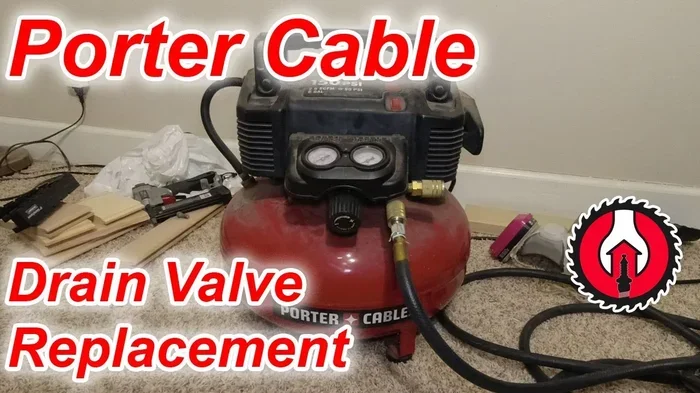
Pancake compressors have a flat, round tank design. They are low-profile and easy to store. Most pancake models deliver 2 to 4 CFM, which is enough for light to mid-range impact guns.
If your impact gun needs 4 to 5 CFM, a pancake compressor might struggle during long sessions. But for quick jobs and light-duty work, a pancake compressor is a reliable and affordable option.
Twin-Stack Compressors
Twin-stack compressors have two tanks stacked on top of each other. This design gives you more air capacity without a much bigger footprint. They typically deliver 4 to 6 CFM, which covers most impact gun needs nicely.
A twin-stack compressor is a great middle ground. It offers more air reserve than a pancake but stays portable enough for moving between job sites. If you use your impact gun regularly, this is a solid choice to consider.
Wheelbarrow and Stationary Compressors
For serious workshop use, a wheelbarrow-style or stationary compressor is the way to go. These have large tanks, powerful motors, and high CFM output. They can run impact guns and other pneumatic tools all day long without breaking a sweat.
These are overkill for most home users. But if you run a garage, body shop, or industrial operation, the investment pays off fast in productivity and reliability.
How to Match Your Compressor to Your Impact Gun
Now that you understand the key specs, let us put it all together. Here is a simple step-by-step process to find the right compressor for your impact gun.
- Check your impact gun’s CFM and PSI requirements. Look at the tool label or the user manual. Write down the numbers.
- Add a 1.5 to 2 times safety buffer to the CFM. This ensures your compressor can keep up even under heavy load.
- Choose a tank size based on your usage. Light use? Go with 6 gallons or less. Regular use? Aim for 8 to 15 gallons.
- Pick a compressor type that fits your workspace. Small garage? A portable or pancake model works. Full workshop? Consider a twin-stack or stationary unit.
- Verify the compressor can reach and hold 90 PSI. Check the maximum PSI rating and the delivered CFM at that pressure.
Following these steps will help you find a compressor that matches your impact gun perfectly. You will get smooth, consistent power every time you pull the trigger.
Quick Tips for Getting the Most Out of Your Setup
- Use a shorter air hose whenever possible. Longer hoses cause pressure drops that reduce your impact gun’s performance.
- Check for leaks regularly. Even small leaks in the hose or fittings waste air and reduce CFM at the tool.
- Keep your compressor clean. Dust and debris can clog the intake and reduce performance over time.
- Use a moisture trap. Compressed air contains moisture that can damage your impact gun over time. A simple moisture trap solves this problem.
- Let the tank fully pressurize before starting work. This gives you the maximum air reserve for the first few minutes of use.
Common Mistakes People Make When Sizing a Compressor
Avoiding mistakes saves you time, money, and frustration. Here are the most common errors people make when choosing an air compressor for their impact gun.
- Buying based on HP alone. Horsepower means nothing if the CFM and PSI do not match your tool. Always check the air delivery numbers first.
- Ignoring the duty cycle. A compressor that cannot keep up will overheat and wear out faster. Choose a unit with enough capacity for your workload.
- Skipping the safety buffer. Running a compressor right at the edge of your tool’s requirements leaves no room for extra demands. Always add a buffer.
- Choosing the wrong tank size. Too small means constant cycling. Too large means you are carrying unnecessary weight and spending more money than you need.
- Forgetting about power source requirements. If you need to run your compressor away from a power outlet, you may need to pair it with a generator. You can learn more about sizing the right power source in our guide on how to size a generator for your workshop needs.
Steering clear of these mistakes puts you on the path to a setup that works reliably for years. Take your time, do the math, and make a confident choice.
Final Thoughts on Choosing the Right Size
Finding the best air compressor for your impact gun does not have to be complicated. Focus on three things: CFM, PSI, and tank size. Match those numbers to your impact gun’s requirements, add a safety buffer, and you are golden.
Most users will do great with a 2 to 3 HP compressor delivering 5 to 6 CFM at 90 PSI and a tank between 8 and 15 gallons. That setup handles the vast majority of impact gun tasks with ease. Whether you are a weekend DIYer or a working professional, getting the size right makes every job smoother and faster.
Take a few minutes to review your impact gun’s specs before you shop. It is the single best thing you can do to ensure a perfect match. Your impact gun will thank you with consistent power and reliable performance every time you use it.
Frequently Asked Questions
What CFM do I need for an impact gun?
Most impact guns need between 4 and 6 CFM at 90 PSI. Check your specific tool’s manual for the exact requirement. Always add a 1.5 to 2 times buffer when choosing your compressor’s CFM rating.
Can I use a small portable compressor with an impact gun?
Yes, for light-duty tasks a small portable compressor works fine. Just make sure it meets the CFM and PSI requirements of your impact gun. For heavy or extended use, a larger tank is recommended.
Does tank size affect impact gun performance?
Tank size does not directly affect the power of your impact gun. But a larger tank provides more stored air, which means longer working times and fewer compressor cycles. This leads to a smoother and more consistent experience.
Is 90 PSI enough for all impact guns?
Most impact guns operate at 90 PSI, but some models need more. Always check your tool’s specifications. Your compressor should be able to reach and maintain the PSI your specific impact gun requires.
How do I know if my compressor is too small for my impact gun?
If your impact gun loses power, stalls, or the compressor runs constantly without stopping, your compressor is likely too small. These are clear signs that the CFM or PSI output does not meet your tool’s demands.
What compressor size do professionals use with impact guns?
Professionals typically use compressors with 5 to 7+ CFM output and tanks of 20 gallons or more. These setups handle heavy-duty impact gun work for long periods without interruption. They also often pair their compressor with a generator for mobile work, and you can read about generator sizing in our guide on what kind of generator do I need for my house.
=== CONCLUSION ===
Finding the perfect air compressor size for your impact gun comes down to understanding three simple numbers: CFM, PSI, and tank size. Most impact guns need 4 to 6 CFM at 90 PSI, and an 8 to 15-gallon tank covers most users perfectly. Do not get caught up in horsepower alone. Focus on air delivery, match it to your tool, and always add a safety buffer.
With the right compressor paired to your impact gun, every job becomes easier and more enjoyable. You get consistent power, fewer interruptions, and a tool setup that lasts. Take the time to get the size right, and your impact gun will perform at its best every single time you use it.