How to Size a Generator for Your Home or Business Needs
Sizing a generator the right way keeps your lights on during a power outage and protects your appliances from damage. This guide walks you through every step of how to size a generator, from listing your power needs to choosing the right fuel type and unit size. You will learn practical tips, common mistakes to avoid, and expert-backed advice that makes the process simple and stress-free.
Power outages can strike without warning. A storm rolls in, the grid goes down, and suddenly you are sitting in the dark with a fridge full of food that could spoil. Knowing how to size a generator before you need one saves you from that stressful situation.
Choosing the right generator size is not just about picking the biggest unit you can afford. It is about matching your actual power needs with the right machine. Too small, and you risk overloading the generator. Too big, and you waste money on fuel and upkeep. This guide breaks down the entire process in simple, easy-to-follow steps.
Whether you need a portable generator for a camping trip or a whole house generator to keep your business running, you will find everything you need right here. Let us dive in and make sure you never face a dark evening unprepared.
Key Takeaways
- Know your wattage: Always calculate both starting and running wattage for every appliance before choosing a unit.
- Add a safety buffer: Aim for 20-25% extra capacity above your total calculated needs to handle peak demand.
- Choose the right type: Portable generators suit light needs, while standby and whole house generators handle heavier loads.
- Avoid common mistakes: Never skip the surge wattage check or ignore future power needs when sizing up.
- Consider fuel and runtime: Your fuel type affects cost, runtime, and maintenance over the long term.
- Use a generator size calculator: Online tools make the math fast and help you avoid under or oversizing.
- Professional installation matters: For standby and whole house units, a licensed electrician ensures safe and code-compliant setup.
📑 Table of Contents
Understanding Generator Sizing Basics
Before you start plugging things in, you need to understand what generator sizing actually means. The size of a generator is measured in watts or kilowatts. This number tells you how much electrical power the unit can produce at one time.
Two key numbers matter here: starting wattage and running wattage. Starting wattage is the extra power needed to kick-start motors in appliances like refrigerators and air conditioners. Running wattage is the steady power those appliances need to keep running once they are started.
The electrical load is simply the total amount of power your devices pull. When you add up the wattage of everything you want to run at the same time, you get your baseline power needs. This is the foundation of how to size a generator correctly.
What Is Generator Wattage?
Every generator has a rated wattage printed on its label or in the manual. This number represents the maximum power it can deliver safely. For example, a portable generator rated at 5,000 watts can power a few essential items at once. A larger standby generator rated at 20,000 watts can handle an entire household.
The kilowatt rating is another way manufacturers express size. One kilowatt equals 1,000 watts. So a 7-kilowatt generator delivers 7,000 watts. Understanding these numbers helps you compare units and avoid confusion when shopping.
Why Getting the Size Right Matters
An undersized generator will struggle to keep up. It may trip its circuit breaker repeatedly or fail to start motor-driven appliances. Over time, this strains the generator and shortens its lifespan.
An oversized generator wastes fuel and costs more to run. It also sits idle most of the time, which can cause moisture buildup and engine problems. The sweet spot is a unit that meets your power needs with a small buffer for safety.
Calculate Your Power Needs Step by Step
This is the most important part of how to size a generator. You need to know exactly what you want to power and how much energy each item draws. Follow these steps to get an accurate picture.
Step 1: List Every Appliance and Device
Grab a notebook and write down every item you want to run during a power outage. Include lights, refrigerators, sump pumps, phones, laptops, and anything else you cannot live without. Do not forget furnaces, well pumps, and medical equipment if they apply to you.
For each item, find its wattage. Check the label on the back or bottom of the appliance. If the label lists amps instead of watts, you can convert it. Multiply amps by volts (usually 120V for standard outlets) to get watts.
Step 2: Separate Starting and Running Wattage
Some devices need a burst of extra power to start up. This is called surge wattage or starting wattage. Motorized appliances like air conditioners, well pumps, and sump pumps always have this spike.
Write down both numbers for each appliance. Add up all the running wattage first. Then add the highest single starting wattage to that total. This gives you your true peak power requirement.
Step 3: Add a Safety Buffer
Once you have your total wattage, add 20 to 25 percent extra capacity. This buffer handles unexpected loads and prevents the generator from running at full tilt all the time. A generator that runs at full capacity constantly wears out faster and uses more fuel consumption.
Step 4: Use a Generator Size Calculator
If math is not your strong suit, use an online generator size calculator. These free tools let you enter your appliances and automatically calculate the right size. They factor in starting wattage, running wattage, and your safety buffer.
Many generator retailers offer these calculators on their websites. They are fast, free, and surprisingly accurate. Just make sure your list of appliances is complete before you enter the data.
Quick Tips
- Always check the wattage label on appliances. Do not guess.
- Round up wattage numbers to the nearest 100 for a safety margin.
- Remember that multiple devices on one circuit add up fast.
- Keep a copy of your appliance list for future reference.
- Update your list whenever you buy a new electrical device.
Types of Generators and Their Sizes
Not all generators are built the same. The type you choose depends on your power needs, budget, and how long you need backup power. Here is a breakdown of the three main categories.
Portable Generators
Portable generators are the most affordable and flexible option. They typically range from 1,000 to 10,000 watts. You can move them around, store them easily, and use them for camping or tailgating.
These units run on gasoline or propane. They are great for keeping a few essentials running during a short power outage. However, they cannot power an entire house. You need to plug devices in directly or use extension cords.
A typical portable generator rated at 3,500 to 7,500 watts works well for a small apartment or a home that only needs to run the fridge, a few lights, and a phone charger.
Standby Generators
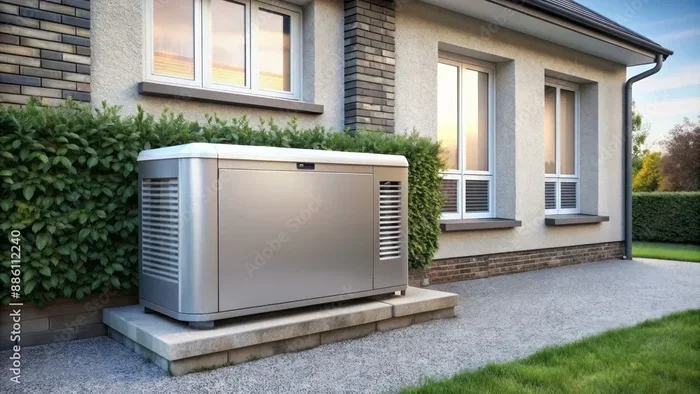
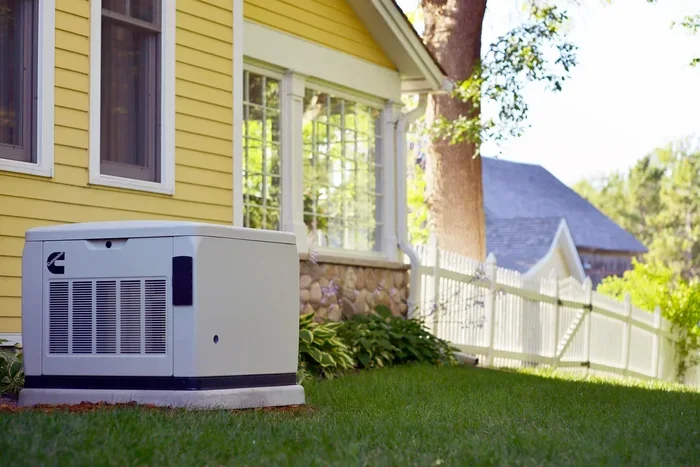
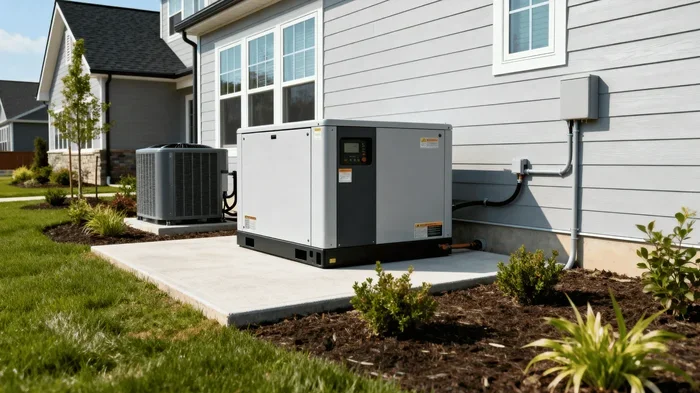
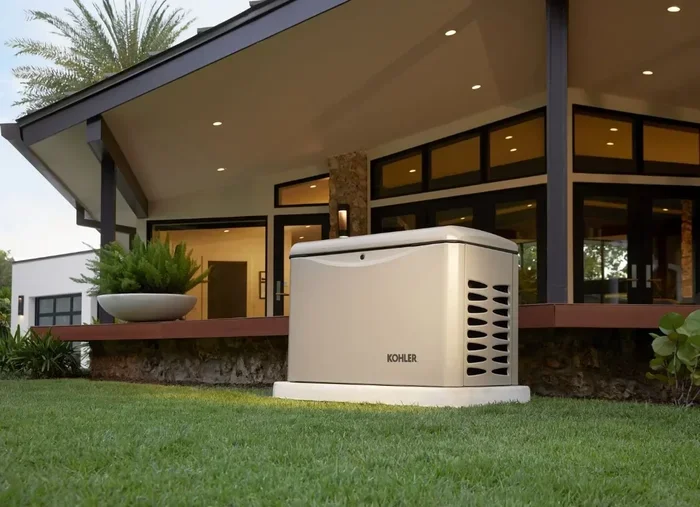
Standby generators are permanent installations outside your home or business. They range from 7,000 to 20,000 watts or more. These units turn on automatically when the power goes out, usually within seconds.
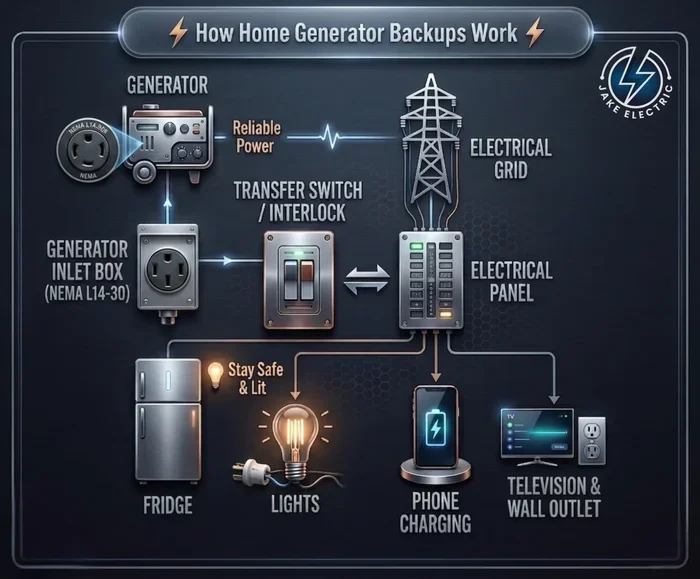
They connect to your home’s electrical panel through an automatic transfer switch. This switch detects the outage and shifts the load to the generator seamlessly. You do not need to be home or manually start the unit.
Standby generators run on natural gas or liquid propane. They are more expensive upfront but offer reliable backup for days at a time. They are ideal for families in areas prone to storms or frequent outages.
Whole House Generators
Whole house generators are the heavy-duty option. They range from 20,000 to 50,000 watts or more and can power everything in your home simultaneously. These units handle central air conditioning, electric stoves, multiple circuit breaker panels, and more.
They are installed permanently and connect to a natural gas or propane line. The generator runtime depends on the fuel supply and load, but many models can run for days without refueling.
Whole house generators cost the most, but they offer total peace of mind. If you live in an area with harsh winters or frequent storms, this is the best investment you can make.
Comparison Table: Generator Types at a Glance
| Type | Wattage Range | Best For | Fuel Type | Auto Start | Cost Range |
|---|---|---|---|---|---|
| Portable Generator | 1,000 – 10,000W | Light needs, camping, essentials | Gasoline, Propane | No | $500 – $2,500 |
| Standby Generator | 7,000 – 20,000W | Home backup, automatic power | Natural Gas, Propane | Yes | $3,000 – $8,000 |
| Whole House Generator | 20,000 – 50,000W+ | Full home, business backup | Natural Gas, Propane | Yes | $8,000 – $20,000+ |
Common Mistakes When Sizing a Generator
Even with the best intentions, many people make avoidable errors when figuring out how to size a generator. Here are the most common mistakes and how to steer clear of them.
Ignoring Surge or Starting Wattage
The biggest mistake is only looking at running wattage and forgetting about the starting surge. A refrigerator might need 700 watts to run but 2,100 watts to start. If your generator cannot handle that surge, the unit will stall or trip.
Always account for the highest starting wattage in your load list. This single number can make or break your setup.
Underestimating Future Power Needs
Your power needs change over time. You might buy a new electric vehicle, add a home office, or install a central air system. Sizing a generator based only on today’s needs leaves you stranded when those changes happen.
Think about what you might add in the next three to five years. A slightly larger unit now saves you from buying another one later.
Choosing Based on Price Alone
The cheapest generator is not always the best deal. An undersized unit will not power what you need, and an oversized one wastes fuel. Look at the wattage rating, fuel efficiency, and generator runtime before you buy.
Skipping Professional Installation
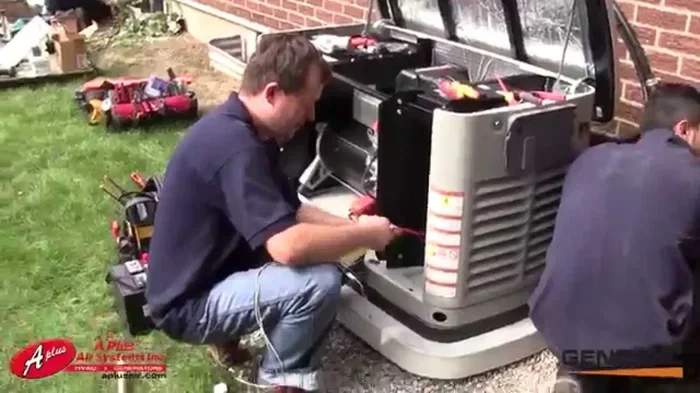
For standby and whole house generators, skipping a licensed electrician is a dangerous shortcut. Improper wiring can cause backfeed, which sends power into the grid and endangers utility workers. A professional ensures your setup is safe and code-compliant.
Expert Insight
“I see homeowners make the surge wattage mistake all the time,” says Mark Donovan, a licensed electrician with 15 years of experience. “They add up running watts, pick a generator, and then wonder why the fridge won’t start. Always check the starting watts on motor-driven appliances. That one step saves a lot of headaches.”
Expert Tips for Getting the Right Size
Getting the size right does not have to be complicated. These expert-backed tips simplify the process and help you make a confident decision.
Prioritize Essential Loads
Not everything in your home needs to run at the same time. Make a list of essentials first: refrigerator, lights, furnace blower, sump pump, and phone charging. Then decide which comfort items you want to add, like a television or microwave.
This prioritization helps you narrow down the right generator wattage without overbuying.
Consider Your Fuel Source
Your fuel type affects both cost and convenience. Natural gas is convenient because it connects to your existing gas line and never runs out. Propane stores well but needs tank refills. Gasoline is affordable but has a short shelf life and requires frequent refueling.
Think about what is available in your area and how long you need the generator to run during an outage.
Check the Generator Runtime
Generator runtime tells you how long the unit can run on a full tank at a given load. A unit that runs 8 hours at 50% load might only run 4 hours at full load. Check the runtime specs carefully and compare them across models.
Longer runtime means fewer refueling interruptions during extended outages. This is especially important for businesses that cannot afford any downtime.
Factor in the Transfer Switch
An automatic transfer switch is a must-have for standby and whole house generators. It detects power loss and switches your load to the generator automatically. Without it, you would need to manually start the generator and flip breakers every time the power goes out.
The transfer switch also protects your generator from backfeed, which is a serious safety hazard. Always include this in your sizing and installation plan.
Get a Professional Load Calculation
If you are unsure about your calculations, hire an electrician to perform a professional load calculation. They use specialized tools to measure your actual electrical demand and recommend the right unit. This is especially valuable for businesses with complex electrical systems.
Quick Tips Recap
- Always add a 20-25% buffer to your total wattage.
- Check the starting wattage of every motor-driven appliance.
- Consider fuel availability and storage in your area.
- Factor in the cost and installation of an automatic transfer switch.
- Get a professional load calculation if you are ever in doubt.
- Review your power needs every year or two as your needs change.
How to Size a Generator for Business vs Home
The process for how to size a generator differs between homes and businesses. While the basic math is the same, businesses have unique demands that require extra consideration.
Sizing for Home Use
Most homes need between 5,000 and 20,000 watts for essential coverage. A typical home with a refrigerator, a few lights, a furnace, and a sump pump falls in the 5,000 to 10,000 watt range. Add central air conditioning, and you may need 15,000 to 20,000 watts.
For most homeowners, a standby generator in the 10,000 to 20,000 watt range hits the sweet spot. It covers essentials comfortably and leaves room for a few comfort appliances.
Sizing for Business Use
Businesses often have higher and more complex power needs. Office equipment, servers, lighting systems, HVAC units, and production machinery all draw power simultaneously. The peak demand for a business can be much higher than for a home.
Start by reviewing your building’s electrical panel. The main breaker rating gives you a baseline for your total electrical capacity. From there, identify which systems are critical and must stay online during an outage.
For most small businesses, a standby generator in the 20,000 to 50,000 watt range works well. Larger operations may need a whole house generator or commercial-grade unit rated at 100,000 watts or more.
Always consult with a commercial electrician before purchasing a business generator. They can assess your specific needs and ensure the installation meets local codes and regulations.
Conclusion
Knowing how to size a generator is one of the most valuable skills you can have for your home or business. A properly sized generator keeps your essentials running during a power outage, protects your appliances, and gives you peace of mind.
The key steps are simple: list your appliances, calculate starting and running wattage, add a safety buffer, and choose the right type of generator for your needs. Avoid common pitfalls like ignoring surge wattage or underestimating future needs. And when in doubt, consult a professional.
Take the time to do your calculations now. A little planning today means you are ready when the next outage hits. Your home, your business, and your family will thank you for it.
Frequently Asked Questions
What happens if I undersize my generator?
An undersized generator will struggle to handle your electrical load. It may trip its circuit breaker, fail to start motor-driven appliances, or shut down unexpectedly. Running an overloaded generator can also damage both the generator and your connected devices.
Can I use a generator size calculator online?
Yes, online calculators are a great starting point. They let you enter your appliances and automatically calculate the recommended wattage. Just make sure your list is complete and accurate for the best results.
How often should I test my generator?
You should test your generator at least once a month. Run it under load for 15 to 30 minutes to keep the engine and electrical components in good working order. Regular testing also helps you catch small problems before they become big issues.
What fuel type is best for home generators?
Natural gas is the most convenient fuel for home standby generators because it connects to your existing gas line. Propane is a good alternative if natural gas is not available. Gasoline works well for portable units but has a shorter shelf life.
Do I need an automatic transfer switch?
Yes, an automatic transfer switch is essential for standby and whole house generators. It detects power loss and switches your load to the generator automatically. It also prevents backfeed, which is a serious safety hazard for you and utility workers.
Is it worth hiring a professional to install a generator?
For standby and whole house generators, professional installation is highly recommended. A licensed electrician ensures proper wiring, code compliance, and safe operation. The upfront cost is worth the protection and reliability it provides.