How much does a generator cost for home and business needs
The cost of a generator varies widely depending on the type, size, and fuel source. Portable generators typically range from $500 to $2,500, while standby units for homes can cost $3,000 to $15,000. Business generators often run between $5,000 and $50,000 or more, including installation. Understanding what drives generator cost helps you make a smart investment for backup power.
Planning to buy a generator but not sure where to start? The first question most people ask is, how much does a generator cost. The answer is not as simple as picking a number from a shelf. Generator prices swing wildly based on the type, size, fuel source, and brand you choose.
Whether you need backup power for a cozy home or reliable electricity for a growing business, this guide has you covered. We will walk through every price bracket, explain what drives those numbers, and help you avoid common money traps. By the end, you will know exactly what to budget and which option makes the most sense for your situation.
Key Takeaways
- Portable generators are affordable: Great for occasional use and smaller power needs at $500 to $2,500.
- Standby generators cost more upfront: They offer automatic backup power for entire homes, ranging from $3,000 to $15,000.
- Business generators vary by scale: Commercial units can cost anywhere from $5,000 to $50,000+ depending on your power demands.
- Installation adds to the total: Factor in $500 to $3,000 for professional setup, permits, and electrical work.
- Fuel type matters: Diesel, propane, and natural gas generators each have different purchase and running costs.
- Ongoing maintenance is a must: Annual upkeep runs $150 to $500, which affects long-term ownership cost.
- Right-sizing saves money: Choosing the correct generator size for your needs prevents overspending.
📑 Table of Contents
- What Drives the Cost of a Generator
- Generator Types and Their Costs
- Home Generator Cost Breakdown
- Business Generator Cost Breakdown
- Fuel Costs and Long-Term Ownership Expenses
- How to Choose the Right Generator for Your Needs
- Common Mistakes People Make When Buying a Generator
- The Future of Home and Business Backup Power
- Conclusion
What Drives the Cost of a Generator
Not all generators are built the same. Several factors push the price up or pull it down. Understanding these helps you compare options fairly and avoid paying for features you do not need.
Generator Type
The biggest factor in generator cost is the type of unit. Portable generators are the most affordable because they are smaller and simpler. Standby generators sit permanently outside your home or business and connect directly to your electrical system. They cost more because they include automatic transfer switches and higher-capacity engines.
Power Output and Wattage
Generators are measured in watts. A small 3,000-watt unit costs far less than a 20,000-watt beast. Your power needs determine the size you need. If you only want to run a few essentials during a blackout, you can save a lot of money with a lower-wattage model.
Fuel Source
Fuel type plays a big role in the generator price. Diesel generators tend to be pricier but last longer. Propane and natural gas units burn cleaner but may cost more upfront. Gasoline-powered models are common for portable units but cost more to run over time.
Brand and Build Quality
Well-known brands like Generac, Kohler, and Briggs & Stratton command higher prices. You are paying for reliability, warranty coverage, and customer support. A cheaper off-brand unit might save money now but could cost you more in repairs later.
Noise Level and Features
Inverter generators are quieter and more fuel-efficient, which adds to the cost. Models with smart start, low-oil shutoff, and parallel capability offer extra convenience. These features are not just luxuries. They add real value for daily use.
Generator Types and Their Costs
There are three main categories of generators on the market. Each one serves a different purpose and comes with a different price tag. Let us break them down so you can see where your budget fits best.
Portable Generators
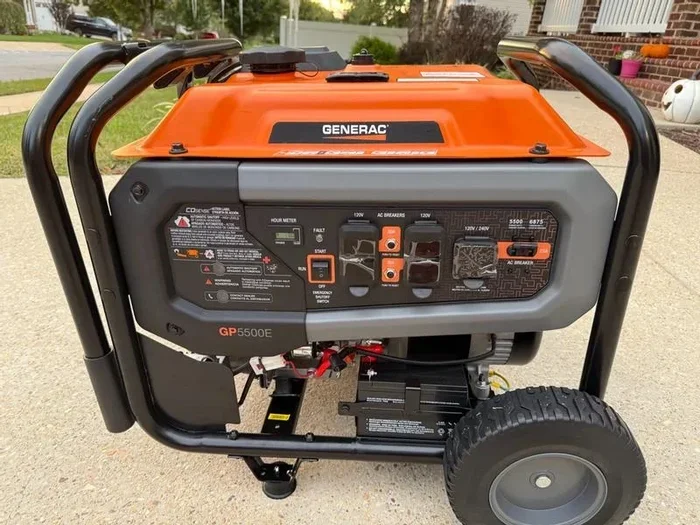
Portable generators are the go-to choice for many households. They are lightweight, easy to move, and perfect for camping trips or emergency use. Portable generator cost typically ranges from $500 to $2,500 depending on wattage and features.
These units run on gasoline or propane. They need manual setup each time you use them. You plug appliances directly into the generator using extension cords. While they are budget-friendly, they do not power your entire house automatically.
Standby Generators
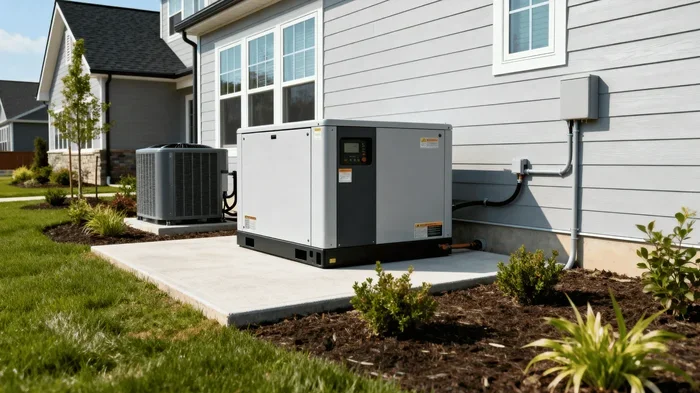
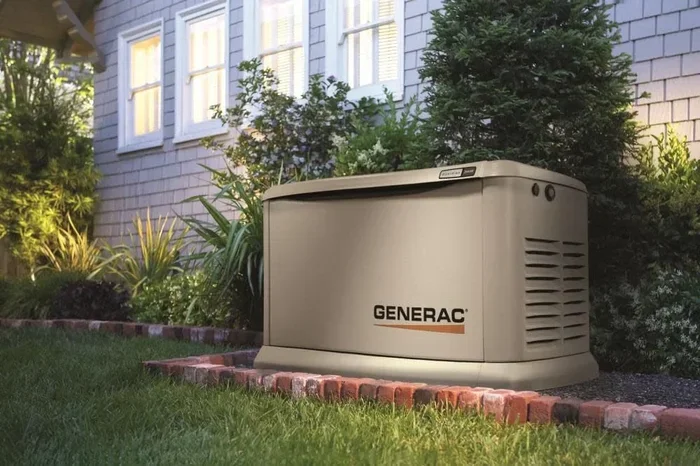
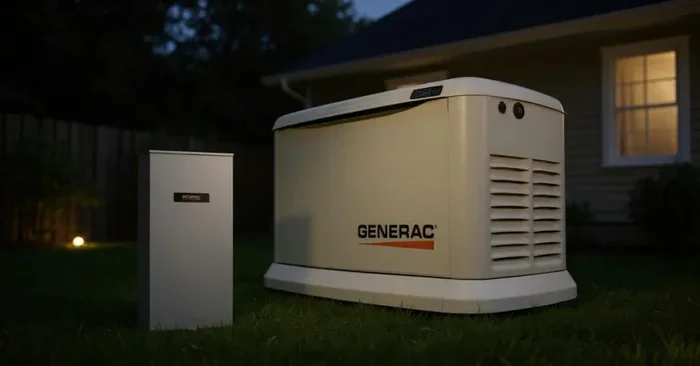
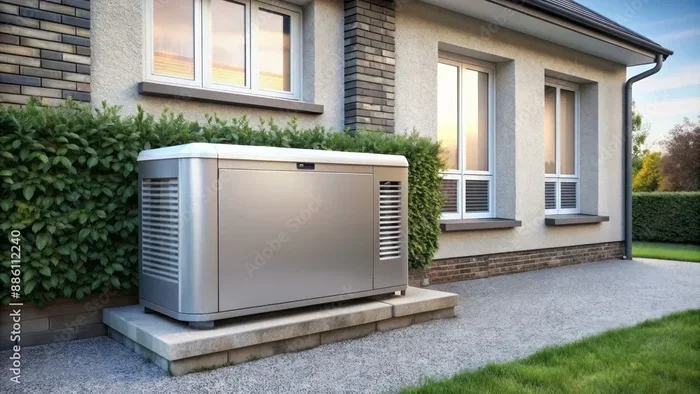
Standby generators are the heavy hitters of the backup power world. They install outside your home and kick on automatically when the power goes out. Standby generator cost for home use usually falls between $3,000 and $15,000, installed.
These units run on natural gas, propane, or diesel. They can power your entire house, including HVAC systems, refrigerators, and electronics. If you live in an area prone to storms or frequent outages, a standby generator is a game-changer.
Inverter Generators
Inverter generators produce clean, stable power safe for sensitive electronics like laptops and phones. They are more fuel-efficient and significantly quieter than traditional portable units. Inverter generator cost ranges from $800 to $4,000. They are a great middle-ground option for people who need reliable power without the bulk.
Commercial and Industrial Generators
For businesses, schools, hospitals, and construction sites, commercial generators are built to handle heavy loads for extended periods. Commercial generator cost starts around $5,000 and can exceed $50,000 for large diesel units. These systems often require professional installation and regular maintenance contracts.
Home Generator Cost Breakdown
Homeowners have different needs depending on the size of their house and how much power they want to keep running during an outage. Here is a detailed look at what you can expect to pay.
Small Home Setup (Essentials Only)
If you only need to keep lights, a fridge, and a few devices running, a portable generator works well. Expect to spend between $500 and $1,500. These units typically offer 3,000 to 7,000 watts of power. They are easy to store and use when needed.
Mid-Size Home Setup (Partial House)
For homes that need to run the fridge, furnace blower, sump pump, and some lights, a mid-size standby generator is ideal. Home generator cost for this setup ranges from $3,000 to $8,000 installed. These units usually offer 10,000 to 16,000 watts.
Whole House Generator Setup
A whole house generator keeps everything running during a blackout. Air conditioning, electric ovens, washing machines, and all your electronics stay powered. Whole house generator cost runs from $10,000 to $20,000 or more, depending on your home’s electrical demand.
Installation Costs for Home Units
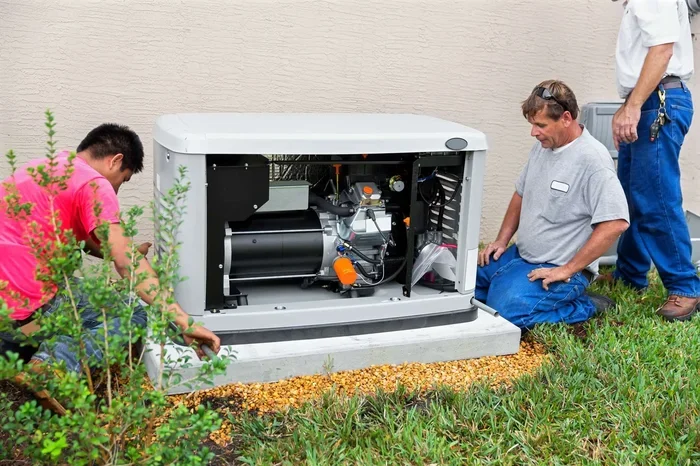
Professional installation is not optional for standby generators. A licensed electrician needs to connect the unit to your home’s electrical panel and gas supply. Generator installation cost typically runs $500 to $3,000. This includes the transfer switch, wiring, and any concrete pad needed for the unit.
Quick Tip: Always get at least three installation quotes. Prices vary by region and the complexity of your electrical setup. Ask the installer if the quote includes permits and inspection fees.
Business Generator Cost Breakdown
Businesses face higher stakes when the power goes down. Lost revenue, spoiled inventory, and disrupted operations add up fast. Choosing the right business generator cost solution requires careful planning.
Small Business Generators
Small offices, retail shops, and restaurants often need 20,000 to 50,000 watts. A commercial standby generator for a small business costs between $5,000 and $20,000 installed. This keeps essential equipment, lighting, and point-of-sale systems operational.
Medium Business Generators
Warehouses, multi-story offices, and larger retail spaces need more power. Commercial generator cost for medium-sized businesses ranges from $20,000 to $50,000. These units often run on diesel and require dedicated fuel storage and regular maintenance.
Large Industrial Generators
Hospitals, data centers, and manufacturing plants need massive backup power. Industrial generators can cost $50,000 to $150,000 or more. These systems are custom-built and require specialized installation, fuel management, and compliance with local codes.
Hidden Business Costs to Consider
- Fuel storage and delivery: Diesel generators need a reliable fuel supply. Tanks and delivery contracts add $1,000 to $5,000 annually.
- Load bank testing: Regular testing ensures the generator works when you need it most. This service costs $200 to $500 per test.
- Permits and compliance: Commercial installations often require environmental and electrical permits. Budget $500 to $1,500.
- Noise barriers: Many commercial zones have noise ordinances. Soundproof enclosures add $1,000 to $5,000 to the setup.
Fuel Costs and Long-Term Ownership Expenses
Buying a generator is only half the equation. You also need to think about what it costs to run. Fuel prices vary by region and generator type, and they add up over time.
Running Cost by Fuel Type
Gasoline generators are the most common but also the most expensive to fuel for long periods. Propane burns cleaner and is often cheaper per gallon. Natural gas is convenient if your home already has a gas line. Diesel generators are the most fuel-efficient for heavy loads but have higher fuel costs per gallon.
A typical home standby generator uses about 2 to 3 gallons of fuel per hour at full load. At current fuel prices, that translates to roughly $5 to $10 per hour of continuous operation. For businesses running generators frequently, fuel can become a major monthly expense.
Maintenance Costs
Generators need regular upkeep to stay reliable. Annual maintenance includes oil changes, filter replacements, battery checks, and general inspections. Generator maintenance cost runs $150 to $500 per year for home units. Commercial generators cost more, typically $500 to $2,000 annually, depending on size and usage.
Skipping maintenance is a false economy. A poorly maintained generator is more likely to fail when you need it most. Set up a service schedule and stick to it.
How to Choose the Right Generator for Your Needs
With so many options available, picking the right generator can feel overwhelming. Here is a practical approach to narrowing down your choices.
Step 1: Calculate Your Power Needs
Make a list of everything you want to run during an outage. Add up the wattage of each appliance and device. Remember to account for startup surge watts, which are higher than running watts for motor-driven appliances like refrigerators and air conditioners.
Step 2: Set a Realistic Budget
Decide how much you can comfortably spend upfront and over the long term. A cheaper generator might seem appealing, but factor in fuel, maintenance, and potential repair costs. Sometimes spending a bit more upfront saves money over the life of the unit.
Step 3: Consider Your Fuel Options
Think about what fuel sources are readily available in your area. If you already have natural gas service, a natural gas standby generator is a convenient choice. If you prefer independence from utility lines, propane or diesel might be better.
Step 4: Evaluate Installation Requirements
Standby generators need professional installation. Portable generators are plug-and-play but require manual operation. Consider your comfort level with setup and ongoing maintenance before making a decision.
Step 5: Read Reviews and Compare Brands
Do your homework before buying. Read customer reviews, compare warranty terms, and look for brands with strong reputations for durability. Generac, Kohler, Cummins, and Briggs & Stratton are among the most trusted names in the industry.
Expert Insight: Many homeowners underestimate their power needs. A licensed electrician can perform a load analysis to determine exactly what size generator you need. This small investment prevents the costly mistake of buying a unit that is too small or unnecessarily large.
Common Mistakes People Make When Buying a Generator
Avoiding these pitfalls can save you money, frustration, and time.
- Buying the cheapest option: Bargain generators often lack reliability and safety features. They may also void your home insurance if they cause electrical issues.
- Ignoring fuel availability: During extended outages, fuel supply can become scarce. Choose a fuel type that remains accessible in your area.
- Skipping professional installation: Improper installation is dangerous and can damage your home’s electrical system. Always hire a licensed professional.
- Neglecting regular maintenance: A generator that sits unused for months may not start when you need it. Run the unit periodically and keep up with service schedules.
- Not checking local codes: Many areas have noise ordinances, setback requirements, and permitting rules for generators. Check with your local building department before purchasing.
The Future of Home and Business Backup Power
The generator industry is evolving fast. New technologies are making backup power smarter, cleaner, and more efficient. Solar-powered generators and hybrid systems are gaining popularity among homeowners who want to reduce their reliance on fossil fuels. Battery backup systems, like the Tesla Powerwall, are emerging as alternatives to traditional generators for short outages.
For businesses, smart generators with remote monitoring allow owners to check status and fuel levels from a smartphone. These connected systems can alert you to maintenance needs before a breakdown occurs. As energy prices fluctuate and extreme weather events become more common, investing in reliable backup power makes more sense than ever.
Whether you choose a traditional fuel-powered unit or explore newer hybrid options, the key is to plan ahead. Knowing how much does a generator cost is the first step toward making a confident, informed decision that protects your home or business when the lights go out.
Conclusion
The generator cost for home and business use varies a lot, but the right choice always comes down to your specific needs. Portable units offer affordable, flexible power for occasional use. Standby generators provide seamless, automatic backup for entire homes. Commercial generators keep businesses running through any outage.
Remember to factor in not just the purchase price but also installation, fuel, and ongoing maintenance costs. A well-chosen generator pays for itself the first time it keeps your lights on and your appliances running. Take the time to size your unit correctly, compare brands, and work with trusted professionals for installation and service.
Now that you understand the full picture of generator prices, you are ready to make a smart investment. Protect what matters most with the right backup power solution for your home or business.
Frequently Asked Questions
What is the average cost of a generator for a typical home?
For most homes, the average cost falls between $3,000 and $10,000 for a standby generator, including professional installation. Portable models are much cheaper, ranging from $500 to $2,500. Your exact price depends on the size of your home and how much power you need to keep running during an outage.
How much does it cost to run a generator per hour?
A typical home standby generator uses 2 to 3 gallons of fuel per hour at full load. At current fuel prices, that translates to roughly $5 to $10 per hour. Inverter generators and diesel models are more fuel-efficient, which can lower your hourly running cost significantly.
Is it cheaper to buy a portable or standby generator?
Portable generators are much cheaper upfront, usually costing $500 to $2,500. Standby generators cost more, from $3,000 to $15,000 installed, but they offer automatic startup and can power your entire home. The right choice depends on your budget and how much backup power you actually need.
Do I need a permit to install a home generator?
In most areas, yes. You will likely need an electrical permit and possibly a zoning or building permit for a standby generator installation. Permit costs range from $50 to $500 depending on your local government. Always check with your building department before starting the project.
How often should I maintain my generator?
Home generators should receive professional maintenance at least once a year. This includes an oil change, filter replacement, battery check, and a test run. Businesses with heavily used generators may need service every 200 to 500 operating hours or quarterly, whichever comes first.
Can a generator increase my home’s resale value?
Yes, a professionally installed standby generator can boost your home’s resale value. Buyers in areas prone to power outages see backup power as a major convenience and safety feature. A whole house generator can add several thousand dollars to your property’s perceived value and marketability.