How Much Is a Generator A Complete Cost Breakdown Guide
So how much is a generator, really? The answer depends on the type, size, and fuel source — prices range from under $500 for small portable models to over $20,000 for whole house standby systems. This guide breaks down every cost so you can budget with confidence and pick the right generator cost for your home or job site.
Have you been searching for how much is a generator and feeling overwhelmed by all the numbers out there? You are not alone. Generator prices span a huge range, and the final cost depends on several factors you need to understand before spending a single dollar.
Whether you need backup power for your home during storms or a reliable portable generator for your next camping trip, knowing the real costs helps you make a smart choice. This guide walks you through every price point, hidden fees, and ongoing expenses so nothing catches you off guard.
Let us break it all down in simple terms. By the end, you will know exactly what to expect and how to budget for your home generator purchase with confidence.
Key Takeaways
- Portable generators cost between $500 and $2,500 and are great for camping, tailgating, and short-term power needs.
- Standby generators range from $3,000 to $8,000 and kick in automatically during power outages.
- Whole house generators can cost $10,000 to $20,000+ but keep your entire home running smoothly.
- Installation costs add $500 to $5,000+ depending on complexity and local requirements.
- Running costs vary by fuel type, with propane and natural gas typically being cheaper long-term than diesel.
- Choosing the right size saves money — oversized units waste fuel, and undersized ones won’t power what you need.
- Maintenance keeps generators running reliably and prevents costly emergency repairs down the road.
📑 Table of Contents
What Makes Generator Prices Vary So Much?
The short answer is that not all generators are created equal. A small unit for your RV costs a very different amount from a massive whole house generator that powers every appliance in your home. Let us look at the main factors that drive the price.
Type of Generator
The biggest factor in generator cost is the type you choose. Portable generators are the most affordable option. Standby generators sit in the middle range. And whole house standby units sit at the top of the price ladder. Each type serves a different purpose, and that purpose directly affects the price tag.
Power Output and Wattage
Generators are rated by wattage, and higher wattage means a higher price. A 3,000-watt generator might cost a few hundred dollars, while a 20,000-watt generator can easily reach four figures. Think about what you actually need to power before you buy. Overspending on extra capacity you will never use does not make sense.
Fuel Type
Fuel type plays a big role too. Gasoline generators are common and affordable upfront. Propane generators offer longer shelf life for fuel storage. Diesel generators tend to be more durable but cost more. And natural gas generators connect to your existing gas line, which can lower long-term fuel costs.
Brand and Build Quality
Brand reputation matters. Well-known generator brands like Honda, Generac, Kohler, and Briggs & Stratton often charge more, but they also tend to last longer and run quieter. A budget brand might save you money upfront but could cost more in repairs over time.
Portable Generator Prices
Portable generators are the most popular choice for people who need temporary power. They are easy to move, simple to use, and come in a wide range of sizes and prices.
Entry-Level Portable Generators ($500–$1,000)
These smaller units typically offer between 1,000 and 3,000 watts. They work well for charging phones, running a few lights, or powering a small refrigerator. Brands like Westinghouse and DuroMax offer solid options in this range. They are perfect for occasional use and budget-conscious buyers.
Mid-Range Portable Generators ($1,000–$2,500)
In this range, you get more wattage, better fuel efficiency, and quieter operation. Many models in this bracket include inverter technology, which produces clean power safe for sensitive electronics like laptops and TVs. The Honda EU2200i is a popular choice here and is often considered one of the best portable generators on the market.
High-End Portable Generators ($2,500–$5,000)
These units deliver serious power, often 5,000 watts or more, with advanced features like electric start, multiple outlets, and parallel capability. They are ideal for job sites, RV travel, or homeowners who want reliable backup power without installing a standby unit.
Quick Tips for Buying a Portable Generator
- Always check the running wattage and starting wattage before buying.
- Look for inverter models if you plan to power electronics.
- Consider fuel tank size — larger tanks mean fewer refills.
- Read reviews for noise levels, especially if you camp or live in a neighborhood.
Standby Generator Costs
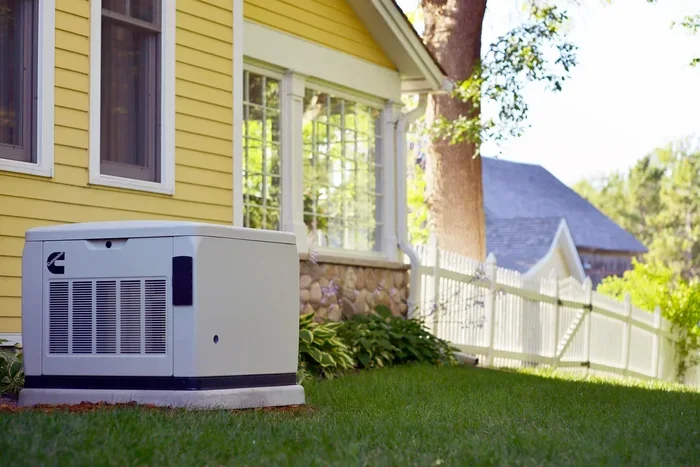
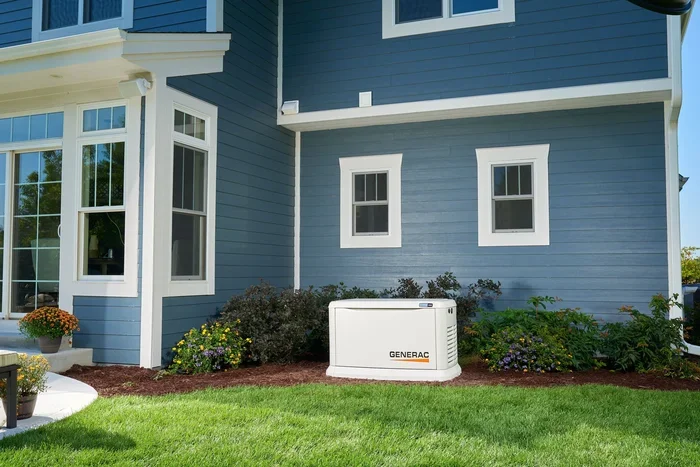
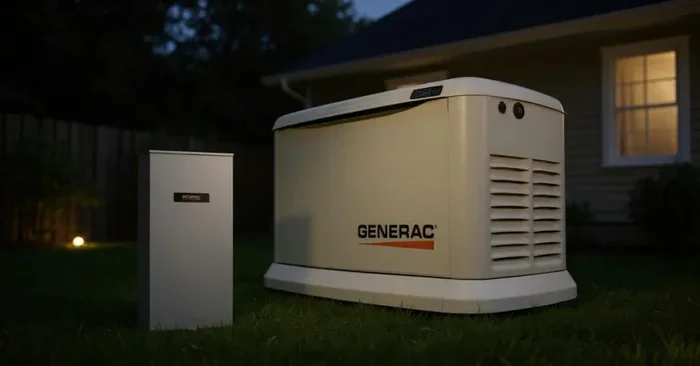
A standby generator sits outside your home and turns on automatically when the power goes out. These are also called home backup generators, and they are a step up from portable units in both price and capability.
Small Standby Generators ($3,000–$5,000)
These units typically provide 7,000 to 12,000 watts. They can keep essential circuits running during an outage — think lights, refrigerator, furnace blower, and a few outlets. They are a popular choice for homeowners who want reliable emergency power without a massive investment.
Medium Standby Generators ($5,000–$8,000)
Mid-range standby generators offer 15,000 to 20,000 watts. These can handle most of a home’s electrical needs, including central air conditioning and multiple kitchen appliances. Generac and Briggs & Stratton offer strong options in this price range.
Large Standby Generators ($8,000–$15,000)
Large standby units deliver 22,000 watts or more. They are designed for bigger homes or homes with high energy demands. These generators often include advanced features like Wi-Fi monitoring, automatic load management, and dual-fuel capability.
Whole House Generator Costs
If you want the full package — power for everything in your home, no matter what — a whole house generator is the way to go. These units are also known as residential standby generators and represent the biggest investment in home backup power.
Basic Whole House Generators ($10,000–$15,000)
These units start at around 22,000 watts and can handle most homes up to 2,500 square feet. They cover all essential circuits and most comfort systems. Installation typically adds another $1,000 to $3,000 to the total cost.
Premium Whole House Generators ($15,000–$20,000+)
Premium models offer 30,000+ watts and can power large homes with multiple HVAC systems, hot tubs, and workshop tools. Brands like Kohler and Generac lead this category. These units often include advanced sound enclosures, remote monitoring, and extended warranty coverage.
Cost Comparison Table
| Generator Type | Price Range | Best For |
|---|---|---|
| Entry-Level Portable | $500–$1,000 | Basic needs, camping, tailgating |
| Mid-Range Portable | $1,000–$2,500 | RV trips, job sites, small homes |
| High-End Portable | $2,500–$5,000 | Heavy-duty portable power |
| Small Standby | $3,000–$5,000 | Essential home circuits |
| Medium Standby | $5,000–$8,000 | Most home needs including AC |
| Large Standby | $8,000–$15,000 | Large homes, high energy use |
| Basic Whole House | $10,000–$15,000 | Full home backup, up to 2,500 sq ft |
| Premium Whole House | $15,000–$20,000+ | Large homes, all appliances |
Installation and Hidden Costs
Here is where many buyers get surprised. The generator price tag is only part of the story. Installation and ongoing costs can add thousands to the total.
Installation Costs
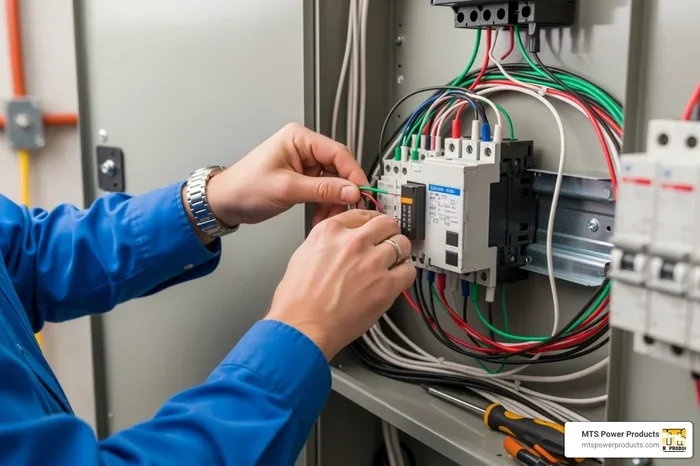
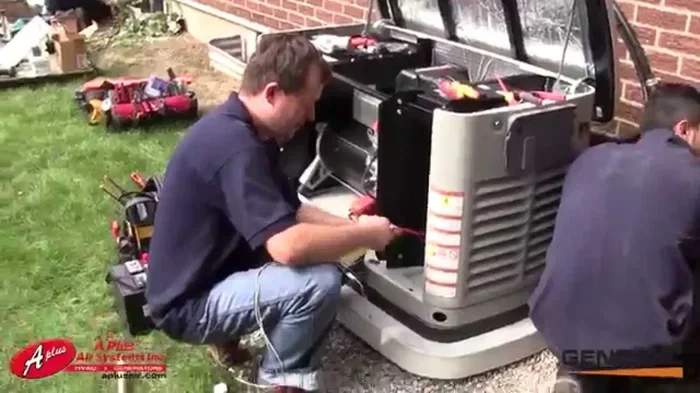
Portable generators need no professional installation, so you save there. But standby and whole house generators require a licensed electrician and often a building permit. Generator installation cost typically runs between $500 and $5,000 depending on your location, the complexity of the setup, and whether you need a new gas line or electrical panel upgrade.
Transfer Switch Costs
A transfer switch is essential for standby and whole house generators. It safely connects your generator to your home’s electrical system. Manual transfer switches cost $300 to $800. Automatic transfer switches cost $800 to $2,000 installed. This is a cost you cannot skip — it protects your home and your generator.
Fuel and Maintenance Costs
Running a generator is not free. Generator fuel consumption varies by size and fuel type. A typical standby generator uses 2 to 3 gallons of propane or natural gas per hour at half load. Over a multi-day outage, fuel costs can add up fast.
Generator maintenance is another ongoing expense. You should change the oil, replace air filters, and test the unit regularly. Annual maintenance costs typically run $150 to $300. Skipping maintenance can lead to expensive repairs or a unit that fails when you need it most.
Common Mistakes That Increase Costs
- Buying too small: An undersized generator will overload and shut down, potentially damaging both the generator and your appliances.
- Skipping the transfer switch: This is dangerous and can backfeed electricity into utility lines, creating a serious safety hazard.
- Ignoring local permits: Failing to get proper permits can result in fines and forced removal of the unit.
- Choosing fuel without considering storage: Gasoline degrades over time. Propane and natural gas are more stable for long-term storage.
- Forgetting about sound ordinances: Some neighborhoods have strict noise rules that may limit which generators you can install.
How to Choose the Right Generator for Your Budget
Now that you understand the costs, let us talk about how to pick the right generator size for home without overspending.
Step 1: List What You Need to Power
Make a list of the appliances and devices you want to keep running during an outage. Add up their wattage. This gives you a clear target for the generator wattage you need. Most homes need between 5,000 and 7,500 watts to cover essentials.
Step 2: Decide Between Portable and Standby
If you only need power occasionally, a portable generator makes sense. If you want automatic backup during storms and outages, invest in a standby unit. The generator price difference is significant, but the convenience and protection of a standby system are hard to beat.
Step 3: Consider Fuel Availability in Your Area
Natural gas is widely available in many areas and connects directly to your home’s gas line. Propane requires tank delivery or installation. Gasoline is easy to find but degrades over time. Diesel is efficient but has a higher upfront cost. Choose the fuel that makes the most sense for your situation.
Step 4: Factor in Long-Term Costs
A cheaper generator might seem like a deal, but higher fuel consumption and frequent repairs can make it more expensive over time. Look at the total cost of ownership — purchase price plus installation plus fuel plus maintenance — when comparing options.
Expert Insight: What Professionals Recommend
“The best generator is the one that matches your actual needs,” says Mark Thompson, a licensed electrician with over 15 years of experience. “I see too many homeowners buy the cheapest option and then regret it when it cannot handle their load. Spend time calculating your power needs first. It saves money and frustration in the long run.”
How Much Does It Cost to Run a Generator?
The cost to run a generator depends on fuel type, load, and hours of operation. Here is a simple breakdown:
Propane: A typical home standby generator burns about 2 to 3 gallons per hour at half load. At current propane prices, that works out to roughly $3 to $5 per hour of operation.
Natural Gas: Natural gas is measured in therms. A standby generator might use 20 to 30 cubic feet per hour, which translates to about $1 to $3 per hour depending on your local gas rates.
Gasoline: Portable gasoline generators use about 0.5 to 1 gallon per hour. At current fuel prices, that is roughly $2 to $4 per hour.
Diesel: Diesel generators are the most fuel-efficient option, using about 1 to 1.5 gallons per hour. Diesel fuel costs more per gallon, but the efficiency means lower overall fuel costs for extended use.
For a multi-day outage, these hourly costs can add up. Keeping a fuel supply on hand and using your generator efficiently — by running only essential circuits — helps control expenses.
Quick Tips to Reduce Generator Running Costs
- Use a load management system to prioritize essential circuits only.
- Run your generator at 50 to 75 percent load for best fuel efficiency.
- Store fuel properly to avoid waste and spoilage.
- Schedule regular maintenance to keep the engine running efficiently.
- Consider a dual-fuel model for flexibility and cost savings.
Are Generators Worth the Investment?
This is the question every buyer should ask. And the answer depends on your situation. If you live in an area prone to severe weather and frequent power outages, a standby or whole house generator is absolutely worth it. The peace of mind alone is valuable.
If you live in an area with reliable power and only need occasional backup, a portable generator is a smart, affordable choice. It handles camping trips, job sites, and occasional outages without the big upfront investment.
For homeowners who work from home, a generator is more than a convenience — it is a necessity. A power outage can cost hundreds of dollars in lost productivity. A reliable home backup power system protects both your comfort and your income.
Common Mistakes to Avoid When Buying a Generator
- Not reading the fine print: Check warranty terms, fuel requirements, and noise ratings before buying.
- Ignoring local regulations: Some areas restrict generator use or require specific safety equipment.
- Underestimating installation needs: Electrical upgrades, gas line work, and concrete pads all add to the total cost.
- Buying used without inspection: A used generator may need expensive repairs soon after purchase.
- Overlooking sound levels: A loud generator can disturb neighbors and violate local noise rules.
Final Thoughts
The answer to how much is a generator is not a single number. It depends on the type, size, fuel source, installation needs, and ongoing costs. Portable generators start around $500 and can reach $5,000. Standby units range from $3,000 to $15,000. And whole house generators can cost $10,000 to $20,000 or more.
The key is to know your power needs, set a realistic budget, and factor in all the costs — not just the purchase price. With the right generator, you get reliable backup power that keeps your home running when the grid goes down. Take your time, do your research, and choose a unit that fits both your budget and your lifestyle.
Start by calculating what you need to power. Compare a few models in your price range. And do not forget to budget for installation and ongoing maintenance. A well-chosen generator is one of the best investments you can make for your home and your family’s comfort.
Frequently Asked Questions
What is the average cost of a generator for a home?
The average cost depends on the type. Portable generators typically cost $500 to $5,000. Standby generators range from $3,000 to $15,000. Whole house generators can run $10,000 to $20,000 or more, including installation. Your actual generator cost will depend on the size, fuel type, and brand you choose.
How much does it cost to install a standby generator?
Professional installation typically costs between $500 and $5,000. The price varies based on your location, electrical panel type, gas line requirements, and local building codes. Permit fees and any necessary electrical upgrades can also affect the total generator installation cost.
What size generator do I need for my house?
For essential circuits like lights, refrigerator, and furnace, a 5,000 to 7,500-watt generator works well. For a full home with air conditioning and multiple appliances, you need 15,000 to 25,000 watts. Calculate your total wattage needs before choosing a generator size for home to avoid overspending or underpowering.
Which fuel type is cheapest for running a generator?
Natural gas is usually the cheapest fuel for standby generators because it connects to your existing gas line. Propane is also affordable and stores well. Diesel is the most fuel-efficient for heavy use. Gasoline is convenient but costs more for extended operation. Your local fuel prices will determine the actual cost to run a generator.
How often do generators need maintenance?
Most manufacturers recommend annual maintenance for standby and whole house generators. This includes oil changes, filter replacements, and system tests. Portable generators need less frequent maintenance but should still be serviced yearly if used regularly. Regular generator maintenance prevents breakdowns and extends the unit’s lifespan.
Can I save money by buying a used generator?
You can save money upfront, but used generators carry risks. Older units may need costly repairs soon after purchase, and warranties are often void. If you buy used, have a qualified technician inspect it first. Sometimes a slightly more expensive new unit with a warranty saves more money in the long run than a cheap used one.