How Does a Generac Generator Work And What Makes It Tick
A Generac generator converts fuel into electrical power through a simple but effective engine and alternator system. Understanding how a Generac generator works helps you choose the right model and keep it running smoothly for years. This guide breaks down every step, from combustion to electricity, so you can trust your backup power when you need it most.
Power outages happen when you least expect them. Storms roll in, grids fail, and suddenly you are sitting in the dark wondering what to do next. This is where a Generac generator becomes your best friend. But have you ever stopped to wonder how a Generac generator actually works? It is not magic. It is clever engineering packed into a machine that can keep your lights on and your fridge running.
Whether you own a portable generator for camping trips or a whole-home standby generator that kicks in automatically during a power outage, knowing how the machine works gives you confidence. You will understand what is happening inside that engine, why certain sounds are normal, and how to keep it running strong for years. Let us break it all down in simple terms.
This guide walks you through every major part of the process. From the generator engine to the alternator, from fuel options to safety features, you will find everything you need to know. By the end, you will have a clear picture of how a Generac generator works and why these machines are so trusted by homeowners across the country.
Key Takeaways
- Generac generators use a small engine and alternator to turn fuel into usable electricity for your home or job site.
- The four-stroke engine cycle is the core process that drives power generation in every Generac unit.
- Generac offers both portable and standby models, each designed for different power needs and fuel types.
- Smart safety features like low-oil shutdown and automatic voltage regulation protect your generator and your appliances.
- Regular maintenance, including oil changes and fuel system care, keeps your Generac running reliably for years.
- Understanding wattage, surge power, and fuel options helps you pick the right Generac model for your situation.
📑 Table of Contents
- What Happens Inside a Generac Generator Engine
- How a Generac Generator Turns Fuel Into Electricity
- Fuel Types and What Powers a Generac Generator
- Smart Safety Features That Protect Your Generator
- Portable vs Standby Generac Generators Compared
- Keeping Your Generac Generator Running Smoothly
- Expert Tips for Getting the Most from Your Generac
- Conclusion
What Happens Inside a Generac Generator Engine
The heart of every Generac generator is its engine. Think of it like the engine in your car, but smaller and built specifically to run at a steady speed for hours. The engine burns fuel to create mechanical energy, and that energy is what makes electricity possible.
The Four-Stroke Combustion Cycle
Generac engines work on a four-stroke cycle. This means the piston moves up and down four times to complete one full power cycle. Let us walk through each stroke.
Intake Stroke: The piston moves down and pulls in a mix of air and fuel. This is like breathing in. Without this step, there is nothing to burn.
Compression Stroke: The piston moves back up and squeezes the air-fuel mix tightly. Compression is key because it makes the combustion much more powerful.
Power Stroke: A spark plug ignites the compressed mix. The explosion pushes the piston down with real force. This is the stroke that actually creates power.
Exhaust Stroke: The piston moves up again and pushes the burned gases out through the exhaust valve. Then the cycle starts over.
This cycle repeats thousands of times per hour. The steady spinning of the crankshaft is what ultimately drives the alternator to produce electricity. It is a continuous loop that never stops while the engine is running.
How the Engine Connects to the Alternator
The engine connects directly to the alternator through a shaft. When the engine spins, the alternator spins too. Inside the alternator, there are coils of wire and magnets. As the magnets spin past the coils, they create an electrical current. This process is called electromagnetic induction.
Generac designs their generator engines to run at a consistent 3600 RPM. This speed is important because it produces a steady 60-hertz electrical output, which is exactly what most household appliances need. If the speed fluctuates, the power quality drops and sensitive electronics could get damaged.
How a Generac Generator Turns Fuel Into Electricity
Now that you understand the engine, let us look at the bigger picture. How does the whole system work together to give you usable electricity? The process is simpler than you might think.
The Alternator and Power Generation Process
The alternator is where the real magic happens. It takes the mechanical energy from the spinning engine and converts it into electrical energy. Here is how it works step by step.
First, the engine starts and spins the alternator shaft. Inside the alternator, a rotor spins inside a stator. The rotor contains magnets or electromagnets. As it spins, it creates a moving magnetic field around the copper wires in the stator. This moving magnetic field pushes electrons through the wires, creating an electrical current.
That current comes out as AC power, which is the same type of electricity that flows through your wall outlets. Generac generators produce clean, stable AC power that is safe for your electronics, lights, and appliances.
Understanding Wattage and Power Output
Not all generators produce the same amount of power. That is where wattage comes in. You will see two numbers on every Generac unit: running wattage and surge wattage.
Running wattage is the continuous power the generator can supply. This is what keeps your fridge, lights, and fans going. Surge wattage is the extra burst of power needed when a motor starts up, like your air conditioner or well pump.
Here is a quick example. If you want to run a fridge (700 watts), a few lights (200 watts), and a microwave (1000 watts), you need at least 1900 running watts. Add a surge buffer and you might want a 3000-watt unit. Always check your power output needs before buying.
| Appliance | Running Watts | Surge Watts |
|---|---|---|
| Refrigerator | 700 | 2200 |
| Microwave | 1000 | 1500 |
| Window AC Unit | 1200 | 3600 |
| Lights (4 bulbs) | 200 | 200 |
| Total | 3100 | 7500 |
This table shows why it is so important to add up your power needs. A portable generator rated at 3500 running watts can handle this setup, but you would not want to push it to the limit every day.
Fuel Types and What Powers a Generac Generator
One of the best things about Generac is the variety of fuel options. Different models run on different fuels, and each has its own advantages. Let us look at what powers these machines.
Portable Models and Gasoline Fuel
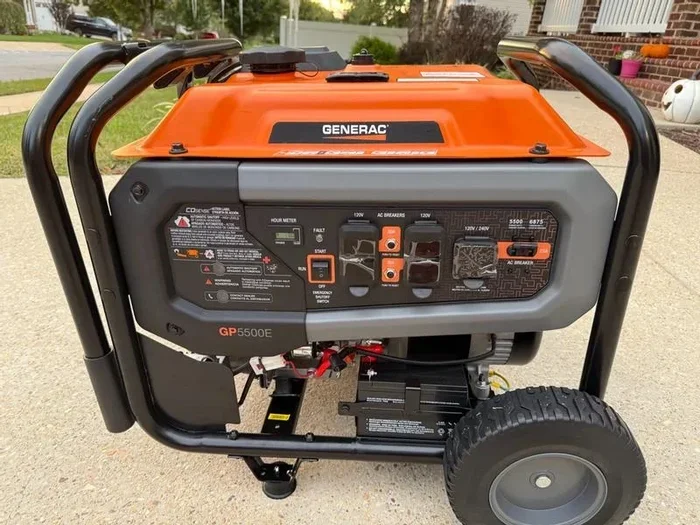
Most portable generator models run on regular gasoline. Gasoline is easy to find at any gas station. It stores well for short-term use, and portable units are designed to be lightweight and mobile.
Gasoline-powered Generac units are great for camping, job sites, and short-term backup power. They typically run for 8 to 12 hours on a full fuel tank, depending on the load. The tradeoff is that gasoline has a shorter shelf life than other fuels. If you store fuel for emergencies, you will want to use it within a few months or add a stabilizer.
Standby Units and Propane or Natural Gas
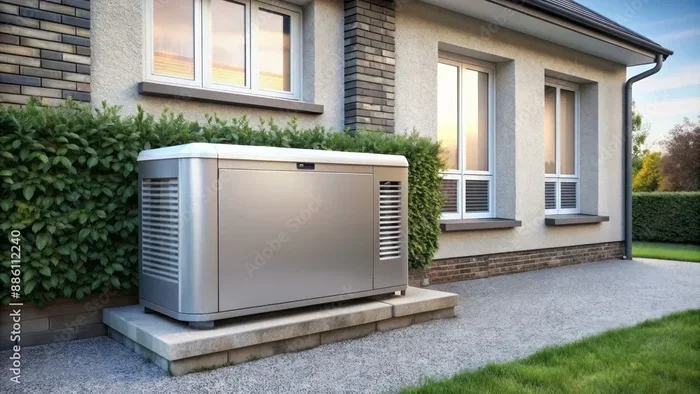
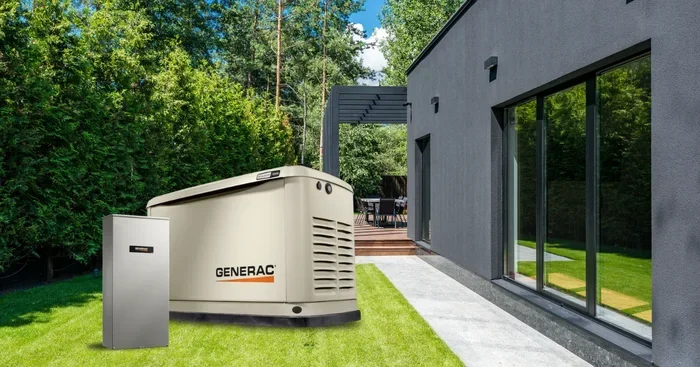
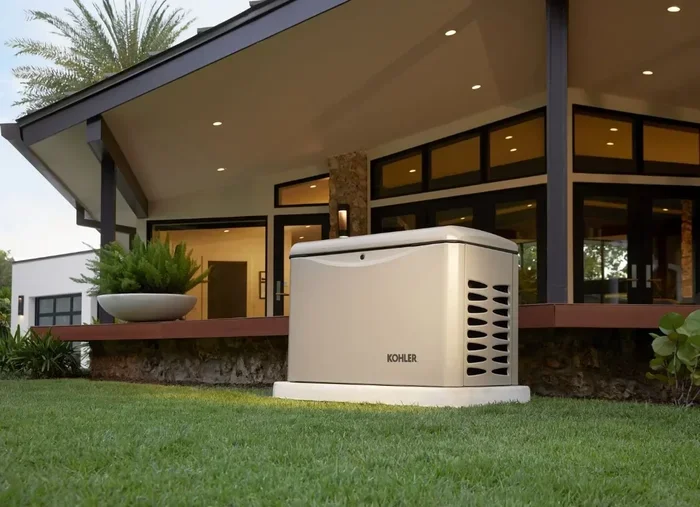
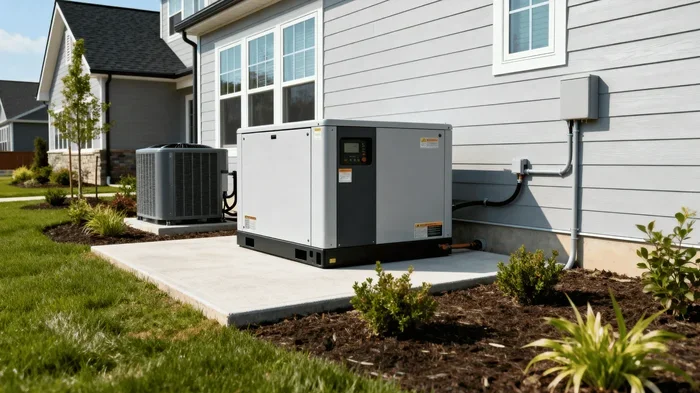
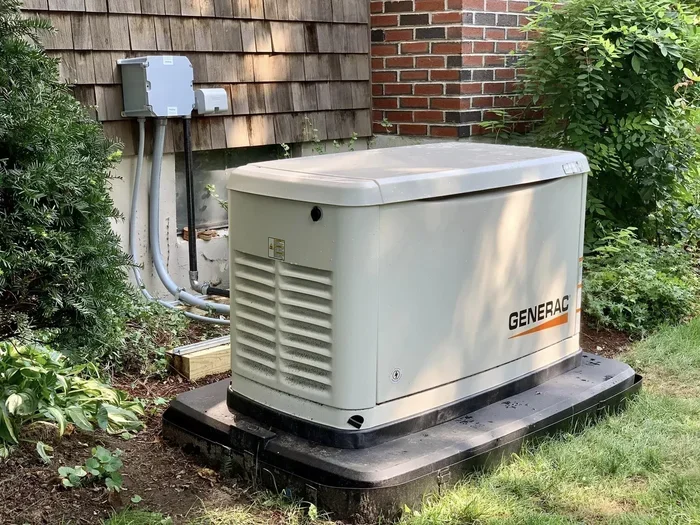
Standby generators are a different story. These permanent units connect directly to your home’s fuel supply. Many run on propane or natural gas, which means you never have to worry about refilling a tank.
Propane burns clean and lasts indefinitely in storage. Natural gas connects straight from your utility line, so you always have fuel available. Standby units also start automatically when the power goes out. You might be watching TV and suddenly the generator kicks in. You barely notice the switch. That is the beauty of a backup power system.
Smart Safety Features That Protect Your Generator
Generac builds smart safety features into every model. These features protect the machine, your home, and your family. They also make generator maintenance simpler and safer.
Low-Oil Shutdown and Automatic Voltage Regulation
The low-oil shutdown is one of the most important safety features. If the oil level drops too low, the engine shuts off automatically. This prevents the engine from running dry and seizing up. It is a small feature that saves you from expensive repairs.
Automatic voltage regulation keeps the electrical output steady. Without it, voltage spikes could fry your electronics. Generac units monitor the voltage and adjust the engine speed as needed to maintain a clean, consistent power supply.
The Role of the Automatic Transfer Switch
If you have a standby generator, you likely have an automatic transfer switch (ATS). The ATS is the brain that connects your generator to your home’s electrical panel. When the grid goes down, the ATS detects the outage, signals the generator to start, and transfers your load to the generator. When power returns, it switches you back to the grid.
The whole process takes about 10 to 30 seconds. You do not need to be home or flip any switches. The electric start system makes it even easier. Just press a button or set it on auto, and the generator handles the rest.
Portable vs Standby Generac Generators Compared
Generac makes two main categories of generators: portable and standby. Each serves a different purpose, and knowing the difference helps you make the right choice.
| Feature | Portable Generators | Standby Generators |
|---|---|---|
| Power Source | Gasoline | Propane or Natural Gas |
| Power Output Range | 2000W to 7500W | 7000W to 24000W+ |
| Startup | Manual (pull or electric start) | Automatic (starts on power loss) |
| Installation | None needed, carry it anywhere | Professional installation required |
| Runtime | 8-12 hours per tank | Unlimited with fuel supply |
| Best For | Camping, jobsites, short outages | Whole-home backup, long outages |
| Price Range | $500 – $2000 | $3000 – $15000+ |
Which Type Fits Your Home and Needs
If you just need power for a few essentials during a short outage, a portable generator works great. They are affordable, easy to move, and simple to operate. You can take one camping or to a tailgate party too.
If you want peace of mind for your entire household, a standby generator is the way to go. It sits outside your home, connects to your fuel line, and turns on automatically. You never have to think about it. It just works.
Many homeowners start with a portable unit and later upgrade to a standby system. Both are excellent choices. It all comes down to your budget, your power needs, and how much convenience you want.
Keeping Your Generac Generator Running Smoothly
A well-maintained generator lasts longer and performs better. Generator maintenance does not have to be complicated. A few simple habits keep your machine ready to go whenever you need it.
Routine Maintenance Tips
Here are the most important maintenance tasks for any Generac unit:
- Check the oil regularly. Change it every 100 hours of use or at least once a season. Fresh oil keeps the engine lubricated and cool.
- Inspect the air filter. A dirty air filter reduces engine performance. Clean it monthly and replace it when it looks worn.
- Use fresh fuel. Old gasoline breaks down and can clog the carburetor. If you store fuel, add a stabilizer and use it within 30 days.
- Run the generator monthly. Even if you do not need it, run it for 15 to 20 minutes under load. This keeps the engine in good shape and the fuel system clear.
- Check the spark plug. A worn spark plug causes hard starts and poor performance. Replace it once a year or every 200 hours.
- Keep the unit clean. Remove debris from the cooling vents and exterior. Good airflow prevents overheating.
Common Mistakes to Avoid
Even the best generators can develop problems if you make certain mistakes. Here are a few to watch out for.
Running the generator without load. Operating a generator with no appliances connected can cause wet stacking. This builds up unburned fuel in the exhaust system and reduces efficiency. Always run the generator with some load whenever possible.
Overloading the unit. Plugging in too many appliances at once can trip the breaker or damage the generator. Add up your wattage needs before you start using the generator.
Ignoring the low-oil warning. If your unit shuts off with a low-oil warning, do not just restart it. Check the oil level first. Running on low oil can cause serious engine damage.
Skipping the automatic transfer switch. Never connect a generator directly to your home’s wiring without an ATS. This is dangerous and can backfeed electricity into the grid, creating a serious hazard for utility workers.
Expert Tips for Getting the Most from Your Generac
Here are some practical tips that experienced Generac users swear by. These small habits make a big difference over time.
First, invest in a good surge protector for your connected devices. Even with automatic voltage regulation, power surges can happen. A surge protector adds an extra layer of defense for your sensitive electronics.
Second, keep a maintenance log. Write down every oil change, filter replacement, and inspection date. This helps you stay on track and makes it easy to spot patterns if something goes wrong.
Third, place your portable generator in a well-ventilated area. Never run it indoors or in a garage. Carbon monoxide from the engine exhaust is deadly. Always keep the exhaust pointing away from windows and doors.
Fourth, consider a fuel stabilizer for standby models that use propane. While propane itself has an indefinite shelf life, the rubber seals and fuel lines in the system can degrade over time. Inspect these components annually.
Fifth, know your unit’s runtime at different loads. A Generac generator running at 25% load will last much longer than one running at 75% load. Plan your power usage to keep the load moderate. This saves fuel and reduces wear on the engine.
These tips come from real-world experience. They help you get the most out of your investment and keep your backup power system ready for anything.
Conclusion
Understanding how a Generac generator works gives you more than just technical knowledge. It gives you confidence. You know what is happening inside that machine, why it makes the sounds it does, and how to take care of it properly.
From the four-stroke generator engine to the alternator that produces electricity, every part plays a role. The fuel tank feeds the engine. The engine spins the alternator. The alternator creates electrical current. The automatic transfer switch delivers that power to your home. It is an elegant process that works reliably every time.
Whether you choose a portable generator for flexibility or a standby generator for automatic whole-home protection, Generac has a model that fits your needs. The key is to maintain it properly, use it safely, and understand what it can do.
Now that you know how a Generac generator works, you are better equipped to make smart decisions about your power backup. Keep this guide handy, follow the maintenance tips, and you will have reliable power whenever you need it most.
Frequently Asked Questions
How long does a Generac generator last?
With proper maintenance, a Generac portable generator can last 10 to 15 years, and a standby generator can last 20 to 30 years. Regular oil changes, filter replacements, and seasonal run tests all contribute to a longer lifespan.
Can I use a Generac generator to power my entire house?
Yes, standby Generac generators can power an entire house. The key is to choose a unit with enough power output to match your home’s electrical needs. A professional installer can help you size the generator correctly and connect it with an automatic transfer switch.
What fuel does a Generac standby generator use?
Most Generac standby generators run on either propane or natural gas. Some models are dual-fuel, meaning they can switch between the two. Natural gas connects directly to your utility line, while propane requires a separate tank.
How often should I run my Generac generator?
You should run your Generac generator at least once a month under a light load for 15 to 30 minutes. This keeps the engine lubricated, the fuel system clear, and the battery charged if your unit has an electric start.
Is it safe to run a Generac generator in the rain?
Generac generators are not designed to operate in heavy rain or standing water. Moisture can damage the electrical components and create safety hazards. Use a generator tent or cover designed for outdoor use, and always place the unit on a dry, level surface.
What is the difference between running watts and surge watts?
Running watts are the continuous power a generator can supply. Surge watts are the extra power available for a short burst, typically when a motor starts up. Your generator must handle both to run appliances safely without tripping the breaker.