What Kind of Generator Do I Need for My House Today
Choosing the right generator for your house depends on your power needs, budget, and fuel preference. A whole house standby generator keeps everything running during an outage, while a portable option works for essentials only. This guide walks you through generator sizing, fuel types, and installation tips so you can make a confident decision.
Power outages happen when you least expect them. Storms hit, grids fail, and suddenly your fridge stops, your lights go dark, and your heating or cooling shuts down. That is where a home generator becomes your best friend. But here is the question everyone asks: what kind of generator do I need for my house?
The answer is not one-size-fits-all. Your perfect generator depends on several factors. These include your home size, your electrical needs, your budget, and how long you want power during an outage. This guide breaks it all down in plain, simple terms. By the end, you will know exactly what to look for and how to choose with confidence.
Let us walk through everything you need to know. No jargon. No confusion. Just clear, helpful advice that puts you in the driver seat of your backup power decision.
Key Takeaways
- Know your wattage needs: A load calculation tells you the right generator size for your home.
- Standby generators are best for full-home backup: They kick in automatically when power goes out.
- Portable generators are affordable but limited: Great for temporary use and essential circuits only.
- Fuel choice matters: Natural gas, propane, and diesel each have pros and cons for home use.
- Professional installation is key: Safe setup includes an automatic transfer switch and proper ventilation.
- Budget varies widely: Expect to pay $1,000 for a portable unit and $5,000-$15,000 for a whole house standby system.
- Maintenance keeps it running: Regular testing and servicing extend your generator lifespan significantly.
📑 Table of Contents
- Understanding Your Home Power Needs
- Types of Generators for Houses
- How to Size the Right Generator
- Fuel Types and What Works Best
- Installation and Safety Considerations
- Top Generator Brands Worth Considering
- Cost Considerations and Budget Planning
- Maintenance Tips to Keep Your Generator Running
- Final Thoughts
Understanding Your Home Power Needs
Before you shop for any home generator, you need to understand what you are trying to power. This step is the foundation of the entire decision. Skip it, and you risk buying something too small or overspending on something too big.
How to Calculate Your Power Needs
Every appliance and device in your home uses a certain amount of wattage. To figure out your total needs, you make a list. Write down every item you want to keep running during an outage. Then note the wattage for each one.
Here is a simple way to think about it:
- Essential items: Refrigerator, lights, furnace blower, sump pump, and a few phone chargers.
- Comfort items: Air conditioner, microwave, TV, laptop, and coffee maker.
- Heavy-duty items: Well pump, electric water heater, oven, and central air system.
Add up the wattage for all the items you want to run at the same time. This gives you your load calculation. Most homes need between 5,000 and 25,000 watts to cover essentials. A full-house setup with central air and electric heat can require 30,000 watts or more.
Starting vs. Running Watts
Here is something many people miss. Some appliances need extra power to start up. A refrigerator compressor, for example, draws two to three times its normal wattage for a brief moment when it kicks on. This is called starting wattage or surge wattage.
Your generator must handle both the starting surge and the running load. Always add a buffer of 20% to your total wattage number. This gives you room to breathe and prevents the generator from overloading.
Types of Generators for Houses
Not all generators are built the same. There are three main types that homeowners consider. Each one serves a different purpose and fits a different situation. Let us look at each one closely.
Standby Generators
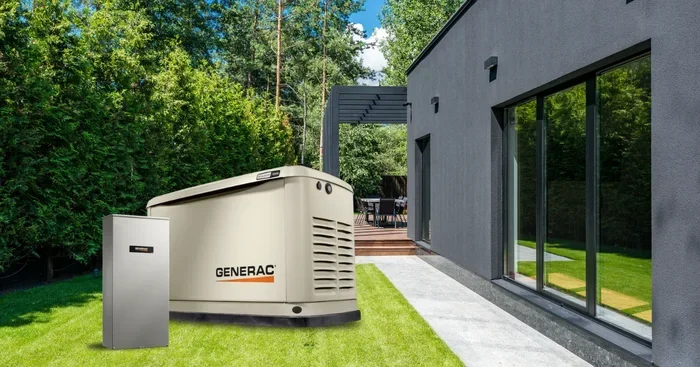
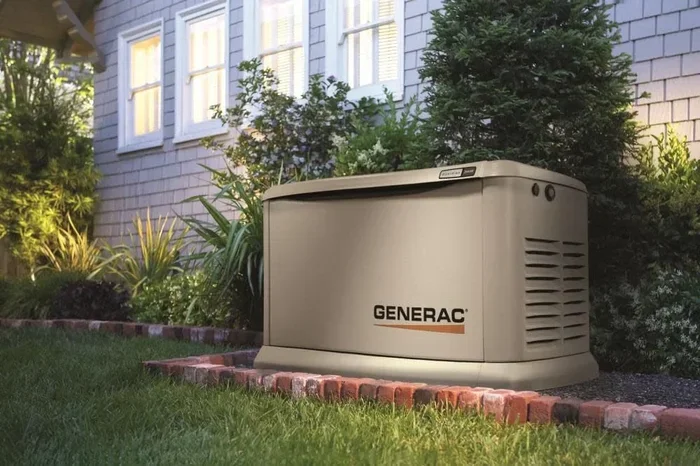
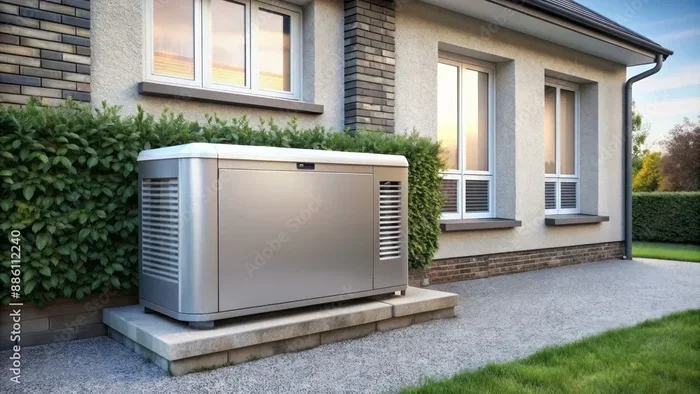
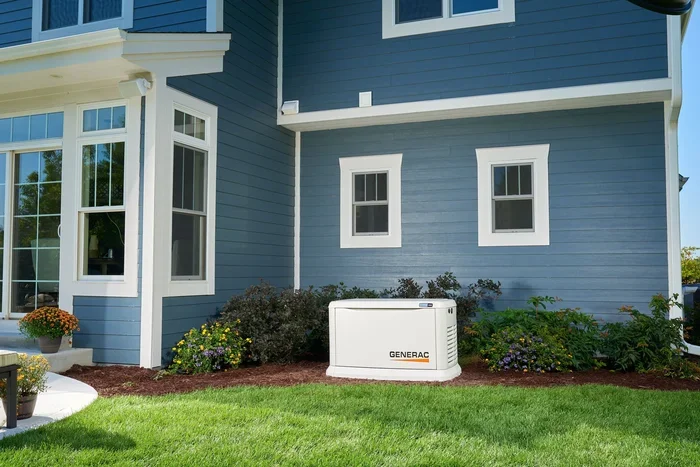
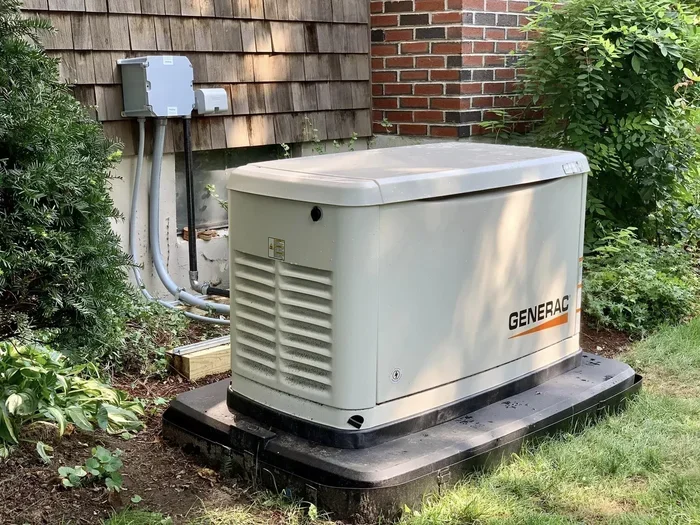
A standby generator is the gold standard for home backup power. It sits outside your house, connected directly to your electrical system. When the grid goes down, it detects the outage and turns on automatically. Usually within seconds.
These units run on natural gas or propane. They can power your entire house or just essential circuits. A standby generator is the answer if you want emergency power that works without any effort from you.
Here are the main benefits:
- Automatic operation: No need to flip switches or go outside.
- Whole-house capability: Can run everything from lights to AC.
- Permanent installation: Built into your home like a central air unit.
- Long runtime: Runs as long as fuel is supplied.
The downside is cost. A whole house standby generator with automatic transfer switch installation can run $5,000 to $15,000 or more. But for many homeowners, the peace of mind is worth every penny.
Portable Generators
A portable generator is the budget-friendly option. You wheel it out when you need it, plug things in directly, and run it for as long as the fuel lasts. These units are versatile and much cheaper than standby models.
Portable generators range from 1,000 to 10,000 watts. A small 3,000-watt unit can keep your fridge, a few lights, and your phone charged. A larger 7,500-watt model can handle a window AC unit and more.
Here is what you should know about portability:
- Lower upfront cost: You can find solid units for $500 to $1,500.
- Manual setup: You must start it, connect cords, and manage fuel yourself.
- Limited capacity: You cannot run everything in the house at once.
- Noise: Portable generators tend to be louder than standby units.
These work great for occasional outages or for people who only need to power a few essentials. They are also popular for camping, tailgating, and job sites.
Inverter Generators
An inverter generator is a special type of portable unit. It produces clean, stable power that is safe for sensitive electronics like laptops, TVs, and phones. Traditional generators produce a rougher power signal that can damage delicate devices over time.
Inverter generators are also quieter and more fuel-efficient. They adjust their engine speed based on the load, which saves fuel and reduces noise. If you need to power electronics safely, an inverter model is the way to go.
The tradeoff is higher cost per watt compared to standard portable units. They also tend to have lower maximum output, so they are not ideal for heavy-duty loads like central air.
Dual Fuel Generators
A dual fuel generator can run on two different fuel types. Most commonly, it uses propane or gasoline. Some models also support natural gas with a conversion kit. This flexibility is a big advantage because you are not stuck with one fuel source.
If you live in an area where gasoline might be hard to find during a crisis, having propane as a backup fuel is a smart safety net. Dual fuel units give you options and peace of mind.
How to Size the Right Generator
Sizing is the most important part of choosing a home backup power system. Too small, and the generator will overload or fail to start your AC. Too large, and you waste money on a unit that sits underused.
The Sizing Process Step by Step
Follow these steps to find your ideal generator size:
- List your essential appliances. Write down everything you need during an outage.
- Find the wattage for each item. Check the label or manual for running and starting watts.
- Add up the running watts. This is your baseline number.
- Add the highest starting watt. Pick the appliance with the biggest surge demand.
- Add a 20% safety buffer. This prevents overload and extends the generator’s lifespan.
For example, let us say your essentials add up to 4,500 running watts. Your fridge needs 1,200 starting watts. Your AC needs 2,500 starting watts. You would pick a generator rated for at least 7,000 to 8,000 watts to be safe.
Common Generator Sizes and What They Cover
Here is a quick breakdown of popular sizes and what they can handle:
- 3,000-4,000 watts: Lights, fridge, phone charging, and a few small devices.
- 5,000-7,000 watts: Adds a window AC unit, microwave, and more lights.
- 8,000-10,000 watts: Can run most essentials plus a sump pump and small tools.
- 12,000-20,000 watts: Handles central air, electric heat, and most household circuits.
- 20,000+ watts: Full-house coverage including heavy loads and multiple AC units.
Quick Tips for Sizing
- Never run a generator at 100% capacity. Keep loads at 80% or below for best performance.
- If you are unsure, consult a licensed electrician who can perform a professional load calculation.
- Think about the future. If you plan to add an EV charger or electric stove, factor that in now.
Fuel Types and What Works Best
The fuel your generator uses affects everything from cost to runtime to convenience. Let us compare the most common options for home use.
Natural Gas Generators
Natural gas generators connect directly to your home’s gas line. This means you never need to refuel them manually. As long as the gas company keeps supply flowing, your generator keeps running.
This is the most convenient fuel option for standby systems. Natural gas is also one of the cleanest burning fuels, which means less maintenance and fewer emissions.
The main downside is availability. If you live in a rural area without natural gas service, this option is not available to you.
Propane Generators
Propane generators use either a single tank or a whole-house propane system. Propane stores indefinitely, which is a huge advantage over gasoline that can go bad after a few months.
Many homeowners love propane because it is widely available and burns clean. You can also store large quantities safely on your property. A dual fuel generator that runs on propane gives you even more flexibility.
The downside is that propane has lower energy content than natural gas. You will use more fuel to produce the same amount of power.
Diesel Generators
Diesel generators are built for heavy-duty, long-term use. They are common in commercial settings but can work for large homes with high power demands.
Diesel is energy-dense and has a long shelf life. A diesel unit can run for days on a single tank if sized properly. These generators are also very durable and built to last.
The downsides include higher upfront cost, louder operation, and the need for regular maintenance. Diesel fuel is also not as widely available during emergencies as gasoline or propane.
Gasoline Generators
Gasoline is the most common fuel for portable generators. It is easy to find at every gas station and relatively cheap upfront.
The problem is gasoline degrades quickly. It can go stale in 30 to 90 days, which means you need fuel stabilizers or a rotation system. For long outages, gasoline generators require more planning and maintenance.
Gasoline is best for short-term, occasional use. If you only need power for a day or two at a time, a gasoline portable unit works well.
Comparison Table
| Fuel Type | Availability | Runtime | Clean Burning | Best For |
|---|---|---|---|---|
| Natural Gas | Requires gas line | Unlimited with supply | Yes | Standby whole house |
| Propane | Easy to store | Long with large tanks | Yes | Dual fuel and standby |
| Diesel | Limited during crises | Very long | Moderate | Heavy-duty, large homes |
| Gasoline | Widely available | Short to medium | No | Portable, short outages |
Installation and Safety Considerations
Installing a generator is not a DIY project for most homeowners. Proper setup ensures safety, efficiency, and code compliance. A poorly installed generator can cause carbon monoxide poisoning, electrical fires, or damage to your home’s wiring.
The Automatic Transfer Switch
Every standby generator needs an automatic transfer switch, also called an ATS. This device detects when the grid goes down and switches your home’s power source from the utility to the generator. It also prevents backfeed, which is when your generator sends power back into the grid and endangers utility workers.
The ATS must be installed by a licensed electrician. It connects between your main panel and the generator. The cost of an ATS is typically $500 to $1,500, depending on your electrical panel setup.
Ventilation and Placement
Generators produce carbon monoxide, a colorless and odorless gas that can be deadly. Your standby unit must be placed outside, at least 20 feet from your home, doors, and windows. The exhaust must point away from any air intakes.
Portable generators should never be used indoors or in a garage, even with the door open. Carbon monoxide kills silently and quickly. Always place portable units outside and far from windows.
Permits and Local Codes
Most jurisdictions require permits for generator installation. Your electrician or installer should handle this for you. Check with your local building department before purchasing a unit. Some areas have noise ordinances that limit generator size or placement.
Quick Safety Tips
- Install carbon monoxide detectors on every floor of your home.
- Test your generator monthly to ensure it starts and runs properly.
- Keep a fire extinguisher near the generator at all times.
- Never refuel a running generator. Let it cool first.
- Store fuel in approved containers away from living spaces.
Top Generator Brands Worth Considering
When you are ready to buy, you want a brand you can trust. Here are some of the most reliable names in home generators.
- Generac: The most popular standby brand in the US. Wide range of sizes and fuel options.
- Champion: Great value for portable and dual fuel units. Popular with budget-conscious buyers.
- Kohler: Premium standby generators built for durability and long life.
- Honda: Known for reliable inverter generators with clean power output.
- Briggs & Stratton: Solid mid-range standby and portable options for most homes.
- DuroMax: Affordable dual fuel and propane generators with good performance.
Read reviews, compare warranties, and ask neighbors what they use. Personal recommendations from people in your area are gold because they know how local conditions affect generator performance.
Cost Considerations and Budget Planning
Your budget plays a big role in which generator size and type you choose. Here is a realistic look at what you can expect.
- Portable generator (3,000-5,000W): $500 to $1,500 for the unit only.
- Inverter generator (2,000-4,000W): $800 to $2,500.
- Dual fuel portable (5,000-7,500W): $1,000 to $2,500.
- Standby generator (7kW-12kW): $3,000 to $7,000 including basic installation.
- Standby generator (15kW-24kW): $8,000 to $15,000+ with full installation.
Remember to factor in installation costs, fuel costs, and ongoing maintenance. A standby generator needs annual servicing, which typically costs $150 to $300 per year. Portable generators need less maintenance but may need new spark plugs and air filters every season.
Some homeowners install a whole house generator as part of a broader home improvement plan. If you are already replacing your electrical panel or upgrading your HVAC, adding a generator to the project can save you money on combined installation costs.
Maintenance Tips to Keep Your Generator Running
A generator is only useful when it works. Regular maintenance keeps it ready for the moment you need it most.
- Run your generator monthly: Let it operate for 15 to 30 minutes under load.
- Change the oil: Every 100 to 250 hours of use, or at least once per year.
- Replace the air filter: Check it monthly during heavy use periods.
- Inspect spark plugs: Clean or replace them annually.
- Test the battery: Standby generators have batteries for the starter and ATS. Replace every 2 to 3 years.
- Keep the fuel fresh: Use fuel stabilizer for gasoline units. For propane, check tank levels regularly.
Think of your generator like a car. If you do not use it and maintain it, it will not start when you need it. A few hours of attention each month goes a long way toward reliability during a power outage.
Final Thoughts
So, what kind of generator do I need for my house? The honest answer is it depends on your situation. If you want full-home backup with zero effort, a standby generator is the clear winner. If you are on a tight budget or only need power for essentials during short outages, a portable or inverter generator makes sense.
Start by doing your load calculation. Know exactly what you need to power and how much wattage that requires. Then choose the right type and size based on your budget and fuel availability. Finally, invest in professional installation and regular maintenance.
A generator is one of those things you hope you never need but are incredibly glad to have when the lights go out. Take the time to make the right choice now, and your future self will thank you when the next storm rolls through.
Frequently Asked Questions
What size generator do I need to run my whole house?
Most homes need a 10,000 to 20,000-watt standby generator to power everything. This depends on your electrical system, whether you have central air, and how many circuits you want to keep running. A licensed electrician can perform a load calculation to give you the exact size you need.
Is a portable generator or standby generator better for home use?
A standby generator is better for full-home backup because it turns on automatically and can run the entire house. A portable generator is more affordable and works well for essentials only. Your choice depends on your budget and how much power you need during an outage.
What fuel type is best for a home generator?
Natural gas is the most convenient fuel for standby generators because it connects to your home’s gas line. Propane is a great alternative that stores indefinitely. Gasoline works for portable units but degrades over time. Your fuel availability and local infrastructure will guide your choice.
Can I install a generator myself?
It is strongly recommended to hire a licensed professional for generator installation. Improper installation can cause carbon monoxide poisoning, electrical fires, or backfeed that endangers utility workers. A professional ensures code compliance and safe operation.
How much does it cost to install a whole house generator?
Total installation costs range from $3,000 for a small standby unit to $15,000 or more for a large whole-house system. The price includes the generator, automatic transfer switch, electrical wiring, permits, and labor. Get multiple quotes from licensed installers in your area.
How often should I run my generator to keep it maintained?
You should run your generator under load for at least 15 to 30 minutes once a month. This keeps the engine lubricated, the battery charged, and the system ready for real use. Many standby units have a weekly self-test feature that handles this automatically.