How Long Does a Generator Last and What Affects Its Lifespan
How long does a generator last depends on the type, fuel, usage, and maintenance routine. A portable generator typically runs 1,000 to 2,000 hours, while a standby generator can last 20 to 30 years with proper care. Regular maintenance, correct load management, and choosing the right fuel type are the biggest factors in maximizing your generator’s lifespan.
When you invest in a generator, one question always comes up: how long does a generator last? Whether you need backup power for your home or a portable unit for camping trips, understanding generator lifespan helps you make smarter buying decisions.
The truth is, there is no single answer. A portable generator might give you 1,000 to 2,000 hours of runtime. A standby whole house generator can run for 20 to 30 years or more. The difference comes down to type, fuel, usage habits, and maintenance.
This guide breaks down everything you need to know about generator longevity. We will cover the different types, the factors that shorten or extend lifespan, and practical tips to keep your unit running strong for years.
By the end, you will know exactly what to expect from your generator and how to get the most value out of your investment. Let us dive in.
Key Takeaways
- Portable generators last 1,000 to 2,000 hours: They are great for occasional use but need more frequent replacements.
- Standby generators can last 20 to 30 years: With proper maintenance, these whole-house units deliver reliable backup power for decades.
- Fuel type matters a lot: Diesel and natural gas generators tend to outlast gasoline models.
- Regular maintenance is non-negotiable: Oil changes, filter replacements, and load testing keep engines running smoothly.
- Overloading kills generators fast: Running a unit beyond its rated capacity causes premature wear.
- Environmental conditions play a role: Extreme temperatures, humidity, and poor air quality shorten generator life.
- Warranty and brand reputation help: Quality brands with strong warranties often indicate longer-lasting machines.
📑 Table of Contents
Understanding Generator Lifespan
Every generator has a rated lifespan measured in hours or years. But what does that actually mean for you? Let us break it down simply.
The generator engine life depends on how the machine is built, what fuel it uses, and how often you run it. Think of it like a car engine. A car driven 5,000 miles a year with regular oil changes will last far longer than one driven 20,000 miles a year with no maintenance.
Most manufacturers rate generators based on generator runtime hours. A typical portable unit is designed for about 1,000 to 3,000 hours of total use. A standby generator is built for much more, often rated at 10,000 to 30,000 hours or a 20 to 30 year lifespan.
What Does Runtime Hours Mean?
Runtime hours tell you how long the engine can run before major components wear out. It is not a countdown clock. It is a total accumulation of running time over the life of the machine.
For example, if you run your portable generator 100 hours per year, a 2,000-hour rated unit gives you about 20 years of service. But if you run it 500 hours per year, that same machine might only last four years.
The key takeaway? How long does a generator last is not just about the machine. It is about how you use it.
Types of Generators and Their Expected Lifespan
Not all generators are built the same. The type you choose has a huge impact on durability and generator longevity. Here is a closer look at the main categories.
Portable Generators
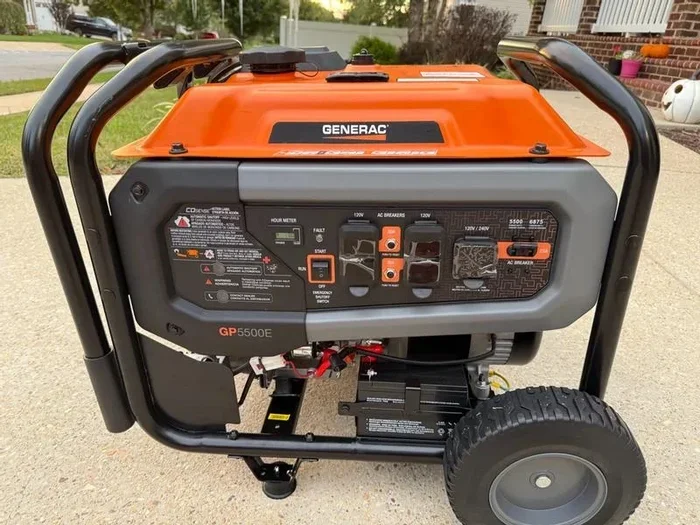
Portable generators are the most common type for homes and outdoor activities. They are lightweight, easy to move, and affordable.
On average, a portable generator lasts between 1,000 and 2,000 hours of runtime. For a family that uses it a few times a year during power outages, this translates to roughly 10 to 15 years of service.
However, portable units are not built for heavy, continuous use. If you run one constantly during a multi-day outage, you push the generator engine life closer to the lower end of its range.
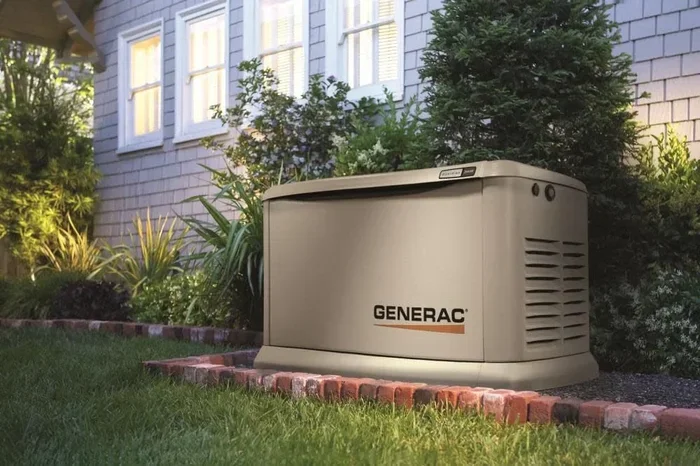
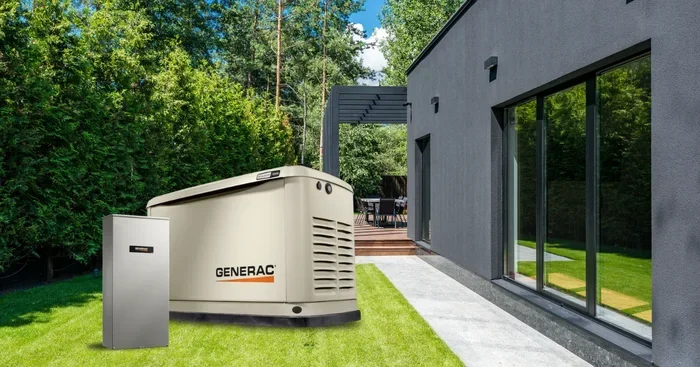
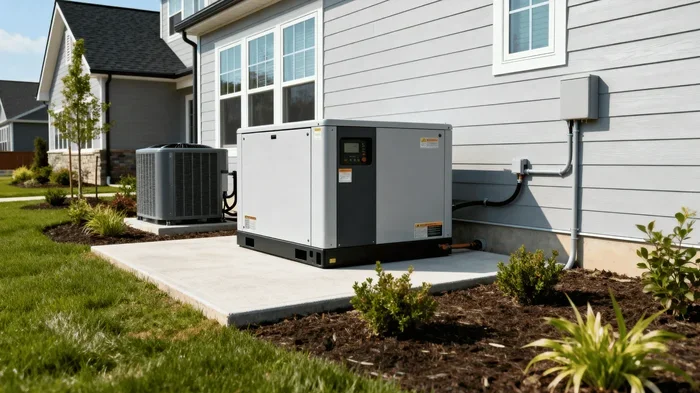
Standby Generators
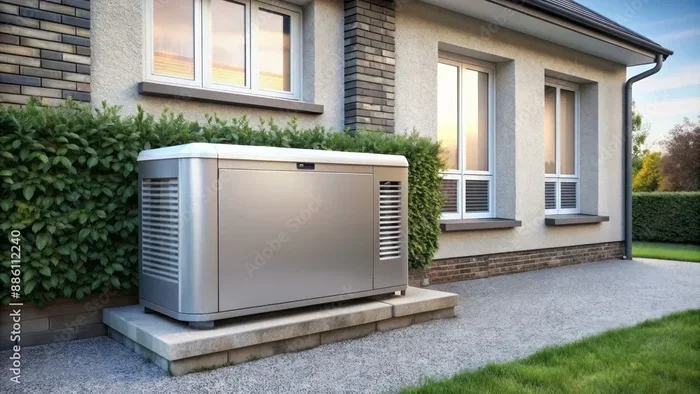
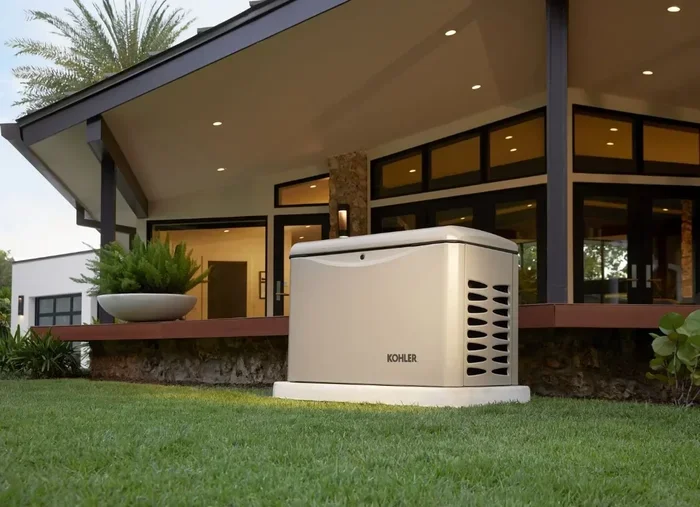
Standby generators are permanent installations outside your home. They kick on automatically when power goes out. These are the heavy-duty workhorses of the generator world.
A quality standby generator can last 20 to 30 years or more. Many homeowners treat them like a furnace or air conditioner. You install it, maintain it, and it serves you for decades.
Standby units typically run on natural gas or propane, which contributes to their longer generator lifespan. They also have larger engines, better cooling systems, and more robust components.
Inverter Generators
Inverter generators are a newer type of portable unit. They produce cleaner power and are more fuel-efficient. They are popular for RV trips, tailgating, and sensitive electronics.
Because they run at variable speeds rather than constant RPM, inverter generators experience less engine wear. This can extend their generator runtime hours beyond what a traditional portable offers.
Expect an inverter generator to last 1,500 to 3,000 hours with proper care. Their generator durability is often better than standard portables.
Diesel Generators
Diesel generators are built for industrial and commercial use. They are tough, efficient, and designed to run long hours under heavy loads.
A well-maintained diesel unit can last 20,000 to 30,000 hours or more. For businesses and farms, diesel generators often become long-term assets that last 15 to 25 years.
The diesel generator lifespan is impressive because diesel fuel lubricates the engine internally. This reduces wear on critical components over time.
Key Factors That Affect Generator Lifespan
Now that you know the basics, let us explore what actually determines how long your generator will last. Several factors work together to shape your machine’s lifespan.
Fuel Type and Quality
The fuel your generator burns has a direct impact on its generator engine life. Here is a quick comparison of common fuel types:
- Gasoline: Most common for portable units. It has a shorter shelf life and burns hotter, which can increase wear over time.
- Diesel: More efficient and lubricating. Diesel engines generally last longer than gasoline engines.
- Natural Gas: Clean-burning fuel that reduces carbon buildup. Common in standby generators.
- Propane: Burns cleanly and has an indefinite shelf life. A great choice for standby units.
Using low-quality or contaminated fuel is one of the fastest ways to shorten your generator’s life. Always store fuel properly and use fresh gasoline when possible.
Load Capacity and Usage Patterns
How much load you place on your generator matters enormously. Running a generator at full capacity all the time stresses every component.
The sweet spot for most generators is 50 to 75 percent of their rated load. This keeps the engine running efficiently without excessive strain.
Generator load capacity is one of the most overlooked factors in generator longevity. If you consistently overload your unit, the engine, alternator, and cooling system all wear out faster.
On the flip side, running a generator too lightly for extended periods can also cause problems. This is called “wet stacking” in diesel engines, where unburned fuel accumulates and damages components.
Maintenance Habits
Let us be honest. Maintenance is the single biggest factor in how long a generator lasts. A well-maintained budget generator often outlasts a neglected premium model.
Here are the maintenance tasks that matter most:
- Oil changes: Change oil every 100 to 200 hours of runtime or at least once per season.
- Air filter replacement: Check monthly during heavy use and replace when dirty.
- Spark plug inspection: Replace spark plugs annually or per the manufacturer’s schedule.
- Fuel system maintenance: Use fuel stabilizer for stored fuel and drain the carburetor before long-term storage.
- Cooling system checks: Ensure the radiator and cooling fins are clean and unobstructed.
- Battery maintenance: For standby generators, keep the battery charged and terminals clean.
Following a consistent generator maintenance schedule can add years to your unit’s life. It is not glamorous work, but it pays off big time.
Environmental Conditions
Where you store and operate your generator affects its durability. Extreme conditions accelerate wear and tear.
Generators in hot, humid climates experience more corrosion and heat stress. Units in cold environments face challenges with fuel gelling and battery performance. Salt air near the coast can corrode metal components faster.
Always store your generator in a dry, well-ventilated area. Use a weatherproof cover for portable units. For standby generators, ensure the installation site has proper drainage and airflow.
Build Quality and Brand Reputation
Not all generators are created equal. A well-built unit from a reputable brand uses better materials, tighter tolerances, and more reliable components.
Brands known for durability often invest more in testing and quality control. When shopping, look for models with strong generator warranty period coverage. A good warranty signals that the manufacturer stands behind its product.
Popular brands like Generac, Kohler, Briggs & Stratton, Honda, and Cummins have strong track records in the generator durability department.
Generator Alternator Lifespan
The alternator converts mechanical energy into electrical energy. It is one of the most important components, and its health directly affects your power output.
A quality alternator can last the entire life of the generator. But a cheap or damaged alternator will fail early, even if the engine is still running fine. Regular inspections of the alternator winding and bearings help prevent unexpected failures.
Maintenance Tips to Extend Your Generator’s Life
You now know the factors that affect lifespan. Here are actionable steps to keep your generator running strong for as long as possible.
Create a Maintenance Calendar
Write down every maintenance task and its schedule. Post it somewhere visible. Set phone reminders. Treat your generator like you would a car.
A basic maintenance calendar should include:
- Weekly: Visual inspection for leaks, damage, or loose connections.
- Monthly: Check oil level, inspect air filter, and test the battery.
- Every 100 hours: Change oil and oil filter.
- Every 200 hours: Replace air filter and inspect spark plugs.
- Every 500 hours: Check coolant level, inspect belts, and test load capacity.
- Annually: Professional inspection and full tune-up.
Run Your Generator Regularly
This might sound counterintuitive, but running your generator regularly keeps internal components lubricated and prevents fuel system issues.
A standby generator should run under load for at least 30 minutes every week. This exercises the engine and keeps seals from drying out.
For portable units, run them for 15 to 20 minutes every few months even if you do not need backup power. This prevents stale fuel deposits and keeps the engine in good condition.
Use Quality Fuel and Oil
Cheap fuel and low-grade oil might save a few dollars now, but they cost you in the long run. Always use fresh, clean fuel and the oil type recommended by the manufacturer.
For gasoline units, use fuel stabilizer if you store fuel for more than 30 days. This prevents gum and varnish buildup in the carburetor.
Protect Your Generator from the Elements
A generator cover or enclosure goes a long way. Rain, snow, dust, and UV rays all damage external and internal components over time.
For standby generators, install a weatherproof housing. For portables, use a fitted generator cover when not in use.
Hire Professionals for Major Service
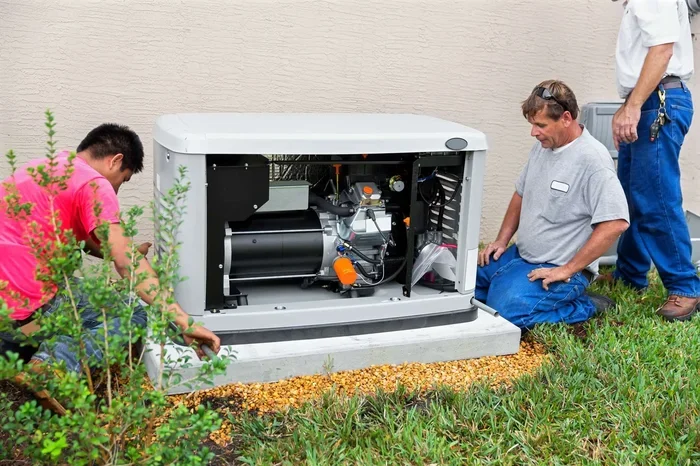
While basic maintenance is DIY-friendly, major service tasks should be left to professionals. Annual inspections by a certified technician can catch small problems before they become expensive repairs.
Signs Your Generator Is Wearing Out
Even with the best care, every generator eventually shows its age. Knowing the warning signs helps you address problems early.
Frequent Starting Problems
If your generator struggles to start or requires multiple attempts, the engine may be wearing out. Old spark plugs, clogged fuel lines, or a failing battery could all be culprits.
Drop in Power Output
Notice your lights dimming or tools running slower than usual? A drop in power output often signals alternator wear or engine degradation.
Unusual Noises or Vibrations
Grinding, knocking, or excessive vibration are red flags. These sounds often indicate internal component failure, such as worn bearings or connecting rods.
Increased Fuel Consumption
If your generator is burning through more fuel than usual, the engine is likely working harder than it should. This could point to compression loss or carburetor issues.
Frequent Repairs
When repair costs start adding up, it may be more economical to replace the unit. A good rule of thumb: if repairs exceed 50 percent of the cost of a new generator, consider upgrading.
How to Get the Most Out of Your Generator
Getting the longest possible life from your generator comes down to a few simple habits. Here are expert-backed strategies.
Buy Right the First Time
Choose a generator that fits your actual needs. Oversizing or undersizing both cause problems. A unit that is too small will be constantly overloaded. A unit that is too large wastes fuel and money during light loads.
Invest in a Transfer Switch
A transfer switch protects your generator from backfeed and makes switching between utility and generator power seamless. This reduces electrical stress on the unit.
Keep a Usage Log
Track your runtime hours, maintenance tasks, and any issues you notice. This log becomes invaluable for troubleshooting and helps you understand your unit’s generator wear and tear patterns.
Store Properly During Off-Seasons
If you use a portable generator seasonally, proper storage is critical. Drain the fuel, run the engine until it stops, and store in a cool, dry place.
Consider a Generator Service Plan
Many dealers offer annual service plans for standby generators. These plans typically include regular inspections, oil changes, and priority service. They are worth the investment for peace of mind.
Quick Tips for Longer Generator Life
- Never skip oil changes.
- Keep the unit clean and free of debris.
- Run under partial load when possible.
- Use a surge protector for connected devices.
- Address small problems before they become big ones.
- Keep spare parts on hand, especially filters and spark plugs.
Common Mistakes That Shorten Generator Life
- Ignoring oil change schedules.
- Running the generator with dirty or old fuel.
- Overloading the unit regularly.
- Skipping air filter replacements.
- Storing the generator in damp or extreme temperature conditions.
- Neglecting to test the unit periodically.
- Using extension cords that are too thin for the load.
Expert Insight: What Technicians Say About Generator Longevity
Experienced generator technicians consistently say the same thing: maintenance is everything. A generator that receives regular oil changes, filter replacements, and load testing will almost always outlast a neglected unit.
Many technicians also recommend buying from authorized dealers. This ensures you get genuine parts and access to manufacturer support. Avoid cheap off-brand units that may seem affordable upfront but cost more in repairs and early replacement.
Another expert tip: do not wait for a failure to address issues. If something sounds or feels different, investigate immediately. Catching a small problem early can prevent a catastrophic engine failure.
Comparison Table: Generator Types and Lifespan
| Generator Type | Avg. Runtime Hours | Expected Lifespan | Best For |
|---|---|---|---|
| Portable Gasoline | 1,000 to 2,000 | 10 to 15 years | Occasional backup, camping |
| Inverter Generator | 1,500 to 3,000 | 12 to 20 years | Sensitive electronics, RVs |
| Standby (Natural Gas) | 10,000 to 30,000 | 20 to 30 years | Whole-home backup |
| Standby (Diesel) | 15,000 to 30,000 | 20 to 25 years | Commercial, heavy use |
| Diesel Portable | 5,000 to 10,000 | 15 to 20 years | Construction, job sites |
Conclusion
So, how long does a generator last? The answer depends on you as much as the machine. A portable unit can serve your family for over a decade with proper care. A standby generator can be your reliable backup for 20 to 30 years or more.
The biggest factors in generator lifespan are maintenance, fuel quality, load management, and usage patterns. Take care of your generator, and it will take care of you when the power goes out.
Start by following the maintenance schedule outlined in this guide. Run your unit regularly. Use quality fuel and oil. Address small issues before they become big problems. These simple habits add years to your generator’s life and save you money in the long run.
Whether you own a portable generator for occasional use or a whole-house standby for round-the-clock protection, the principles are the same. Treat your generator well, and it will deliver reliable power for many years to come.
Now you have the knowledge to make informed decisions about your generator. Use it well, maintain it consistently, and enjoy the peace of mind that comes with a dependable power source.
Frequently Asked Questions
How long does a generator last on a full tank of gas?
A full tank of gas typically powers a portable generator for 6 to 16 hours, depending on the model and load. Standby generators connected to natural gas lines can run continuously for days as long as fuel is supplied. Always check your specific unit’s fuel tank capacity and consumption rate for accurate estimates.
What is the average lifespan of a standby generator?
A well-maintained standby generator lasts 20 to 30 years. This translates to roughly 10,000 to 30,000 hours of runtime. Regular maintenance, proper load management, and using clean fuel all contribute to reaching or exceeding this lifespan.
Can a generator last forever with enough maintenance?
No generator lasts forever. Even with perfect maintenance, mechanical components wear out over time. However, consistent care can push a generator well beyond its expected lifespan. Many homeowners report standby units lasting 30 years or more with diligent upkeep.
How often should I change the oil in my generator?
For most portable generators, change the oil every 100 to 200 hours of runtime or at least once per season. Standby generators typically have longer intervals, often every 200 to 500 hours. Always refer to your owner’s manual for the manufacturer’s specific recommendations.
Does running a generator under load shorten its lifespan?
Running a generator under moderate load (50 to 75 percent) actually helps its longevity. It keeps internal components lubricated and prevents wet stacking. However, consistently running at full capacity accelerates wear and can significantly shorten your generator’s life.
Is it worth repairing an old generator or buying a new one?
If repair costs exceed half the price of a new unit, replacement is usually the smarter choice. Consider the age of your generator, parts availability, and energy efficiency. Newer models are often more fuel-efficient and reliable than older ones.