How Much Generator Do I Need to Keep My Home Running
Choosing the right generator size keeps your home safe during a power outage. This guide breaks down wattage requirements, fuel types, and essential appliances so you can pick the perfect home generator with confidence. You will learn exactly how to calculate your needs and avoid costly mistakes.
A power outage can hit your home without warning. Storms, grid failures, or equipment problems can leave you in the dark for hours or even days. When that happens, having the right generator size makes all the difference. You need enough wattage requirements to keep your essential appliances running. But how do you figure out exactly how much power you need?
This guide walks you through everything. We will cover generator capacity, running watts, starting watts, and the difference between a portable generator and a whole house generator. By the end, you will know exactly what size generator to buy for your home. Let us get started.
Key Takeaways
- Calculate your total wattage: Add up the running watts and starting watts of all essential appliances to find the right generator capacity.
- Choose between portable and standby: Portable units work for basics, while standby generators power your whole house automatically.
- Consider fuel type and runtime: Gasoline, propane, natural gas, and diesel each have different run times and costs.
- Don’t skip the transfer switch: An automatic transfer switch makes switching to backup power seamless and safe.
- Plan for future needs: Always buy a generator with a little extra capacity for flexibility and growth.
📑 Table of Contents
Understanding Generator Size and Wattage
Before you buy anything, you need to understand the basics of generator size. Generators are measured in watts and kilowatts. The numbers on a generator tell you how much power it can produce. Two key numbers matter most: running watts and starting watts.
What Are Running Watts?
Running watts are the continuous power needed to keep an appliance running. For example, a refrigerator needs about 700 watts to stay on. A light bulb might use 60 watts. These numbers add up fast when you are running multiple essential appliances at once.
What Are Starting Watts?
Starting watts are the extra power needed to start a motor-driven appliance. Things like air conditioners, refrigerators, and sump pumps need a big burst of power when they first turn on. This surge wattage can be two to three times the running wattage. So a fridge that uses 700 watts running might need 2,100 watts to start. Always account for this spike.
Why Kilowatt Rating Matters
Generators are often listed in kilowatts (kW). One kilowatt equals 1,000 watts. A 7 kW generator produces 7,000 watts. This kilowatt rating helps you compare different home generator models. When you shop for generator capacity, look at both running watts and peak watts. This tells you the full picture of what the unit can handle.
How to Calculate Your Power Needs
Figuring out how much generator you need starts with a simple list. Write down every appliance you want to run during a power outage. Then find the wattage for each one. You can usually find this label on the back or bottom of the device.
Step-by-Step Calculation
- List all essential appliances you need to keep running.
- Find the running wattage for each item.
- Identify which items have motors and note their starting watts.
- Add all running watts together.
- Add the highest starting watt to the total running watts.
- The result is your minimum generator size.
Common Appliance Wattage Examples
Here are some typical numbers to help you estimate your wattage requirements:
- Refrigerator: 700 running watts, 2,100 starting watts
- Freezer: 500 running watts, 1,500 starting watts
- Window AC unit: 1,200 running watts, 3,600 starting watts
- Sump pump: 800 running watts, 2,400 starting watts
- Lights (10 bulbs): 600 running watts, 600 starting watts
- Television: 300 running watts, 300 starting watts
- Microwave: 1,000 running watts, 1,000 starting watts
- Phone/laptop charging: 100 running watts, 100 starting watts
Add these up and you get a good idea of your baseline needs. Always add a buffer of 10 to 20 percent for safety. This gives you room and prevents the generator from running at full capacity all the time.
Portable vs Standby Generators
Not all generators are the same. The two main types are portable generators and standby generators. Each has its own strengths and best use cases.
Portable Generators
A portable generator is compact and easy to move. You can wheel it outside during an outage and plug in what you need. These units typically range from 3 kW to 8 kW. They work well for running a few essential appliances like a fridge, some lights, and a phone charger.
Portable units usually run on gasoline or propane. They are more affordable than standby options. But they require manual setup and refueling. You also need to place them outside for safety, at least 20 feet from your home.
Standby Generators
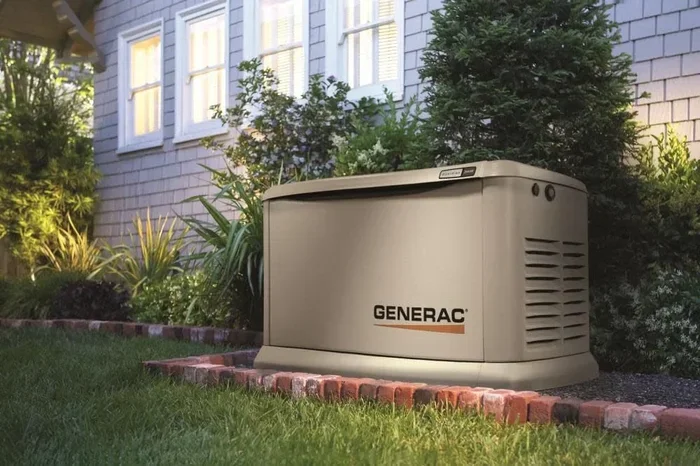
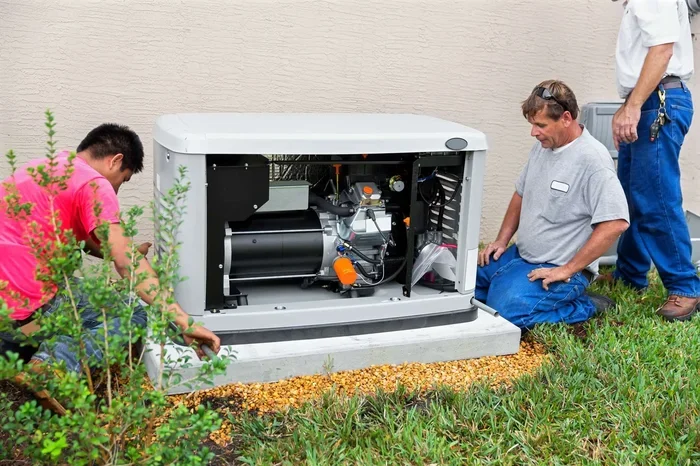
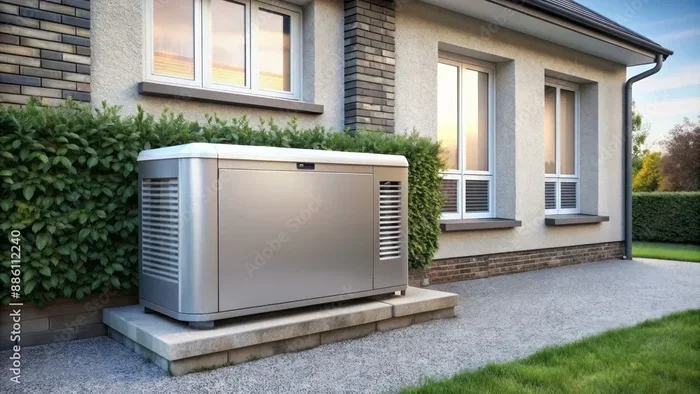
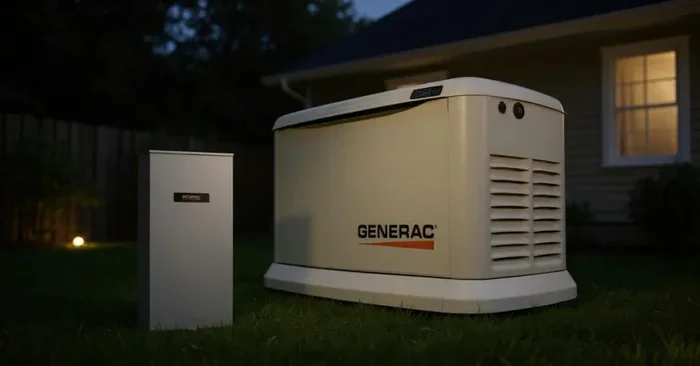
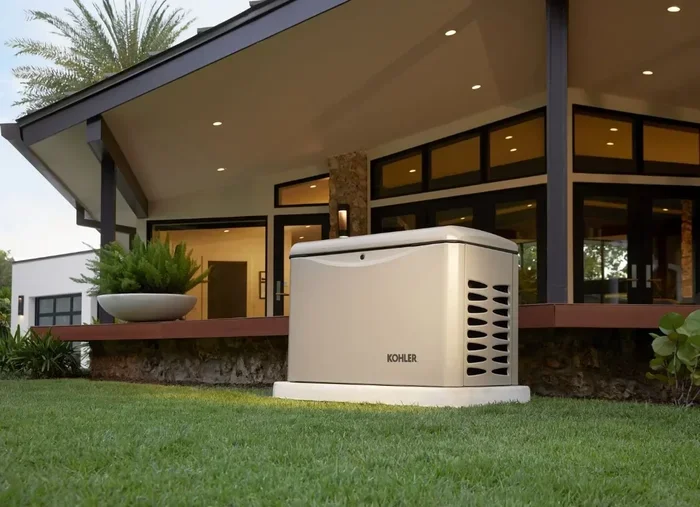
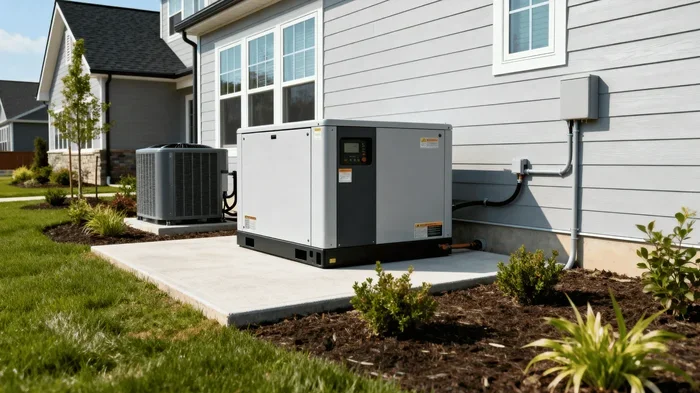
A standby generator is a permanent installation outside your home. It connects directly to your electrical system. When a power outage hits, it turns on automatically within seconds. You do not need to do anything.
Standby units range from 7 kW to 24 kW or more. A whole house generator in this range can power your entire home including HVAC systems, water heaters, and kitchen appliances. They run on natural gas or propane and connect to your existing fuel lines. The downside is the higher upfront cost, but the convenience is unmatched.
Quick Comparison
Here is a side-by-side look at the two main types:
- Portable Generator: Lower cost, manual operation, limited capacity, runs on gas or propane, good for essential loads only.
- Standby Generator: Higher cost, automatic operation, high capacity, connects to natural gas or propane, powers the entire home.
Your choice depends on your budget, your power needs, and how much convenience you want. If you just need to keep a few key items running, a portable generator works well. If you want full home backup power with zero effort, go with a standby unit.
Fuel Types and Their Impact
The fuel your generator uses affects runtime, cost, and convenience. Here is a breakdown of the most common options for home backup power.
Gasoline
Gasoline is the most common fuel for portable generators. It is easy to find at any gas station. However, gasoline has a short shelf life, usually 3 to 6 months. You need to rotate your fuel supply or use a stabilizer. Gasoline generators are affordable but require frequent refueling.
Propane
Propane burns clean and has an indefinite shelf life. Many portable generators run on dual fuel, meaning they can switch between gasoline and propane. Standby generators often use propane as their primary fuel. Propane tanks come in various sizes, and a larger tank means longer generator runtime between refills.
Natural Gas
Natural gas is the most convenient fuel for standby generators. It connects directly to your home’s gas line, so you never run out. Natural gas generators are clean burning and require less maintenance. The downside is that they need a professional installation and a natural gas connection at your home.
Diesel
Diesel generators are known for durability and fuel efficiency. They are more common in commercial settings but work well for homes too. Diesel has a longer shelf life than gasoline. However, diesel units tend to be louder and more expensive upfront.
Generator Runtime Comparison
Runtime varies by fuel type and load. Here is a general idea of what to expect from a mid-size home generator:
- Gasoline: 8 to 12 hours on a full tank at 50 percent load
- Propane: 150 to 200 hours on a 500-gallon tank
- Natural Gas: Unlimited runtime with a steady gas supply
- Diesel: 24 to 48 hours on a full tank
When you think about generator fuel efficiency, natural gas and propane offer the best long-term value. Gasoline is fine for short outages but not ideal for extended use.
Sizing Your Generator for Different Home Sizes
Not all homes need the same generator capacity. The right size depends on your household’s energy use and the number of essential appliances you want to keep running.
Small Homes and Apartments
For a small home or apartment, a 3 kW to 5 kW portable generator usually does the trick. This size can handle lights, a refrigerator, a few phone chargers, and a small TV. It is perfect for short outages and budget-conscious homeowners.
Quick Tip: Focus only on the essentials. You do not need to power everything. Prioritize food safety, communication, and comfort.
Medium Homes
A medium-sized home typically needs a 5 kW to 10 kW generator. This range covers the fridge, freezer, sump pump, window AC, and several lights. A dual-fuel portable generator in this range gives you flexibility with gasoline or propane.
If you want more convenience, a 10 kW standby generator can handle these loads automatically. It also leaves room for a few extra devices like a microwave or laptop.
Large Homes
Large homes with central air, electric water heaters, and multiple electronics need serious backup power. A 15 kW to 24 kW whole house generator is the right choice here. These units can power nearly everything in your home without breaking a sweat.
When sizing for a large home, always list every major appliance and add up the wattage requirements. Include your HVAC system, which is often the biggest power draw in the house. A professional installer can help you confirm your exact needs.
Expert Tips for Choosing the Right Generator
Choosing a generator can feel overwhelming with so many options. Here are some expert insights to guide your decision.
Always Buy More Than You Need
One of the biggest common mistakes is buying a generator that is just barely big enough. You will run it at or near full capacity, which shortens its lifespan and wastes fuel. Aim for a unit that is 20 to 30 percent larger than your calculated needs. This gives you headroom for unexpected loads and future additions.
Think About the Automatic Transfer Switch
An automatic transfer switch is a must-have for standby generators. It detects a power outage and switches your home to generator power in seconds. Without it, you would need to manually start the generator and connect loads. The transfer switch also protects your home and the utility grid from backfeed, which is a serious safety hazard.
Consider Noise Levels
Nobody wants a loud generator disturbing the neighborhood. Look for units with low decibel ratings, especially if you live in a suburban area. Inverter generators are typically much quieter than conventional models. They also produce cleaner power, which is safer for sensitive electronics like laptops and TVs.
Maintenance Matters
A generator is only as reliable as its maintenance schedule. Change the oil regularly, check the air filter, and test the unit monthly. A well-maintained home generator will start every time you need it. Set a calendar reminder to run a test cycle each month, even when the power is on.
Installation and Safety
Always install your generator according to local codes and manufacturer guidelines. Place portable units outside and far from windows to prevent carbon monoxide buildup. Have a licensed electrician install standby units and transfer switches. Safety should always come first when dealing with emergency power equipment.
Common Mistakes to Avoid
Many homeowners make avoidable errors when buying a generator. Here are the top mistakes to watch out for:
- Skipping the load calculation: Guessing your power needs often leads to buying a unit that is too small or too big.
- Ignoring starting watts: Forgetting about surge wattage can cause the generator to overload and shut down.
- Running a generator indoors: This is extremely dangerous due to carbon monoxide. Always place it outside.
- Neglecting fuel storage: Gasoline degrades over time. Store fuel properly and use stabilizers.
- Skipping the transfer switch: Connecting a generator directly to your home’s wiring without a transfer switch is illegal in many areas and very dangerous.
- Buying the cheapest option: A low-cost generator might save money upfront but could fail when you need it most.
Avoiding these mistakes saves you money, frustration, and keeps your family safe during a power outage.
How Much Does a Generator Cost?
Cost is always a factor when shopping for home backup power. Prices vary widely based on size, type, and features.
- Portable generators (3-5 kW): $500 to $1,500
- Portable generators (5-8 kW): $1,000 to $2,500
- Standby generators (7-10 kW): $2,000 to $5,000 (including installation)
- Standby generators (15-24 kW): $5,000 to $15,000 (including installation)
Remember to factor in installation costs, fuel, and ongoing maintenance. A standby generator is a bigger upfront investment, but it pays for itself in convenience and protection during extended outages.
Final Thoughts
Figuring out how much generator do i need does not have to be complicated. Start by listing your essential appliances and calculating your total wattage requirements. Choose between a portable generator and a standby unit based on your budget and needs. Consider fuel type, runtime, and the automatic transfer switch for the best experience.
The right generator size gives you peace of mind. You will stay comfortable and safe no matter how long the power outage lasts. Take the time to plan now, and you will be glad you did when the lights go out. Your home deserves reliable emergency power, and the right generator delivers exactly that.
Frequently Asked Questions
What size generator do I need for a 2000 square foot house?
A 2000 square foot home typically needs a 5 kW to 10 kW generator for essential loads. If you want to power the entire house including HVAC and water heater, a 15 kW to 20 kW standby generator is a better choice. Always calculate your specific wattage requirements based on the appliances you use.
Can a portable generator power a whole house?
A portable generator can power some essential circuits but usually not an entire house. For full home coverage, a standby whole house generator is the best option. Portable units work well for a few key essential appliances during short outages.
How do I calculate the generator size I need?
List all the appliances you want to run, find their running and starting watts, and add them up. Include a 20 percent buffer for safety. This gives you the minimum generator capacity you should look for when shopping.
What is the difference between running watts and starting watts?
Running watts are the continuous power an appliance needs to stay on. Starting watts are the extra power needed to start motor-driven appliances like refrigerators and AC units. Always make sure your generator can handle both.
Is it safe to run a generator indoors?
No. Generators produce carbon monoxide, which is deadly. Always run them outside, at least 20 feet from your home, with exhaust pointing away from windows and doors. This is one of the most important generator safety rules to follow.
How often should I maintain my generator?
Run a test cycle monthly and change the oil every 100 hours of use or at least once per season. Check the air filter, spark plug, and fuel lines regularly. A well-maintained home generator starts reliably whenever you need emergency power.
=== CONCLUSION ===
Knowing how much generator do i need is the first step toward reliable home backup power. By understanding your wattage requirements, choosing the right generator size, and avoiding common mistakes, you can protect your home no matter what. Whether you pick a compact portable generator or a powerful standby unit, the key is to plan ahead and calculate your needs carefully. Your family will thank you when the power goes out and your home stays running smoothly.