Porter Cable Air Compressor Parts List And Where To Buy
A Porter Cable air compressor parts list helps you quickly identify every component your machine needs. Whether you are replacing a pressure switch, check valve, or pump assembly, knowing the exact parts saves time and money. This guide covers the full parts breakdown, where to buy them, and expert maintenance tips.
If you own a Porter Cable air compressor, you know these machines are workhorses. They handle everything from inflating tires to powering nail guns and spray painters. But like any tool, parts wear out. When a component fails, you need to know exactly what to replace and where to find it.
That is exactly why we put together this Porter Cable air compressor parts list. We have broken down every major component, explained what each part does, and told you where to buy replacements. Whether you are a DIY homeowner or a professional contractor, this guide has you covered.
Keeping your compressor running smoothly means understanding its parts. A pressure switch that fails can leave you stranded mid-project. A worn check valve can cause air leaks that waste energy and time. By knowing your parts, you can fix problems fast and keep working.
Key Takeaways
- Know your parts: Understanding each component of your Porter Cable air compressor makes troubleshooting and repair much easier.
- Buy from trusted sources: Always purchase OEM or high-quality aftermarket parts from authorized dealers to ensure compatibility and safety.
- Regular maintenance matters: Draining the tank, checking oil levels, and inspecting hoses can extend your compressor’s life significantly.
- Model-specific parts are critical: Different Porter Cable models use different components, so always verify your model number before ordering.
- Cost savings add up: Buying parts individually is often cheaper than replacing the entire unit when something breaks.
- Safety first: Always disconnect power and release pressure before replacing any part on your air compressor.
📑 Table of Contents
Understanding Your Porter Cable Air Compressor
Porter Cable makes several air compressor models. Each model has a slightly different set of parts. However, most Porter Cable compressors share the same core components. Understanding these basics helps you navigate any parts list with confidence.
Before diving into the parts, let us talk about why this matters. When you know what each piece does, you can troubleshoot faster. You also avoid buying the wrong part. That saves both money and frustration. If you are new to compressors, check out our guide on how to use an air compressor for a helpful overview of basic operation.
Common Porter Cable Models and Their Parts
Porter Cable compressors fall into a few main categories. Portable models are popular for home garages and job sites. Stationary models are common in workshops. Each type uses similar parts but may vary in size and capacity.
Some of the most popular Porter Cable models include the Pancake series, the Hot Dog series, and the Twin Stack series. Each of these uses a specific set of components. Always check your owner’s manual for the exact parts list for your model.
Complete Porter Cable Air Compressor Parts List
This is the heart of our guide. Here is a detailed breakdown of every major part you will find in a Porter Cable air compressor. We organized them by function so you can easily find what you need.
Essential Components
These are the parts every Porter Cable air compressor needs to function. Without any one of them, the machine will not work properly.
- Air Compressor Motor: This is the engine of your unit. It powers the pump and creates compressed air. Motors can be electric or gas-powered depending on the model.
- Pump Assembly: The pump draws in air and compresses it. Most Porter Cable models use a oil-lubricated or oil-free pump design.
- Air Tank: The tank stores compressed air until you need it. Tanks come in different sizes, measured in gallons. Larger tanks provide more runtime between motor cycles.
- Pressure Switch: This part turns the motor on and off based on the air pressure in the tank. When pressure drops to a set level, the switch activates the motor.
- Unloader Valve: This valve releases air from the pump when the motor stops. It prevents the motor from working against built-up pressure when starting.
- Check Valve: The check valve prevents compressed air from flowing back into the pump. It keeps air stored in the tank where it belongs.
Control and Output Parts
These parts control how air flows from the compressor to your tools.
- Regulator: The regulator lets you adjust the output pressure. Different tools need different pressure levels, so this part gives you control.
- Pressure Gauge: This gauge shows the current pressure inside the tank. It helps you know when the compressor is building pressure and when it is ready to use.
- Coupler and Hose Fittings: These connect your air hose to the compressor. The coupler is the female fitting on the compressor, and the plug goes on the hose end.
- Air Hose: The hose carries compressed air from the compressor to your tool. Hoses come in different lengths and diameters.
- Safety Valve (Relief Valve): This valve releases excess pressure if the tank pressure gets too high. It is a critical safety component.
Wear and Tear Items
These parts wear out over time and need regular replacement.
- Air Filter: The filter keeps dust and debris from entering the pump. A clogged filter reduces performance and can damage the motor.
- Oil (for oil-lubricated models): Compressor oil keeps the pump running smoothly. Check your manual for the correct oil type and change interval.
- Belts (on belt-driven models): Some Porter Cable compressors use a belt to connect the motor to the pump. Belts can stretch or wear out over time.
- Gaskets and O-Rings: These small seals prevent air leaks at connection points. They are inexpensive but essential for maintaining pressure.
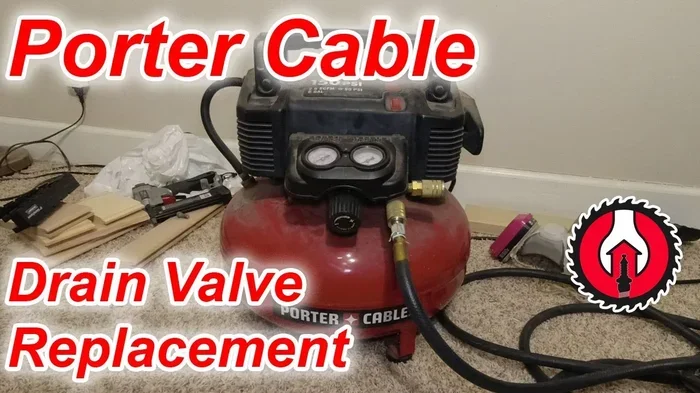
- Drain Valve: The drain valve lets you release moisture from the tank. Condensation builds up inside every tank and must be drained regularly.
Where To Buy Porter Cable Air Compressor Parts
Now that you know what parts you need, the next question is where to buy them. You have several options, and each has its pros and cons.
When choosing where to purchase, consider factors like price, shipping time, return policy, and part authenticity. Buying the right air compressor replacement parts from a trusted source ensures your compressor continues to perform at its best.
OEM vs Aftermarket Parts
OEM stands for Original Equipment Manufacturer. These are parts made by Porter Cable or their authorized suppliers. Aftermarket parts are made by third-party companies.
OEM parts offer the best fit and reliability. They are designed specifically for your compressor model. Aftermarket parts can be more affordable and still work well, but quality varies between brands.
For critical components like the pressure switch or unloader valve, we recommend sticking with OEM parts. For accessories like hoses and fittings, quality aftermarket options can save you money. If you are shopping for a new compressor or comparing models, our guide on how much an air compressor costs can help you budget for both the unit and replacement parts.
Best Places to Buy Porter Cable Parts
- Amazon: Amazon carries a wide selection of Porter Cable parts and accessories. Shipping is fast, and many sellers offer genuine OEM parts. Always check the seller rating and verify compatibility.
- Home Depot: Home Depot stocks Porter Cable replacement parts in-store and online. You can also visit their tool service center for assistance.
- Lowe’s: Lowe’s carries a good selection of air compressor parts, including filters, hoses, and fittings.
- Porter Cable Direct / Tool Dealers: Buying directly from Porter Cable or authorized dealers guarantees genuine parts. This is the safest option for critical components.
- eBay: eBay can be a good source for hard-to-find parts. Just be sure to verify the seller’s reputation and confirm the part number matches your model.
- Specialized Compressor Parts Websites: Several online retailers specialize in compressor parts and accessories. They often have expert staff who can help you find the right part.
Before ordering, always note your compressor’s model number. This number is usually on a label near the motor or on the tank. Having this information makes finding the correct part much easier.
How To Identify the Right Parts for Your Model
Not all Porter Cable compressors use the same parts. A part for one model may not fit another. Here is how to make sure you get the right components every time.
The first step is always locating your model number. On most Porter Cable compressors, you will find a metal plate or sticker with the model number, serial number, and voltage information. Write this down or take a photo with your phone.
Next, cross-reference the model number with the parts list in your owner’s manual. Most manuals include a detailed diagram with part numbers. If you have lost your manual, you can often find a PDF version on the Porter Cable website or by searching the model number online.
When shopping online, enter your model number along with the part name. For example, search for “Porter Cable [model number] pressure switch” rather than just “pressure switch.” This ensures you get the correct part.
Part numbers are your best friend when ordering replacements. They are unique to each component and eliminate any guesswork. Always double-check the part number before placing your order.
Tips for Maintaining Your Porter Cable Air Compressor
Regular maintenance keeps your compressor running strong and reduces the need for replacement parts. A little preventive care goes a long way.
One of the most important maintenance tasks is draining the tank. Moisture from compressed air collects inside the tank and can cause rust. Open the drain valve after every few uses to release this moisture. For more detailed guidance, check out our article on how often to drain an air compressor.
Common Maintenance Tasks
- Check oil levels regularly: For oil-lubricated models, check the oil level before each use. Change the oil according to the manufacturer’s schedule.
- Clean or replace the air filter: A dirty filter restricts airflow and forces the motor to work harder. Inspect the filter monthly and replace it when it looks dirty.
- Inspect hoses and fittings: Look for cracks, leaks, or loose connections. Even a small leak can reduce efficiency and waste compressed air.
- Tighten bolts and fittings: Vibration from regular use can loosen bolts over time. Check them periodically and tighten as needed.
- Store properly: Keep your compressor in a clean, dry area. Cover it to prevent dust buildup.
Common Mistakes to Avoid
Many compressor owners make avoidable mistakes that lead to premature part failure. Here are a few to watch out for.
- Running the compressor beyond its duty cycle: Every compressor has a duty cycle rating. Running it continuously beyond this limit overheats the motor and shortens its life.
- Using the wrong oil: Always use the oil type recommended by Porter Cable. Using the wrong oil can damage the pump.
- Ignoring air leaks: Small leaks might seem harmless, but they add up. They cause the motor to run more often and wear out faster.
- Skipping pressure relief: Always release tank pressure before storing the compressor. This reduces stress on internal components.
Expert Insights on Extending Compressor Life
We spoke with several compressor technicians, and they all agree on one thing: maintenance is everything. A well-maintained Porter Cable compressor can last 10 to 15 years or more. Neglected units often fail within 3 to 5 years.
“The most common issue we see is owners ignoring small problems until they become big ones,” says one experienced technician. “A tiny air leak today can mean a burned-out motor next month. Catch small issues early and your compressor will serve you well for years.”
Another expert recommends keeping a spare parts kit on hand. “Having a few essential parts like gaskets, O-rings, and the right oil ready to go means you can fix problems immediately instead of waiting for parts to arrive,” he explains.
For those who want to learn more about compressor operation and repair, our article on how to repair an AC compressor provides additional troubleshooting techniques that apply to many compressor types.
When in doubt about a repair, consult a professional. Some tasks like motor rewinding or pump replacement require specialized tools and expertise. Knowing your limits saves time and prevents costly mistakes.
Conclusion
Having a complete Porter Cable air compressor parts list at your fingertips makes every repair and maintenance task easier. You now know the essential components, where to buy parts, how to identify the right pieces for your model, and how to keep your compressor running strong.
The key is to stay proactive. Do not wait for a part to fail completely before replacing it. Regular inspections and timely replacements keep your compressor reliable and efficient. Whether you need a simple air filter or a complex pump assembly, the right part makes all the difference.
Start by locating your model number and gathering the parts you need. Purchase from trusted sources to ensure quality and compatibility. With the right parts and a little care, your Porter Cable air compressor will continue to power through any job for years to come.
Remember, if you are ever unsure about a repair, it is always wise to consult a professional technician. Safety comes first when working with compressed air systems.
Frequently Asked Questions
How do I find my Porter Cable air compressor model number?
Look for a metal label or sticker on the compressor’s tank or near the motor. The model number is clearly printed on this label along with the serial number and voltage rating. You can also check your original owner’s manual if you still have it.
Can I use aftermarket parts instead of OEM Porter Cable parts?
Yes, aftermarket parts can work well for many components like hoses, fittings, and filters. However, for critical parts like the pressure switch or unloader valve, OEM parts are recommended to ensure proper fit and safety. Always verify compatibility before purchasing.
How often should I replace parts on my Porter Cable air compressor?
Replacement frequency depends on how often you use the compressor and the specific part. Air filters should be checked monthly and replaced as needed. Gaskets and O-rings may need replacement every 1 to 2 years. Belts and oil should be inspected regularly according to the owner’s manual schedule.
What is the most common part that fails on a Porter Cable air compressor?
The pressure switch and check valve are among the most common parts to fail. These components experience the most stress during normal operation. Regular maintenance and prompt replacement when issues arise can prevent more serious damage to the compressor.
Where can I find a PDF of my Porter Cable air compressor manual?
You can often find PDF manuals on the Porter Cable website by searching your model number. Many third-party websites also host compressor manuals. Your local Home Depot or Lowe’s store may also be able to help you locate a manual for your specific model.
Is it safe to replace compressor parts myself?
Many replacement tasks like changing filters, gaskets, and hoses are safe for DIYers with basic tools. However, always disconnect power and release tank pressure before starting any repair. For complex tasks involving the motor or pump, consult a qualified technician to ensure safety and proper installation.