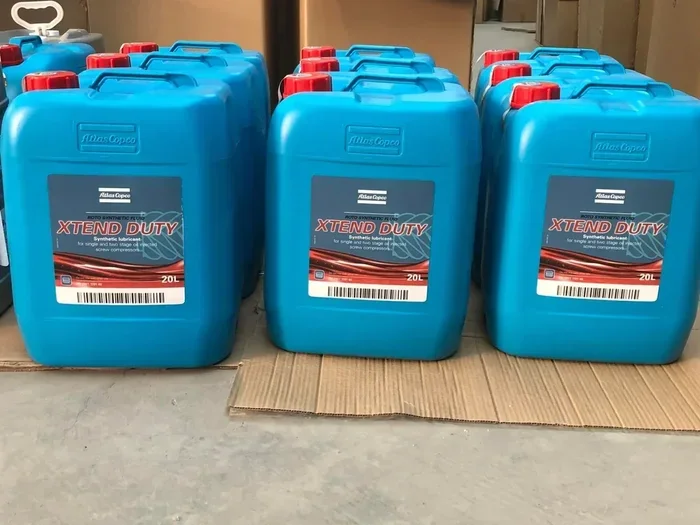
Atlas Copco Air Compressor Oil Everything You Need to Know
Atlas Copco air compressor oil keeps your machine running smoothly and efficiently. This guide covers everything from oil types and viscosity to step-by-step change procedures and common mistakes. You’ll learn how to choose the right oil, when to change it, and how to maintain your compressor for peak performance.
Key Takeaways
- Use the right oil: Atlas Copco recommends specific viscosity and synthetic blends for optimal protection.
- Change oil regularly: Follow the manufacturer’s intervals to prevent wear and contamination.
- Avoid common mistakes: Overfilling or using incorrect oil can damage your compressor.
- Monitor oil levels: Check the sight glass or dipstick frequently to maintain proper lubrication.
- Reset the maintenance counter: After an oil change, reset the Atlas Copco compressor to track service intervals.
- Consider synthetic oil: It offers better thermal stability and longer drain intervals for heavy use.
📑 Table of Contents
- Why Atlas Copco Air Compressor Oil Matters
- Understanding Atlas Copco Air Compressor Oil Types
- How to Choose the Right Atlas Copco Air Compressor Oil
- Step-by-Step Oil Change Guide for Atlas Copco Compressors
- Common Mistakes to Avoid with Atlas Copco Air Compressor Oil
- Expert Tips for Extending Oil Life
- Conclusion
Why Atlas Copco Air Compressor Oil Matters
Your Atlas Copco compressor works hard. It draws in air, compresses it, and delivers power to your tools. All that movement creates heat and friction. Without the right Atlas Copco air compressor oil, that friction would quickly destroy internal parts.
Good oil does more than just lubricate. It cools the pump, seals gaps between pistons and cylinders, and carries away contaminants. Think of it as the lifeblood of your machine. If you skip oil changes or use the wrong fluid, you risk overheating, increased wear, and costly repairs.
This guide will walk you through everything you need to know about Atlas Copco air compressor oil. We’ll cover the different types, how to pick the right one, and the exact steps for a successful oil change. By the end, you’ll feel confident keeping your compressor in top shape.
Understanding Atlas Copco Air Compressor Oil Types
Not all oils are created equal. Atlas Copco compressors are designed to work with specific lubricants. Using the wrong type can reduce efficiency and shorten the life of your machine. Let’s break down the main categories.
Mineral Oil vs. Synthetic Oil
Mineral oils come from refined crude petroleum. They’re affordable and work well for light-duty tasks. However, they break down faster under high heat. Synthetic oils are engineered in a lab. They offer superior thermal stability, better viscosity at extreme temperatures, and longer service intervals.
If you run your compressor for long hours or in hot environments, synthetic is the way to go. For occasional garage use, a quality mineral oil may suffice. You can read more about the different oil types in our guide on what type of oil goes in an air compressor.
Viscosity Grades Explained
Viscosity refers to how thick the oil is at different temperatures. Atlas Copco usually recommends ISO 68 or ISO 100 oil for their rotary screw compressors. The number indicates the oil’s thickness at 40°C. A lower number means the oil flows more easily when cold.
Using oil that’s too thin won’t protect metal surfaces properly. Oil that’s too thick will strain the motor and reduce efficiency. Always check your owner’s manual for the exact viscosity grade recommended for your model.
How to Choose the Right Atlas Copco Air Compressor Oil
Choosing the right oil isn’t just about grabbing any bottle off the shelf. You need to match the oil to your compressor type, operating conditions, and duty cycle. Here’s what to consider.
Check Your Owner’s Manual First
The manual is your best friend. It will list the approved oil specifications for your specific Atlas Copco unit. Look for details like viscosity, additive packages, and certification standards. Following these guidelines keeps your warranty intact.
Consider Your Operating Environment
Do you run the compressor in a dusty workshop? In a cold garage? High ambient temperatures thin oil out, while cold temperatures thicken it. Synthetic blends handle a wider temperature range. If your shop gets above 100°F, choose an oil with high thermal oxidative stability.
For a deeper dive into oil selection, see our article on what kind of oil for air compressor.
Look for Key Additives
Quality compressor oils contain anti-wear agents, antioxidants, and demulsifiers. Anti-wear additives form a protective film on metal surfaces. Antioxidants slow down oil breakdown at high temperatures. Demulsifiers help the oil shed water, which naturally condenses inside the tank.
Step-by-Step Oil Change Guide for Atlas Copco Compressors
Changing the oil in your Atlas Copco compressor is a straightforward job. With the right tools and a little patience, you can do it in under 30 minutes. Here’s exactly how to do it.
Gather Your Supplies
Before you start, collect everything you need:
- The correct type and amount of Atlas Copco air compressor oil
- A wrench set (usually 13 mm or 15 mm for the drain plug)
- A clean drain pan
- A funnel
- Rags or paper towels
- Gloves and safety glasses
Step 1: Warm Up the Compressor
Run the compressor for 5 to 10 minutes. Warm oil flows more freely and carries more contaminants out with it. Then turn the machine off and unplug it. Wait a couple of minutes for the oil to settle but not completely cool.
Step 2: Drain the Old Oil
Locate the drain valve at the bottom of the oil sump. Place your drain pan underneath. Open the valve and let the old oil flow out completely. Once it stops dripping, close the valve tightly. If your Atlas Copco model has an oil sight glass, wipe it clean now so you can check the new level later.
For information on resetting your compressor after maintenance, visit our guide on how to reset Atlas Copco compressor.
Step 3: Refill with Fresh Oil
Remove the oil fill cap on top of the compressor. Insert a funnel and pour in the new Atlas Copco air compressor oil slowly. Add a little less than the full amount at first. You’ll top it off after checking the level.
If you’re unfamiliar with the process, you might want to review what compressor oil actually does in our article what is compressor oil.
Step 4: Check the Oil Level
Wait a minute for the oil to settle into the sump. Then check the sight glass or use the dipstick. The level should be between the minimum and maximum marks. Add more oil if needed, but do not overfill. Overfilling can cause foaming, reduced cooling, and increased pressure in the system.
Step 5: Run and Inspect
Plug the compressor back in and run it for a few minutes. Listen for unusual noises. Check around the drain plug and fill cap for leaks. Turn it off, wait for the oil to settle, and recheck the level. Top off if necessary.
Common Mistakes to Avoid with Atlas Copco Air Compressor Oil
Even experienced users make mistakes. Avoiding these common errors will save you time and money.
Using Automotive Motor Oil
Never put regular car engine oil in your compressor. Automotive oils contain detergents and additives that can foam and create sludge in a compressed air system. They also lack the anti-wear properties needed for high-pressure compressor bearings.
Overfilling the Oil Reservoir
It’s tempting to fill the reservoir to the brim. But too much oil causes foaming, which reduces lubrication. Foamy oil also gets carried into the air lines, contaminating your tools and paint jobs. Always keep the level between the marks.
Skipping Oil Changes
Oil breaks down over time. It loses its viscosity and protective additives. Skipping changes leads to increased wear on screws and bearings. Set a reminder based on your compressor’s operating hours or calendar months.
Mixing Different Oil Types
Don’t mix mineral and synthetic oils, or oils from different manufacturers. They can react and reduce performance. If you’re switching oil types, do a full drain and refill.
Expert Tips for Extending Oil Life
You can get more life out of every oil change with a few smart habits. These tips will help you protect your investment.
Drain Condensate Regularly
Moisture is the enemy of compressor oil. Every time you use the compressor, water condenses inside the tank. Drain the tank after each use. This keeps the oil from becoming emulsified and losing its lubricating power.
Keep the Intake Filter Clean
A dirty intake filter lets dust into the compression chamber. That dust mixes with the oil and creates abrasive sludge. Check the intake filter weekly and clean or replace it as needed.
Monitor Oil Temperature
Excessive heat degrades oil fast. If your compressor runs hotter than normal, check for blocked ventilation, worn belts, or low oil levels. Some Atlas Copco models have oil temperature gauges. Keep an eye on them during long jobs.
Use Quality Oil Filters
If your Atlas Copco compressor has an oil filter, replace it with every oil change. A clean filter traps contaminants and keeps the oil circulating smoothly.
Conclusion
Taking care of your Atlas Copco air compressor oil is one of the easiest ways to extend the life of your machine. Use the right type of oil, follow the recommended change intervals, and avoid common pitfalls like overfilling or using automotive fluids. A little preventive maintenance goes a long way toward keeping your compressor reliable and efficient.
Now that you know the ins and outs of compressor lubrication, you can tackle oil changes with confidence. Your tools will perform better, your air lines will stay clean, and you’ll avoid expensive repairs down the road. Keep this guide handy for your next maintenance session.
Frequently Asked Questions
Can I use any oil in my Atlas Copco compressor?
No, you should only use oils that meet Atlas Copco’s specifications. Check your owner’s manual for the approved viscosity grade and oil type. Using the wrong oil can void your warranty and damage internal components.
How often should I change the oil in my Atlas Copco compressor?
Most Atlas Copco compressors require an oil change every 1,000 to 2,000 operating hours, or at least once a year. If you use the compressor frequently or in dusty conditions, you may need to change it more often. Always refer to your specific model’s manual.
What happens if I overfill my compressor with oil?
Overfilling causes the oil to foam, which reduces its ability to lubricate and cool. Foamy oil can also get carried into the air lines, contaminating your tools and finishing work. Always keep the oil level between the minimum and maximum marks on the sight glass or dipstick.
Is synthetic oil worth the extra cost for Atlas Copco compressors?
Yes, synthetic oil offers better thermal stability, longer service intervals, and improved protection under heavy use. If you run your compressor for long hours or in high-temperature environments, synthetic oil is a smart investment that can extend the life of your machine.
How do I know when my compressor oil needs changing?
Signs that your oil needs changing include dark or gritty oil, increased operating temperatures, reduced efficiency, and unusual noises from the pump. Check the oil level and color regularly, and change it according to the manufacturer’s schedule.
Can I mix old oil with new oil during a top-off?
It’s best to avoid mixing oils. Different oils have different additive packages and base stocks. If you’re just topping off between full changes, make sure the oil type matches exactly. For a full change, always drain the old oil completely before adding new oil.


