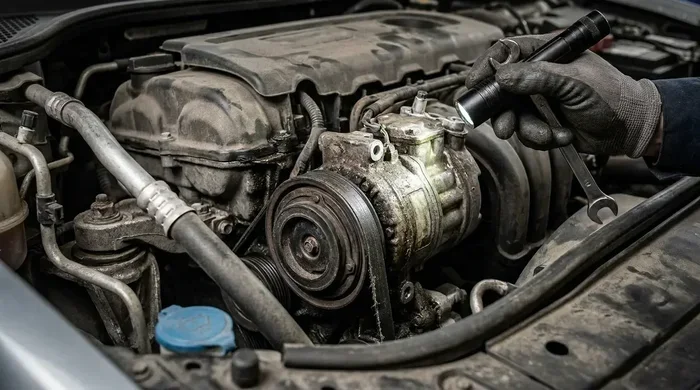
How to Oil Your Air Compressor for Peak Performance
Oiling your air compressor is one of the simplest yet most important maintenance tasks you can do. Regular oil changes keep your compressor running cool, reduce wear on internal parts, and extend its lifespan significantly. This guide walks you through everything from choosing the right oil to performing a full oil change in just a few easy steps.
Your air compressor works hard. Whether you use it to power nail guns, inflate tires, or run paint sprayers, that machine takes a beating every time you flip the switch. And just like any hardworking tool, it needs proper care to keep performing at its best.
Oiling your air compressor is one of the most important — and most overlooked — maintenance tasks. Think of oil as the lifeblood of your compressor. Without it, metal parts grind against each other, heat builds up, and eventually, your machine seizes up. Nobody wants that.
In this guide, we will walk you through exactly how to oil your air compressor step by step. You will learn which oil to use, when to change it, and the simple tricks that keep your compressor running like new. Whether you own a small pancake compressor for your garage or a big rotary screw unit for a workshop, this guide has you covered.
Key Takeaways
- Use the right oil: Always choose compressor-specific oil or the manufacturer-recommended grade to avoid damage.
- Change oil regularly: Most compressors need an oil change every 500 to 1,000 hours of use or at least once a year.
- Check oil levels frequently: Low oil causes overheating and premature wear on pistons and valves.
- Drain moisture regularly: Condensation builds up in the tank and mixes with oil, reducing lubrication effectiveness.
- Never overfill: Too much oil causes foaming, poor lubrication, and potential pressure issues.
- Synthetic oil lasts longer: Synthetic compressor oil offers better thermal stability and longer intervals between changes.
- Maintenance extends life: Just like maintaining a generator extends its lifespan, regular oiling keeps your compressor running strong for a decade or more.
📑 Table of Contents
- Why Oiling Your Air Compressor Matters
- Understanding Compressor Oil Types
- How to Oil Your Air Compressor: Step-by-Step
- How Often Should You Change Compressor Oil?
- Common Mistakes When Oiling an Air Compressor
- Pro Tips for Keeping Your Compressor in Top Shape
- How Long Does a Well-Maintained Compressor Last?
- Final Thoughts
Why Oiling Your Air Compressor Matters
Some people skip oiling their compressor because they do not see immediate problems. But damage from poor lubrication builds up silently. By the time you notice a drop in performance, the internal damage may already be done.
Here is what clean, fresh oil does for your compressor:
- Reduces friction: Metal-on-metal contact creates heat and wear. Oil creates a slippery barrier between moving parts.
- Cools the system: Compressors generate a lot of heat during operation. Oil absorbs and carries away excess heat.
- Seals gaps: Oil helps maintain proper compression by sealing small gaps between pistons and cylinders.
- Prevents rust: Moisture inside the tank can cause rust. Oil coats internal surfaces and protects against corrosion.
- Reduces noise: A well-lubricated compressor runs quieter and smoother than a dry one.
Think of it this way. You would not drive your car for 10,000 miles without an oil change. Your compressor deserves the same respect. Skipping oil changes is like running a car engine without coolant — it works for a while, but the consequences are expensive.
Just as choosing the right generator size depends on your power needs, choosing the right compressor oil depends on your specific machine and how you use it.
Understanding Compressor Oil Types
Not all oils are created equal. Using the wrong type of oil can void your warranty, reduce performance, or even destroy your compressor. Let us break down the main options so you can make the right choice.
Standard Compressor Oil (Mineral-Based)
Standard compressor oil is the most common type. It is made from refined petroleum and works well for most light-to-medium duty compressors. This is the go-to oil for home workshop compressors that see occasional use.
Standard mineral oil is affordable and widely available. You can find it at most hardware stores and auto parts shops. However, it breaks down faster under high heat and needs more frequent changes.
Synthetic Compressor Oil
Synthetic oil is engineered in a lab for superior performance. It handles extreme temperatures better and lasts longer than standard oil. If you use your compressor daily or in hot environments, synthetic oil is worth the extra cost.
Many professional workshops and industrial operations prefer synthetic compressor oil because of its longer lifespan and better protection. While it costs more upfront, you save money in the long run by changing it less often.
Oil-Free Compressors
Some compressors come pre-lubricated with a special coating or use a sealed bearing system that never needs oil. These are called oil-free compressors. They are popular for home users who want low maintenance.
However, oil-free compressors typically do not last as long as oil-lubricated models under heavy use. The coating wears down over time, and once it is gone, there is no way to reapply it.
Viscosity Ratings Explained
Oil viscosity refers to how thick or thin the oil is at different temperatures. Compressor oil typically comes in two standard grades:
- 20-weight oil: Thinner, flows easily in cold conditions. Best for cooler climates and lighter compressors.
- 30-weight oil: Thicker, provides stronger protection in hot conditions. Best for heavy-duty compressors and warm climates.
Always check your compressor manual for the recommended viscosity. Using the wrong weight oil can lead to poor lubrication or excessive drag on the motor.
How to Oil Your Air Compressor: Step-by-Step
Now for the good stuff. Here is the complete process for oiling your air compressor safely and effectively. Follow these steps every time, and your compressor will thank you.
Step 1: Gather Your Supplies
Before you start, make sure you have everything you need. You do not want to stop halfway through because you forgot something.
- Compressor oil (the correct type and amount for your model)
- A clean funnel
- A wrench or socket set (for draining the old oil)
- A drain pan or container
- Rags or paper towels
- Gloves and safety glasses
Step 2: Let the Compressor Cool Down
Never add oil to a hot compressor. Wait at least 15 to 20 minutes after use to let the machine cool down. Hot oil is thinner and will drain more completely, but adding oil to a hot engine can cause burns or uneven filling.
Also, make sure the compressor is unplugged. Safety first, always.
Step 3: Drain the Old Oil
Place your drain pan underneath the drain valve. Most compressors have a small valve at the bottom of the oil tank. Use your wrench to open the valve and let the old oil drain out completely.
Tip: Tilt the compressor slightly to help the old oil flow out more completely. Let it drain for at least 10 minutes. Old oil often contains metal particles and moisture that you do not want sitting inside your machine.
Step 4: Replace the Drain Valve
Once the oil has stopped flowing, close the drain valve tightly. A loose drain valve will cause leaks and can lead to low oil levels during operation.
Step 5: Add New Oil
Locate the oil fill cap on top of the compressor. Remove it and insert your funnel. Pour in the new oil slowly and check the dipstick frequently. You want to fill to the line marked on the dipstick — not above it and not below it.
Overfilling is a common mistake. Too much oil causes foaming, which reduces lubrication and can cause pressure problems. If you accidentally overfill, drain the excess and start again.
Step 6: Check the Oil Level
After adding oil, replace the fill cap and wipe up any spills. Now check the oil level one more time with the dipstick. The oil should sit between the minimum and maximum marks.
Run the compressor for a few minutes, then turn it off and wait a couple of minutes for the oil to settle. Check the level again. Top off if needed.
For a related guide on maintaining your equipment, you might also check out how to properly plug a generator into your house for backup power during maintenance or shop use.
How Often Should You Change Compressor Oil?
The answer depends on how much you use your compressor and what type of oil you use. Here is a general guide:
- Standard mineral oil: Change every 500 hours of use or every 3 months, whichever comes first.
- Synthetic oil: Change every 1,000 to 2,000 hours of use or every 6 months.
- Heavy-use environments: If you run your compressor daily in a dusty or hot setting, change oil more frequently.
- Infrequent use: Even if you rarely use the compressor, change the oil at least once a year. Old oil breaks down over time and loses its protective properties.
A good rule of thumb is to check your oil level before every use. If the oil looks dark, gritty, or smells burnt, it is time for a change regardless of the clock.
Think of it like maintaining any piece of power equipment. Just as you would check the fuel level and oil in a portable generator before storing it, your compressor deserves the same attention.
Signs Your Compressor Oil Needs Changing
Watch for these warning signs that your compressor oil is due for a change:
- Dark or black oil on the dipstick
- Unusual grinding or knocking noises from the motor
- The compressor runs hotter than normal
- Reduced air pressure or slower performance
- Visible smoke or steam coming from the unit
- Oil smells burnt or acrid
If you notice any of these signs, change your oil immediately. Running a compressor with degraded oil can cause permanent damage to the pump and motor.
Common Mistakes When Oiling an Air Compressor
Even experienced DIYers make mistakes when it comes to compressor oiling. Here are the most common errors and how to avoid them.
Using the Wrong Oil
This is the number one mistake. Never use regular motor oil in your air compressor unless the manufacturer explicitly says it is okay. Motor oil contains detergents and additives that can create sludge inside a compressor. Stick to compressor-specific oil or the grade recommended in your manual.
For example, if you would never use cooking oil in your car engine, do not use car engine oil in your compressor. The two machines have very different needs.
Overfilling the Oil Reservoir
More oil is not better. Overfilling causes the oil to foam, which reduces its ability to lubricate properly. It can also cause the pressure relief valve to open prematurely, leading to performance issues.
Always fill to the fill line or just below the fill hole. When in doubt, underfill slightly rather than overfill.
Skipping Oil Changes
It is easy to forget about oil changes when your compressor seems to be running fine. But oil degrades over time, even when the machine sits unused. Set a reminder on your phone or mark your calendar to change the oil on schedule.
Think about how you would maintain a whole-home generator or a backup power system. Regular maintenance prevents unexpected breakdowns, and the same principle applies to your compressor.
Ignoring Oil Leaks
If you notice oil pooling under your compressor or a steady drop in oil level between changes, do not ignore it. Leaks usually come from worn gaskets, loose drain valves, or cracked fittings. Address leaks promptly to prevent running the compressor with low oil.
Forgetting to Drain Moisture
Condensation builds up inside the air tank every time you use the compressor. This moisture mixes with the oil and reduces its effectiveness. Drain the tank after every use and check the oil for signs of water contamination.
If the oil looks milky or frothy, water has gotten into the system. Drain the oil, replace it with fresh oil, and find the source of the moisture intrusion.
Pro Tips for Keeping Your Compressor in Top Shape
Oiling is just one part of compressor maintenance. Here are some bonus tips that will help you get the most out of your machine.
Clean the air filter regularly. A clogged air filter forces the motor to work harder, which increases oil consumption and heat. Check the filter every few weeks and clean or replace it as needed.
Inspect hoses and connections. Leaking hoses waste compressed air and put extra strain on the motor. Check all connections for leaks and tighten them regularly.
Store your compressor properly. If you store the compressor for extended periods, change the oil first. Fresh oil protects internal surfaces during storage. Also, store the machine in a dry, cool place to prevent rust and moisture buildup.
Keep a maintenance log. Write down every oil change, filter replacement, and inspection date. This helps you stay on track and gives you a record if you ever need warranty service or troubleshooting help.
Use compressed air safely. If you are running multiple tools off your compressor, make sure you understand the total air demand. Overloading your compressor can cause it to run constantly, which stresses the motor and burns through oil faster. For guidance on matching equipment to power sources, consider learning about how to hook a generator to your house for reliable backup power in your workshop.
Consider the environment. If you work in a dusty or dirty environment, clean your compressor more often. Dust and debris can contaminate the oil and clog internal passages. A clean workspace leads to a longer-lasting machine.
How Long Does a Well-Maintained Compressor Last?
A well-maintained air compressor can last 10 to 15 years or more, depending on the type and how heavily you use it. The biggest factor in compressor longevity is consistent maintenance — and oiling is at the top of that list.
Compressors that skip regular oil changes often fail within 3 to 5 years. The pump wears out prematurely, and replacement costs can exceed the price of a new machine.
The same principle applies to other equipment. Just as proper maintenance extends the life of a generator or any motorized tool, regular oiling and care keeps your compressor in service for the long haul.
Investing a few dollars in quality compressor oil and spending 15 minutes on a routine oil change pays for itself many times over. You avoid costly repairs, extend your machine’s lifespan, and keep your compressor performing at peak efficiency every single day.
Final Thoughts
Oiling your air compressor is simple, fast, and absolutely essential. It takes less than 30 minutes to drain the old oil, add fresh oil, and check your levels. Yet that small effort protects your investment and keeps your compressor running smoothly for years to come.
Use the right oil, follow the manufacturer’s recommendations, and stick to a regular maintenance schedule. Your compressor will reward you with reliable performance every time you need it.
Do not wait until something goes wrong. Make oiling part of your regular routine and enjoy the peace of mind that comes with a well-maintained machine.
Frequently Asked Questions
Can I use regular motor oil in my air compressor?
It is best to avoid regular motor oil unless your compressor manual specifically allows it. Motor oil contains additives and detergents that can create sludge inside a compressor. Stick to compressor-specific oil or the manufacturer-recommended grade for the best results and longest machine life.
How do I know if my compressor needs oil?
Check the oil dipstick regularly. If the oil level is below the minimum mark, it is time to add more. Also, look for dark color, gritty texture, or a burnt smell — these all indicate the oil needs to be replaced entirely, not just topped off.
Can I overfill my air compressor with oil?
Yes, overfilling is a real problem. Too much oil causes foaming, which reduces lubrication and can lead to pressure issues. Always fill to the fill line or just below the fill hole, and never exceed the maximum mark on the dipstick.
What happens if I never change my compressor oil?
Old oil breaks down and loses its lubricating properties. Over time, this causes increased friction, overheating, and accelerated wear on internal components like pistons and valves. Eventually, the compressor pump can seize up, requiring expensive repairs or full replacement.
Is synthetic compressor oil worth the extra cost?
For most users, yes. Synthetic oil lasts longer, handles temperature extremes better, and provides superior protection against wear. If you use your compressor frequently or in demanding conditions, the extra cost pays for itself through longer oil change intervals and better machine protection.
Should I drain moisture from my compressor tank every time?
Yes, draining moisture after every use is a great habit. Condensation builds up in the tank and can mix with the oil, reducing its effectiveness and causing internal corrosion. A quick drain after each session takes just a few seconds and goes a long way toward protecting your compressor.
=== CONCLUSION ===
Oiling your air compressor is one of the easiest and most impactful maintenance tasks you can perform. It takes just a few minutes, costs very little, and pays off in better performance, longer machine life, and fewer unexpected breakdowns. Use the right oil, change it on schedule, and check your levels regularly.
Your compressor is a valuable tool, and treating it well means it will treat you well. Make oiling part of your routine and enjoy reliable, peak-performance operation every time you need it.