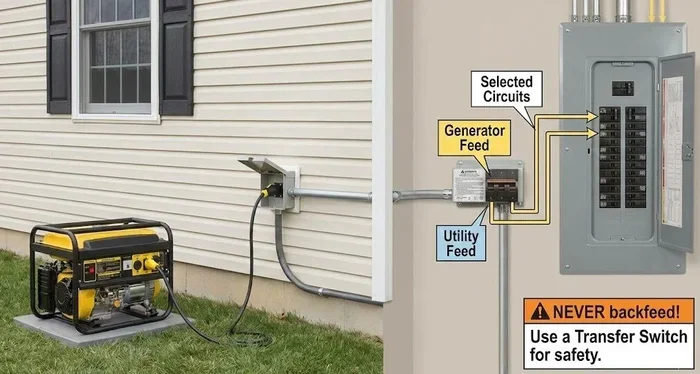
How To Plug A Generator Into Your House The Right Way
Knowing how to plug a generator into your house safely keeps your home running during a power outage. This guide covers every method, from manual transfer switches to interlock kits, with clear step-by-step instructions. You will also learn critical safety tips and common mistakes to avoid.
Learning how to plug a generator into your house is one of the most valuable skills you can have when a power outage strikes. A sudden loss of electricity can leave your family in the dark, but the right setup keeps your essential appliances running smoothly. This guide covers every safe method, from generator transfer switches to interlock kits, so you can choose what works best for your home. You will also discover critical electrical safety tips that protect both your family and your property. By the time you finish reading, you will know exactly how to plug a generator into your house the right way.
Power outages are more common than most people think. Storms, equipment failures, and grid overloads can knock out electricity for hours or even days. When that happens, having a generator ready to go makes all the difference. But knowing how to connect it safely is just as important as owning the machine. Many homeowners make the mistake of plugging their generator directly into a wall outlet. This practice, known as backfeeding, is extremely dangerous. It can send electricity backward through your wiring and endanger utility workers. Worse, it can damage your home’s electrical system or even start a fire. The good news is that there are safe, proven methods to power your home with a generator. This article walks you through each one in clear, simple steps.
Key Takeaways
- Never backfeed your generator: Plugging directly into a wall outlet is extremely dangerous and illegal in many areas.
- Use a transfer switch or interlock kit: These are the only safe ways to connect a generator to your home’s electrical system.
- Match your generator to your power needs: Calculate your wattage capacity before buying equipment to avoid overloading.
- Follow all safety precautions: Proper grounding, carbon monoxide awareness, and correct placement are non-negotiable.
- Get permits when required: Local electrical codes exist to protect you and your household.
- Call a licensed electrician when in doubt: Some setups are best left to professionals for maximum safety.
📑 Table of Contents
Understanding Your Generator Options and Power Needs
Before you learn how to plug a generator into your house, you need to understand the types of generators available. Not all generators are the same, and choosing the right one depends on your power needs, budget, and home setup. Let us break down the main options so you can make an informed decision.
Portable vs Standby Generators
There are two main categories of generators for home use. Each has its own strengths and limitations. Here is a quick comparison to help you decide.
| Feature | Portable Generator | Standby Generator |
|---|---|---|
| Power Source | Gasoline, propane, or dual-fuel | Natural gas or propane |
| Wattage Range | 3,000 to 10,000 watts | 7,000 to 24,000 watts |
| Installation | No permanent installation needed | Professional installation required |
| Cost | $500 to $2,500 | $3,000 to $15,000+ |
| Run Time | 8 to 24 hours per tank | Unlimited with continuous fuel supply |
| Best For | Temporary power for essentials | Whole house backup power |
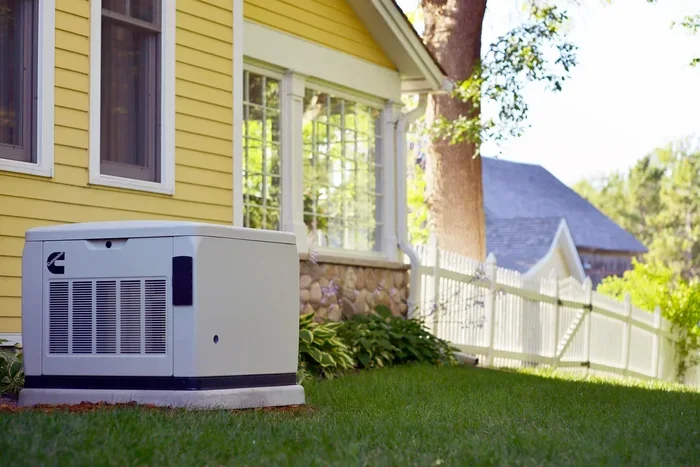
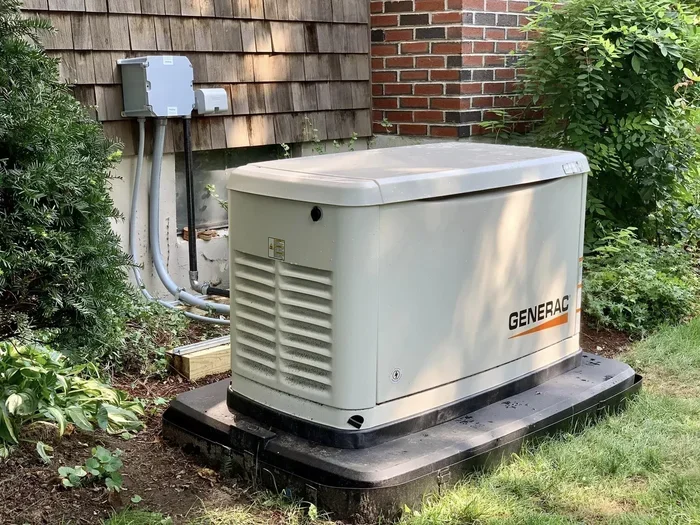
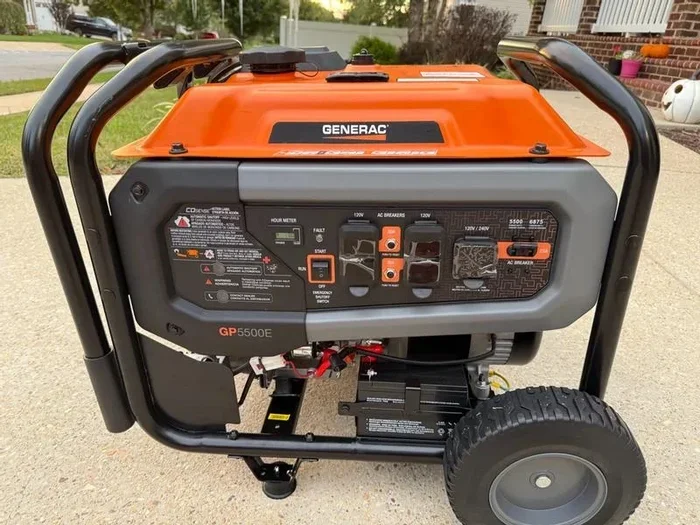
A portable generator is great for temporary needs. You can move it around and use it for camping or job sites too. A standby generator (also called a whole house generator) installs permanently outside your home. It turns on automatically when the power goes out. Both options require you to know the correct way to connect them to your electrical system.
Calculating Your Wattage Capacity
Every appliance in your home uses a certain amount of electricity measured in watts. Before you buy a generator or any connection equipment, you need to calculate your total wattage needs. Start by listing the essential items you want to power during an outage. Common essentials include your refrigerator, sump pump, lights, and furnace blower. Check the label on each appliance for its wattage rating. Add up the running watts and then add the starting watts for motor-driven appliances like refrigerators and air conditioners. This total tells you the minimum wattage capacity you need from your generator.
Choosing the Right Fuel Type
The fuel type matters for both convenience and safety. Gasoline is widely available but has a short shelf life. Propane burns cleaner and stores well for long periods. Natural gas is the most convenient option for standby generators since it connects directly to your home’s gas line. Choose a fuel type that matches your storage capacity and local availability.
Essential Equipment You Will Need
Once you have your generator, you need the right equipment to connect it safely. Using the wrong cables or skipping key components can be very dangerous. Here is everything you need to know about the essential gear.
Transfer Switches and Interlock Kits
The most important piece of equipment for connecting a generator is a transfer switch. This device sits between your generator and your home’s electrical panel. It ensures that power from the generator flows only into your home and never back into the utility lines. There are two main types.
A manual transfer switch requires you to physically switch the input source from utility to generator. You turn off your main breaker, flip the transfer switch, and then start your generator. A automatic transfer switch does this for you. It detects a power loss, starts the generator, and switches the load automatically. Automatic switches are more convenient but also more expensive.
An interlock kit is a simpler and more affordable alternative. It is a mechanical device that prevents both the utility breaker and the generator breaker from being on at the same time. This eliminates the risk of backfeeding. Interlock kits work well for homeowners who want a straightforward, budget-friendly solution.
Generator Cords and Cables
If you are using a portable generator without a transfer switch, you will need a heavy duty extension cord rated for outdoor use. Look for cords with a gauge of 10 or 12 for high-wattage appliances. The cord should have a grounding rod connection and be rated for the amperage your generator produces. Never use indoor extension cords or lightweight cords for generator connections. They can overheat and cause fires.
Additional Safety Gear
Do not overlook basic safety gear. You should have insulated gloves, safety glasses, and a carbon monoxide detector near your generator at all times. A dedicated circuit for your generator connection point also adds an extra layer of protection. Make sure all your tools are in good working condition before you begin any electrical work.
Step-by-Step: How to Plug a Generator Into Your House
Now that you have your equipment, let us walk through the actual process of plugging a generator into your house safely. Follow these steps carefully and never rush the process.
Step 1: Choose the Right Generator Placement
Generator placement is the first and most important step. Your generator should always be placed outside, at least 20 feet away from your home, doors, and windows. This distance prevents carbon monoxide from entering your living space. Place the generator on a level, dry surface. Never operate a generator in a garage, even with the door open. The exhaust contains deadly fumes that can accumulate quickly in enclosed spaces.
Step 2: Install the Transfer Switch or Interlock Kit
Next, you need to install your chosen connection device. For a manual transfer switch, you will need to mount it next to your main electrical panel. A licensed electrician should handle this installation in most cases. The switch connects to a dedicated inlet box on the exterior of your home. For an interlock kit, the installation is simpler. The kit mounts on your electrical panel and prevents both breakers from being engaged at the same time. Follow the manufacturer’s instructions carefully for your specific model.
Step 3: Connect the Generator Cord
If you are using a portable generator with a direct cord connection, plug the generator cord into the generator first. Then run the cord through a window or door to reach your electrical panel. Connect the cord to the dedicated inlet box or a circuit breaker that controls only the circuits you want to power. Never try to power your entire electrical panel unless your generator has the capacity. Start with essential circuits like refrigeration, lighting, and heating.
Make sure all connections are tight and secure. Loose connections can cause sparking, heat buildup, or power loss. Use weatherproof covers on any outdoor connections to protect against moisture.
Step 4: Power Up and Test Your System
With everything connected, you can now start your generator. Let it run for a few minutes to stabilize. Then flip the transfer switch or engage the interlock kit to route power to your home. Check each circuit you want to power one at a time. Listen for any unusual sounds from the generator. Watch for flickering lights, which can indicate an overload. If everything runs smoothly, you have successfully connected your generator to your home.
Quick Tips
- Always test your setup before you actually need it during an outage.
- Label each circuit you plan to use so you can switch them on quickly.
- Keep a checklist of connection steps near your generator for reference.
- Store your generator cord coiled and dry to prevent damage.
Safety Precautions You Cannot Skip
Electrical safety is not optional when connecting a generator to your home. Skipping safety steps can lead to serious injury, property damage, or even death. Here are the precautions you must follow every single time.
Avoiding Backfeeding
Backfeeding is the most dangerous mistake you can make. It happens when you plug a generator directly into a wall outlet. The electricity flows backward through your wiring and into the utility grid. This can electrocute utility workers who are repairing power lines. It can also fry the electronics in your home and damage the generator. Always use a transfer switch or interlock kit to prevent backfeeding. Never take shortcuts here.
Carbon Monoxide Risks
Generators produce carbon monoxide, an invisible and odorless gas that can be fatal within minutes. Install battery-operated carbon monoxide detectors on every level of your home. Test them regularly. Never run a generator in a basement, crawl space, or attached garage. Even with ventilation, CO can build up to dangerous levels. If your CO detector alarms, move outside immediately and call for help.
Electrical Safety Best Practices
Keep these electrical safety best practices in mind at all times. Always turn off the main breaker before connecting or disconnecting your generator. Make sure your hands are dry when handling any electrical connections. Use only outdoor-rated cords and equipment. Inspect all cables for damage before each use. Never overload your generator by connecting more appliances than it can handle. If you notice any burning smell, sparking, or unusual heat, shut everything down immediately and call a professional.
Common Mistakes and How to Avoid Them
Even with the best intentions, mistakes happen. Knowing what to avoid can save you from costly repairs or dangerous situations. Here are the most common errors homeowners make when connecting a generator.
Overloading Your Generator
One of the biggest mistakes is plugging in too many appliances at once. Every generator has a maximum wattage capacity. Exceeding it can trip the breaker, damage your appliances, or overheat the generator. Make a list of only the essential items you need to run. Add up their wattage before you start. If you are close to the limit, prioritize refrigerators, medical equipment, and lighting over less critical devices.
Skipping Permits and Local Codes
Many areas require permits for generator installations, especially those involving transfer switches or interlock kits. Skipping this step can result in fines and safety hazards. Local electrical codes exist to protect you and your neighbors. Check with your city or county building department before you begin any installation work. A licensed electrician can usually handle the permit process for you.
Neglecting Regular Maintenance
Your generator needs regular maintenance just like any other appliance. Run it under load for at least 15 minutes every month to keep the engine in good shape. Change the oil and filter according to the manufacturer’s schedule. Store fuel in approved containers and rotate it regularly. A well-maintained generator is safer and more reliable when you need it most.
Common Mistakes at a Glance
- Plugging the generator directly into a wall outlet (backfeeding).
- Running the generator too close to the house or in an enclosed space.
- Using cords or equipment not rated for the generator’s output.
- Forgetting to turn off the main breaker before switching power sources.
- Skipping regular maintenance and fuel rotation.
Expert Tips for a Successful Setup
Setting up your generator correctly the first time saves you headaches down the road. Here are some expert insights to make your setup smooth and safe.
Start by reading your generator’s owner manual from cover to cover. Every model has specific instructions for safe operation and connection. Next, invest in a quality generator cord that is long enough to reach from your outdoor placement to your electrical panel without stretching across walkways or driveways. Consider purchasing a surge protector for sensitive electronics like computers and televisions.
If you plan to use a whole house generator, talk to a licensed electrician about your home’s specific electrical needs. They can recommend the right size transfer switch and help you plan your circuit priorities. An expert can also ensure your grounding is up to code and that your electrical panel can handle the additional load safely.
When to Call a Professional
While some homeowners are comfortable with basic generator connections, others should call in a professional. If you are unsure about any part of the installation, hire a licensed electrician. This is especially true for installing a manual transfer switch or wiring a dedicated inlet box. Improper wiring can void your homeowner’s insurance and create serious safety risks. A professional ensures everything is code-compliant and safe for your family.
Conclusion
How to plug a generator into your house safely comes down to three things: using the right equipment, following proper steps, and never skipping safety precautions. Whether you choose a portable generator or a standby unit, a transfer switch or an interlock kit, the key is to connect your generator correctly and always prioritize safety. Avoid backfeeding at all costs. Place your generator in a well-ventilated outdoor area. Calculate your power needs before you buy equipment. And when in doubt, consult a licensed electrician.
A power outage does not have to be a crisis. With the right setup and a little preparation, you can keep your home running smoothly until the grid is restored. Take the time to learn the process, gather your equipment, and practice your setup before you actually need it. Your family will thank you for it.
Frequently Asked Questions
Can I plug a generator directly into a wall outlet?
No, you should never plug a generator directly into a wall outlet. This practice, known as backfeeding, is extremely dangerous. It sends electricity backward through your wiring and can endanger utility workers. It can also damage your home’s electrical system and void your insurance. Always use a transfer switch or interlock kit instead.
What is the difference between a manual and automatic transfer switch?
A manual transfer switch requires you to physically switch the power source from utility to generator. You turn off the main breaker, flip the switch, and start the generator. An automatic transfer switch detects a power loss and switches the load automatically. Automatic switches are more convenient but also more expensive to install.
How far should my generator be from my house?
Your generator should be placed at least 20 feet away from your home, doors, and windows. This distance prevents carbon monoxide from entering your living space. Always place the generator outside on a level, dry surface. Never run it in a garage or any enclosed area, even with the door open.
Do I need a permit to connect a generator to my house?
Many areas require permits for generator installations, especially those involving transfer switches or interlock kits. Permit requirements vary by location. Check with your local building or electrical department before starting any installation. A licensed electrician can usually handle the permit process for you.
What size generator do I need for my house?
The size depends on which appliances you want to power during an outage. Add up the running watts and starting watts of your essential items like the refrigerator, sump pump, and lights. A portable generator between 5,000 and 10,000 watts can typically handle essentials. A whole house standby generator ranging from 15,000 to 24,000 watts can power your entire home.
How often should I test my generator setup?
You should test your generator at least once a month. Run it under load for 15 to 20 minutes to keep the engine in good condition. Use this time to check all connections, cords, and safety equipment. Testing regularly ensures everything works when you need it most during an actual power outage.