Exactly How Long Can a Standby Generator Run Continuously
A standby generator can run continuously for days or even weeks depending on fuel type, tank size, and maintenance. Natural gas units can run indefinitely if the supply line stays active, while propane and diesel models need regular refueling and rest periods. Understanding your generator runtime limits helps you stay powered through any outage.
Power outages are more than just an inconvenience. They can disrupt your daily life, spoil food, and even threaten your family’s safety. That is why more homeowners are investing in a standby generator to keep their homes running when the grid goes down.
But here is the big question most people ask before buying one: how long can a standby generator run continuously? The answer is not as simple as you might think. It depends on several factors, including the fuel type, the size of your fuel supply, and how much power your household is pulling at any given moment.
In this guide, we will break down everything you need to know about standby generator runtime. Whether you are dealing with a short blackout or a multi-day emergency, you will walk away with a clear picture of what to expect. We will also share practical tips to help you get the most out of your backup power system without causing damage to the unit or your home.
Key Takeaways
- Natural gas standby generators can run continuously as long as the fuel line is active and uninterrupted.
- Propane and diesel generators have runtime limits based on tank size and fuel consumption rates.
- Regular maintenance intervals are essential even during extended power outages.
- Load capacity directly affects how long your generator can sustain continuous operation.
- Cooling system health plays a major role in preventing overheating during long runs.
- Automatic transfer switches make switching between utility and backup power seamless.
- Knowing your fuel consumption rate helps you plan for extended power outages confidently.
📑 Table of Contents
How Standby Generators Work
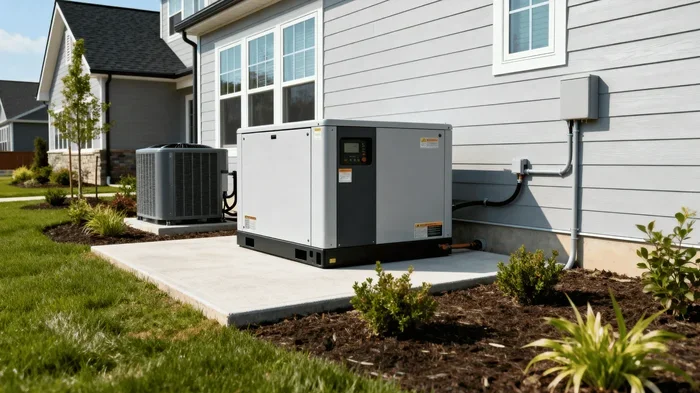
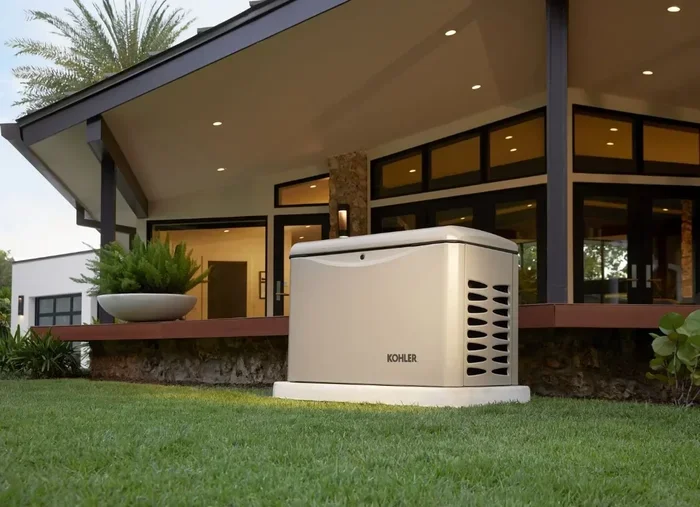
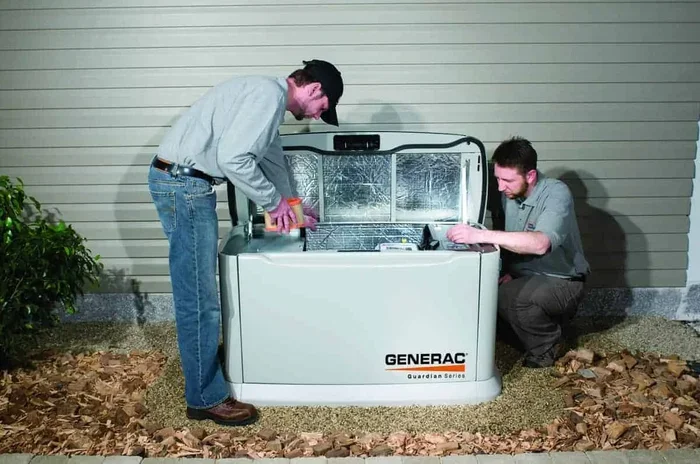
Before we dive into runtime specifics, it helps to understand the basics of how a standby generator operates. Unlike portable generators that you wheel out by hand, standby units are permanently installed outside your home. They connect directly to your electrical system and kick in automatically when the power goes out.
The Basic Mechanism
A standby generator has two main components that make it work. The first is the engine, which burns fuel to create mechanical energy. The second is the alternator, which converts that mechanical energy into electrical power. Together, they deliver electricity to your home just like the utility grid does.
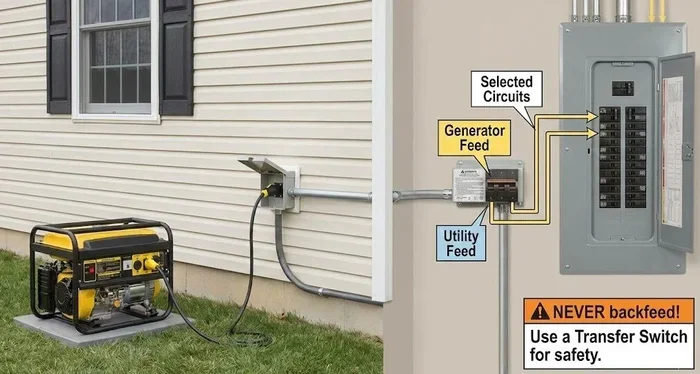
When the power goes out, an automatic transfer switch detects the loss and signals the generator to start. Within seconds, the unit powers up and takes over the electrical load. When utility power returns, the switch shifts back seamlessly. This entire process happens without you lifting a finger.
Why the Automatic Transfer Switch Matters
The automatic transfer switch, or ATS, is the brain behind the operation. It monitors your home’s connection to the grid constantly. The moment it senses an interruption, it sends a signal to start the generator. Once utility power is restored and stable, the ATS switches back and tells the generator to shut down.
This automation is what sets standby generators apart from portable options. You do not need to be home to start the unit or connect extension cords. The system handles everything on its own, giving you peace of mind even when you are away.
How Long Can a Standby Generator Run Continuously
The short answer is that a standby generator can run continuously for as long as it has fuel and stays in good working condition. But the longer answer depends on the type of fuel your unit uses and the setup of your home’s fuel supply.
Natural Gas Standby Generators
Natural gas is the most popular fuel choice for standby generators, and for good reason. If your home is connected to a municipal natural gas line, your generator can technically run indefinitely. The fuel supply never runs out as long as the utility company keeps delivering gas through the line.
Of course, there are practical limits. You should still perform regular maintenance checks even during a long outage. Most manufacturers recommend shutting the unit down every 24 to 48 hours for a brief inspection. This allows you to check oil levels, inspect the cooling system, and make sure everything is running smoothly.
In real-world scenarios, many homeowners report running their natural gas units for up to 30 days straight during severe weather events. The key is staying on top of maintenance and monitoring the unit closely.
Propane Standby Generators
Propane is another common fuel option for standby generators. Unlike natural gas, propane is stored in tanks on your property. This means your runtime is limited by the size of those tanks and how much fuel you have on hand.
A standard propane tank holds about 500 gallons. A typical standby generator running at 50% load will consume roughly 2 to 3 gallons of propane per hour. That means a full 500-gallon tank could last anywhere from 7 to 10 days of continuous operation.
Many homeowners install a second tank or use a larger 1,000-gallon tank to extend runtime. Some even set up automatic propane delivery services to ensure they never run dry during a long outage. The beauty of propane is that it stores indefinitely, so you do not have to worry about fuel degradation over time.
Diesel Standby Generators
Diesel generators are common in commercial settings but are also used in some residential applications. Diesel fuel is energy-dense and burns efficiently, which gives diesel units a solid runtime per gallon.
A typical residential diesel standby generator has a fuel tank that holds between 24 and 48 hours of runtime at full load. However, you can connect an external fuel tank to extend this significantly. The main challenge with diesel is that the fuel can degrade over time if stored for too long, so you need to manage your supply carefully.
Diesel engines also require more frequent maintenance than natural gas units. Regular oil changes and filter replacements become even more critical during extended runs.
Factors That Affect Generator Runtime
Not all generators are created equal, and not all outages are the same. Several factors determine how long your standby generator can keep running without interruption. Understanding these factors helps you plan better and avoid surprises.
Fuel Tank Size and Supply
The size of your fuel supply is the single biggest factor in determining runtime. A larger tank means more fuel and a longer continuous run. For natural gas units, the supply line itself acts as your fuel source, so the tank size question does not apply in the same way.
For propane and diesel units, you should calculate your expected runtime based on your fuel storage capacity. Here are some general numbers to keep in mind:
- 500-gallon propane tank: approximately 7 to 10 days at 50% load
- 1,000-gallon propane tank: approximately 14 to 20 days at 50% load
- Standard diesel tank (24 to 48 hours): extendable with external tanks
- Natural gas line: effectively unlimited as long as supply is active
Load and Power Demand
The amount of electricity your home draws directly affects fuel consumption. If you are running heavy appliances like air conditioners, electric heaters, or well pumps, your generator will burn through fuel faster. A lighter load means less stress on the engine and a longer runtime.
Most standby generators are sized to handle 50% to 75% of a home’s peak electrical load. Running your unit near its maximum capacity for days on end is not ideal. It increases fuel consumption and puts more wear on the engine components.
One smart approach is to prioritize essential circuits during an outage. Keep your refrigerator, lighting, and medical devices running while cutting back on non-essential loads like entertainment systems or extra lighting. This simple step can significantly extend your generator runtime.
Maintenance and Cooling System Health
Even the best whole house generator needs regular care. During extended runs, the engine generates a lot of heat. The cooling system works hard to keep temperatures in check, and over time, it may need attention.
Oil degrades over time, even when the generator is not under heavy use. Most manufacturers recommend changing the oil after a certain number of engine hours, typically around 100 to 200 hours of continuous operation. Neglecting oil changes during a long outage can lead to engine damage and costly repairs.
The cooling fan, radiator, and airflow passages should also be checked periodically. Debris, dirt, and insects can block airflow and cause the unit to overheat. A quick visual inspection every day or two during an extended outage can prevent serious problems.
Generator Runtime Limit and Safety Shutdowns
Most modern standby generators come equipped with safety features that will shut the unit down if something goes wrong. Low oil pressure, high engine temperature, and low fuel levels can all trigger an automatic shutdown. These protections are there to prevent catastrophic damage to the engine.
If your generator keeps shutting down during a long run, it is trying to tell you something. Check the oil level, inspect for overheating, and make sure the fuel supply is adequate. Ignoring these warning signs can lead to expensive repairs or even the need for a full replacement.
Comparing Fuel Types for Extended Runtime
Choosing the right fuel type is one of the most important decisions you will make when buying a standby generator. Each fuel has its own advantages and limitations when it comes to continuous power supply. Here is a closer look at how they compare.
| Fuel Type | Runtime Limit | Refueling Needed? | Best For | Fuel Shelf Life |
|---|---|---|---|---|
| Natural Gas | Indefinite (with supply line) | No | Long outages, minimal maintenance | N/A (continuous supply) |
| Propane | 7 to 20+ days (tank dependent) | Yes, when tank runs low | Moderate outages, stored fuel | Indefinite |
| Diesel | 1 to 3 days (standard tank) | Yes, frequently | Heavy loads, commercial use | 6 to 12 months (stored) |
As you can see, natural gas offers the longest practical runtime for most homeowners. Propane is a solid second choice, especially if you store extra tanks on-site. Diesel is powerful and efficient but requires more hands-on management during extended outages.
Quick Tips for Maximizing Runtime
- Install a larger fuel tank if you live in an area prone to long outages.
- Reduce your electrical load to essential circuits only during extended runs.
- Keep a supply of spare oil and filters on hand for mid-outage maintenance.
- Set up a maintenance schedule with your installer that includes checks every 24 to 48 hours.
- Use a fuel stabilizer if you store diesel for more than a few months.
- Keep the generator’s exterior clean and free of debris for proper airflow.
- Test your generator monthly to ensure it starts reliably when you need it most.
Common Mistakes to Avoid
Even the best backup power system can fail if you make avoidable mistakes. Here are some common errors that shorten generator runtime or cause premature failure.
Skipping maintenance during an outage. It is tempting to ignore the generator when the power is out and everything seems fine. But skipping oil changes and inspections during extended runs is a recipe for disaster. The engine works hard, and it needs the same care it would get during normal use.
Running the unit at full load 24/7. Operating your generator at maximum capacity for days on end puts excessive strain on the engine. Try to balance your electrical loads and avoid running everything at once whenever possible.
Ignoring warning signs. Unusual noises, excessive smoke, or frequent shutdowns are all red flags. Addressing these issues early can prevent a minor problem from turning into a major repair bill.
Not having enough fuel on hand. For propane and diesel units, running out of fuel mid-outage is a frustrating and preventable problem. Always keep extra fuel stored safely and plan for the worst-case scenario.
When to Shut Down and Perform Maintenance
Even if your standby generator is running perfectly, there are times when you should shut it down intentionally. Regular maintenance intervals protect the engine and ensure reliable performance over the long haul.
Most manufacturers recommend a brief shutdown every 24 to 48 hours during continuous operation. During this time, you should check the oil level, inspect the cooling system, and look for any visible signs of wear or damage. It only takes about 15 to 20 minutes and can add years to your generator’s lifespan.
You should also plan for a more thorough maintenance session after every 100 to 200 hours of runtime. This includes an oil and filter change, a spark plug inspection, and a check of all electrical connections. If you are facing a multi-week outage, schedule these maintenance intervals proactively.
Expert Insights on Extended Generator Runs
We spoke with several generator technicians who have experience handling units during extended power outages. Their number one piece of advice is simple: do not take your generator for granted. Even the most reliable whole house generator needs attention during long runs.
“The biggest mistake we see is homeowners who forget about their generator once it starts running,” says one veteran technician. “They assume it will just keep going forever. But generators are machines, and machines need care. A little attention goes a long way toward preventing breakdowns.”
Another expert recommends keeping a log of runtime hours, fuel levels, and any issues you notice. This simple habit helps you stay ahead of potential problems and gives your installer valuable information for future maintenance.
One more tip from the pros: invest in a generator monitoring system. These smart devices connect to your generator and send alerts to your phone if anything goes wrong. They can monitor fuel levels, engine hours, and fault codes in real time, giving you total visibility even when you are not at home.
Key Takeaways
- Natural gas standby generators can run continuously for weeks if the fuel supply line remains active.
- Propane generators can run 7 to 20+ days depending on tank size and load.
- Diesel generators offer strong performance but require more frequent refueling and maintenance.
- Load management is one of the simplest ways to extend your runtime during an outage.
- Regular maintenance including oil changes and cooling system checks is essential for long runs.
- Safety shutdowns protect your generator but indicate something needs attention.
- Planning ahead with extra fuel and maintenance supplies makes all the difference during extended outages.
Conclusion
So, how long can a standby generator run continuously? The answer is: it depends on your fuel type, your supply, and how well you maintain the unit. A natural gas generator connected to a municipal supply can run almost indefinitely, while propane and diesel units have practical limits based on tank size and fuel availability.
The good news is that with proper planning and care, a standby generator can keep your home powered through even the longest outages. Understanding your unit’s runtime limits, managing your electrical load, and staying on top of maintenance are the keys to reliable continuous power supply when you need it most.
Take the time to know your generator inside and out. Read the owner’s manual, talk to your installer, and create a maintenance plan that works for your household. When the next power outage hits, you will be glad you did. Your family will stay comfortable, your food will stay fresh, and your home will keep running smoothly no matter how long the grid is down.
A backup power system is a significant investment, but it is one that pays for itself the first time it keeps the lights on during a storm. Make smart choices about fuel type, tank size, and maintenance, and your generator will be ready to go whenever you need it.
Frequently Asked Questions
Can a standby generator run 24 hours a day?
Yes, most standby generators are designed to run 24 hours a day, 7 days a week. Natural gas units can run continuously for as long as the fuel supply is active. Propane and diesel units will need refueling and periodic maintenance checks, but they can absolutely handle round-the-clock operation.
What happens if a standby generator runs out of fuel?
If your propane or diesel generator runs out of fuel, it will automatically shut down. This protects the engine from damage. However, running dry can cause the fuel system to draw in air, which may require bleeding the lines before the unit will restart. Always keep your fuel tanks adequately filled during extended outages.
How often should I maintain my generator during a long outage?
Most manufacturers recommend a brief inspection every 24 to 48 hours during continuous operation. This includes checking the oil level, inspecting the cooling system, and looking for any unusual sounds or warning lights. A more thorough maintenance session, including an oil change, should be done after every 100 to 200 hours of runtime.
Is it safe to run a standby generator indoors?
No. Standby generators must always be installed outdoors in a well-ventilated area. They produce carbon monoxide, which is a deadly, odorless gas. Never run a generator in a garage, basement, or any enclosed space. Always follow the manufacturer’s installation guidelines and local building codes.
Does the load affect how long a generator can run?
Yes, absolutely. A heavier electrical load means the generator works harder and burns more fuel. Running your unit at or near full capacity for extended periods also increases wear and tear on the engine. Prioritizing essential circuits during an outage helps your generator run longer and more efficiently.
Can I connect an external fuel tank to extend runtime?
Yes, you can connect external fuel tanks to both propane and diesel standby generators to extend runtime. This is a common practice for homeowners in areas prone to long outages. Make sure any external tank setup complies with local safety codes and is installed by a licensed professional.