How Does a Hydrogen Generator Work Inside and Out
A hydrogen generator splits water into hydrogen and oxygen through a process called electrolysis. This clean energy technology is changing how we power vehicles, homes, and industries. Understanding how a hydrogen generator works helps you see why green hydrogen is a key part of our renewable energy future.
Have you ever wondered how a hydrogen generator works? It sounds like something from a sci-fi movie. But the truth is, this technology is very real and very practical. A hydrogen generator takes plain water and turns it into a clean-burning fuel source. The process is fascinating, and the benefits are huge.
In this guide, we will walk you through exactly how a hydrogen generator works inside and out. You will learn about the science behind it, the different types available, and how people use them every day. Whether you are curious about clean energy or thinking about buying a hydrogen generator, this article has you covered.
The world is shifting toward renewable energy. Hydrogen is at the center of that shift. It is abundant, it burns clean, and it can power almost anything. Let us dive into how this amazing technology works.
Key Takeaways
- Electrolysis is the core process: A hydrogen generator uses electricity to split water molecules into hydrogen and oxygen gas.
- Multiple types exist: PEM, alkaline, and solid oxide electrolyzers each work differently and suit different needs.
- Hydrogen fuel cells can reverse the process: They combine hydrogen and oxygen to produce electricity, heat, and water.
- Green hydrogen is the future: Using renewable energy to power hydrogen production creates zero emissions.
- Real-world uses are growing fast: From fuel cell vehicles to backup power systems, hydrogen generators are expanding into many industries.
- Maintenance matters: Regular upkeep keeps your hydrogen generator running safely and efficiently for years.
📑 Table of Contents
What Is a Hydrogen Generator?
A hydrogen generator is a device that produces hydrogen gas from water. It does this through a chemical process called electrolysis. The machine sends an electric current through water, and that breaks the water molecules apart. The result is hydrogen gas on one side and oxygen gas on the other.
You might hear people call it a hydrogen fuel cell, an electrolyzer, or a water electrolysis unit. These are all related terms. A fuel cell can actually work in reverse. It takes hydrogen and oxygen and creates electricity. But a hydrogen generator focuses on making hydrogen from water.
The basic idea is simple. Water is made of hydrogen and oxygen. A hydrogen generator just separates them. But the engineering behind it is impressive. Let us look at the science next.
The Science Behind Hydrogen Generation
How Electrolysis Works
Electrolysis is the heart of every hydrogen generator. Here is what happens in plain terms. You put water into a chamber. Then you add an electric current. The current breaks the bonds between hydrogen and oxygen atoms. Hydrogen gas bubbles up on one side. Oxygen gas bubbles up on the other side.
Each water molecule has two hydrogen atoms and one oxygen atom. So for every water molecule you split, you get two parts hydrogen and one part oxygen. This is called the 2:1 ratio. It is a basic principle of chemistry that makes hydrogen production possible.
The electricity used to power this process can come from many sources. Solar panels, wind turbines, and hydroelectric dams all work well. When the electricity comes from renewable sources, the entire process produces zero emissions. This is what people mean when they talk about green hydrogen.
The Role of Electrolytes and Electrodes
Inside a hydrogen generator, there are special components that make electrolysis happen. Electrodes are metal plates that carry the electric current. Electrolytes are substances that help electricity flow through the water. Without them, plain water is actually a poor conductor.
Different types of hydrogen generators use different electrolytes. Some use alkaline solutions. Others use solid materials. The type of electrolyte affects how efficient the generator is. It also affects the cost and the kind of applications it works best for.
The electrodes and electrolyte work together to create an electrochemical reaction. This is the scientific term for what happens inside the machine. It sounds complicated, but the concept is straightforward. Electricity goes in. Hydrogen and oxygen come out.
Types of Hydrogen Generators
Not all hydrogen generators are the same. There are three main types. Each one uses a slightly different method to split water. Let us look at each type and how they compare.
PEM Hydrogen Generators
PEM stands for proton exchange membrane. This is one of the most popular types today. A PEM hydrogen generator uses a special membrane that only lets protons pass through. The membrane separates the hydrogen and oxygen gases as they form.
These generators work at lower temperatures than other types. They also respond quickly to changes in power. That makes them great for pairing with solar or wind energy. PEM electrolyzers are compact and efficient. Many people choose them for home and commercial use.
Alkaline Hydrogen Generators
Alkaline hydrogen generators have been around longer. They use a liquid alkaline electrolyte, often potassium hydroxide. These machines are very reliable and have a long lifespan. They are commonly used in industrial settings.
Alkaline electrolyzers are not as fast to respond as PEM units. But they are cheaper to build and maintain. If you need a large-scale hydrogen production system, an alkaline unit might be the right choice. They are a proven technology with decades of use.
Solid Oxide Electrolyzers
Solid oxide electrolyzers work at very high temperatures. They use a ceramic material as the electrolyte. The high temperature makes the process more efficient in some cases. These units are best suited for large-scale hydrogen production.
They can also use waste heat as an energy source. This makes them a good fit for industrial plants. However, they cost more upfront and are more complex to operate. For most home users, PEM or alkaline generators are the better option.
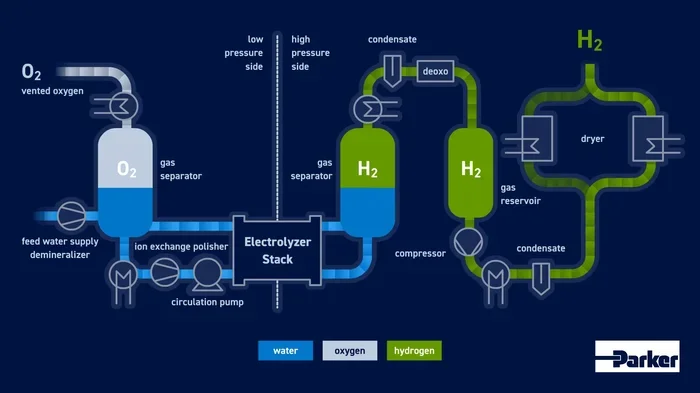
How a Hydrogen Generator Works Step by Step
Now let us walk through the actual process. How does a hydrogen generator work from start to finish? Here is a simple step-by-step breakdown.
- Water enters the system. Pure or distilled water flows into the electrolysis chamber. Some generators use a water filter to remove impurities first.
- Electricity is applied. A power source sends current through the water. This can be from the grid, solar panels, or a battery.
- Electrolysis begins. The current splits water molecules into hydrogen and oxygen. Bubbles of each gas form on the electrodes.
- Gases are separated. The membrane or electrolyte keeps the hydrogen and oxygen apart. This is critical for safety and purity.
- Hydrogen is collected. The hydrogen gas flows to a storage tank or directly to the point of use.
- Oxygen is released or stored. The oxygen byproduct can be released into the air or collected for other uses.
That is the basic process. In practice, modern hydrogen generators have many safety features. They include pressure valves, gas sensors, and automatic shutoff systems. These keep the operation safe and reliable.
What Happens Inside the Electrolyzer Stack
The electrolyzer stack is the core component of a hydrogen generator. It contains multiple cells stacked together. Each cell has two electrodes and a membrane. As electricity flows through the stack, hydrogen production increases.
More cells mean more hydrogen output. The design of the stack affects the energy efficiency of the whole system. High-quality stacks can convert over 70% of the electrical energy into hydrogen. That is impressive for any energy conversion process.
The hydrogen output is measured in liters per minute or cubic meters per hour. The output depends on the size of the generator and the amount of electricity supplied. Larger systems produce more hydrogen but also cost more.
Benefits of Hydrogen Generators
Why are so many people interested in hydrogen generators? There are several strong reasons. Let us look at the main benefits.
- Zero emissions at the point of use. When hydrogen burns, the only byproduct is water. This makes it one of the cleanest fuels available.
- Renewable energy storage. Hydrogen generators can store excess solar or wind energy as hydrogen gas. This solves one of the biggest challenges with renewable power.
- Versatile applications. Hydrogen can power vehicles, heat homes, and run industrial equipment. The uses are wide and growing.
- Energy independence. With a hydrogen generator, you can produce your own fuel. This reduces reliance on fossil fuels and foreign energy sources.
- Scalability. Hydrogen generators come in many sizes. You can have a small unit for your home or a large system for a factory.
The clean energy angle is especially important. As the world tries to reduce carbon emissions, hydrogen is a key solution. It works well with solar panels and wind turbines. Together, they form a powerful renewable energy system.
Common Mistakes and Maintenance Tips
Mistakes to Avoid
Many people make mistakes when they start using a hydrogen generator. Here are the most common ones.
- Using tap water. Tap water contains minerals that can damage the electrolyzer. Always use distilled or demineralized water for best results.
- Skipping maintenance. Like any machine, a hydrogen generator needs regular upkeep. Neglecting it can reduce efficiency and shorten its lifespan.
- Ignoring safety. Hydrogen is flammable. Always follow safety guidelines. Make sure your unit has proper ventilation and leak detection.
- Underestimating power needs. A hydrogen generator needs a steady power supply. Make sure your energy source can handle the load.
Maintenance Best Practices
Keeping your hydrogen generator in good shape is not hard. Here are some quick tips.
- Check the water level regularly. Top off with distilled water as needed. Most units have a visible indicator.
- Inspect electrodes for buildup. Mineral deposits can reduce efficiency. Clean them according to the manufacturer’s instructions.
- Replace filters on schedule. Dirty filters restrict water flow and can damage the system.
- Test for leaks. Use a soapy water solution on all connections. Bubbles indicate a leak that needs fixing.
- Store hydrogen safely. Use approved tanks and keep them in well-ventilated areas away from heat sources.
Following these simple steps will keep your hydrogen generator running smoothly for years. Prevention is always better than repair.
Real-World Applications of Hydrogen Generators
Hydrogen generators are not just theory. They are being used right now in many industries. Let us look at some real-world examples.
Fuel Cell Vehicles
Fuel cell vehicles use hydrogen generators to produce electricity on board. The hydrogen fuel cell combines hydrogen and oxygen to create power. The only emission is water vapor. Car makers like Toyota and Hyundai have already released hydrogen-powered cars. They offer fast refueling and long driving ranges.
Home Power and Backup
Some homeowners use hydrogen generators as backup power systems. During a blackout, the generator kicks in and provides electricity. These systems can also store excess solar energy as hydrogen. When the sun goes down, the stored hydrogen generates power. It is a smart way to make the most of renewable energy.
Industrial and Commercial Use
Factories and warehouses use hydrogen generators for material handling. Forklifts powered by hydrogen fuel cells are common in distribution centers. They offer longer run times than battery-powered alternatives. They also produce zero emissions indoors, which is better for worker health.
Space and Aerospace
NASA has used hydrogen fuel cells in spacecraft for decades. They provide reliable power for missions where nothing else will work. The technology has come a long way since then. Today, hydrogen generators are being explored for rockets and satellites too.
Conclusion
So how does a hydrogen generator work? The answer comes down to a simple but powerful process. Electricity splits water into hydrogen and oxygen. The hydrogen is then stored and used as a clean fuel. The technology behind it is mature, proven, and getting better every year.
Whether you are interested in a PEM hydrogen generator for your home or a large alkaline system for your business, the basics remain the same. Electrolysis is the core process. The hydrogen fuel cell can then convert that hydrogen back into electricity when you need it.
The future of energy is clean, and hydrogen is a big part of that future. Understanding how a hydrogen generator works is the first step toward using this technology in your own life. With the right setup and proper maintenance, a hydrogen generator can provide reliable, emission-free power for years to come.
Take what you have learned here and explore your options. The world of hydrogen energy is open to you. Start small, think big, and join the clean energy movement today.
Frequently Asked Questions
What is the main purpose of a hydrogen generator?
A hydrogen generator splits water into hydrogen and oxygen gas using electricity. The hydrogen can then be stored and used as a clean fuel for vehicles, power systems, and industrial equipment. The main goal is to produce green hydrogen with zero emissions.
Is a hydrogen generator safe for home use?
Yes, when used correctly and maintained properly. Modern hydrogen generators include safety features like pressure relief valves, leak detectors, and automatic shutoff systems. Always follow the manufacturer’s instructions and ensure proper ventilation in your setup.
How efficient is a hydrogen generator?
Most hydrogen generators convert 60 to 80 percent of electrical energy into hydrogen. PEM electrolyzers tend to be the most efficient. The overall efficiency also depends on the power source and how well the system is maintained.
Can I use a hydrogen generator with solar panels?
Absolutely. Pairing a hydrogen generator with solar panels is one of the best ways to store renewable energy. Excess solar power runs the electrolyzer, producing hydrogen that can be stored and used later. This creates a fully renewable energy loop.
What is the difference between a hydrogen generator and a hydrogen fuel cell?
A hydrogen generator produces hydrogen from water through electrolysis. A hydrogen fuel cell does the opposite. It combines hydrogen and oxygen to produce electricity. The two technologies work together in a clean energy system.
How long does a hydrogen generator last?
With proper maintenance, a quality hydrogen generator can last 10 to 20 years. Alkaline units tend to have the longest lifespan. Regular upkeep like cleaning electrodes and replacing filters will extend the life of any hydrogen generator significantly.