Do I Need to Ground My Generator for Safe Operation
Do I need to ground my generator? The answer depends on your setup, but proper grounding is often a non-negotiable safety step. Grounding your generator prevents electrical shocks, protects your equipment, and keeps you compliant with the National Electrical Code (NEC). This guide walks you through when it’s required, how to do it right, and the common pitfalls that put you at risk.
If you’ve ever wondered, “Do I need to ground my generator?” you’re not alone. It’s a question that comes up every time someone pulls a generator out of the garage or installs a standby unit for the first time. The short answer is that it depends on your setup, but grounding your generator is often a critical safety step. Without it, you risk electrical shock, equipment damage, and even fire. In this guide, I’ll walk you through exactly when grounding is required, how to do it the right way, and the mistakes that trip up even experienced users.
Generator grounding isn’t just a box to check on a checklist. It’s the foundation of electrical safety whenever you’re producing power away from the grid. Whether you run a portable generator for tailgating or a standby generator that backs up your whole home, the principles are the same. I’ll break them down into plain language so you can make confident decisions. Let’s get into it.
Key Takeaways
- Grounding is often required: Many generators must be grounded to meet electrical codes and prevent shock hazards.
- Check your manual first: The manufacturer’s instructions will tell you if your specific model needs a grounding electrode.
- NEC rules apply to fixed installations: Standby and home backup generators usually require a permanent grounding electrode system.
- Portable generators have different rules: Some can use the frame as the ground reference if properly bonded, but you must verify this.
- Never skip the grounding rod when needed: A driven copper rod with proper clamp and wire is the standard safe method.
- Test your ground regularly: A simple ground resistance test can confirm your system is still effective.
- Common mistakes are easy to avoid: Using the house ground rod incorrectly or missing a bonding jumper are frequent errors.
📑 Table of Contents
Why Grounding Your Generator Matters
Grounding might sound like a technical chore, but it’s really about protecting people and equipment. When a generator produces electricity, that power needs a safe path to return to the earth. If something goes wrong—like a live wire touching the metal frame—grounding gives the fault current a low-resistance route away from you. This prevents you from becoming the path to ground.
What Is Generator Grounding?
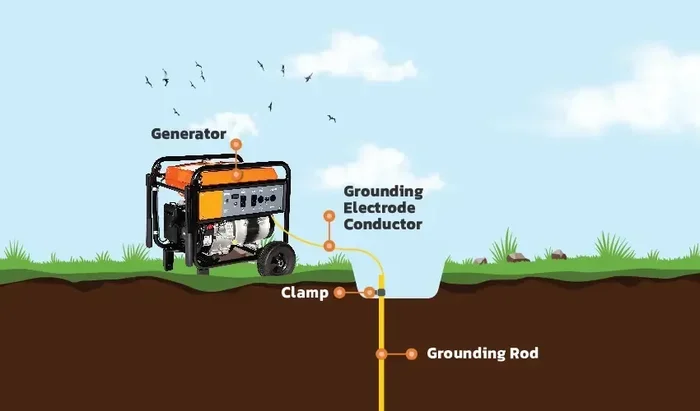
Generator grounding means connecting the generator’s frame or neutral to the earth. A grounding electrode—usually a copper rod driven into the soil—creates that earth connection. The grounding conductor links the electrode to the generator frame or the neutral point. This setup ensures that any stray voltage gets safely diverted into the ground instead of building up on metal parts you might touch.
Think of it like a lightning rod for your power system. A grounding rod doesn’t prevent a fault, but it controls where the energy goes. That control is what keeps you safe.
The Role of Earth Ground in Electrical Safety
The earth acts as an infinite sink for electrical charge. When your generator frame is grounded, any fault current flows into the soil rather than through your body. This is why equipment grounding is a cornerstone of electrical safety. It also helps stabilize voltage levels during normal operation, reducing surge protection stress on connected devices.
Without a proper safety ground, a ground fault can energize the frame. Touching a tool plugged into that generator could complete the circuit through you. That’s a shock hazard no one wants to face.
When You Must Ground My Generator
Not every generator needs an external grounding electrode, but many do. The rules depend on the type of generator, how it’s used, and local electrical codes. I’ll walk you through the key situations where grounding is mandatory.
Manufacturer Requirements
Always start with the owner’s manual. The manufacturer will explicitly state whether your generator requires a grounding electrode. Some portable generators are designed so that the frame itself serves as the ground reference. In those cases, you bond the frame to the equipment grounding conductor and skip the rod. But if the manual says “must be grounded,” you need to install a grounding rod and connect it properly.
Ignoring the manufacturer’s instructions can void your warranty and create serious risks. I’ve seen people use an ungrounded generator in a damp backyard and fry their expensive tools. Don’t be that person.
NEC and Electrical Code Rules
The National Electrical Code (NEC) sets the standard for generator grounding in the United States. Article 250 covers grounding and bonding. For generators that supply a separate building or are connected via a transfer switch, the code often requires a grounding electrode system. The NEC also addresses when the generator frame can be used as the ground reference versus when a separate electrode is needed.
Key rule: if the generator supplies a structure and the neutral is solidly grounded, you must have a grounding electrode. If it’s a temporary, non-continuous setup with a floating neutral, the requirements can differ. Always check with your local inspector for the latest electrical code requirements.
Portable vs. Standby Generator Grounding Requirements
The grounding approach changes based on the generator type. Here’s a quick comparison.
| Generator Type | Grounding Required? | Common Method |
|---|---|---|
| Portable Generator (frame-grounded, floating neutral) | Usually no external rod needed | Frame acts as ground reference; bond to equipment grounding conductor |
| Portable Generator (solidly grounded neutral) | Yes, external electrode often required | Driven copper rod with grounding conductor |
| Standby / Home Backup Generator | Yes, permanent grounding electrode system | Ground rod, water pipe electrode, or concrete-encased electrode per NEC |
| RV / Trailer Generator | Depends on manufacturer and local code | Often frame ground; check manual and campground rules |
This table gives a general picture. Your specific installation may have additional requirements. When in doubt, consult a licensed electrician.
How to Ground My Generator: Step-by-Step
If your generator needs an external ground, the process is straightforward. I’ll walk you through it so you can do it safely and confidently.
What You’ll Need
- Copper grounding rod: At least 8 feet long, 5/8-inch diameter.
- Grounding clamp: A listed clamp rated for the conductor size.
- Grounding conductor: Insulated copper wire, typically 6 AWG or larger.
- Ground rod driver: A hammer or mechanical driver to push the rod into the earth.
- Wire stripper and wrench: For prepping and tightening connections.
The Grounding Process
- Drive the rod: Push the copper rod into the ground at least 8 feet deep. If the soil is rocky, you may need to angle it or use a longer rod.
- Attach the clamp: Secure the grounding clamp to the top of the rod. Make sure the connection is tight and free of corrosion.
- Run the conductor: Connect the insulated copper wire from the clamp to the generator frame grounding bolt or the grounding electrode conductor terminal.
- Check the bond: Verify that the generator frame is securely bonded to the electrode. Use a wrench to tighten the terminal lug.
- Test the connection: A simple continuity check between the frame and the rod confirms a solid path.
Common Grounding Mistakes
Even with good intentions, people make errors that undermine generator grounding. Here are the most common ones:
- Using a short rod: A rod less than 8 feet doesn’t provide reliable earth contact in most soils.
- Loose connections: A corroded or loose clamp creates resistance, which defeats the purpose.
- Ignoring the bonding jumper: In some setups, a bonding jumper between the neutral and the frame is essential. Skipping it can leave the frame energized during a fault.
- Grounding through the house rod incorrectly: Connecting the generator ground to the main house rod without proper switching can create dangerous parallel paths.
Quick Tip: Always inspect your grounding connections before each season of use. A few minutes of checking can prevent a lifetime of regret.
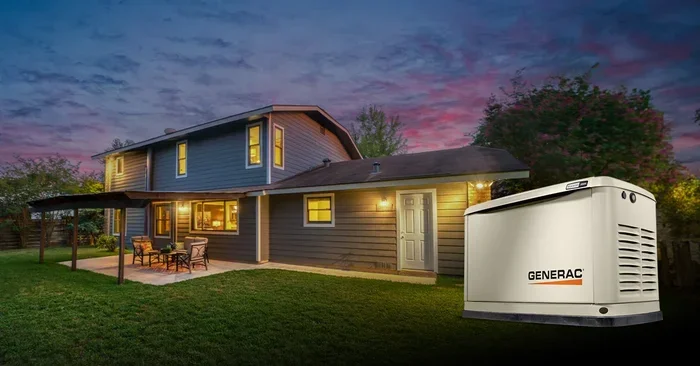
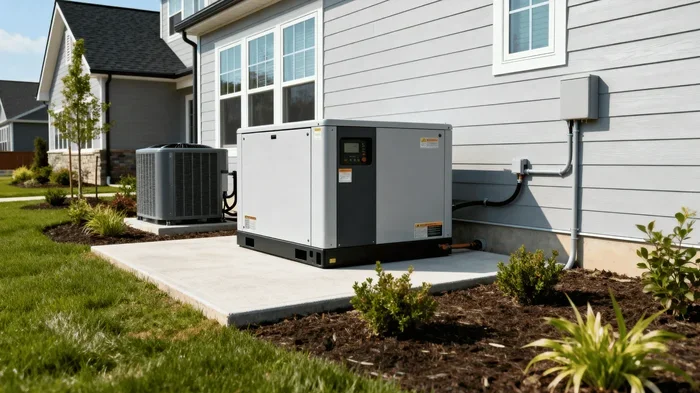
Grounding a Standby or Home Backup Generator
Standby generators are permanent fixtures, so their grounding requirements are more involved. These units supply backup power to your entire home and must meet strict NEC guidelines.
Permanent Grounding Electrode Systems
A standby generator typically needs a grounding electrode system that includes one or more of the following:
- A driven copper or copper-clad ground rod.
- A concrete-encased electrode (the foundation rebar of your home, if properly bonded).
- A metal water pipe that extends underground.
- A ground ring encircling the building.
The goal is to create a low-impedance path to earth that can handle fault currents without raising the voltage on the generator frame or the building’s grounding system.
Transfer Switch and Bonding
A transfer switch is the key component that connects your generator to the home’s electrical system. It must be a four-pole switch that disconnects the neutral from the utility ground and reconnects it through the generator’s grounding electrode. This switching prevents neutral-to-ground bonds from creating parallel paths that can energize plumbing or other unintended conductors.
Expert Insight: Never backfeed a generator through a dryer outlet without a proper transfer switch and grounding. That setup bypasses all the safety mechanisms and puts linemen and your family at extreme risk.
Can You Use the Grounding Rod from Your House?
This is a common question, and the answer is “it depends.” In some cases, you can bond the generator’s grounding electrode to the existing house ground rod. But there are strict conditions.
Shared Grounding Systems
If you’re connecting a standby generator to your home, the generator’s grounding electrode can be bonded to the existing building electrode system. The NEC allows this when the generator is installed in accordance with the code and the transfer switch ensures proper neutral switching. The key is that the grounding electrode conductor must be sized correctly and the connection must be permanent and accessible.
For a portable generator used at a campsite or job site, you generally cannot rely on the house ground rod. You must establish your own earth ground at the location where you’re operating. A driven rod is the standard approach.
Common Mistakes with Shared Grounds
- Connecting the generator ground to the house rod without a transfer switch: This can create a shock hazard during normal operation.
- Using an undersized conductor: The grounding electrode conductor must handle the maximum fault current available from the generator.
- Assuming the water pipe is a valid electrode: In many areas, plastic pipe sections break the electrical continuity, making water pipes invalid as a sole grounding electrode.
Safety Tips and Final Checks
Once your grounding system is in place, a few final habits keep it effective over time.
Testing Your Ground
You can test the effectiveness of your grounding electrode with a simple ground resistance tester. The goal is typically less than 25 ohms, though local codes may specify a different value. A quick test once a year, especially after a lightning storm or heavy soil shift, gives you peace of mind.
Quick Tips for Everyday Use
- Keep the grounding rod dry: In very dry soil, the resistance increases. Water the area around the rod if you’re using the generator in arid conditions.
- Use a grounding rod clamp rated for the wire size: A mismatched clamp can slip or corrode quickly.
- Label your grounding conductor: A bright tag on the wire helps you spot it during inspections.
- Store the rod and wire with the generator: Don’t leave them behind at the campsite.
Key Takeaway: Grounding my generator is a simple act that delivers massive safety benefits. Whether you run a small portable generator or a whole-home standby generator, the principles remain the same: connect the frame or neutral to the earth, check the connections, and respect the electrical code. When you ground my generator correctly, you’re not just following rules—you’re protecting everyone in the vicinity.
So the next time you fire up that machine, take five minutes to verify your grounding electrode. It’s one of the easiest ways to ensure that your generator grounding keeps you safe for years to come.
Frequently Asked Questions
Do I need to ground my generator if I’m using it indoors?
Never use a generator indoors, regardless of grounding. Carbon monoxide is the real killer in enclosed spaces. Grounding is an outdoor safety measure for electrical faults, but it doesn’t make indoor operation safe. Always run your generator in a well-ventilated outdoor area.
Can I use the generator frame as a ground instead of a rod?
Yes, but only if the manufacturer explicitly states that the frame can serve as the ground reference and the neutral is floating. Many modern portable generators are designed this way. If the manual says you need a separate electrode, you must install a grounding rod.
What happens if I don’t ground my generator?
Without proper grounding, a fault can energize the generator frame and anything connected to it. You could receive a severe electrical shock or start a fire. It also puts your surge protection devices at risk, since they rely on a stable ground reference to divert excess voltage.
How deep should the grounding rod be?
The National Electrical Code requires a grounding electrode to be driven at least 8 feet into the earth. In some rocky or dry areas, you may need a longer rod or a deeper trench. The goal is to reach consistent soil moisture, which lowers resistance.
Do I need a grounding rod for a generator with a transfer switch?
Yes, if the generator supplies your home’s electrical system through a transfer switch, a grounding electrode is almost always required. The NEC mandates a grounding electrode system for generators that are part of a permanent installation. The transfer switch must also be a four-pole type to handle neutral switching correctly.
Is a ground fault circuit interrupter (GFCI) a substitute for grounding?
No. A GFCI protects against shock by detecting current leaks, but it doesn’t replace the need for a low-impedance path to earth. Proper grounding works together with GFCI protection to create a layered safety system. You should have both whenever possible.