What Is a Generator Used For and Why You Need One Today
A generator converts fuel or mechanical energy into electricity to keep your home running during outages. Understanding what a generator is used for helps you choose the right size and type for your needs. From powering essential appliances to keeping medical equipment running, a generator is a smart investment for any household.
Power outages can strike without warning. A storm rolls in, a tree falls on a line, or the grid simply fails. When the lights go out, the question everyone asks is the same: what is a generator used for? The answer is simple but powerful. A generator keeps your home, your appliances, and your life moving forward when the power goes down.
Whether you live in a rural area prone to storms or a city where grid failures happen more often than you think, owning a generator brings real peace of mind. Generators are not just for emergencies anymore. People use them for camping trips, construction sites, outdoor events, and even as a primary power source in remote locations. The versatility of these machines makes them one of the most practical investments a homeowner can make.
In this guide, we will walk you through everything you need to know. We will cover the core uses of a generator, how they actually work, the different types available, and how to pick the right one for your home. By the end, you will have a clear picture of why a generator belongs in your life.
Key Takeaways
- Emergency Backup Power: A generator keeps your home running when the grid goes down, protecting your family and comfort.
- Multiple Types Available: Portable, standby, inverter, and whole-house generators each serve different needs and budgets.
- Fuel Options Vary: Gasoline, propane, natural gas, and diesel generators offer flexibility based on your situation.
- Right-Sizing Matters: Matching wattage to your needs prevents overload and saves money.
- Safety Is Essential: Proper placement, ventilation, and maintenance keep your family safe while using a generator.
- Regular Maintenance Extends Life: Simple upkeep like oil changes and fuel stabilization keeps your generator ready when you need it most.
📑 Table of Contents
What Is a Generator Used For?
The short answer is that a generator provides electricity when you need it most. But the full picture is much broader. Generators serve a wide range of purposes, from keeping your fridge cold during a blackout to powering tools on a job site.
Emergency Backup Power
This is the number one reason people buy generators. When a storm knocks out power, a backup generator kicks in automatically and keeps your essential systems running. Your refrigerator stays cold. Your heating or cooling system keeps working. Your lights stay on. For families with young children, elderly members, or anyone who relies on medical equipment, a generator is not a luxury. It is a necessity.
During extended outages, a generator can mean the difference between a minor inconvenience and a serious crisis. Food spoils without refrigeration. Pipes can freeze in cold weather. Security systems go dark. A reliable backup power supply eliminates all of these risks.
Powering Tools and Equipment
Construction workers and contractors rely heavily on generators. On job sites where no power outlets exist, a portable generator provides the electricity needed to run saws, drills, compressors, and lighting. These machines make it possible to work efficiently in remote locations or areas without established electrical infrastructure.
Outdoor Events and Recreation
Campers, RV owners, and festival organizers all use generators to power lights, speakers, cooking equipment, and electronics. A portable power generator brings comfort to the outdoors. You can run a coffee maker at the campsite or keep your phone charged during a weekend in the woods. Portable power stations have also grown in popularity for quieter, cleaner energy on the go.
Business Continuity
Small businesses cannot afford to shut down during a power outage. A generator keeps registers running, computers powered, and customers served. For businesses that depend on refrigeration, like restaurants and grocery stores, a generator prevents thousands of dollars in lost inventory.
How Does a Generator Work?
Understanding how a generator works helps you appreciate what it can do for you. The basic principle is simple. A generator does not actually create electricity from nothing. Instead, it converts mechanical energy into electrical energy through a process called electromagnetic induction.
The Basic Mechanism
Inside every generator, there is a rotor and a stator. The rotor spins, creating a magnetic field. That magnetic field moves through the stator, which contains coils of wire. This movement generates an electrical current. That current then flows through outlets, powering your devices and appliances.
Most generators use an engine powered by fuel to spin the rotor. The engine runs on gasoline, diesel, propane, or natural gas. The faster the rotor spins, the more electricity the generator produces. This is why generator wattage matters so much. You need enough power output to run what you want to use.
Understanding Power Output
Generators are rated in watts. A small portable unit might produce 2,000 to 3,000 watts. A large standby generator can produce 20,000 watts or more. To figure out what you need, add up the wattage of all the devices you want to run at the same time. Always leave a buffer. Starting up certain appliances like air conditioners or refrigerators requires a surge of power that is higher than their running wattage.
Types of Generators You Can Choose
Not all generators are the same. Different types serve different purposes, and knowing the differences helps you make a smart choice. Here is a look at the most common options available today.
Portable Generators
Portable generators are the most popular choice for homeowners. They are easy to move, simple to use, and affordable. You wheel them out when you need power and store them when you do not. Portable generators typically run on gasoline and produce between 1,000 and 7,500 watts. They work great for running a few essential appliances during an outage.
Standby Generators
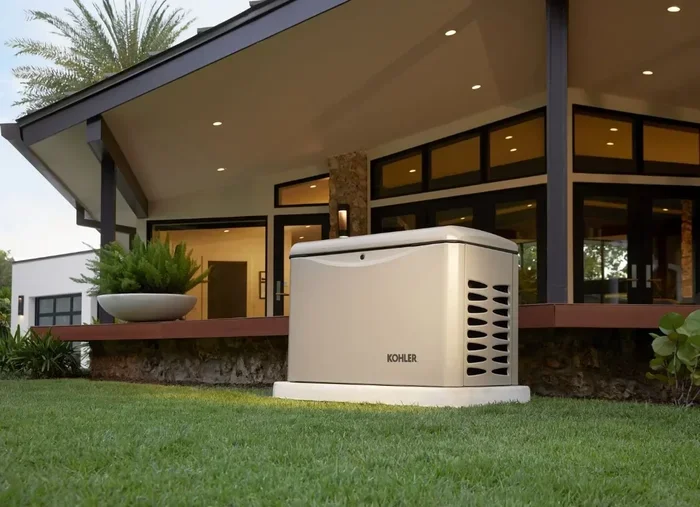
A standby generator is a permanent installation outside your home. It connects directly to your electrical system and runs on natural gas or propane. When the power goes out, an automatic transfer switch detects the outage and starts the generator within seconds. You barely notice the interruption. Standby units are more expensive, but they offer unmatched convenience and reliability.
Inverter Generators
Inverter generators produce cleaner, more stable power. They adjust their engine speed based on the load, which makes them more fuel-efficient and quieter than conventional models. These are ideal for camping, RV trips, and powering sensitive electronics like laptops and smartphones.
Whole-House Generators
A whole-house generator is designed to power your entire home, not just a few appliances. These units are essentially large standby generators with higher output capacity. They can keep your HVAC system, water heater, oven, and every light in the house running during an outage. They are the top choice for homeowners who want complete protection.
Comparison Table
| Type | Power Range | Fuel Source | Best For |
|---|---|---|---|
| Portable Generator | 1,000 – 7,500W | Gasoline | Emergency backup, camping, tools |
| Standby Generator | 7,000 – 20,000W | Natural gas, propane | Whole-home backup, automatic start |
| Inverter Generator | 1,000 – 4,000W | Gasoline | Camping, RVs, sensitive electronics |
| Whole-House Generator | 15,000 – 50,000W+ | Natural gas, propane, diesel | Complete home power during outages |
Top Reasons Why You Need a Generator Today
Still not sure if a generator is worth the investment? Consider these compelling reasons.
Protect Your Home and Family
A power outage can cause real damage to your home. Sump pumps stop working, which can lead to flooding. Frozen pipes can burst and cause expensive water damage. A generator keeps these systems running so your home stays safe and dry.
Keep Food Fresh
When the power goes out, your refrigerator and freezer start losing temperature. After just a few hours, food begins to spoil. A generator keeps your kitchen running, which saves you money and prevents food waste.
Stay Comfortable
In summer, a power outage means no air conditioning. In winter, no heat. A generator keeps your home at a comfortable temperature no matter what is happening outside. This is especially important for infants, elderly family members, and anyone with health conditions.
Maintain Security
Security cameras, alarm systems, and smart door locks all need electricity. Without power, your home is more vulnerable. A generator keeps your security systems active and your family protected.
Save Money in the Long Run
While generators require an upfront investment, they pay for themselves quickly. The cost of spoiled food, water damage, and hotel stays during an outage adds up fast. A generator eliminates these hidden expenses.
How to Pick the Right Generator
Choosing the right generator does not have to be overwhelming. Follow these simple steps to find the perfect match for your needs.
Step 1: Identify Your Power Needs
Make a list of the appliances and devices you want to run during an outage. Add up their wattage. Remember to account for starting watts, which are higher than running watts for motor-driven appliances like air conditioners and refrigerators.
Step 2: Choose Your Fuel Type
Each fuel type has pros and cons. Gasoline is widely available but has a short shelf life. Propane stores longer and burns cleanly. Natural gas connects directly to your home supply, so you never run out. Diesel is efficient but can be noisy. Consider what is available in your area and what fits your lifestyle.
Step 3: Decide on Portability
Do you need to move the generator around, or do you want it to stay in one place? Portable units are great for flexibility. Standby units are better for permanent, hands-off backup power. Think about how you will use the generator most often.
Step 4: Consider Noise Levels
Some generators are surprisingly loud. If you live in a neighborhood with close neighbors, an inverter generator or a quiet standby model is a smart choice. Noise can also be a factor at campsites and outdoor events.
Step 5: Set a Budget
Generators range from a few hundred dollars for small portable units to several thousand for whole-house models. Set a realistic budget and look for the best value within that range. Remember that a slightly higher upfront cost often means better reliability and longer lifespan.
Generator Safety Tips and Maintenance
A generator is a powerful machine, and safety should always come first. Follow these guidelines to keep your family safe and your generator running smoothly for years to come.
Essential Safety Rules
- Never run a generator indoors. Exhaust contains carbon monoxide, which is deadly. Always place it outside in a well-ventilated area.
- Keep it dry. Do not use a generator in rain or wet conditions. Use a generator cover or tent designed for this purpose.
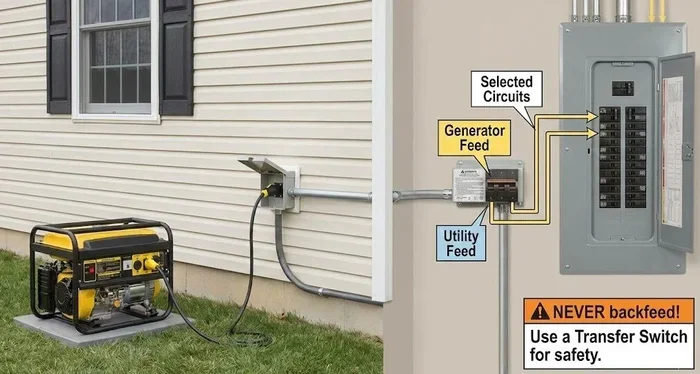
- Use heavy-duty extension cords. Do not plug generators directly into your wall outlets unless you have a proper transfer switch installed by a professional.
- Let it cool down before refueling. Hot engine parts can ignite gasoline, causing a fire.
- Store fuel safely. Keep gasoline in approved containers away from living spaces and heat sources.
Regular Maintenance Checklist
Taking care of your generator ensures it is ready when you need it most. Follow this simple maintenance routine:
- Check the oil level before every use and change it regularly according to the manufacturer’s schedule.
- Replace the air filter every few months or as needed based on usage.
- Inspect spark plugs for wear and clean or replace them as recommended.
- Run the generator monthly for about 15 minutes to keep the engine in good condition.
- Use fuel stabilizer if you store the generator for long periods to prevent fuel degradation.
- Test the automatic transfer switch on standby generators to make sure it engages properly during an outage.
Common Mistakes to Avoid
Many first-time generator owners make avoidable mistakes. Overloading the generator by plugging in too many devices at once is one of the most common errors. Another mistake is neglecting maintenance until you actually need the generator and find it will not start. Finally, some people forget to check the fuel level or let old gasoline sit in the tank for months, which causes starting problems.
Generator maintenance does not have to be complicated. A little regular attention goes a long way. Set calendar reminders for oil changes and fuel checks. Your future self will thank you the first time the power goes out and your generator starts right up.
Conclusion
Now you know what a generator is used for, and the reasons are clear. A generator protects your home, keeps your family safe, and provides reliable electricity when you need it most. Whether you choose a compact portable unit or invest in a whole-house standby system, the benefits are real and immediate.
The right generator gives you freedom from worry. No more rushing to buy ice during an outage or wondering if your food will spoil. No more sitting in the dark while your neighbors struggle. With the right backup power supply, you are prepared for whatever comes your way.
Take the time to assess your power needs, compare your options, and invest in a quality generator today. Generator safety and regular maintenance will keep your machine running reliably for years. You will be glad you made the decision the first time the lights go out and yours stay on.
Power outages are not a matter of if but when. Make sure you are ready. A generator is one of the smartest investments you can make for your home and your peace of mind.
Frequently Asked Questions
What is a generator used for in a home?
A home generator provides backup electricity during power outages. It keeps essential appliances like refrigerators, lights, heating systems, and medical devices running. Many homeowners also use generators to power tools, outdoor events, and recreational vehicles.
How long can a generator run continuously?
This depends on the fuel tank size and the load. Most portable generators can run for 8 to 12 hours on a full tank. Standby generators connected to natural gas lines can run indefinitely as long as fuel is supplied. Always check the manufacturer’s runtime specifications before purchasing.
What fuel type is best for a generator?
Each fuel has advantages. Gasoline is widely available and easy to store. Propane burns cleanly and has a long shelf life. Natural gas provides continuous fuel without refilling tanks. Your choice depends on your location, budget, and how you plan to use the generator.
Can I run a generator inside my garage?
No. Generators must never be operated indoors or in enclosed spaces like garages. Exhaust fumes contain carbon monoxide, which is odorless and deadly. Always place your generator outside in a well-ventilated area away from windows and doors.
How much does a home generator cost?
Prices vary widely. Small portable generators start around $500 to $1,000. Mid-range standby units cost between $3,000 and $6,000. Whole-house generators with automatic transfer switches can range from $5,000 to $15,000 or more, depending on capacity and installation requirements.
Do generators require a lot of maintenance?
Not really. Basic maintenance includes regular oil changes, air filter replacement, spark plug inspection, and monthly test runs. Using fuel stabilizer for stored fuel also helps. With consistent upkeep, most generators last 10 to 20 years or longer.