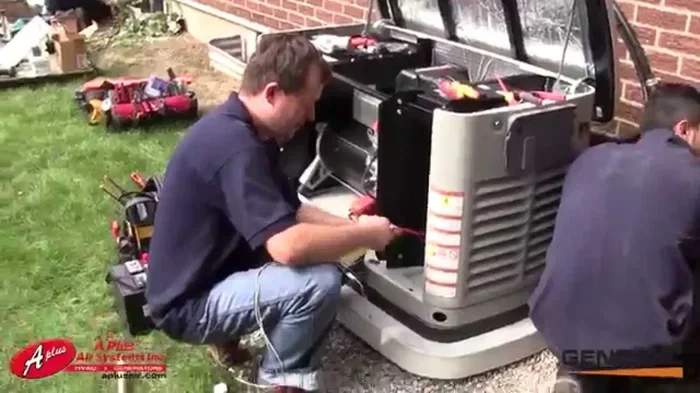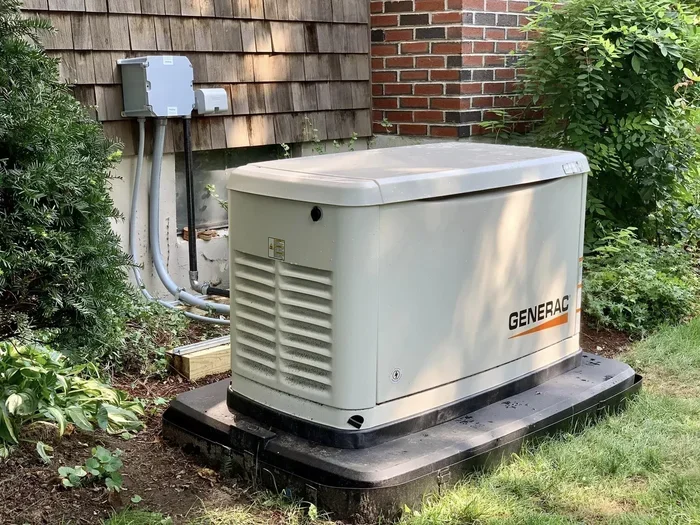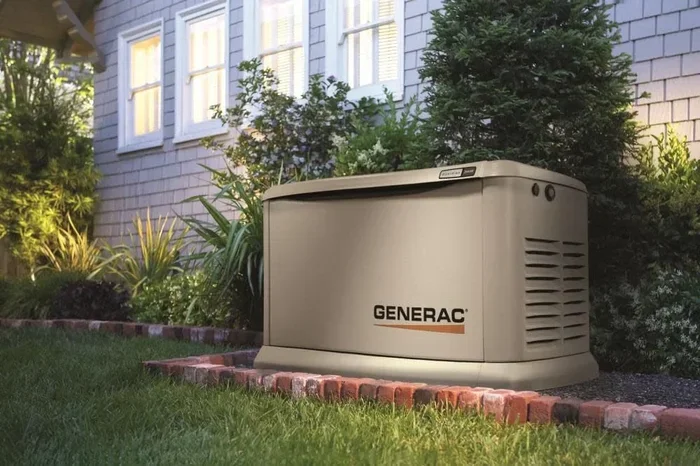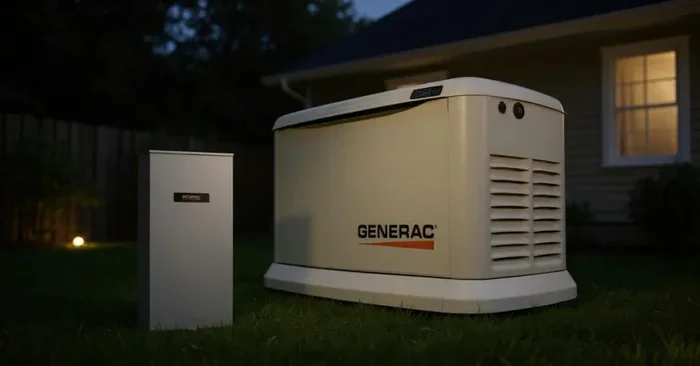
How to Repair a Generator and Get It Running Again
Knowing how to repair a generator saves you time and money when your power source breaks down. This guide walks you through diagnosing common generator problems, fixing fuel and electrical issues, and performing routine maintenance. You will learn practical repair steps, expert tips, and warning signs that mean it is time to call a professional.
There is nothing worse than needing power and finding your generator won’t start. Whether it is during a storm, a camping trip, or a planned backup situation, a broken generator can ruin your whole day. The good news is that how to repair a generator is a skill you can learn with basic tools and a little patience.
Most generator problems are simple to fix. A clogged fuel line, a dirty spark plug, or a worn air filter can stop your machine in its tracks. This guide will show you exactly how to diagnose the issue and get your generator running again. We will cover fuel system repairs, electrical troubleshooting, and maintenance habits that keep your machine healthy for years.
Before you start any repair, let’s talk about safety. Always work in a well-ventilated area. Keep fire extinguishers nearby. And never smoke near fuel or generator parts. With that said, let’s get into the repair process.
Key Takeaways
- Start with the basics: Check fuel, oil, spark plugs, and air filters before diving into complex repairs.
- Diagnose the problem first: Identify whether your generator has starting issues, low power output, or strange noises.
- Fuel system problems are the most common cause: Clean or replace the carburetor, fuel filter, and fuel lines regularly.
- Electrical issues need careful handling: Always test the voltage regulator, battery, and ignition coil with proper safety gear.
- Know your limits: Some repairs require a professional technician, especially internal engine damage.
- Preventive maintenance keeps your generator healthy: Follow a regular schedule of oil changes, filter replacements, and load testing.
- Safety always comes first: Disconnect the battery and fuel supply before any repair work.
📑 Table of Contents
- Common Generator Problems and How to Diagnose Them
- Step-by-Step Generator Repair Guide
- Fuel System Repairs for Your Generator
- Electrical and Battery Issues
- When to Call a Professional vs DIY Repair
- Generator Maintenance Tips to Prevent Future Breakdowns
- Quick Tips for Generator Repair Success
- Common Mistakes to Avoid During Generator Repair
- Understanding Your Generator’s Power Output and Load Capacity
- Final Thoughts on Generator Repair
Common Generator Problems and How to Diagnose Them
Every generator owner runs into problems at some point. The key is knowing what to look for. Generator troubleshooting starts with understanding the symptoms. Here are the most common issues you will face.
Generator Won’t Start
A generator that refuses to start is the number one complaint. This problem usually comes down to a few simple causes. First, check the fuel level. Sounds obvious, but it happens more than you think. Next, look at the spark plug. If it is dirty or corroded, it cannot create the ignition spark your engine needs.
Also check the air filter. A clogged filter starves the engine of air, creating a rich fuel mixture that won’t ignite. The choke position matters too. If it is stuck closed, the engine gets too much fuel and floods out.
Low Power Output
If your generator starts but produces weak power, you have a different problem. Low power output often means the voltage regulator is failing. It could also point to a dirty alternator or worn brushes inside the generator head.
Another common cause is a clogged fuel filter. When fuel cannot flow freely, the engine runs lean and produces less power. Check your fuel lines for blockages or cracks as well.
Strange Noises and Vibrations
Unusual sounds from your generator should never be ignored. A knocking noise might mean low oil levels or worn engine bearings. Excessive vibration could indicate a loose generator bracket or damaged flywheel.
Squealing or grinding sounds often point to problems with the cooling fan or belt drive. These issues get worse over time, so address them quickly.
Fuel Leaks and Exhaust Issues
Fuel leaks are serious and dangerous. Check all fuel connections and the fuel tank for cracks or loose fittings. A leak near the engine creates a fire hazard you cannot ignore.
Black or excessive exhaust smoke usually means the carburetor is not mixing fuel and air correctly. A rich mixture produces black smoke, while a lean mixture creates white smoke. Both need attention.
Step-by-Step Generator Repair Guide
Now that you know the common problems, let’s walk through the actual repair process. Follow these steps in order for the best results.
Gather Your Tools and Supplies
Before you touch anything, make sure you have the right tools ready. Here is what you will need:
- Socket wrench set and screwdrivers
- Spark plug wrench
- Multimeter for electrical testing
- Clean rags and a small brush
- Carburetor cleaner spray
- Replacement parts like spark plugs, filters, and fuel lines
- Safety gloves and eye protection
- Owner’s manual for your specific model
Having everything ready before you start saves time and frustration. You do not want to stop mid-repair because you are missing a tool.
Safety First Before You Begin
Safety is not optional when working with generators. Follow these steps before any repair:
- Turn off the generator and let it cool completely.
- Disconnect the spark plug wire to prevent accidental starts.
- Shut off the fuel valve and drain any remaining fuel from the lines.
- Remove the battery if your model has one.
- Work on a flat, stable surface away from open flames.
These precautions protect you from electric shock, fuel burns, and accidental engine starts. Never skip them.
Follow the Repair Sequence
Once you are safe, work through the repair in this order:
- Inspect and replace the spark plug if it looks worn or fouled.
- Check the air filter and clean or replace it.
- Examine the fuel filter and replace if clogged.
- Clean the carburetor with carburetor cleaner spray.
- Inspect fuel lines for cracks or blockages.
- Test the voltage regulator with a multimeter.
- Check the battery and charging system.
- Start the generator and test power output.
Going in this order ensures you address the simplest and most common issues first. Many generator repairs are solved at steps one through three.
Fuel System Repairs for Your Generator
The fuel system causes more generator problems than any other component. Generator fuel system repair is the most common type of generator maintenance you will need to perform. Let us break it down by component.
Cleaning or Replacing the Fuel Filter
The fuel filter catches dirt and debris before they reach the engine. Over time, it becomes clogged and restricts fuel flow. A clogged filter causes starting problems, rough idling, and low power output.
To replace the fuel filter, first shut off the fuel valve. Remove the old filter and note how it sits in the housing. Install the new one in the same direction. Always use the filter type recommended for your generator model.
Carburetor Troubleshooting and Repair
The carburetor mixes fuel and air in the right ratio for combustion. When it gets dirty, the mixture becomes unbalanced. This causes hard starting, stalling, or black exhaust smoke.
To clean the carburetor, remove it from the engine. Use carburetor cleaner spray to dissolve varnish and gum buildup inside the jets and passages. Pay special attention to the small idle jet and main jet. A can of compressed air helps blow out any remaining debris.
If cleaning does not fix the problem, you may need to rebuild the carburetor with a carburetor repair kit. These kits include gaskets, needles, and seals that wear out over time.
Fixing Fuel Lines and Connections
Fuel lines can crack, dry rot, or develop leaks over time. Inspect every inch of the fuel line from the tank to the carburetor. Replace any line that looks brittle, cracked, or swollen.
Also check all fuel connections and fittings. Tighten any that are loose. Replace worn O-rings and gaskets at connection points. A small fuel leak can become a big fire hazard fast.
Electrical and Battery Issues
Electrical problems can be tricky, but they are also very common. Many people search for how to repair a generator because of electrical failures. Here is how to handle the most frequent issues.
Battery Maintenance and Replacement
If your generator has an electric start, the battery is essential. A dead battery means no start, even if the engine is fine.
Check the battery terminals for corrosion. Clean them with a wire brush and a baking soda solution. Make sure the battery is fully charged before use. If the battery is more than two years old and won’t hold a charge, replace it with a new one that matches the specifications in your owner’s manual.
Voltage Regulator Problems
The voltage regulator controls the electrical output of your generator. When it fails, you get unstable voltage or no power at all.
To test the regulator, use a multimeter set to AC voltage. Run the generator at full load and check the output. If the voltage is too high or too low, the regulator likely needs replacement. Voltage regulator replacement is a straightforward repair that most DIYers can handle.
Spark Plug and Ignition Coil Checks
The spark plug creates the electrical spark that ignites the fuel-air mixture. A fouled or worn spark plug causes starting problems and rough running.
Remove the spark plug and inspect it. Look for carbon buildup, oil fouling, or a cracked insulator. Clean it with a wire brush or replace it entirely. Set the spark plug gap to the specification listed in your owner’s manual.
The ignition coil sends voltage to the spark plug. If your spark plug is fine but you still have no spark, test the ignition coil with a multimeter. A failed ignition coil needs replacement.
When to Call a Professional vs DIY Repair
Not every repair is a DIY job. Knowing when to fix it yourself and when to call for help saves you money and prevents dangerous mistakes.
Signs You Need a Technician
Call a professional if you notice any of these signs:
- Internal engine damage like a cracked cylinder or broken piston
- Persistent oil leaks that keep coming back after you fix them
- Electrical short circuits that trip your breaker repeatedly
- Generator overload that trips the breaker under normal loads
- Major component failure in the alternator or stator windings
These repairs require specialized tools and expertise. Trying to fix them yourself can make the problem worse or create safety hazards.
Cost Considerations for Generator Repair
Understanding generator repair costs helps you decide between DIY and professional service. Simple repairs like replacing a spark plug or fuel filter cost under $20 in parts. Carburetor cleaning or rebuilding runs about $50 to $100 if you do it yourself.
Professional repairs for major issues like a failed voltage regulator or alternator rewinding can cost $200 to $500 or more. Compare the repair cost against the price of a new generator before committing. Sometimes replacement makes more financial sense than repair.
Generator Maintenance Tips to Prevent Future Breakdowns
The best repair is the one you never need. Regular generator maintenance keeps your machine running smoothly and extends its lifespan significantly.
Create a Regular Maintenance Schedule
Set up a maintenance routine based on your generator’s runtime hours. Here is a simple schedule to follow:
- Every 25 hours: Check oil level and inspect for leaks
- Every 50 hours: Change the engine oil and oil filter
- Every 100 hours: Replace the air filter and spark plug
- Every 200 hours: Clean the fuel system and check the carburetor
- Every 500 hours: Perform a full inspection of all components
Sticking to this schedule prevents most common problems before they start. Keep a maintenance log in a notebook or on your phone to track your service dates.
Storage and Seasonal Care
How you store your generator matters a lot. If you use it seasonally, follow these storage tips:
- Add fuel stabilizer to the tank before storing
- Run the generator for a few minutes to circulate the stabilized fuel
- Disconnect the spark plug wire during storage
- Store in a dry, covered area away from moisture and extreme temperatures
- Charge the battery monthly if stored for more than a month
Proper storage prevents fuel system problems and electrical issues when you take the generator out of storage. A little effort now saves you from a frustrating repair later.
Quick Tips for Generator Repair Success
Here are some fast tips that make a big difference when you are working on your generator:
- Always refer to your owner’s manual before starting any repair. It has model-specific instructions and specifications.
- Take photos before disassembling parts. This helps you remember how everything goes back together.
- Keep replacement parts on hand. Having a spare spark plug, air filter, and fuel filter in your garage saves trips to the store.
- Use genuine OEM parts when possible. Aftermarket parts may not fit or perform as well.
- Test after each repair step. This helps you isolate exactly which fix solved the problem.
- Keep the area clean while you work. Dirt and debris can fall into open engine components and cause additional problems.
Common Mistakes to Avoid During Generator Repair
Even experienced DIYers make mistakes. Here are the most common errors people make when trying to repair a generator:
- Skipping the spark plug check. A fouled spark plug is the number one cause of starting problems, yet many people overlook it.
- Using the wrong fuel mix. Always use fresh fuel and the correct fuel-to-oil ratio for your engine type.
- Ignoring air filter maintenance. A dirty air filter reduces efficiency and can cause engine damage over time.
- Over-tightening bolts and fittings. This can strip threads or crack components. Tighten until snug, then give a quarter turn more.
- Forgetting to reconnect the spark plug wire. This sounds silly, but it happens often and leaves people wondering why their generator won’t start.
- Neglecting oil changes. Old oil loses its lubricating properties and can cause engine overheating and premature wear.
Understanding Your Generator’s Power Output and Load Capacity
When your generator is running but not performing well, the problem might be related to load capacity. Every generator has a maximum wattage rating. If you exceed that rating, the generator will struggle and may shut down.
Check the total wattage of everything you are running on the generator. Add up the starting watts and running watts for each appliance. If the total exceeds your generator’s capacity, you need to reduce the load or upgrade to a larger unit.
Also make sure your surge protector and extension cords are rated for the load you are running. Undersized cords cause voltage drops and can damage both your generator and your appliances.
Final Thoughts on Generator Repair
Learning how to repair a generator is one of the most valuable skills a homeowner or outdoor enthusiast can have. Most generator problems are simple to diagnose and fix with basic tools and a little knowledge. Start with the fuel system, check your spark plug and air filter, and work through the electrical components step by step.
Remember that safety always comes first. Disconnect the battery, shut off the fuel, and work in a ventilated space. When a repair is beyond your skill level, do not hesitate to call a professional. A qualified technician can handle complex issues like internal engine damage or alternator problems safely and effectively.
Regular generator maintenance is the best way to avoid repairs altogether. Follow the maintenance schedule, store your generator properly, and use quality fuel and parts. Your generator will reward you with reliable power for many years to come.
Now that you know the ins and outs of generator repair, you are ready to tackle most problems on your own. Grab your tools, find the issue, and get your generator back up and running.
Frequently Asked Questions
What are the most common reasons a generator won’t start?
The most common reasons include a dead battery, clogged fuel filter, dirty spark plug, or a stuck choke. Start by checking the fuel level and spark plug condition. These simple checks solve the majority of starting problems.
How often should I perform generator maintenance?
You should check the oil every 25 hours of operation and change it every 50 hours. Replace the air filter and spark plug every 100 hours. Following this schedule prevents most breakdowns and keeps your generator running efficiently.
Can I repair a generator myself or should I hire a professional?
Many repairs like spark plug replacement, air filter cleaning, and carburetor maintenance are easy DIY jobs. However, internal engine damage, alternator problems, and complex electrical issues are best left to a professional technician.
What tools do I need for basic generator repair?
You will need a socket wrench set, spark plug wrench, multimeter, screwdrivers, carburetor cleaner spray, and replacement parts like spark plugs and filters. Your owner’s manual will list any model-specific tools you may need.
How do I know if my generator’s voltage regulator is failing?
Signs of a failing voltage regulator include unstable output voltage, lights that flicker, or appliances that run poorly. Use a multimeter to test the AC voltage output under load. If the voltage is significantly outside the normal range, the regulator likely needs replacement.
Why does my generator produce black exhaust smoke?
Black exhaust smoke usually means the carburetor is delivering too much fuel and not enough air. This is called a rich mixture. Clean the carburetor, check the air filter, and make sure the fuel lines are not restricted to fix this issue.
=== CONCLUSION ===
How to repair a generator is a practical skill that saves you money, time, and frustration. From diagnosing starting problems to fixing fuel system issues and handling electrical repairs, this guide covers everything you need to get your generator running again. Start with the simple checks, work through each step carefully, and always prioritize safety. Regular generator maintenance keeps your machine in top shape and prevents most problems from occurring in the first place. Now you have the knowledge and confidence to handle most generator repairs on your own.