How Long Does It Take to Replace Your AC Compressor
Replacing an AC compressor typically takes between 4 and 8 hours for a professional technician, but the entire process can span 1 to 3 days depending on several factors. The compressor replacement time varies based on your unit’s age, accessibility, refrigerant type, and whether you need additional parts like a condenser unit or evaporator coil. Understanding what influences the timeline helps you plan ahead and avoid unexpected delays during central air conditioner repair.
Your air conditioning system works hard every summer to keep your home cool and comfortable. At the heart of that system sits the compressor, a critical component that circulates refrigerant through your cooling system. When that compressor fails, one question immediately comes to mind: how long does it take to replace a compressor?
The short answer is that a professional technician usually completes the swap in 4 to 8 hours. But the full picture is more nuanced. Several factors can stretch that timeline, including your unit’s age, the type of refrigerant it uses, and whether you need to replace additional components. In this guide, we walk through every stage of the AC compressor replacement process so you know exactly what to expect.
Whether you are dealing with a sudden breakdown or planning ahead for a future replacement, understanding the timeline helps you make informed decisions. Let us break it all down in simple, practical terms.
Key Takeaways
- Average Replacement Time: Most compressor swaps take 4 to 8 hours on-site, but full system considerations can extend the timeline to 1-3 days.
- Key Factors That Affect Duration: Unit age, compressor accessibility, refrigerant type, and whether you need additional parts all play a role.
- Cost Range: Expect to pay between $1,200 and $3,500 for parts and labor combined, similar to the investment you would make in other major home systems.
- DIY vs. Professional: Always hire a licensed HVAC contractor for compressor replacement due to refrigerant handling laws and safety requirements.
- Warning Signs: Recognizing early symptoms of compressor failure can help you schedule replacement before a complete breakdown leaves you without cooling.
- Maintenance Matters: Regular seasonal maintenance can extend your compressor’s lifespan and delay the need for a full replacement.
📑 Table of Contents
- What Does the AC Compressor Do?
- How Long Does It Take to Replace a Compressor?
- Factors That Affect Compressor Replacement Time
- How Much Does Compressor Replacement Cost?
- Warning Signs Your Compressor Is Failing
- DIY vs. Professional Replacement
- How to Prepare for Compressor Replacement Day
- How Long Will the New Compressor Last?
- When Should You Replace the Entire Unit Instead?
- Common Mistakes Homeowners Make During Compressor Replacement
- Final Thoughts
What Does the AC Compressor Do?
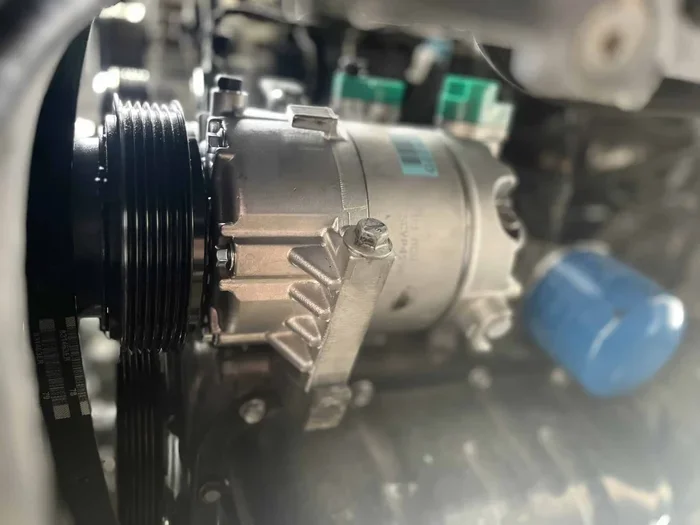
Before diving into replacement timelines, it helps to understand what the compressor actually does. Think of it as the engine of your air conditioning system. It pressurizes refrigerant gas and pushes it through the coils to remove heat from your home.
Without a working compressor, your air conditioning unit cannot cool your living space. The condenser unit sits outside your home, and the compressor lives inside it. When the compressor fails, warm air blows through your vents no matter how long you run the system.
Most compressors last between 10 and 15 years with proper care. However, age, wear, and environmental factors can shorten that lifespan significantly. Knowing how your compressor works makes it easier to understand why the replacement process takes the time it does.
How Long Does It Take to Replace a Compressor?
This is the question most homeowners want answered upfront. The honest answer depends on several variables. Let us look at the different scenarios you might face.
Standard Replacement: 4 to 8 Hours
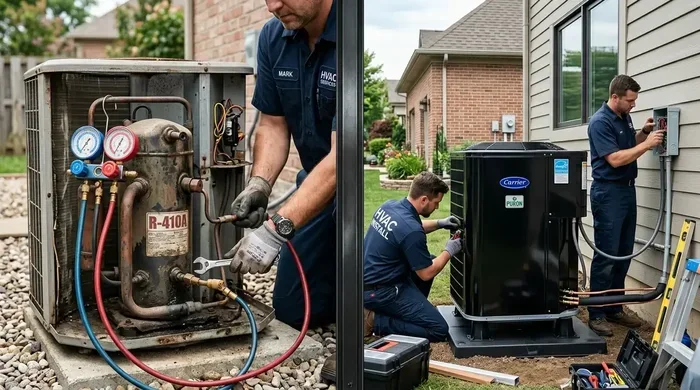
In most cases, a skilled HVAC contractor can swap out a failed compressor in a single workday. The technician will:
- Recover the old refrigerant safely
- Disconnect the electrical connections
- Remove the mounting bolts and extract the old compressor
- Install the new compressor
- Reconnect refrigerant lines and electrical wiring
- Evacuate the system and recharge it with fresh refrigerant
- Test the system for proper operation
Each of these steps requires precision and care. Rushing through any of them can lead to leaks, improper charging, or further damage. A qualified technician takes the time to do the job right.
Complex Replacement: 1 to 3 Days
Sometimes the replacement is not straightforward. Here are situations that can extend the timeline:
- Older units: Units built before 2010 often use R-22 refrigerant, which is now phased out. Finding compatible parts and handling the transition takes extra time.
- Accessibility issues: If your condenser unit is tucked in a tight space, on a second-story roof, or surrounded by obstacles, the technician needs more time just to access it.
- Additional part replacements: If the failure damaged the evaporator coil or the air handler, those components may need replacement too.
- Refrigerant line repairs: Corroded or damaged lines require extra work before the new compressor can be installed.
In these cases, plan for a full day or possibly two. Your contractor should give you a clear estimate before starting the work.
Factors That Affect Compressor Replacement Time
Not every compressor replacement follows the same timeline. Several key factors determine how long the job takes. Understanding these helps you set realistic expectations.
Unit Age and Model
Older units often present more challenges during replacement. Mounting bolts may be rusted. Refrigerant lines may be corroded. And finding the right replacement compressor for a discontinued model can take extra research and ordering time.
Newer units, on the other hand, typically have standardized parts and more accessible designs. A compressor replacement on a modern system usually goes faster and smoother.
Type of Refrigerant
The type of refrigerant your system uses matters a great deal. Systems using R-410A (the modern standard) are generally easier to work with. Older R-22 systems require special handling since that refrigerant is no longer manufactured. The technician must recover it properly and may need to retrofit or replace components, which adds time to the process.
Compressor Accessibility
Where your outdoor unit sits makes a big difference. A unit on a ground-level concrete pad is easy to access. A unit on a rooftop or in a narrow crawl space takes more effort to reach. The more difficult the access, the longer the job takes.
Need for Additional Components
Sometimes a compressor failure damages other parts of the system. If the condenser unit has debris inside from the failure, the technician needs to clean it out. If the evaporator coil is also failing, you may need to replace both components, which adds several hours to the job.
How Much Does Compressor Replacement Cost?
Cost is always a major factor when planning any home repair. The price of replacing an AC compressor varies widely based on your unit’s size, brand, and the complexity of the job.
On average, homeowners pay between $1,200 and $3,500 for parts and labor combined. The compressor part itself ranges from $400 to $1,200, while labor typically runs $600 to $1,500. If you need additional parts or repairs, the total can climb higher.
Just like the cost to install a whole-home backup power system, compressor replacement is a significant investment. But it is usually much more affordable than replacing the entire air conditioning unit.
| Component | Average Cost Range |
|---|---|
| Compressor part | $400 – $1,200 |
| Labor | $600 – $1,500 |
| Refrigerant recharge | $100 – $300 |
| Additional parts (if needed) | $200 – $800 |
| Total average | $1,200 – $3,500 |
Always get a detailed written estimate from your HVAC contractor before work begins. This protects you from surprise charges and helps you compare options.
Warning Signs Your Compressor Is Failing
Catching compressor problems early can save you from a sudden, uncomfortable breakdown on the hottest day of the year. Here are the most common warning signs:
- Warm air from vents: If your system runs constantly but blows warm air, the compressor may not be pumping refrigerant properly.
- Strange noises: Grinding, clicking, or rattling sounds from the outdoor unit often indicate compressor trouble.
- Frequent cycling: If your system turns on and off more often than usual, the compressor may be struggling to start.
- Ice buildup: Ice on the refrigerant lines or evaporator coil can signal low refrigerant levels caused by a compressor leak.
- Higher energy bills: A failing compressor works harder and uses more electricity, which shows up on your monthly bill.
- Tripping breakers: If the compressor keeps tripping the circuit breaker, there is likely an electrical or mechanical problem inside.
If you notice any of these symptoms, contact an HVAC professional right away. Early intervention can sometimes prevent a full compressor replacement and save you significant money.
DIY vs. Professional Replacement
Some homeowners wonder if they can replace a compressor themselves. The short answer is no, and here is why.
First, handling refrigerant requires EPA certification. It is illegal for uncertified individuals to purchase or release refrigerant. Second, compressor replacement involves working with high-voltage electrical components, which poses serious safety risks. Third, improper installation can void your warranty and lead to costly mistakes down the road.
Hiring a licensed HVAC contractor ensures the job is done safely, correctly, and in compliance with all local codes. Look for a contractor with specific experience in compressor replacement. Ask about their certification, warranty on parts and labor, and whether they offer emergency service if your system fails unexpectedly.
The timeline for professional compressor replacement also includes scheduling. Most contractors can come out within one to three days for an emergency repair. For planned replacements, you may have more flexibility to choose a convenient date.
How to Prepare for Compressor Replacement Day
A little preparation goes a long way toward making the replacement process smooth and efficient. Here are some practical tips:
- Clear the area around the outdoor unit: Remove debris, plants, and stored items so the technician has easy access.
- Make sure indoor vents are accessible: Move furniture or boxes away from registers so the technician can test airflow easily.
- Arrange for alternative cooling: If you live in a hot climate, plan for fans, temporary window units, or staying somewhere cool during the workday.
- Confirm the appointment time: Ask your contractor for a specific arrival window so you can plan your day accordingly.
- Have your warranty information ready: If your unit is still under warranty, the replacement may be partially or fully covered.
Being prepared helps the technician work efficiently and can reduce the overall time needed for the job. Most replacements that start on time and go smoothly are completed within a single working day.
How Long Will the New Compressor Last?
Once your new compressor is installed, you want it to last as long as possible. A well-maintained compressor typically serves you for 10 to 15 years, comparable to the lifespan of other major home systems like a quality backup generator that can last 10 to 20 years with proper care.
To maximize your new compressor’s lifespan:
- Schedule annual HVAC maintenance with a professional technician
- Keep the area around your outdoor unit clean and free of debris
- Replace your air filter every 1 to 3 months
- Address small issues promptly before they become bigger problems
- Ensure your system is properly sized for your home
Just as you would properly size a backup power system to match your home’s needs, your HVAC system must be correctly sized for your living space. An undersized or oversized system puts extra strain on the compressor and shortens its lifespan.
When Should You Replace the Entire Unit Instead?
Sometimes replacing just the compressor is not the best option. Here are situations where a full unit replacement makes more sense:
- Your unit is over 10 years old: If the compressor fails on an aging system, other components may be close to failing too.
- Repair costs exceed 50% of a new unit: If the replacement cost is very high, investing in a new, energy-efficient unit often makes more financial sense.
- Your system uses R-22 refrigerant: Since R-22 is phased out, continuing to repair an old R-22 system becomes increasingly expensive and difficult.
- Frequent breakdowns: If your unit has had multiple repairs in recent years, a full replacement gives you a fresh start with a modern, efficient system.
Your HVAC contractor can help you evaluate whether a compressor-only replacement or a full unit swap is the smarter choice for your situation. They will consider the age of your system, repair history, and your budget to give you a clear recommendation.
Common Mistakes Homeowners Make During Compressor Replacement
Avoiding these common mistakes can save you time, money, and frustration:
- Delaying the repair: Running a failing compressor makes the problem worse and can damage other parts of the system. Address issues promptly.
- Choosing the cheapest option: The lowest bid is not always the best value. Poorly installed compressors fail faster and may void your warranty.
- Skipping the full system inspection: If the compressor failed for a reason, that underlying cause needs to be addressed. Otherwise, the new compressor may fail prematurely.
- Ignoring warranty terms: Many compressors come with a 5- to 10-year warranty. Make sure your contractor registers the warranty and follows all installation requirements.
- Not getting multiple quotes: Always get at least two or three estimates to ensure you are getting fair pricing for the work.
Final Thoughts
Replacing an AC compressor is a significant home repair, but it does not have to be overwhelming. In most cases, a professional technician completes the job in a single day, typically between 4 and 8 hours. The total timeline can extend to 1 or 2 days when the job involves older units, hard-to-access locations, or additional part replacements.
The key to a smooth AC compressor replacement is working with a licensed, experienced HVAC contractor who communicates clearly and follows proper procedures. From the moment you notice warning signs to the final testing of your newly installed system, every step matters.
Stay proactive with regular maintenance, watch for early symptoms of compressor trouble, and do not hesitate to call a professional when something does not seem right. Your comfort depends on it, and a well-executed compressor replacement keeps your home cool and efficient for years to come.
Frequently Asked Questions
Can I drive my AC while the compressor is being replaced?
No. The entire air conditioning system must be shut down during compressor replacement. The technician needs to recover refrigerant, disconnect electrical components, and work on the unit safely. Plan for no cooling during the replacement day, and arrange for alternative comfort solutions if needed.
Is it cheaper to replace the compressor or the whole AC unit?
It depends on your system’s age and condition. For newer units under 10 years old, compressor replacement is usually the more cost-effective choice. For older units with frequent repairs, a full unit replacement often provides better long-term value and energy efficiency.
Does homeowner’s insurance cover compressor replacement?
Most standard homeowner’s insurance policies do not cover compressor failure due to normal wear and tear. However, if the failure was caused by a covered event like a lightning strike or power surge, you may be eligible for coverage. Check with your insurance provider for specific details about your policy.
How can I make my compressor last longer?
Regular annual maintenance is the single best thing you can do. Keep the outdoor unit clean, replace air filters every 1 to 3 months, and address small issues before they become big problems. A well-maintained compressor can last 15 years or more.
What happens if I wait too long to replace a failing compressor?
Delaying compressor replacement can cause the failure to spread to other components like the condenser fan motor or the capacitor. In worst-case scenarios, the entire system can be damaged, turning a manageable compressor replacement into a much more expensive full unit replacement.
Do I need to replace the refrigerant when I install a new compressor?
Yes. The system must be evacuated of old refrigerant and recharged with fresh refrigerant after a new compressor is installed. This ensures the system operates efficiently and prevents contamination from old or leaked refrigerant. Your technician handles this as part of the standard replacement process.
=== CONCLUSION ===
Knowing how long it takes to replace a compressor helps you plan ahead and make confident decisions about your home comfort. Whether the job takes 4 hours or spans two days, the right preparation and a skilled HVAC contractor make all the difference. Focus on recognizing early warning signs, getting fair estimates, and choosing quality workmanship over the lowest price. Your cool, comfortable home is worth the investment.