Can I Just Replace the AC Compressor in My Car Now
Yes, you can just replace the AC compressor in your car in most cases, but it depends on the condition of the rest of your AC system. Replacing only the compressor saves money compared to a full AC system overhaul, but you must address refrigerant leaks, clutch issues, and electrical connections first. This guide walks you through every step so you can make the best decision for your vehicle and your budget.
Your car’s air conditioning system keeps you cool on hot summer days and helps defog your windshield in winter. When the AC compressor starts failing, the whole system suffers. You might notice warm air blowing from the vents, strange noises under the hood, or a clutch that won’t engage. The natural question follows: can I just replace the AC compressor in my car without replacing everything else?
The short answer is yes, in many cases you can. But the full answer requires a closer look at your vehicle’s AC system, the symptoms you are experiencing, and your budget. This guide breaks down everything you need to know about replacing just the compressor, including costs, steps, common mistakes, and expert tips that save you time and money.
Whether you are a weekend mechanic or someone who just wants to understand what the shop is quoting you, this article covers it all. Let us dive into the details of AC compressor replacement and help you make the best decision for your car.
Key Takeaways
- Compressor-only replacement is often possible: If the rest of your AC system is healthy, swapping just the compressor is a smart, cost-effective choice.
- Cost varies widely: Expect to pay between $500 and $1,500 for parts and labor, depending on your vehicle model and location.
- Diagnosis matters first: Never replace a compressor without checking for refrigerant leaks, clutch problems, and electrical faults.
- DIY is doable but challenging: Experienced DIYers can save on labor costs, but the job requires proper tools and refrigerant handling certification.
- Flushing the system is essential: Old refrigerant and oil must be removed before installing a new compressor to prevent damage.
- Warranty coverage helps: Many compressors come with a 1- to 3-year warranty that can offset replacement costs.
📑 Table of Contents
- Understanding Your Car AC Compressor
- Signs Your AC Compressor Is Failing
- Can You Just Replace the AC Compressor?
- AC Compressor Replacement Cost Breakdown
- The AC Compressor Replacement Process
- Common Mistakes to Avoid
- Quick Tips for a Successful AC Compressor Replacement
- Expert Insights on AC Compressor Replacement
- Frequently Asked Questions About AC Compressor Replacement
- Conclusion
Understanding Your Car AC Compressor
What Does the AC Compressor Do?
The car air conditioning compressor is the heart of your vehicle’s cooling system. It pressurizes refrigerant gas and pumps it through the AC system, enabling heat exchange that produces cold air. Without a working compressor, refrigerant cannot circulate, and your vents blow warm air no matter how low you set the temperature.
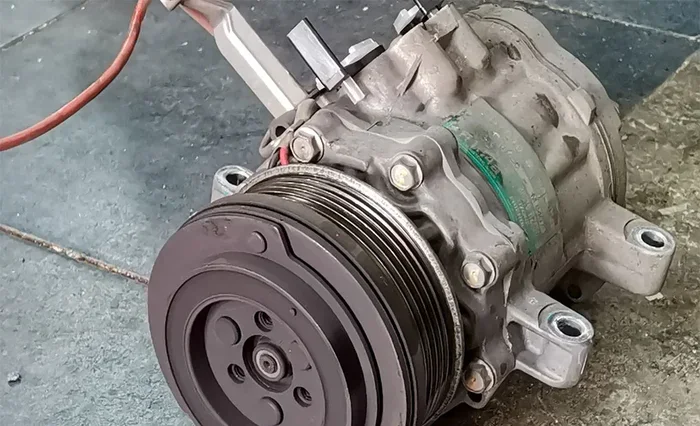
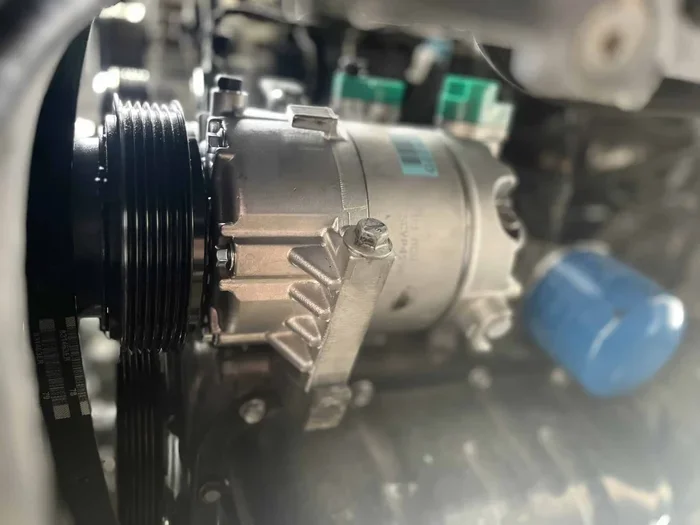
Think of the compressor as a pump that keeps the entire AC cycle moving. It connects to the engine through a belt and engages via an electromagnetic clutch. When you turn on the AC, the clutch engages the compressor pulley, which starts the compression cycle. If any part of this process fails, your cooling system stops working.
How Long Should an AC Compressor Last?
Most AC compressor lifespan ranges from 8 to 12 years or around 100,000 to 150,000 miles. However, driving habits, climate, and maintenance play a big role. Cars driven in hot, humid climates tend to wear compressors faster because the system works harder to maintain cool temperatures.
Regular maintenance helps extend compressor life. This includes checking refrigerant levels, inspecting belts and hoses, and addressing small leaks before they become major problems. If you ignore early AC compressor symptoms, a minor repair can turn into a full compressor failure.
Signs Your AC Compressor Is Failing
Common AC Compressor Symptoms
Spotting the early warning signs of a failing compressor can save you from a complete AC system breakdown. Here are the most common symptoms to watch for:
- Warm air from vents: The most obvious sign. If your AC blows warm or room-temperature air, the compressor may not be compressing refrigerant properly.
- Strange noises: Grinding, squealing, or clicking sounds when you turn on the AC often indicate compressor internal damage or a worn clutch.
- Clutch not engaging: If the compressor clutch does not engage when you switch on the AC, you may have an electrical issue or a seized compressor.
- Refrigerant leaks: Puddles of oily fluid near the front of the engine suggest a refrigerant leak that can starve the compressor of lubricant.
- Frequent cycling: A compressor that turns on and off rapidly, similar to how a generator that keeps shutting off after 30 minutes, may be struggling with low refrigerant or electrical problems.
- Ice buildup on lines: Frost or ice on AC hoses signals low refrigerant flow, often caused by a failing compressor.
When to Seek Professional Diagnosis
While some symptoms are obvious, others can point to different problems within the AC system components. A professional mechanic can perform a thorough diagnosis using pressure gauges, leak detectors, and electrical tests. Do not jump to conclusions and replace the compressor before checking simpler issues like a faulty compressor relay, blown fuse, or low refrigerant charge.
Getting a proper diagnosis first can save you hundreds of dollars. Sometimes the fix is as simple as replacing a relay or recharging the refrigerant.
Can You Just Replace the AC Compressor?
Repair vs Replace Decision
The big question remains: can I just replace the AC compressor in my car without touching anything else? In most cases, yes. If the condenser, evaporator, expansion valve, and hoses are all in good condition, a compressor-only replacement is perfectly viable.
However, there are situations where replacing just the compressor is not enough or could even be a waste of money:
- Contaminated system: If the old compressor failed due to internal debris, that debris may have circulated through the entire AC system. Flushing or replacing other components becomes necessary.
- Multiple failing parts: If several AC components show signs of wear, replacing only the compressor might lead to another failure within months.
- Severe refrigerant leak: A leak that has been ongoing for a long time may have damaged other parts of the system, requiring more extensive repairs.
What Happens If You Only Replace the Compressor?
When you replace only the compressor and the rest of the system is healthy, you can expect full cooling performance to return. The new compressor will pressurize refrigerant, circulate it through the system, and produce cold air again. Most people notice an immediate improvement once the new compressor is installed and the system is recharged.
The key is ensuring the system is properly flushed, the correct amount of refrigerant and oil is added, and all connections are sealed. Skipping any of these steps can damage your new compressor prematurely.
AC Compressor Replacement Cost Breakdown
Parts and Labor Costs
Understanding the AC compressor replacement cost helps you budget and avoid surprises. The total cost depends on your vehicle make and model, labor rates in your area, and whether you choose an OEM or aftermarket compressor.
| Cost Component | Budget Range | Premium Range |
|---|---|---|
| Compressor (OEM) | $200 – $400 | $400 – $800 |
| Compressor (Aftermarket) | $100 – $300 | $300 – $500 |
| Labor | $200 – $500 | $500 – $1,000 |
| Refrigerant and Oil | $50 – $100 | $100 – $200 |
| Total Estimated Cost | $550 – $1,000 | $1,000 – $2,000 |
These numbers give you a general idea. Luxury vehicles and European cars typically cost more for both parts and labor. Always get a detailed quote from your mechanic before approving the repair.
Budgeting for Your AC Compressor Replacement
Budgeting for this repair requires considering more than just the compressor itself. You may also need to replace the compressor clutch, expansion valve, or receiver drier if they show signs of wear. Adding these parts to the job increases the total cost but prevents future failures.
One money-saving tip is to ask your mechanic about AC compressor warranty options. Many compressors come with a 1-year to 3-year warranty that covers parts and sometimes labor. This protection can give you peace of mind and save you money if the new compressor has issues.
The AC Compressor Replacement Process
Step-by-Step Overview
Replacing an AC compressor involves several steps that require precision and the right tools. Here is a simplified overview of what the process looks like:
- Recover old refrigerant: A certified technician uses a recovery machine to safely remove the old refrigerant from the system. This step is legally required in most areas.
- Disconnect electrical connections: The compressor clutch wire, pressure switches, and any other electrical connectors are disconnected.
- Remove the old compressor: The belt is loosened, mounting bolts are removed, and the old compressor is taken out of the engine bay.
- Flush the system: The entire AC system is flushed to remove debris, old oil, and any contaminants left behind by the failed compressor.
- Install the new compressor: The new compressor is mounted, bolted in place, and connected to the system lines.
- Replace auxiliary components: The receiver drier, expansion valve, or orifice tube is often replaced at the same time to ensure clean system operation.
- Evacuate and recharge: The system is evacuated to remove moisture and air, then recharged with the correct amount of refrigerant and oil.
- Test the system: The new compressor is tested for proper operation, leak-free connections, and cooling performance.
How Long Does the Job Take?
A typical AC compressor replacement time ranges from 3 to 6 hours, depending on the vehicle and the condition of surrounding components. Some vehicles have tight engine bays that make access difficult, adding to the labor time. If additional parts need replacement, the job can take longer.
If you are considering a DIY approach, be aware that handling refrigerant requires EPA certification in the United States. Improper handling is illegal and can harm the environment. For most people, having a professional complete the job is the safest and most efficient route.
Common Mistakes to Avoid
Skipping the Full AC System Check
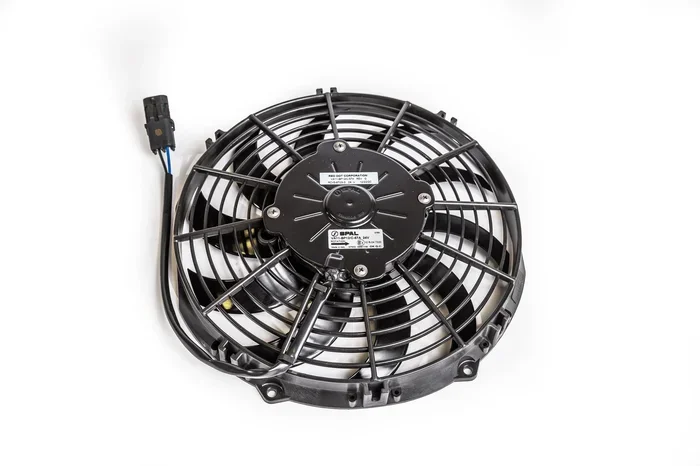
The biggest mistake people make is replacing the compressor without checking the rest of the system. A failed compressor can be a symptom, not the root cause. If the condenser is clogged, the cooling fan is malfunctioning, or there is a blockage in the expansion valve, your new compressor could fail prematurely.
Always insist on a full system inspection before approving any compressor replacement. This includes checking the condenser, evaporator, hoses, and electrical connections for issues.
Ignoring Refrigerant and Oil Issues
Your AC system requires the correct type and amount of refrigerant and compressor oil. Using the wrong refrigerant or adding too much or too little oil can cause serious problems. The compressor relies on refrigerant oil for internal lubrication, and running it without proper oil leads to seizing and failure.
Similarly, if you do not properly flush the system before installing the new compressor, residual debris and old oil can contaminate the new unit. Always follow the manufacturer’s guidelines for system flushing and refrigerant charging.
Choosing the Cheapest Compressor
While saving money is important, choosing the cheapest compressor on the shelf can backfire. Low-quality aftermarket compressors may not include the correct internal components, seals, or clutch assembly. A failed cheap compressor means paying for replacement twice.
Look for compressors from reputable brands with solid warranty coverage. The slight extra cost upfront often saves you money and headaches in the long run.
Quick Tips for a Successful AC Compressor Replacement
- Always replace the receiver drier: This small but critical component absorbs moisture and should be swapped with every compressor replacement.
- Check the belt tension: A loose belt causes the compressor clutch to slip, leading to premature wear on the new compressor.
- Use OEM-spec refrigerant: Do not mix refrigerant types. Use the exact type specified in your vehicle’s owner manual.
- Inspect all O-rings and seals: Replace any worn O-rings during the job to prevent future leaks.
- Run the system for at least 15 minutes after recharge: This allows the compressor to cycle properly and ensures everything is working before you consider the job complete.
Expert Insights on AC Compressor Replacement
Experienced mechanics agree that replacing just the AC compressor is often the right call when the rest of the system is in good shape. The key is proper diagnosis and meticulous installation. A compressor does not fail in isolation, so understanding why it failed is just as important as replacing it.
Many professionals compare compressor failure to issues like a generator that keeps turning off — the root cause is rarely the component itself but rather a supporting system issue, such as low refrigerant, electrical faults, or contamination. Addressing these underlying problems before installing a new compressor is what separates a repair that lasts from one that fails within months.
Another expert insight is to always document the condition of the old compressor. Take photos, note any debris, and share this information with your mechanic. This data helps determine whether the entire AC system needs flushing or if a compressor-only replacement is sufficient.
Finally, do not overlook the importance of regular AC maintenance after replacement. Having the system checked annually, ensuring refrigerant levels are proper, and listening for unusual noises can extend the life of your new compressor significantly.
Frequently Asked Questions About AC Compressor Replacement
Can I drive my car with a bad AC compressor?
Yes, you can still drive your car with a failing AC compressor. The compressor does not affect your engine’s ability to run or your ability to steer and brake. However, you will lose air conditioning, which can be uncomfortable in hot weather. If the compressor clutch seizes, it may cause the serpentine belt to slip or break, which can affect other engine accessories.
How much does it cost to just replace the AC compressor?
The cost to replace only the AC compressor typically ranges from $550 to $2,000, depending on your vehicle and whether you use OEM or aftermarket parts. Labor usually makes up about half of the total cost. Getting quotes from at least two or three shops in your area helps you find a fair price.
Is it better to repair or replace the AC compressor?
In most cases, replacing the compressor is better than repairing it. Compressor repairs are rare because internal damage usually cannot be fixed economically. Replacement gives you a fresh, reliable unit with a warranty. The only exception is if the issue is external, such as a faulty relay or clutch, which can be repaired without replacing the entire compressor.
How long does an AC compressor replacement take?
A professional AC compressor replacement typically takes between 3 and 6 hours. The exact time depends on your vehicle’s engine layout, accessibility of the compressor, and whether additional components need replacement. DIYers with experience may take longer, especially if they do not have professional recovery and recharge equipment.
Do I need to replace the entire AC system if the compressor fails?
No, you do not need to replace the entire AC system. If the condenser, evaporator, and other components are in good condition, replacing just the compressor is sufficient. However, if the system was contaminated or multiple components are failing, a more extensive repair or full system replacement may be necessary.
What causes an AC compressor to fail prematurely?
Common causes of premature AC compressor failure include low refrigerant levels, refrigerant leaks, contaminated refrigerant, lack of lubrication, electrical issues, and a clogged expansion valve. Regular maintenance and addressing small problems early can significantly extend compressor life.
Conclusion
The answer to the question can I just replace the AC compressor in my car is a reassuring yes for most vehicle owners. As long as the rest of your AC system is healthy, a compressor-only replacement is a practical, cost-effective solution that restores your cooling performance without breaking the bank.
Remember to get a proper diagnosis first, choose quality parts with good warranty coverage, and never skip the system flush and recharge steps. Taking these precautions ensures your new compressor delivers reliable cooling for years to come. Whether you handle the repair yourself or trust a professional, understanding the process empowers you to make confident decisions about your vehicle’s maintenance.
Do not let a failing AC compressor leave you sweating on your next drive. Take action today, get your system checked, and enjoy cool, comfortable air all season long.