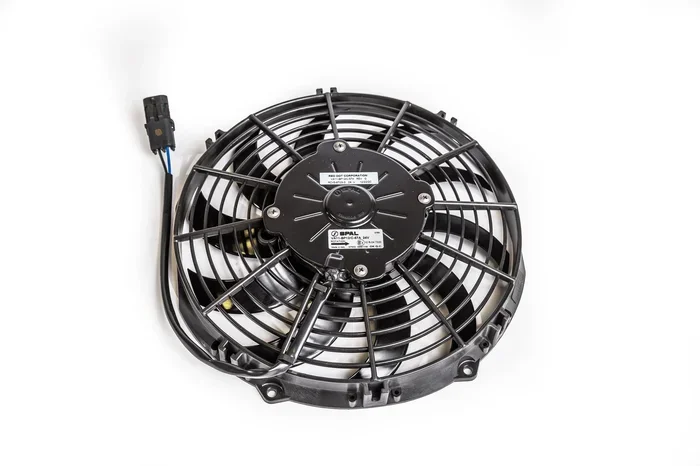
Compressor and Condenser Fan Not Running Troubleshooting
A compressor and condenser fan not running is one of the most common AC problems homeowners face. When either the compressor or the condenser fan stops working, your air conditioner cannot cool your home properly. This guide walks you through the top causes, simple diagnostic steps, and practical fixes you can try yourself. We also cover when to call a professional and how to prevent future breakdowns.
There is nothing more frustrating than walking up to your outdoor AC unit on a hot day and realizing the compressor and condenser fan not running. Your air conditioner sits there quietly, and you know something is wrong. The good news is that this is a very common problem, and in many cases, you can figure out the cause and fix it yourself.
When the compressor and condenser fan stop working together, it usually points to one of several shared causes. These include electrical issues, capacitor problems, refrigerant troubles, or worn-out parts. Understanding what each component does helps you narrow down the problem fast. The compressor pumps refrigerant through the system, while the condenser fan blows air across the coils to release heat. If either one stops, the whole cooling cycle breaks down.
In this guide, we will cover every major reason your compressor and condenser fan might not be running. We will also give you clear troubleshooting steps you can follow right away. Let us get into it.
Key Takeaways
- Tripped breakers or faulty relays are the most common reasons the compressor and condenser fan not running.
- Capacitor failure can stop both the fan and compressor from starting, and it is an easy and inexpensive fix.
- Low refrigerant levels may cause the compressor to shut down or refuse to start entirely.
- Dirty condenser coils and blocked airflow put extra strain on the system and can trigger thermal overload protection.
- Contactor wear and tear prevents electrical current from reaching the compressor and fan motor.
- Regular maintenance such as cleaning coils and checking electrical connections can prevent most of these issues.
📑 Table of Contents
Why Your Compressor and Condenser Fan Not Running Matters
Your air conditioning system depends on both the compressor and the condenser fan working together. The compressor pressurizes the refrigerant gas and sends it through the system. The condenser fan then pulls air across the hot condenser coil to release that heat outside. When one or both stop running, the system cannot expel heat properly.
Here is what happens when the compressor and condenser fan not running:
- Your home stops cooling or cools very poorly.
- The indoor evaporator coil freezes up because refrigerant is not cycling.
- The compressor overheats and may trip a thermal overload switch.
- Your energy bills spike because the system runs longer without producing cool air.
- Compressor damage can become permanent if you ignore the problem for too long.
Ignoring a compressor and condenser fan not running situation can turn a small repair into a very expensive one. That is why early diagnosis matters so much. The sooner you identify the cause, the less damage occurs and the lower your repair bill will be.
Common Causes of Compressor and Condenser Fan Not Running
Several different issues can cause both the compressor and condenser fan to stop working at the same time. Let us look at the most common ones.
Tripped Breaker or Blown Fuse
This is the simplest and most common cause. Your outdoor AC unit runs on a dedicated electrical circuit. If the breaker trips or a fuse blows, both the compressor and the condenser fan lose power. This usually happens when the system draws too much current due to an overload or a short circuit.
Start by going to your electrical panel and checking the breaker for the AC unit. If it has tripped, flip it back to the “on” position. If it trips again right away, do not keep resetting it. That signals a deeper electrical problem you need a professional to look at.
Faulty Capacitor
The capacitor stores electrical energy and sends a burst of power to start the compressor and the fan motor. When a capacitor goes bad, the compressor and condenser fan not running is exactly what you will see. The motor may hum but will not start.
Capacitors are relatively cheap parts, and replacing one is one of the most common AC repairs. However, capacitors hold a dangerous charge even when the power is off. If you are not comfortable working with electrical components, leave this one to a licensed technician.
Bad Contactor
The contactor is an electrical switch that sends power to the compressor and fan motor when the thermostat calls for cooling. Over time, the contact points inside the contactor wear out or get pitted. When this happens, the contactor cannot close the circuit, and the compressor and fan will not run.
A bad contactor often makes a clicking sound when the thermostat calls for cooling. If you hear clicking but nothing else happens, the contactor is a likely culprit. Replacing a contactor is a straightforward repair that most HVAC technicians handle quickly.
Low Refrigerant Levels
If your system has a refrigerant leak, the refrigerant level drops over time. Low refrigerant causes the compressor to work harder and eventually triggers a safety switch that shuts the compressor down. When the compressor stops, the condenser fan may also stop because they share a electrical circuit in some systems.
You can read more about what happens when refrigerant levels drop in our article on why low freon causes the compressor not to come on. Low refrigerant is a sign of a leak that needs professional repair, not just a refrigerant top-off.
Worn-Out Fan Motor
The condenser fan motor spins the fan blade that pulls air through the condenser coil. When the motor burns out, the fan stops. In some setups, the compressor and fan share the same electrical pathway, so a failed fan motor can also prevent the compressor from starting.
Signs of a failing condenser fan motor include grinding noises, slow spinning, or the fan blade not spinning at all. Replacing a fan motor is a moderate repair that requires some HVAC knowledge.
Thermal Overload Protection
Most modern compressors have a built-in thermal overload switch. If the compressor gets too hot, this switch trips and shuts the system down to prevent damage. Once the compressor cools off, the switch may reset itself. However, if the underlying cause of the overheating is not fixed, the compressor will keep tripping.
Common causes of compressor overheating include dirty condenser coils, blocked airflow, low refrigerant, and high ambient temperatures. Cleaning the coils and ensuring proper airflow around the unit can often solve this problem.
Step-by-Step Troubleshooting Guide
Now that you know the common causes, let us walk through the troubleshooting process. Always start with the simplest checks and work your way up.
Step 1: Check the Power Supply
Go to your electrical panel and look for the breaker labeled “AC” or “Outdoor Unit.” Make sure it has not tripped. Also check for a disconnect switch near the outdoor unit. This is a small box on the wall next to the condenser. Make sure it is in the “on” position.
If the breaker keeps tripping, do not attempt to fix it yourself. Call a professional. A tripping breaker can indicate a serious electrical fault in the compressor or wiring.
Step 2: Inspect the Capacitor
Locate the capacitor on the outdoor unit. It is usually a cylindrical metal can mounted near the compressor or fan motor. Look for signs of bulging, leaking, or corrosion. A damaged capacitor almost always needs replacement.
If you have a multimeter, you can test the capacitor to see if it holds a charge. But again, capacitors can hold a dangerous charge, so exercise caution. If you are unsure, skip this step and call a technician.
Step 3: Test the Contactor
Remove the access panel on the outdoor unit and locate the contactor. When the thermostat calls for cooling, you should hear the contactor click and feel a hum from the compressor and fan. If you hear a click but no humming, the contactor may not be passing current.
You can test the contactor with a multimeter by checking for continuity across the contacts. If there is no continuity, the contactor needs to be replaced. This is a relatively inexpensive part and an easy swap for anyone with basic electrical skills.
Step 4: Check the Condenser Fan Blade
Visually inspect the fan blade on the condenser unit. Make sure it is not bent, broken, or obstructed by debris. Spin the blade by hand (with the power off). It should spin freely without much resistance.
If the blade spins freely but the motor does not run, the motor itself may be bad. If the blade is hard to turn, the bearings may be seized. In either case, the fan motor or bearings will likely need replacement.
Step 5: Examine the Refrigerant Lines
Look at the copper refrigerant lines running into the outdoor unit. If you see oil residue or frost on the lines, you may have a refrigerant leak. Other signs include hissing sounds near the lines and the system taking longer than usual to cool your home.
Refrigerant leaks require professional repair. A licensed HVAC technician can locate the leak, repair it, and recharge the system with the correct amount of refrigerant. Never attempt to add refrigerant yourself without first finding and fixing the leak.
Step 6: Clean the Condenser Coils
Dirty condenser coils are one of the most overlooked causes of compressor and fan problems. When coils are clogged with dirt, leaves, and debris, airflow is restricted. This causes the system to overheat and can trigger the thermal overload switch.
Turn off the power to the unit and spray the condenser coils with a coil cleaner from a garden sprayer. Let it sit for a few minutes, then rinse gently with a hose. Do not use a pressure washer, as it can damage the delicate fins on the coils. Keeping the area around the outdoor unit clear of plants and debris also helps maintain good airflow.
When to Call a Professional
While many causes of compressor and condenser fan not running can be diagnosed at home, some repairs require professional expertise. You should call an HVAC technician if:
- The breaker keeps tripping after you reset it.
- You smell burning plastic or ozone coming from the outdoor unit.
- The compressor is making loud grinding or knocking noises.
- You suspect a refrigerant leak and need professional detection and repair.
- The compressor and fan still do not run after checking the breaker, capacitor, and contactor.
Some problems, like a bad compressor, require complete replacement. Replacing a compressor is one of the most expensive AC repairs, so getting an accurate diagnosis from a professional is essential. You can also learn more about the signs of a failing compressor in our article on how to know when your AC compressor is bad.
If you are dealing with an AC compressor that will not turn on, our troubleshooting guide on why your AC compressor is not turning on covers additional diagnostic steps in detail.
Prevention Tips to Keep Your Compressor and Fan Running
The best way to deal with a compressor and condenser fan not running is to prevent it from happening in the first place. Here are some simple maintenance tips that go a long way.
Schedule Annual HVAC Maintenance
Have a professional HVAC technician inspect your system at least once a year, ideally before the cooling season starts. During a maintenance visit, the tech will check electrical connections, test capacitors, clean coils, and verify refrigerant levels. This proactive approach catches small problems before they turn into big ones.
Keep the Area Around the Condenser Clear
Your outdoor condenser unit needs plenty of airflow to operate efficiently. Keep a clearance of at least two feet around all sides of the unit. Remove leaves, grass clippings, and dirt regularly. Trim back any bushes or plants that may be growing too close.
Replace Your Air Filter Regularly
A dirty air filter restricts airflow through the entire system. This causes the evaporator coil to freeze and puts extra strain on the compressor. Replace your filter every one to three months during heavy use seasons.
Check the Condensate Drain
A clogged condensate drain can cause water to back up and damage internal components. Inspect the drain line periodically and flush it with a mixture of vinegar and water to prevent algae and mold buildup.
Monitor Your Energy Bills
An unexpected spike in your energy bill can be an early warning sign that your compressor or fan is not running efficiently. If you notice your bills climbing without a corresponding increase in usage, it is time to investigate.
Understanding the Cost of Repair
The cost to fix a compressor and condenser fan not running varies widely depending on the cause. Here is a rough breakdown of common repair costs:
| Repair | Estimated Cost Range |
|---|---|
| Resetting a tripped breaker | Free (DIY) |
| Replacing a capacitor | $100 – $250 |
| Replacing a contactor | $150 – $300 |
| Replacing a condenser fan motor | $200 – $500 |
| Refrigerant leak repair and recharge | $200 – $1,000+ |
| Replacing the compressor | $1,000 – $3,000+ |
These costs can vary based on your location, the brand and model of your unit, and the severity of the problem. Always get a written estimate from any technician before authorizing repairs. And remember, regular maintenance is the cheapest way to avoid most of these costs in the first place.
For a more detailed look at compressor repair costs, check out our guide on how much it costs to fix an air compressor in your car, which covers related repair expenses across different systems.
Key Takeaways
- Start with the simplest checks like the breaker and disconnect switch before moving on to more complex diagnostics.
- A faulty capacitor or contactor is the most common electrical cause of compressor and condenser fan failure.
- Low refrigerant is a serious issue that requires professional leak detection and repair.
- Dirty condenser coils are an easy fix that many homeowners overlook.
- Regular maintenance prevents most compressor and fan problems before they start.
- Know when to call a pro and do not risk your safety with electrical repairs you are not comfortable performing.
A compressor and condenser fan not running does not always mean you need a costly replacement. In many cases, the fix is simple and affordable. By following the troubleshooting steps in this guide, you can identify the problem quickly and decide whether to handle it yourself or call in a professional. The most important thing is to act fast. The longer you run your AC with a failed compressor or fan, the more damage occurs and the higher your repair bill will climb.
Keep your outdoor unit clean, stay on top of maintenance, and pay attention to early warning signs like reduced cooling, strange noises, or tripping breakers. These small habits can add years of reliable service to your air conditioning system and keep your home comfortable all summer long.
Frequently Asked Questions
Why did my compressor and condenser fan suddenly stop running?
The most common reason is an electrical issue such as a tripped breaker, a failed capacitor, or a bad contactor. These components can fail suddenly without much warning, especially if the unit is older or has not had regular maintenance. Start by checking your electrical panel and the disconnect switch near the outdoor unit.
Can low refrigerant cause the compressor and condenser fan not running?
Yes. Low refrigerant causes the compressor to work harder and can trigger a thermal overload switch that shuts the system down. In some system configurations, a low-pressure safety switch also prevents the compressor and fan from starting until the refrigerant level is restored. This is why a refrigerant leak should be repaired promptly.
How do I know if the capacitor is bad?
Signs of a bad capacitor include the compressor or fan humming but not starting, the system turning on and off rapidly, or the unit not responding at all when the thermostat calls for cooling. A visual inspection may reveal a bulging or leaking capacitor. However, the safest way to confirm is to have a professional test it with a multimeter.
Is it safe to reset a tripped breaker for my AC unit?
Yes, it is generally safe to reset a tripped breaker once. Go to your electrical panel, flip the breaker fully to “off,” and then back to “on.” If the breaker trips again immediately, stop and call an HVAC technician. Repeated tripping indicates a serious electrical fault that could be dangerous.
How often should I clean my condenser coils?
You should inspect and clean your condenser coils at least once a year, ideally before the cooling season begins. If you live in a dusty area or near trees and plants, you may need to clean them twice a year. Clean coils improve airflow, reduce strain on the compressor, and help prevent overheating.
What should I do if the condenser fan blade is bent or broken?
Turn off the power to the unit immediately. A bent or broken fan blade can cause imbalance and damage the fan motor over time. Do not attempt to run the system with a damaged blade. Replace the blade or the entire fan motor assembly as needed, and make sure the replacement part matches your unit’s specifications.


