How Long Does an Air Conditioner Compressor Last and Why
An air conditioner compressor typically lasts 10 to 15 years with proper care. Your AC compressor is the heart of your cooling system, and its lifespan depends on maintenance, usage, and unit size. Understanding what wears down your HVAC compressor helps you avoid costly repairs and plan for a compressor replacement before it leaves you in the heat.
Your air conditioner works hard every summer to keep your home cool and comfortable. But have you ever stopped to think about the part doing the heaviest lifting? The air conditioner compressor is the engine of your cooling system. It pumps refrigerant through the condenser unit and cooling coils to remove heat from your home. Without a working compressor, your entire central air conditioner system stops cold.
So how long can you expect this vital component to keep running? The answer depends on several factors, including how well you maintain your unit, the climate you live in, and whether the system was sized correctly when it was installed. In this guide, we will walk you through everything you need to know about AC compressor lifespan. You will learn what shortens it, what extends it, and when it is time to call a professional for compressor replacement.
Whether you own a new HVAC system or are planning to buy a home with an older unit, understanding your compressor is one of the smartest things you can do. Let us break it all down in simple terms.
Key Takeaways
- Average lifespan: Most air conditioner compressors last 10 to 15 years with regular maintenance.
- Maintenance matters: Cleaning coils and changing filters can add years to your compressor life.
- Warning signs: Warm air, strange noises, and frequent cycling signal compressor trouble.
- Replacement cost: Expect to pay between $1,000 and $3,000 for a compressor replacement.
- Age factor: Units over 10 years old may be better off replaced entirely.
- Proper sizing: An incorrectly sized unit wears out the compressor faster.
- Professional help: Always hire a licensed HVAC technician for diagnosis and repair.
📑 Table of Contents
- What Is an Air Conditioner Compressor and What Does It Do?
- How Long Does an Air Conditioner Compressor Last?
- What Shortens the Lifespan of an AC Compressor?
- How to Make Your AC Compressor Last Longer
- Signs Your AC Compressor Is Failing
- How Much Does It Cost to Replace an AC Compressor?
- When Should You Replace the Entire Unit Instead of Just the Compressor?
- Common Mistakes That Damage Your AC Compressor
- Expert Insights on Compressor Longevity
- Key Takeaways
- Conclusion
What Is an Air Conditioner Compressor and What Does It Do?
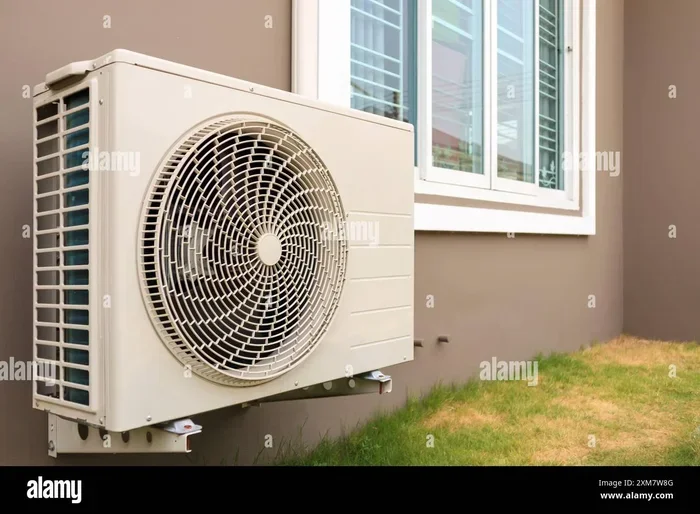
The air conditioner compressor sits inside the outdoor unit of your central air conditioner. Think of it as the pump that moves refrigerant lines carrying cool air through your home. It compresses low-pressure gas into high-pressure gas, which then flows through the condenser unit to release heat outside.
Here is a simple way to understand it. Your compressor takes warm indoor air, removes the heat using refrigerant, and sends cool air back inside through the air handler and ductwork. If the compressor fails, this entire process stops. Your home stays warm, your cooling system sits idle, and you start sweating.
The compressor relies on several parts working together. The compressor motor drives the piston or scroll mechanism. A capacitor provides the electrical boost needed to start the motor. The compressor relay controls when the unit turns on and off. All of these parts must work in harmony for your HVAC compressor to function properly.
How Long Does an Air Conditioner Compressor Last?
The average AC compressor lifespan ranges from 10 to 15 years. However, some compressors fail after just 5 years, while others keep running for 20 years or more. The wide range comes down to how the unit is used and maintained.
Average Lifespan by Type of System
Different types of cooling systems have different compressor lifespans. Here is a quick look at what you can expect:
- Central air conditioners: 12 to 15 years with proper maintenance.
- Heat pumps: 10 to 12 years, since they run year-round.
- Mini-split systems: 12 to 16 years, depending on usage.
- Window units: 8 to 10 years, as they are smaller and work harder.
- Portable AC units: 5 to 8 years, often the shortest lifespan.
These numbers assume regular air conditioner maintenance and normal usage. If you live in a very hot climate or run your system constantly, expect the lower end of the range.
How Long Does the Entire HVAC System Last?
While the compressor is the most expensive part to replace, it is not the only component that wears out. The cooling coils, thermal expansion valve, and compressor clutch all have their own lifespans. The blower motor and ductwork also degrade over time. A well-maintained HVAC system can last 15 to 20 years, but individual parts may need attention along the way.
For comparison, equipment like generators also has a defined lifespan. For example, a portable generator typically lasts around 10 to 15 years, similar to an AC compressor. You can learn more about generator longevity in our guide on how long a generator lasts.
What Shortens the Lifespan of an AC Compressor?
Several common mistakes and conditions can eat years off your compressor’s life. Knowing what causes premature failure helps you avoid it.
Lack of Regular Maintenance
The number one killer of HVAC compressors is neglect. When you skip annual tune-ups, dirt builds up on the cooling coils. The system works harder, runs hotter, and wears out faster. Dirty air filters restrict airflow, which forces the compressor to overwork. Simple tasks like cleaning the outdoor unit and replacing filters every one to three months go a long way.
Incorrect Sizing
If your central air conditioner was not sized correctly for your home, your compressor pays the price. An oversized unit cycles on and off too frequently, causing wear on the compressor relay and capacitor. An undersized unit runs constantly, overheating the compressor motor over time. This is why proper sizing is so important during installation.
Proper equipment sizing applies to more than just AC units. For instance, choosing the right size generator for your home follows the same principle. You can read our article on how to size a generator to understand why matching equipment to your needs matters across the board.
Low Refrigerant Levels
Your refrigerant lines carry the chemical coolant that makes cooling possible. If there is a leak and refrigerant levels drop, the compressor struggles to do its job. It draws more electrical current, overheats, and eventually burns out. Low refrigerant is one of the most common causes of compressor failure.
Electrical Problems
Power surges, faulty wiring, and failing capacitors can all damage the compressor motor. Over time, electrical stress weakens internal components. A compressor relay that sticks or fails can cause the unit to short-cycle, which is especially hard on the compressor.
Dirty Condenser Coils
The outdoor unit sits exposed to dirt, leaves, pollen, and debris. When the condenser unit coils get clogged, heat cannot escape properly. The system runs longer cycles, the compressor overheats, and its lifespan drops significantly.
Age and Wear
Even with perfect care, a compressor simply wears out over time. Moving parts like the piston or scroll mechanism experience friction every day. After 10 to 15 years, metal fatigue and corrosion take their toll. At some point, compressor replacement becomes the most practical option.
How to Make Your AC Compressor Last Longer
The good news is that you have more control over your compressor’s lifespan than you might think. A few simple habits can add years of reliable service to your cooling system.
1. Schedule Annual Professional Maintenance
Hire a licensed HVAC technician to inspect your system every spring before cooling season begins. They will check refrigerant levels, clean the condenser unit, test the capacitor and relay, and look for early signs of wear. A professional tune-up typically costs between $100 and $200 but can save you thousands in premature replacement costs.
2. Change Your Air Filters Regularly
Replace disposable filters every one to three months. If you have pets or live in a dusty area, check them monthly. Clean filters allow proper airflow, which reduces strain on the compressor motor. This is one of the easiest and cheapest ways to protect your system.
3. Keep the Outdoor Unit Clean
Remove leaves, grass clippings, and debris from around the condenser unit at least twice a year. Maintain at least two feet of clearance around the outdoor unit for proper airflow. You can gently hose down the coils to remove stubborn dirt.
4. Use a Programmable Thermostat
A programmable thermostat prevents your compressor from running nonstop. Set it to raise the temperature when you are away from home and lower it before you return. This reduces runtime and gives the compressor regular rest periods.
5. Address Problems Immediately
Do not ignore warning signs. If you notice warm air from the vents, unusual noises, or higher energy bills, call a technician right away. Small problems like a minor refrigerant leak or a failing compressor clutch can turn into major compressor damage if left unchecked.
6. Protect Against Power Surges
Install a surge protector or a whole-home surge suppression device. Power surges from lightning storms or grid fluctuations can fry the compressor motor and other sensitive electronics. This simple investment can extend the life of your entire HVAC system.
Signs Your AC Compressor Is Failing
Catching compressor problems early can save you from a complete system breakdown on the hottest day of the year. Watch for these warning signs:
- Warm air from vents: If your central air conditioner blows warm or lukewarm air, the compressor may not be pumping refrigerant properly.
- Loud or unusual noises: Grinding, screeching, or clicking sounds from the outdoor unit often indicate compressor motor damage or a failing compressor clutch.
- Frequent cycling: If your system turns on and off every few minutes, the compressor may be overheating or struggling to start.
- Ice buildup on refrigerant lines: Frost on the refrigerant lines usually means low refrigerant, which stresses the compressor.
- Higher energy bills: A failing compressor works harder and uses more electricity. A sudden spike in your cooling costs is a red flag.
- Moisture or leaks around the unit: Puddles or refrigerant stains near the condenser unit may signal a leak that affects compressor performance.
If you notice any of these symptoms, turn off the unit and contact a professional. Running a damaged compressor can cause further damage to the entire cooling system and increase compressor replacement cost.
How Much Does It Cost to Replace an AC Compressor?
The cost of compressor replacement varies widely depending on the type of system, the brand, and your local labor rates. On average, homeowners pay between $1,000 and $3,000 for parts and labor combined.
Several factors influence the final price:
- Unit age: Older units may require discontinued parts, which cost more.
- Warranty coverage: Some compressors come with a 10-year warranty that covers replacement costs.
- Labor rates: HVAC labor costs vary by region, typically ranging from $100 to $200 per hour.
- Refrigerant type: Older systems using R-22 refrigerant are more expensive to service than newer R-410A systems.
- Additional repairs: If the failure damaged other components like the condenser unit or cooling coils, the total cost rises.
For many homeowners, the cost of replacing just the compressor approaches the cost of replacing the entire unit. If your system is over 10 years old, a full HVAC system replacement may make more financial sense. Just as you would weigh the cost of replacing parts versus buying new equipment in other areas of your home, the same logic applies here. You can compare replacement costs across equipment types in our article on how much a generator costs for a similar perspective on repair versus replacement decisions.
When Should You Replace the Entire Unit Instead of Just the Compressor?
This is one of the most common dilemmas homeowners face. Here is a simple rule of thumb: if your unit is less than 5 to 7 years old and the compressor fails under warranty, replacing just the compressor makes sense. But if your system is older, replacing the entire central air conditioner often provides better value.
Consider these factors when making your decision:
- Age of the unit: Systems over 10 years old are less efficient and more prone to future breakdowns.
- SEER rating: Older units with low SEER ratings use significantly more energy than modern high-efficiency models.
- Repair history: If you have already replaced multiple parts, the unit is likely on its way out.
- R-22 refrigerant: Older systems using R-22 face rising refrigerant costs since the chemical has been phased out.
- Energy savings: New HVAC systems can cut cooling costs by 20 to 40 percent compared to older units.
Talk to a trusted HVAC professional who can assess your specific situation. They can help you weigh the pros and cons of each option and recommend the best path forward for your home and budget.
Common Mistakes That Damage Your AC Compressor
Avoiding these common errors can significantly extend the life of your air conditioner compressor:
- Skipping annual maintenance: This is the single biggest mistake homeowners make. A simple inspection catches small problems before they become expensive failures.
- Igning strange sounds: Unusual noises are your compressor telling you something is wrong. Ignoring them leads to bigger damage.
- Setting the thermostat too low: Cranking the thermostat down does not cool your home faster. It just makes the compressor run longer and wear out sooner.
- Blocking airflow: Furniture, boxes, or debris blocking vents or the outdoor unit restrict airflow and stress the compressor.
- Using the wrong refrigerant: Only use the refrigerant type specified by the manufacturer. Mixing refrigerants can damage the refrigerant lines and compressor.
- Neglecting ductwork: Leaky ductwork forces the system to work harder, which wears out the compressor over time.
Expert Insights on Compressor Longevity
HVAC professionals agree that prevention is the best medicine for compressor health. According to industry experts, regular maintenance alone can extend compressor life by 3 to 5 years. Proper installation, correct sizing, and prompt repair of small issues are the three pillars of long compressor life.
Many technicians also recommend installing a surge protector and using a programmable thermostat to reduce runtime stress. These small investments pay for themselves many times over in extended compressor life and lower energy bills.
The SEER rating of your unit also plays a role. Higher SEER units use variable-speed compressors that run at lower capacities most of the time. This reduces wear and tear compared to single-stage compressors that only run at full power. When shopping for a new system, look for units with a SEER rating of 16 or higher for the best balance of comfort and efficiency.
It is also worth noting that equipment longevity varies across different home systems. Just as the lifespan of a generator depends on how well it is maintained and sized, your compressor’s life follows the same pattern. Proper care and correct installation are universal principles that apply to all mechanical equipment in your home.
Key Takeaways
- Average lifespan: Most air conditioner compressors last 10 to 15 years with proper care.
- Maintenance is critical: Annual professional tune-ups and regular filter changes are the best ways to extend compressor life.
- Warning signs matter: Warm air, strange noises, and rising energy bills should never be ignored.
- Replacement cost: Budget $1,000 to $3,000 for compressor replacement, but consider full unit replacement for older systems.
- Prevention saves money: Small investments like surge protectors and programmable thermostats protect your compressor long-term.
- Professional help: Always rely on licensed HVAC technicians for diagnosis, repair, and installation decisions.
Conclusion
Your air conditioner compressor is one of the most important investments in your home’s comfort. With an average lifespan of 10 to 15 years, it can keep your family cool through many summers, as long as you give it the care it deserves. Regular maintenance, proper usage, and prompt attention to warning signs are the keys to maximizing your compressor’s life.
Do not wait until your central air conditioner stops working on the hottest day of the year. Stay proactive. Change your filters, clean your outdoor unit, and schedule annual professional inspections. These simple steps protect your HVAC compressor and save you from the stress and expense of unexpected breakdowns.
When the time comes for compressor replacement or a full system upgrade, work with a trusted HVAC professional who can guide you through the best options for your home and budget. Your future self will thank you for taking care of your cooling system today.
Frequently Asked Questions
How do I know if my AC compressor needs replacement?
Common signs include warm air from vents, loud grinding or clicking noises, frequent on-and-off cycling, ice on refrigerant lines, and a sudden spike in energy bills. If you notice any of these symptoms, contact a licensed HVAC technician for a proper diagnosis.
Can I run my AC with a failing compressor?
You should not. Running your unit with a damaged compressor can cause further damage to other components like the condenser unit and cooling coils. It also increases energy consumption and can lead to a complete system failure.
How much does it cost to replace an AC compressor?
Most homeowners pay between $1,000 and $3,000 for compressor replacement, including parts and labor. The exact cost depends on your unit’s age, brand, refrigerant type, and local labor rates.
Does homeowner’s insurance cover compressor replacement?
Typically, normal wear and tear is not covered by homeowner’s insurance. However, if the compressor failure was caused by a covered event like a power surge or lightning strike, you may be eligible for a claim. Check with your insurance provider for specific details.
How often should I have my AC compressor inspected?
Schedule a professional inspection at least once a year, ideally in the spring before cooling season begins. Regular inspections catch small problems early and help your compressor run efficiently for years.
Will a new compressor make my AC more efficient?
If the rest of your system is in good condition, a new compressor can restore cooling performance. However, if your unit is over 10 years old, a full system replacement with a high-SEER model will deliver much greater efficiency gains than a compressor swap alone.