Slime Air Compressor How to Use It Properly and Easily
A Slime air compressor is a compact, portable tool that makes inflating tires and powering small pneumatic tools quick and easy. This guide walks you through every step, from unboxing and setup to proper maintenance and safety. You will learn how to read pressure gauges, connect the right accessories, and get the most out of your compressor with simple best practices.
Key Takeaways
- Easy Setup: A Slime air compressor is designed for simple plug-and-play use, making it ideal for beginners.
- Versatile Tool: It handles tire inflation, small pneumatic tools, and general air tasks with ease.
- Safety First: Always check the psi rating, use the right attachments, and follow all safety guidelines.
- Maintenance Matters: Regular cleaning and oil checks keep your compressor running smoothly for years.
- Portability is Key: The compact design means you can use it at home, in the garage, or on the road.
- Value for Money: Slime compressors offer reliable performance at an affordable price point for most users.
📑 Table of Contents
- Slime Air Compressor How to Use It Properly and Easily
- What Is a Slime Air Compressor?
- How to Set Up Your Slime Air Compressor
- How to Inflate Tires with a Slime Air Compressor
- Using a Slime Air Compressor for Other Tasks
- Slime Air Compressor Maintenance Tips
- Common Mistakes to Avoid
- Safety Guidelines for Using a Slime Air Compressor
- How a Slime Compressor Compares to Other Compressors
- Final Thoughts on Using Your Slime Air Compressor
Slime Air Compressor How to Use It Properly and Easily
So you just bought a Slime air compressor and you are not quite sure where to start. Maybe the box is still sitting in your garage, or you have been using it but feel like you are not getting the full picture. Either way, you are in the right place. This guide breaks down everything you need to know about using a Slime air compressor the right way. From the very first unpacking to keeping it maintained for years, we have got you covered.
Air compressors might look intimidating at first glance. There are hoses, gauges, valves, and a motor that makes a lot of noise. But the truth is, a portable air compressor like the ones Slime makes is one of the simplest tools you will ever own. Once you understand the basics, you will wonder how you ever lived without one. Let us walk through it together, step by step.
Whether you need to inflate tires on your car, SUV, or bike, or you want to run small pneumatic tools in the garage, a Slime compressor gets the job done. The key is knowing how to set it up, what settings to use, and how to keep it safe. That is exactly what this article covers in full detail.
What Is a Slime Air Compressor?
Before we dive into the how-to, let us quickly cover what you are working with. A Slime air compressor is a small, oil-free compressor designed for home and light-duty use. It runs on electricity and stores compressed air in a tank. You then release that air through a hose to inflate tires or power small tools.
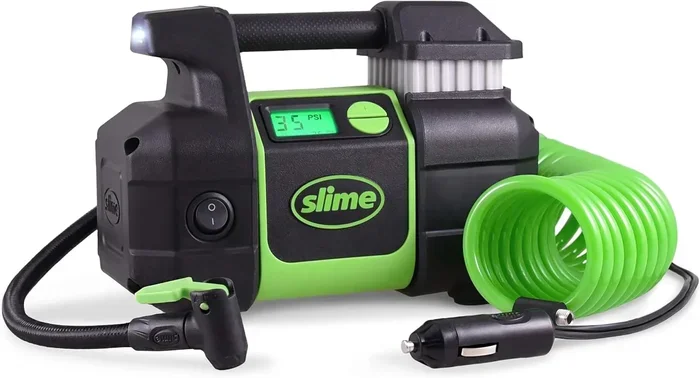
Most Slime models are portable tire inflators that weigh just a few pounds. They plug into a standard 12-volt car outlet or a wall socket. The motor drives a pump that pushes air into the tank. A pressure gauge on the front shows you the current PSI pressure level. This makes it easy to set exactly the right amount of air for any tire or task.
These compressors come in different sizes. Some have small tanks that hold just a few gallons. Others are slightly larger and can run pneumatic tools for short bursts. No matter the model, the basic operation is the same. Once you understand that, everything else falls into place.
Key Parts of a Slime Air Compressor
Familiarizing yourself with the parts makes using the compressor much easier. Here are the main components you will find on most Slime models:
- Motor: This is the engine that powers the pump. It runs on electricity and converts power into compressed air.
- Tank: The container that holds the compressed air. Larger tanks deliver more air before the motor kicks back on.
- Pressure Gauge: Displays the current PSI level so you know exactly how much air is in the tank.
- Hose and Nozzle: The rubber tube and attachment that connects to your tire valve or tool.
- Power Cord: Plugs into a wall outlet or a car 12V socket for portable use.
- Pressure Switch: Automatically turns the motor off when the tank reaches the set PSI level.
- Drain Valve: Located at the bottom of the tank. Used to release moisture and leftover air.
Knowing what each part does helps you troubleshoot issues and use the compressor more confidently. Take a moment to locate each component on your specific model before you start.
How to Set Up Your Slime Air Compressor
Setting up your Slime air compressor how to use process is straightforward. You do not need any special tools or technical skills. Just follow these steps and you will be ready to go in minutes.
Step 1: Unbox and Inspect
Open the box and remove all parts. Lay everything out on a clean, flat surface. Check the manual for a list of included items. Most kits come with the compressor unit, a power cord, a hose, a nozzle set, and sometimes a carrying bag. Make sure nothing is damaged during shipping. If anything looks broken or missing, contact the seller right away.
Step 2: Choose a Flat, Stable Surface
Place the compressor on a hard, level surface. A garage floor, a workbench, or even a sturdy table works well. Never place it on soft ground, carpet, or an uneven surface. The compressor needs stable footing to vibrate properly without tipping over. Keep it away from flammable materials and water sources.
Step 3: Check the Oil Level
Some Slime models are oil-free, but others have a small oil reservoir. Check your manual to see if yours needs oil. If it does, open the oil cap and inspect the level. Add compressor-grade oil if needed. Do not overfill. The oil keeps the motor running smoothly and reduces wear over time.
Step 4: Connect the Power Cord
Plug the power cord into a grounded electrical outlet. Make sure the outlet matches the voltage requirements on the compressor label. Most home models use a standard 120V outlet. If you are using it in a garage or workshop, make sure the circuit is not shared with other heavy-duty tools. Overloading a circuit can trip the breaker and damage the compressor motor.
Step 5: Attach the Hose and Nozzle
Connect the air hose to the compressor outlet. Push the fitting on firmly until it clicks or locks into place. Then attach the appropriate nozzle for your task. For tire inflation, use the standard tire chuck nozzle. For other tasks, select the right attachment from the included kit.
How to Inflate Tires with a Slime Air Compressor
Inflating tires is the most common use for a Slime air compressor. Here is the exact process to get it right every time.
Step 1: Find the Recommended Tire Pressure
Check the tire pressure label on your vehicle. It is usually located on the driver’s side door jamb or in the owner’s manual. The number is listed in PSI. For most passenger cars, the recommended pressure is between 30 and 35 PSI. Trucks and SUVs may require higher pressure, sometimes up to 65 PSI or more.
Do not rely on the pressure stamped on the tire sidewall. That number is the maximum pressure the tire can handle, not the recommended pressure for your vehicle. Using the wrong pressure can affect handling, fuel economy, and tire wear.
Step 2: Check Current Tire Pressure
Use a separate tire pressure gauge to check the current PSI in each tire. Unscrew the valve cap, press the gauge firmly onto the valve stem, and read the number. Write it down so you know how much air each tire needs.
Step 3: Connect the Nozzle and Start Compressing
Attach the tire chuck to the valve stem. Push it on firmly and make sure it seals properly. Turn on the compressor. The motor will start running and air will flow into the tire. Watch the pressure gauge on the compressor to track the PSI level.
Step 4: Stop at the Right Pressure
Most Slime compressors have an automatic shut-off feature. You set the desired PSI on the pressure switch, and the compressor turns off when it reaches that level. If your model does not have this feature, keep a close eye on the gauge and turn off the compressor manually when you hit the target PSI.
Step 5: Disconnect and Replace the Valve Cap
Once the tire is at the right pressure, turn off the compressor and pull the nozzle off the valve stem quickly. Replace the valve cap. Repeat the process for each tire that needs air.
Quick Tip: Always check tire pressure when the tires are cold. Driving heats up the air inside, which raises the PSI reading and can give you a false number.
Using a Slime Air Compressor for Other Tasks
Tire inflation is just the beginning. A Slime air compressor can handle a variety of other tasks around the home and garage. Here are some popular uses and how to do them safely.
Powering Small Pneumatic Tools
Many Slime compressors can run small pneumatic tools like nail guns, staple guns, and airbrushes. The key is matching the tool’s air demand to the compressor’s output. Check the tool’s CFM (cubic feet per minute) rating and compare it to the compressor’s CFM rating. If the compressor cannot deliver enough air, the tool will not work properly.
For example, a basic finish nailer might only need 0.5 CFM at 90 PSI. Most Slime portable compressors can handle this easily. But a larger framing nailer might need 2.0 CFM or more. Always check the specifications before connecting a tool.
Inflating Sports Equipment and Pool Toys
The small nozzle attachments that come with most Slime kits work great for basketballs, footballs, bike tires, and inflatable pool toys. The low pressure output is perfect for these delicate items. Just attach the appropriate nozzle, set a low PSI target, and inflate slowly.
Cleaning with Compressed Air
Compressed air is excellent for blowing out dust from hard-to-reach places. You can clean computer keyboards, car interiors, workshop tools, and outdoor furniture. Use a blow nozzle attachment for the best results. Just be careful not to aim the air at your skin or eyes, as the pressure can cause injury.
Using Your Compressor with a Generator
If you need to use your compressor away from a wall outlet, you can pair it with a portable generator. Make sure the generator has enough wattage to handle the compressor’s startup surge. A small compressor typically needs around 1000 to 1500 watts to run. Check how much generator you need before connecting them. Also, never try to plug a generator into your house without a proper transfer switch. It is dangerous and can damage your electrical system.
Slime Air Compressor Maintenance Tips
Keeping your compressor in good shape extends its life and keeps it running efficiently. Follow these simple maintenance steps on a regular basis.
Drain the Tank After Each Use
Moisture builds up inside the tank every time you use the compressor. Over time, this can cause rust and reduce tank life. Open the drain valve at the bottom of the tank after each use and let the moisture and remaining air escape. Close the valve tightly before the next use.
Check the Air Filter Regularly
A clogged air filter makes the motor work harder and reduces performance. Remove the filter cover and inspect the filter every few weeks. Clean it with a soft brush or replace it if it looks dirty. A clean filter means better airflow and a longer motor life.
Inspect the Hose for Leaks
Over time, the air hose can develop small cracks or loose fittings. Before each use, visually inspect the entire length of the hose. If you hear a hissing sound while the compressor is running, turn it off and check for leaks. A simple soapy water test can reveal even small leaks. Just brush soapy water on the connections and watch for bubbles.
Store the Compressor Properly
When not in use, store the compressor in a cool, dry place. Avoid extreme temperatures and direct sunlight. Coil the hose neatly to prevent kinks and cracks. Keep the power cord away from sharp edges and heavy objects. Proper storage keeps everything in good condition between uses.
Follow the Duty Cycle Guidelines
Every compressor has a duty cycle, which is the percentage of time it can run continuously before needing to cool down. For example, a 50% duty cycle means the compressor should run for 5 minutes and then rest for 5 minutes. Running it beyond the duty cycle can overheat the motor and cause damage. Check your manual for the specific duty cycle of your model.
Expert Insight: If you are using the compressor for extended tasks like powering pneumatic tools, give it regular breaks. Let it cool down between sessions. This prevents overheating and keeps the motor running strong for years.
Common Mistakes to Avoid
Even with a simple tool like a compressor, people make mistakes that can cause problems. Here are the most common ones and how to avoid them.
- Overinflating Tires: This is the number one mistake. Always set the PSI to the vehicle manufacturer’s recommendation, not the maximum pressure on the tire sidewall. Overinflated tires ride hard, wear unevenly, and can blow out.
- Using the Wrong Nozzle: Each nozzle is designed for a specific task. Using a high-pressure nozzle on a delicate item can damage it. Match the nozzle to the job every time.
- Ignoring the Duty Cycle: Running the compressor nonstop without breaks will overheat the motor. Respect the duty cycle and give the unit time to cool down.
- Skipping Maintenance: A little regular care goes a long way. Skipping oil checks, filter cleaning, and tank draining leads to premature wear and poor performance.
- Plugging Into an Unsuitable Outlet: Always use a grounded outlet that matches the compressor’s voltage requirements. Using an extension cord that is too thin or too long can cause voltage drops and motor damage.
Quick Tip: If you are ever unsure about a setting or procedure, refer to the owner’s manual that came with your compressor. It has specific instructions for your exact model.
Safety Guidelines for Using a Slime Air Compressor
Safety should always come first when using any power tool. A compressor stores pressurized air, and if handled improperly, it can cause injury or damage. Follow these safety rules every single time you use your compressor.
- Read the Manual First: Before you plug in the compressor, read the entire owner’s manual. It contains important safety warnings and operating instructions specific to your model.
- Wear Safety Glasses: Compressed air can blow dust and debris into your eyes. Always wear protective glasses when using the compressor, especially for cleaning tasks.
- Never Exceed the Max PSI: Every compressor and tank has a maximum pressure rating. Going over that limit can cause the tank to rupture. Always stay within the rated PSI range.
- Keep Hands and Fingers Away from the Nozzle: The high-pressure air stream can cause serious injury. Never point the nozzle at yourself or anyone else.
- Unplug When Not in Use: Always disconnect the power cord from the outlet when you are finished. This prevents accidental startup and reduces energy waste.
- Use the Compressor on a Stable Surface: A compressor that tips over can spill oil, damage the tank, or cause injury. Always place it on a flat, sturdy surface.
Remember, a Slime air compressor how to use guide is only as good as the safety practices you follow. Take a few extra seconds to check everything before you start each session.
How a Slime Compressor Compares to Other Compressors
There are many compressor brands on the market. Here is how a Slime compressor stacks up against the competition in a few key areas.
| Feature | Slime Compressor | Other Portable Brands |
|---|---|---|
| Price Range | Affordable, under $100 for most models | Varies widely, $50 to $300+ |
| Portability | Lightweight, compact design | Depends on model, some are bulky |
| Noise Level | Moderate, comparable to similar models | Varies, some are louder |
| Tank Size | Small to medium, 1 to 6 gallons | Ranges from 1 to 8+ gallons |
| Ease of Use | Very beginner-friendly | Depends on brand and model |
| Maintenance | Low, oil-free models available | Varies, some require regular oiling |
The Slime brand focuses on making compressors that are easy to use and affordable. They may not have the power of larger industrial compressors, but for home use, tire inflation, and light-duty tasks, they are hard to beat. If you are looking for a reliable air compressor for car use or garage work, a Slime model is a solid choice.
When deciding how much power equipment you need for your home, consider your actual use case. If you only need to inflate tires occasionally, a small Slime compressor is perfect. If you plan to run heavy pneumatic tools all day, you may need a larger unit. Think about what you will actually use it for before making a purchase.
Final Thoughts on Using Your Slime Air Compressor
Using a Slime air compressor does not have to be complicated. Once you understand the basic setup, the inflation process, and the maintenance routine, it becomes second nature. The key is to take it slow at first, follow the steps in this guide, and always prioritize safety.
Start with tire inflation since it is the easiest and most common task. Once you feel confident, try using the compressor for other tasks like powering small tools or cleaning. Each use builds your skills and your confidence.
Keep the maintenance routine simple but consistent. Drain the tank, check the filter, and inspect the hose regularly. These small habits make a big difference in how long your compressor lasts and how well it performs.
Remember, every compressor has its own quirks. Your owner’s manual is your best friend. Refer to it whenever you are unsure about a setting or procedure. And never hesitate to reach out to the manufacturer if you have questions about your specific model.
With the right knowledge and a little practice, your Slime air compressor will serve you well for many years. It is a versatile, affordable tool that makes everyday tasks faster and easier. So go ahead, plug it in, and put it to work.
Frequently Asked Questions
Can I use a Slime air compressor to inflate a car tire?
Yes, absolutely. Most Slime compressors are designed specifically for car tire inflation. Just check the recommended PSI for your vehicle, connect the tire chuck, and let the compressor do the work. Most passenger car tires need between 30 and 35 PSI.
How long does it take a Slime air compressor to fill a car tire?
It typically takes about 3 to 5 minutes to fill a completely flat car tire. The exact time depends on the tank size, motor power, and how much air the tire is missing. Larger tanks and more powerful motors fill tires faster.
Can I run a Slime air compressor continuously for a long time?
You should not. Every compressor has a duty cycle that limits how long it can run without resting. Check your manual for the specific duty cycle of your model. Following it prevents the motor from overheating and extends the life of the unit.
Do I need oil for my Slime air compressor?
Some models are oil-free and require no oil at all. Others have a small oil reservoir that needs checking periodically. Check your owner’s manual to determine which type you have and follow the maintenance instructions accordingly.
Can I use my Slime air compressor with a portable generator?
Yes, you can use a compressor with a portable generator as long as the generator has enough wattage to handle the compressor’s power needs. Make sure the generator is properly sized for the task. For more guidance on matching power equipment, check out how much generator you need for your setup.
What should I do if my Slime compressor is making unusual noises?
Unusual noises often signal a problem. Check if the tank drain valve is closed tightly. Make sure the air filter is clean and not clogged. If the noise continues, turn off the compressor and consult the owner’s manual or contact Slime customer support for troubleshooting steps.