Compressor Explained Your Ultimate Guide to Understanding
A compressor is a machine that squeezes air or gas to higher pressure, powering everything from air tools to AC systems. This guide breaks down how compressors work, the different types available, common problems, and maintenance tips in plain language. Whether you are a DIYer or just curious, you will find practical insights to help you understand and get the most from your compressor.
Key Takeaways
- A compressor converts power into pressurized air or gas, making it essential for tools, cooling systems, and industrial applications.
- Reciprocating, rotary screw, and centrifugal compressors are the three main types, each suited for different tasks and environments.
- Regular maintenance like draining moisture, checking oil levels, and inspecting hoses keeps your compressor running smoothly for years.
- Common problems include pressure loss, overheating, unusual noises, and failure to start, many of which are easy to diagnose at home.
- Choosing the right compressor depends on your CFM needs, tank size, power source, and intended use.
- Knowing when to call a professional can save you money and prevent costly damage to your compressor or connected equipment.
📑 Table of Contents
What Is a Compressor and How Does It Work?
At its core, a compressor is a device that takes in air or gas and squeezes it into a smaller space. When you compress something, you increase its pressure. That simple idea powers a huge range of tools and systems we use every day.
Think of it like squeezing a balloon. When you push on one side, the air inside has nowhere to go except out the other side with more force. A compressor does this on purpose and on a much larger scale. It pulls in ambient air, reduces the volume, and pushes it out at a higher pressure.
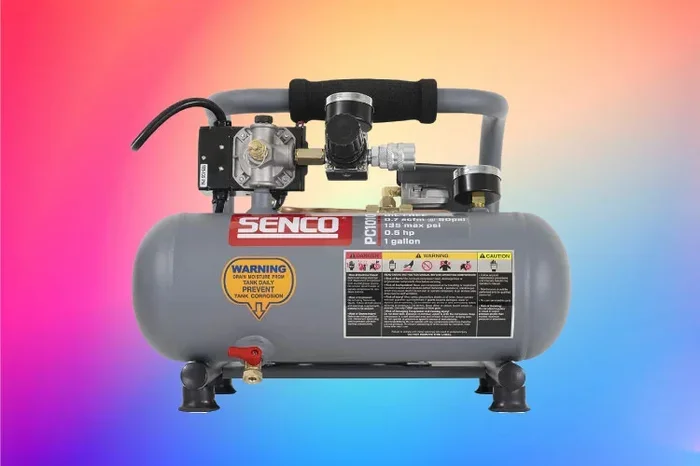
The basic parts of most compressors include a motor, a pump, a tank, and some kind of valve system. The motor provides the power. The pump does the actual squeezing. The tank stores the compressed air so you can use it when you need it. Valves control the flow in and out.
Compressors are everywhere. They power nail guns at construction sites. They keep your car tires inflated. They run the air conditioning system in your home. Understanding how they work helps you use them better and troubleshoot problems faster.
If you have ever wondered how a compressor works, the answer comes down to two things: intake and compression. Air flows in through an inlet valve. The pump reduces the volume. Pressure builds up. Then the compressed air exits through an outlet valve and goes wherever it is needed.
The Science Behind Compression
When you compress air, two things happen. The pressure goes up, and the temperature goes up too. This is called the adiabatic process in physics. You do not need to remember that term. Just know that hot compressed air carries energy, and that energy is what makes tools work.
Some compressors cool the air after compression. This is important because hot air can damage tools and reduce efficiency. Refrigerant-based systems like your home AC use a compressor specifically designed to handle this heating and cooling cycle repeatedly.
The amount of air a compressor can move is measured in CFM, or cubic feet per minute. Higher CFM means more air delivery. If you are running multiple tools at once, you need a compressor with a higher CFM rating. This is one of the most important specs to understand before buying any compressor.
Types of Compressors You Should Know About
Not all compressors are the same. Different designs serve different purposes. Here is a look at the most common types you will encounter.
Reciprocating Compressors
These are the most common type you will find in garages and workshops. A piston moves back and forth inside a cylinder, pulling in air and pushing it out. They work well for intermittent use. Most home air compressors fall into this category.
Reciprocating compressors come in single-stage and two-stage versions. A single-stage compressor compresses air in one pass. A two-stage compressor compresses it twice, which delivers higher pressure and cooler output. For most DIY projects, a single-stage unit works just fine.
Rotary Screw Compressors
These use two rotating screws to compress air continuously. They are smoother, quieter, and more durable than reciprocating models. You will find them in factories and large workshops where the compressor runs for hours at a time.
Rotary screw compressors are more expensive upfront but offer better long-term value for heavy use. They also require less maintenance than piston-based models. If you run a business that needs constant compressed air, this is the type to consider.
Centrifugal Compressors
These are the heavy-duty champions. They use a spinning impeller to accelerate air and then slow it down in a diffuser, which converts speed into pressure. You will find centrifugal compressors in large industrial plants and power stations.
They are not practical for home use. They are expensive, large, and designed for continuous high-volume operation. But understanding that they exist helps you appreciate the wide range of compressor technology available.
Common Compressor Problems and How to Fix Them
Even the best compressor will develop problems over time. The good news is that many issues are easy to diagnose and fix. Here are the most common ones.
Compressor Won’t Build Pressure
This is the number one complaint among compressor owners. If your compressor runs but never reaches the target pressure, check a few things first. Look at the intake filter. A clogged filter restricts airflow and prevents proper compression.
Next, inspect the discharge valve. If it is worn or stuck, air leaks back into the tank instead of staying compressed. You can also check the tank drain valve. If it is open or leaking, pressure will never build up.
For more complex issues, you may need to test the compressor windings to check for electrical problems. Damaged windings can cause the motor to run weak or not at all. This is a common reason compressors fail to reach proper pressure.
Compressor Keeps Shutting Off
If your compressor cycles on and off constantly, the pressure switch might be the culprit. The pressure switch tells the compressor when to start and stop. If it is malfunctioning, the compressor may shut off too early.
Another cause is a leak in the system. Check all fittings, hoses, and connections. Even a small leak can cause the compressor to lose pressure quickly and shut off before it should. Sometimes the issue is simply a faulty unloader valve that prevents the motor from restarting properly.
Compressor Makes Unusual Noises
Grinding, rattling, or knocking sounds are never good. They usually point to mechanical wear. Loose parts, worn bearings, or a damaged piston can all cause noise.
If you hear a clicking sound when the compressor tries to start, the AC compressor clutch might be failing. This is especially common in vehicle AC systems. You can try jump-starting the AC compressor clutch to see if it engages, but replacement is often the best long-term fix.
Squealing sounds usually mean the belt is worn or improperly tensioned. A simple belt replacement can solve this quickly and cheaply.
Compressor Overheating
Overheating is a serious issue that can shorten your compressor’s lifespan. It happens when the motor works too hard for too long. Common causes include low oil levels, blocked ventilation, or operating in hot environments.
Make sure your compressor has enough lubricant. Check the oil level regularly, especially if you use the unit frequently. Keep the motor area clean and free of dust. Never run the compressor beyond its duty cycle rating.
What Happens When a Compressor Fails Completely?
A complete compressor failure can be frustrating. The machine stops working entirely. In an AC system, this means your home stops cooling. In a workshop, all pneumatic tools go silent.
When a compressor goes out, the effects depend on the system. In a car, you will notice warm air from the vents immediately. In a home AC unit, you might hear the outdoor unit running but feel no cool air coming through the ducts. Understanding these signs helps you act quickly before secondary damage occurs.
How to Maintain Your Compressor for Longevity
Maintenance is the secret to a long-lasting compressor. A well-maintained unit can run for 10 to 15 years or more. Neglected compressors often fail within just a few years. The difference comes down to simple care habits.
Daily and Weekly Maintenance Tasks
After each use, drain the moisture from the tank. Compressed air contains water vapor that condenses inside the tank. Over time, this water causes rust and corrosion. Open the drain valve at the bottom of the tank after every session.
Check the air filter weekly. A dirty filter restricts airflow and forces the compressor to work harder. Replace it when it looks clogged or discolored. This is one of the easiest and most impactful maintenance steps you can take.
Inspect hoses and connections for leaks. Soapy water works great for this. Apply it to fittings and look for bubbles. Even a small leak wastes energy and reduces performance.
Monthly and Seasonal Maintenance
Check the oil level monthly if your compressor is oil-lubricated. Use the type of oil recommended by the manufacturer. Wrong oil can cause poor performance and premature wear.
Clean the exterior of the unit regularly. Dust and debris build up on the motor and cooling fins, reducing airflow and causing overheating. A simple wipe-down goes a long way.
Before storing your compressor for a season, drain all moisture, clean the unit thoroughly, and store it in a dry place. Moisture left inside during storage leads to rust and damage over time.
When to Replace Parts
No compressor lasts forever. Certain parts wear out and need replacement. Gaskets, seals, and valves are the most common wear items. If you notice air leaks or pressure loss, inspect these parts first.
Replacing a worn part is much cheaper than replacing the entire unit. Learn the model number of your compressor and keep spare parts on hand. This saves time and money when something goes wrong.
Choosing the Right Compressor for Your Needs
Buying a compressor can feel overwhelming with so many options. But if you focus on a few key factors, the decision becomes much simpler.
Determine Your CFM Requirements
CFM stands for cubic feet per minute. It measures how much air the compressor delivers. Each tool has a CFM requirement listed in its manual. Add up the CFM needs of all the tools you plan to use at the same time. Then choose a compressor that exceeds that total by at least 30 percent.
This buffer ensures the compressor does not run constantly at maximum capacity. It also gives you room to add tools later without buying a new compressor.
Consider Tank Size
A larger tank stores more compressed air. This means the compressor does not need to run as frequently. For tools that require a steady stream of air, like sanders or spray guns, a larger tank is better.
For intermittent use like inflating tires or running a nail gun, a smaller tank works fine. Tank sizes typically range from 1 gallon for portable units to 80 gallons or more for stationary models.
Think About Power Source
Compressors run on electricity, gasoline, or diesel. Electric compressors are the most common for home and workshop use. They are quieter, cleaner, and easier to maintain.
Gas-powered compressors are better for remote job sites where electricity is not available. They are also more powerful but louder and require more maintenance. Choose based on where and how you plan to use the compressor.
Match the Compressor to Your Application
For home use and light DIY work, a small electric compressor with a 1 to 6 gallon tank is perfect. For automotive work, consider a mid-size unit with at least 4 to 6 CFM at 90 PSI. For industrial or commercial use, a rotary screw compressor or a larger reciprocating model will serve you best.
If you are wondering how big of a compressor you need, start with your most demanding tool and work backward from there. This ensures you never buy more or less than you actually need.
When to Call a Professional
Many compressor problems can be solved with basic troubleshooting. But some situations call for professional help. Knowing the difference saves you time, money, and frustration.
If your compressor motor burns out, do not attempt to repair it yourself unless you have electrical experience. A professional can test the HVAC compressor properly and recommend whether repair or replacement makes more sense financially.
Also call a professional if you notice refrigerant leaks. Handling refrigerant requires special certification in many areas. Attempting to fix a refrigerant leak without proper training can be dangerous and illegal.
For complex electrical issues, internal mechanical damage, or repeated failures despite your best maintenance efforts, a qualified technician can diagnose the root cause and provide a lasting solution. Sometimes a professional repair costs less than buying a new compressor, especially for larger units.
Conclusion
A compressor is a simple machine with a powerful purpose. It takes energy and converts it into pressurized air that drives countless tools and systems we rely on every day. Understanding the basics of how compressors work, the different types available, and how to maintain them puts you in a much better position as a user.
Regular maintenance is the single most important thing you can do to extend your compressor’s life. Drain the tank, check the filters, inspect for leaks, and replace worn parts promptly. These small habits add up to years of reliable service.
When problems arise, start with the basics. Check the power source, inspect for leaks, and listen for unusual sounds. Many issues are simple fixes that anyone can handle. But when the problem goes beyond your comfort level, do not hesitate to call a professional.
Whether you need a compressor for home projects, automotive work, or industrial applications, the right knowledge makes all the difference. Use this guide as your reference whenever you need to understand, troubleshoot, or maintain your compressor. A well-informed user is a compressor’s best friend.
Frequently Asked Questions
What does a compressor do in simple terms?
A compressor takes in air or gas and squeezes it into a smaller volume, increasing the pressure. This pressurized air or gas is then used to power tools, cool systems, or perform other work. Think of it as a pump that builds up force by reducing space.
How long should a compressor last?
A well-maintained compressor can last 10 to 15 years or more. The lifespan depends on usage frequency, maintenance habits, and the quality of the unit. Regular draining, oil changes, and filter replacements make a big difference in how long your compressor stays reliable.
Can I repair my compressor myself?
Many minor repairs are DIY-friendly. You can replace air filters, drain tanks, fix hose leaks, and swap out simple parts. However, electrical repairs, refrigerant handling, and internal mechanical work should be left to professionals to avoid safety risks and further damage.
What size compressor do I need for home use?
For most home tasks like inflating tires and running basic pneumatic tools, a 1 to 6 gallon electric compressor with 2 to 4 CFM at 90 PSI is sufficient. Match the size to your most demanding tool to ensure you have enough power for every job.
Why does my compressor keep shutting off?
This is usually caused by a faulty pressure switch, a system leak, or a clogged filter. Check the pressure switch settings first. Then inspect all connections and hoses for air leaks. A dirty intake filter can also cause the compressor to overheat and shut down prematurely.
Is a rotary screw compressor better than a reciprocating one?
It depends on your needs. Rotary screw compressors are smoother, quieter, and better for continuous heavy use. Reciprocating compressors are more affordable and work well for intermittent tasks. For a home workshop, a reciprocating model is usually the better choice.
=== CONCLUSION ===
Understanding your compressor does not have to be complicated. With the right knowledge, you can troubleshoot problems, perform basic maintenance, and choose the right unit for your needs. This guide covers the essentials from how compressors work to common problems and maintenance tips.
Remember to keep up with regular maintenance. Check your filters, drain your tank, and listen for unusual sounds. These simple steps keep your compressor running efficiently for years. When you encounter a problem you cannot solve, reach out to a professional for help.
Compressors are workhorses that power so much of our daily lives. Taking the time to understand them pays off in reliability, performance, and savings. Use this guide whenever you need a refresher, and you will always know what to do when your compressor needs attention.