
How Long Can a Portable Generator Run Continuously
How long can a portable generator run continuously? Most portable generators can run for 8 to 20 hours on a full tank, but the exact answer depends on fuel type, load size, and engine design. Portable generator runtime varies widely based on wattage demands and fuel tank capacity. With the right generator runtime tips and proper maintenance, you can safely extend your unit’s continuous duty cycle. This guide covers everything you need to know about generator running time and how to get the most from your machine.
Have you ever wondered how long your portable generator can actually keep running? Maybe you are prepping for a power outage, planning a camping trip, or setting up a worksite. The answer is not as simple as one number. Portable generator runtime depends on several key factors, and understanding them can save you from a lot of frustration.
Most portable generators can run continuously for about 8 to 20 hours on a full tank. But that range is wide because every unit is different. Your generator running time hinges on fuel capacity, load demand, engine size, and even the type of fuel you use. This article breaks it all down so you know exactly what to expect and how to get the most out of your machine.
Whether you own a small 1,000-watt unit or a heavy-duty 7,500-watt generator, this guide will help you plan better. We will cover fuel consumption, load management, maintenance tips, and safety limits. By the end, you will feel confident about your portable generator runtime and how to extend it safely.
Key Takeaways
- Runtime Range: Most portable generators run 8 to 20 hours continuously on a full tank under normal load.
- Fuel Type Matters: Propane and gasoline generators offer different runtime profiles, and dual-fuel models give you flexibility.
- Load Size Is Critical: Running your generator at 50% load instead of full load can nearly double your runtime.
- Maintenance Extends Runtime: Regular oil changes, air filter cleaning, and fuel stabilizer use keep your generator running longer and safer.
- Safety Limits Exist: Most manufacturers recommend 8 to 12 hours of continuous use before letting the unit cool down.
- Inverter Generators Run Longer: Fuel-efficient inverter models often outlast traditional portable generators on a single tank.
📑 Table of Contents
- How Long Can a Portable Generator Run Continuously?
- What Affects Portable Generator Runtime?
- How to Maximize Your Generator Runtime
- Safety Limits and Manufacturer Recommendations
- Portable Generator vs. Standby Generator: Runtime Comparison
- How to Choose the Right Portable Generator for Long Runtime
- Expert Tips for Long Generator Sessions
- Key Takeaways
- Conclusion
How Long Can a Portable Generator Run Continuously?
The short answer is 8 to 20 hours for most models. But the real answer is more nuanced. Let us break it down by generator type and fuel source so you can find your specific situation.
Runtime by Generator Size
Small portable generators under 2,000 watts typically run for about 8 to 10 hours. Mid-size units between 2,000 and 4,000 watts can go 10 to 14 hours. Large portable generators rated above 4,000 watts often push 14 to 20 hours on a single tank. These numbers assume a moderate load, which we will explain below.
Runtime by Fuel Type
Gasoline generators are the most common. They usually run 8 to 12 hours on a standard tank. Propane generators can run a bit longer because propane burns cleaner and cooler. A propane-fed unit may run 10 to 16 hours. Dual-fuel generators give you the option to switch between gasoline and propane, which is handy when one fuel source runs low.
Some people ask about inverter generator runtime. Inverter models are more fuel-efficient because they adjust engine speed to match the load. This means they often run longer on the same amount of fuel compared to traditional open-frame generators. If fuel efficiency matters to you, an inverter model is worth considering.
What Affects Portable Generator Runtime?
Several factors determine how long your generator will actually run. Understanding these helps you plan better and avoid surprises when the power goes out.
Load Capacity and Wattage Demand
This is the biggest factor. If you run your generator at full load, it burns fuel fast. If you run it at half load, it sips fuel and lasts much longer. For example, a 5,000-watt generator running at 2,500 watts will last significantly longer than the same generator running at 4,500 watts. Generator load capacity directly impacts your generator runtime tips and overall planning.
A good rule of thumb is to keep your load between 50% and 75% of the generator’s rated wattage. This sweet spot balances efficiency and performance. It also reduces wear on the engine, which means fewer breakdowns over time.
Fuel Tank Size and Fuel Efficiency
Bigger tanks mean longer runtime. A generator with a 1-gallon tank will not last as long as one with a 3-gallon tank, even if both have the same engine. Always check the fuel tank capacity before buying. Manufacturers list this on the spec sheet, and it gives you a baseline for continuous power output expectations.
Fuel efficiency also plays a role. Newer engines with eco-mode features use less fuel at partial loads. Older engines without these features burn more fuel regardless of the load. If you want better fuel efficiency, look for generators labeled as energy-efficient or fuel-saving models.
Engine Size and Design
Larger engines burn more fuel but also produce more power. A 150cc engine will run differently than a 420cc engine. The key is matching the engine size to your needs. If you only need to run a few lights and a fridge, a smaller engine is fine and will be more fuel-efficient.
Engine design also matters. Overhead valve engines tend to be more efficient than side-valve engines. They run cooler and use fuel more wisely, which extends your generator run time during long outages.
How to Maximize Your Generator Runtime
Want to squeeze every last minute out of your fuel tank? These practical tips will help you get the most from your portable generator.
Use Only What You Need
Do not plug in everything at once. Make a list of essential items and add up their wattage. Only run what you truly need. This reduces the load and saves fuel. For example, if you only need to keep food cold and charge phones, you do not need to power your entire house.
Use a runtime calculator if your generator came with one. These tools help you estimate how long your unit will last at a specific load level. They take the guesswork out of planning.
Maintain Your Generator Regularly
A well-maintained generator runs better and longer. Change the oil every 50 to 100 hours of use. Clean or replace the air filter when it looks dirty. Check the spark plug regularly. A clean spark plug burns fuel more efficiently.
Use fuel stabilizer if you store gasoline for long periods. Old fuel clogs the carburetor and reduces performance. Fresh fuel keeps your engine running smooth and extends the life of your unit.
Let It Breathe
Generators need airflow to cool properly. Do not run your unit in an enclosed space. Place it in an open area away from walls and overhead covers. Good ventilation keeps the engine at the right temperature and prevents overheating.
Overheating is one of the fastest ways to shorten your generator running time and damage the engine. If the unit feels too hot to touch, turn it off and let it rest for 30 minutes before restarting.
Refuel Safely and Strategically
If you need to run longer than your tank allows, plan for safe refueling. Always turn off the generator and let it cool for at least 15 minutes before adding fuel. Hot engine parts can ignite gasoline fumes, and that is a serious fire hazard.
Some people use an extended fuel line to refill without moving the generator. This works but requires caution. Never let the fuel nozzle touch the generator or any hot surface.
Safety Limits and Manufacturer Recommendations
Most manufacturers recommend limiting continuous runtime to 8 to 12 hours at a stretch. After that, the engine needs time to cool down. Running beyond these limits can cause overheating, oil breakdown, and permanent engine damage.
Your continuous duty cycle is the maximum time the manufacturer says you can run the unit without stopping. Always check your owner’s manual for this information. It is usually printed on a sticker inside the generator’s frame or in the warranty booklet.
Ignoring these limits might seem harmless at first, but over time it adds up. The engine wears out faster, and your warranty may become void. Respect the limits and your generator will serve you reliably for years.
Common Mistakes That Shorten Runtime
- Overloading the generator: Plugging in too many devices forces the engine to work harder and burn fuel faster.
- Ignoring maintenance: Dirty air filters and old oil reduce engine efficiency and shorten runtime.
- Using old fuel: Stale gasoline gums up the engine and causes poor performance.
- Running at full load constantly: This burns fuel fast and puts unnecessary stress on the engine.
- Skipping oil changes: Dirty oil increases friction and heat, which reduces engine life.
Portable Generator vs. Standby Generator: Runtime Comparison
People often compare portable generators to standby generators when thinking about backup power. Each has different runtime capabilities and use cases.
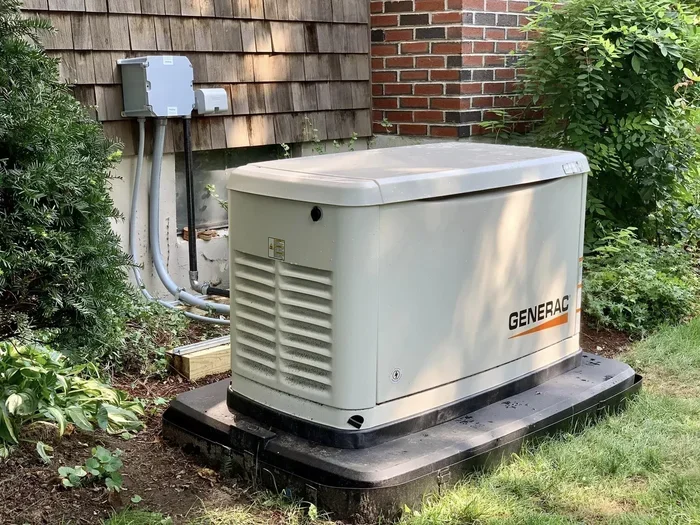
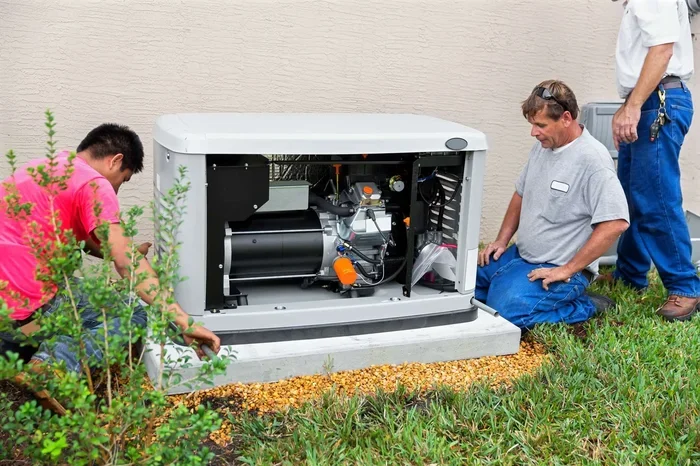
Standby generators are permanently installed outside your home. They connect directly to your natural gas or propane line, which means they can run for days without refueling. Portable generators, on the other hand, rely on a finite fuel tank and need regular refilling.
If you need power for several days straight, a standby generator is the better choice. But if you only need backup for a few hours or a weekend camping trip, a portable generator works perfectly. Here is a quick comparison of the two.
| Feature | Portable Generator | Standby Generator |
|---|---|---|
| Typical Runtime | 8 to 20 hours per tank | Days to weeks (connected to gas line) |
| Fuel Source | Gasoline, propane, or dual-fuel | Natural gas or propane |
| Portability | Fully portable | Permanently installed |
| Maintenance Needs | Regular oil changes and filter cleaning | Less frequent but still required |
| Cost | $300 to $2,500 | $2,000 to $10,000+ |
| Best For | Short-term power, camping, worksites | Whole-home backup during outages |
As you can see, the portable generator runtime is limited by its fuel tank, but that is part of its portability advantage. You can move it anywhere and refuel it quickly when needed.
How to Choose the Right Portable Generator for Long Runtime
If long runtime is your priority, here are some things to look for when shopping.
- Large fuel tank: Look for tanks of 2 gallons or more for longer runtime between refuels.
- Inverter technology: Inverter generators adjust engine speed to save fuel, giving you more hours per gallon.
- Dual-fuel capability: Models that run on both gasoline and propane give you fuel flexibility and longer runtime options.
- Eco-mode or low-oil shutdown: These features protect the engine and help maintain efficiency during long runs.
- Low fuel consumption rating: Check the manufacturer’s fuel consumption data. Lower consumption means longer runtime.
When you buy a generator with these features, you are investing in longer, safer, and more efficient runtime. It is worth spending a little more upfront to avoid frustration later.
Expert Tips for Long Generator Sessions
Here are some insider tips from experienced users and technicians who work with generators every day.
Tip 1: Keep a fuel log. Track how long your generator runs at different loads. This helps you predict runtime in future situations and plan refueling stops. After a few uses, you will have a personal generator runtime chart tailored to your specific unit.
Tip 2: Use a fuel stabilizer for stored fuel. Gasoline degrades in as little as 30 days. Adding stabilizer keeps it fresh for up to a year. This means your generator starts reliably whenever you need it.
Tip 3: Run your generator monthly. Even when you do not need it, start it up for 15 to 20 minutes once a month. This keeps the engine lubricated and prevents fuel system issues. A generator that sits unused for months often has trouble starting when you need it most.
Tip 4: Invest in a quality extension cord. A thin or too-long cord causes voltage drop, which forces the generator to work harder. Use a heavy-duty cord rated for your generator’s wattage to keep things running efficiently.
Tip 5: Consider a larger fuel tank or external tank. Some generators accept a larger tank or can be connected to an external propane tank. This extends your portable power station capability significantly and reduces how often you need to refuel.
Key Takeaways
- Runtime Range: Most portable generators run 8 to 20 hours continuously on a full tank under normal load.
- Fuel Type Matters: Propane and gasoline generators offer different runtime profiles, and dual-fuel models give you flexibility.
- Load Size Is Critical: Running your generator at 50% load instead of full load can nearly double your runtime.
- Maintenance Extends Runtime: Regular oil changes, air filter cleaning, and fuel stabilizer use keep your generator running longer and safer.
- Safety Limits Exist: Most manufacturers recommend 8 to 12 hours of continuous use before letting the unit cool down.
- Inverter Generators Run Longer: Fuel-efficient inverter models often outlast traditional portable generators on a single tank.
Conclusion
So, how long can a portable generator run continuously? The answer is 8 to 20 hours for most models, but your actual runtime depends on fuel type, load size, and maintenance habits. A well-maintained generator running at moderate load will give you the best results and the safest performance.
Understanding your generator running time helps you plan for power outages, camping trips, and worksite needs. Use the tips in this guide to maximize your runtime, stay safe, and get the most value from your investment. Keep your fuel fresh, your load manageable, and your unit well-maintained, and your generator will keep you powered up whenever you need it most.
Now you have the knowledge to make smart decisions about your portable generator runtime. Put these tips into practice and enjoy reliable power whenever the grid lets you down.
Frequently Asked Questions
Can I run a portable generator all night?
Most portable generators can run for 8 to 12 hours, which covers a typical night. If you need power all night and into the next morning, plan to refuel halfway through or choose a model with a larger fuel tank. Always turn off the generator and let it cool before refueling.
How can I make my portable generator run longer?
Reduce the load to 50-75% of the generator’s capacity, use fresh fuel with stabilizer, and keep up with regular maintenance like oil changes and air filter cleaning. Inverter models are also more fuel-efficient and tend to run longer than traditional generators at the same load.
Is it safe to run a portable generator for 24 hours straight?
Most manufacturers do not recommend running a portable generator for more than 8 to 12 hours continuously. After that, the engine needs to cool down. Running it beyond the recommended limits can cause overheating, oil breakdown, and permanent engine damage.
Does a dual-fuel generator run longer than a gasoline-only model?
Often yes. Propane burns cleaner and cooler than gasoline, which can extend your runtime. Dual-fuel generators also give you the option to switch fuels when one runs low, so you are not stuck waiting for a gasoline refill.
What is the difference between running time and continuous duty cycle?
Running time is how long the generator operates on a full tank at a given load. The continuous duty cycle is the maximum runtime the manufacturer recommends without stopping for cooling. They are related but not the same, and both matter for planning long power sessions.
Do inverter generators really run longer than regular portable generators?
Yes, generally they do. Inverter generators adjust engine speed to match the electrical load, which means they use less fuel at partial loads. This fuel efficiency translates to longer runtime compared to traditional open-frame generators running the same devices.



7 Comments