Can A Bad Ac Compressor Cause Your Check Engine Light
Yes, a bad AC compressor can absolutely cause your check engine light to turn on. When the compressor fails, it strains the engine and disrupts refrigerant pressure, sending error codes to your car’s computer. This guide explains exactly how a faulty compressor triggers the light, what symptoms to watch for, and how to fix it before costly damage occurs.
Can a bad AC compressor cause your check engine light? The short answer is yes. Your air conditioning compressor is more than just a cooling component. It’s a belt-driven pump that places mechanical load on the engine. When it starts to fail, that load becomes uneven, and the car’s computer notices. The result is often a glowing check engine light. This article breaks down exactly why that happens and what you can do about it.
Many drivers ignore the check engine light until something major goes wrong. But a bad AC compressor is one of the sneakiest triggers. It can cause subtle changes in engine performance long before the AC stops blowing cold air. Understanding the connection between your AC system and the engine helps you catch problems early. You’ll save money and avoid breakdowns on hot days. Let’s dive into how this works and what signs to look for.
Key Takeaways
- A failing AC compressor directly impacts engine load and can activate the check engine light.
- Common symptoms include warm air from vents, unusual noises, and stalling at idle.
- Refrigerant pressure sensor errors and serpentine belt issues are top causes.
- You can still drive short distances, but ignoring the light risks compressor seizure and engine damage.
- Simple DIY checks like inspecting the belt and listening for noises can save you time and money.
- Professional repair often means replacing the compressor or clutch, followed by a system recharge.
📑 Table of Contents
- How The AC Compressor Works With Your Engine
- Common Symptoms Of A Bad AC Compressor Triggering The Check Engine Light
- Why A Bad AC Compressor Turns On The Check Engine Light
- Diagnostic Trouble Codes Linked To AC Compressor Failure
- Can You Still Drive With A Bad AC Compressor And Check Engine Light?
- How To Fix A Bad AC Compressor And Clear The Check Engine Light
- Expert Insights On AC Compressor Failures And Engine Diagnostics
- Final Thoughts On A Bad AC Compressor And Your Check Engine Light
How The AC Compressor Works With Your Engine
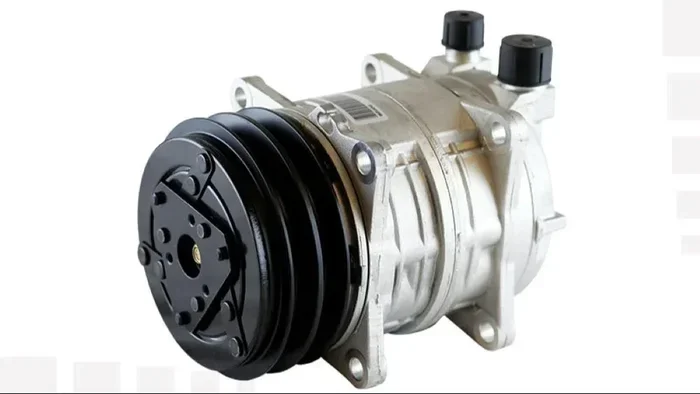
The AC compressor sits at the front of the engine, driven by the serpentine belt. When you turn on the AC, the compressor clutch engages. This makes the compressor pump refrigerant through the system. The refrigerant absorbs heat from the cabin and releases it outside. A healthy compressor adds a steady, predictable load to the engine. The car’s computer adjusts idle speed to compensate.
When the compressor starts to wear out, things change. The clutch may slip or fail to engage fully. The internal bearings can grind. The compressor may lock up entirely. Each of these scenarios creates abnormal resistance on the serpentine belt. The engine computer sees this as a problem and stores a fault code. That code turns on the check engine light. It’s the car’s way of telling you something in the AC system is out of range.
The Compressor’s Role In The System
Think of the AC compressor as the heart of the air conditioning system. It pressurizes the refrigerant gas and moves it through the condenser and evaporator. Without proper compressor function, the whole system loses efficiency. The cabin doesn’t cool properly. The engine works harder than it should. A failing compressor often shows up first as a slight drop in fuel economy or a subtle vibration at idle. These small signs are easy to miss, but they’re important clues.
When The Compressor Starts To Fail
Compressor failure doesn’t usually happen overnight. It’s a gradual process. Internal components like the piston rings and bearings wear down over time. Refrigerant oil breaks down and loses its lubricating properties. Moisture enters the system and causes corrosion. All of these factors lead to increased friction and heat inside the compressor. The clutch assembly may start to chatter or slip. The serpentine belt may squeal under the extra load. Your car’s sensors detect these changes and flag them with error codes.
Common Symptoms Of A Bad AC Compressor Triggering The Check Engine Light
Spotting the symptoms early can prevent a minor repair from turning into a major one. Here are the most common signs that a bad AC compressor is causing your check engine light.
- AC blows warm or only cool air. The compressor can’t maintain proper pressure, so the refrigerant doesn’t absorb enough heat.
- Loud clicking or grinding noises from the engine bay. A worn clutch or failing bearing makes distinct sounds when the AC is on.
- Check engine light flickers when you turn on the AC. This directly links the AC system to the engine’s diagnostic network.
- Engine stalling or rough idle with the AC engaged. The failing compressor creates inconsistent drag on the engine.
- Smell of refrigerant or oily residue near the compressor. This indicates a seal failure and possible refrigerant leak.
- Increased fuel consumption. The engine works harder to overcome the resistance from a struggling compressor.
AC Blowing Warm Air
Warm air from the vents is the most obvious symptom. But it doesn’t always mean the compressor is bad. A low refrigerant level can cause the same issue. However, if the compressor clutch isn’t engaging, the compressor won’t pump at all. The system pressure drops. The pressure switch sends a signal to the computer. This can trigger the check engine light along with the AC light on your dashboard. It’s a clear sign that the compressor is not doing its job.
Unusual Noises From The Engine Bay
Listen carefully when you start the car and turn on the AC. A healthy compressor makes a low, steady hum. A bad compressor might produce a high-pitched squeal. This often means the clutch is slipping. A loud grinding or knocking sound suggests internal bearing failure. In severe cases, you might hear a sudden clunk when the compressor seizes. If the serpentine belt slips off because of a seized compressor, you’ll lose power steering and the alternator too. That’s a serious situation that needs immediate attention.
Increased Engine Load And Stalling
A failing compressor puts uneven load on the engine. At idle, the computer tries to maintain a steady RPM. If the compressor clutch is dragging, the engine has to work harder to keep running. You might notice the RPMs drop when you activate the AC. In modern cars, the computer may shut off the AC compressor temporarily to protect the engine. This protection mode can set a code and illuminate the check engine light. If you experience stalling, don’t ignore it.
Why A Bad AC Compressor Turns On The Check Engine Light
The check engine light is part of the On-Board Diagnostics II system. It monitors dozens of sensors and actuators. The AC system has several sensors that report back to the computer. When a compressor fails, these sensors read values outside the expected range. The computer then stores a diagnostic trouble code and turns on the light. Here’s exactly how that happens.
Refrigerant Pressure Sensor Errors
Every modern AC system has a refrigerant pressure sensor or switch. It monitors the pressure of the refrigerant circuit. A bad compressor can’t maintain the correct high-side and low-side pressures. If the pressure drops too low, the sensor tells the computer there’s a leak or a compressor failure. If the pressure spikes too high, the sensor warns of a blockage or overcharge. Both scenarios trigger a fault code. The computer responds by turning on the check engine light. It may also disable the AC compressor to prevent further damage.
Serpentine Belt And Pulley Issues
The serpentine belt drives the AC compressor pulley. When the compressor seizes, the pulley stops spinning while the belt keeps moving. This causes the belt to heat up and slip. The slipping belt can trigger a code related to the alternator or power steering system because they share the same belt. The computer sees a drop in alternator voltage and may set a code. In some vehicles, a belt slip sensor directly detects the problem and lights the check engine light. The root cause is still the bad AC compressor, but the symptom shows up as an electrical or charging issue.
AC Compressor Clutch Malfunction
The compressor clutch is an electromagnetic device that engages and disengages the compressor. It receives a signal from the computer to turn the compressor on or off. If the clutch coil burns out, the compressor won’t spin at all. The computer sees no change in engine load when the AC is turned on. It may interpret this as a compressor control circuit failure. A code like P0530 or P0531 is common. These codes directly point to the AC refrigerant pressure circuit, but they often originate from a compressor that won’t engage properly.
Diagnostic Trouble Codes Linked To AC Compressor Failure
When the check engine light comes on, a mechanic plugs in an OBD-II scanner. The scanner reads the stored codes. Several codes are directly related to AC compressor problems. Understanding these codes helps you know what to expect at the repair shop.
Common OBD-II Codes You Might See
Here are some of the most frequent diagnostic trouble codes that point to a bad AC compressor.
- P0530: AC Refrigerant Pressure Circuit Malfunction. The sensor reads an abnormal pressure value.
- P0531: AC Refrigerant Pressure Sensor Range/Performance. The sensor signal is erratic or out of bounds.
- P0532: AC Refrigerant Pressure Sensor Low Input. Often caused by low refrigerant from a compressor seal leak.
- P0533: AC Refrigerant Pressure Sensor High Input. Can occur if the compressor overworks or the system is overcharged.
- P0646: AC Clutch Control Circuit. The computer detects a problem in the clutch engagement circuit.
- P0A0F: Hybrid/Electric Vehicle AC Compressor Performance. Specific to hybrid and electric vehicles with electric AC compressors.
How Mechanics Read These Codes
A skilled mechanic doesn’t just read the code and replace parts. They look at the freeze frame data. This shows the engine conditions when the code was set. They check the refrigerant pressure readings live with a scan tool. They inspect the serpentine belt and tensioner. They listen to the compressor clutch engagement. This full diagnostic approach ensures the repair targets the real cause. Simply clearing the code without fixing the compressor will just bring the check engine light back.
| Code | Description | Likely Compressor Issue |
|---|---|---|
| P0530 | AC Refrigerant Pressure Circuit Malfunction | Compressor not building pressure, clutch not engaging |
| P0531 | AC Refrigerant Pressure Sensor Range/Performance | Internal compressor wear causing erratic pressure |
| P0532 | AC Refrigerant Pressure Sensor Low Input | Refrigerant leak from failed compressor seal |
| P0533 | AC Refrigerant Pressure Sensor High Input | Compressor overworking or blocked expansion valve |
| P0646 | AC Clutch Control Circuit | Clutch coil failure or wiring issue from compressor |
Can You Still Drive With A Bad AC Compressor And Check Engine Light?
The short answer is yes, but with caution. A bad AC compressor usually doesn’t leave you stranded immediately. The engine can still run without the AC compressor engaging. However, driving with the check engine light on means there’s an active fault. Ignoring it can lead to bigger problems. Here’s what you need to know about short-term and long-term risks.
Short-Term Risks
If you need to drive to the repair shop, you can usually do so safely. Turn off the AC to reduce the load on the failing compressor. The check engine light will stay on, but the car should run. You’ll lose cabin cooling, which is uncomfortable in hot weather. In some cases, a seized compressor can break the serpentine belt. If that happens, you’ll also lose power steering and the alternator will stop charging the battery. This is a dangerous situation, especially at highway speeds. Pull over safely if you notice a sudden loss of steering or electrical power.
Long-Term Engine Damage
Driving too long with a bad AC compressor can cause cascading damage. The slipping serpentine belt wears out faster and can crack. The alternator bearings may fail from the extra strain. The engine computer continuously tries to compensate for the abnormal load, which can affect fuel trim and idle quality. In worst-case scenarios, metal debris from a seized compressor can contaminate the entire AC system. The condenser and expansion valve can get clogged. Repairing that requires a full AC system replacement, which is far more expensive than replacing just the compressor. The check engine light is your early warning system. Respect it.
How To Fix A Bad AC Compressor And Clear The Check Engine Light
Fixing a bad AC compressor involves a few steps. The goal is to restore proper compressor function, repair any related damage, and clear the fault codes. Here’s how the process typically works.
DIY Checks You Can Do
Before you visit a mechanic, there are a few simple checks you can do at home. These won’t fix a failed compressor, but they can rule out other causes.
- Check the serpentine belt. Look for cracks, glazing, or fraying. A worn belt can cause compressor clutch slippage and trigger a code.
- Listen to the compressor clutch. Turn on the AC and listen near the compressor. You should hear a distinct click when the clutch engages. No click means the clutch or its circuit is faulty.
- Inspect the refrigerant lines. Look for oily residue around the fittings. This indicates a refrigerant leak, which can cause low pressure codes.
- Check the cabin air filter. A clogged cabin air filter reduces airflow over the evaporator. This can cause the AC system to freeze up and trigger pressure codes.
These checks take only a few minutes. They can give your mechanic valuable information and potentially save you diagnostic fees.
Professional Repair Options
If the DIY checks don’t resolve the issue, professional repair is the next step. A certified mechanic will connect a professional-grade scan tool. They’ll read all the stored codes and live data. They’ll measure the AC system pressures with manometers. They’ll check the compressor clutch electrical connector for power and ground. Based on their findings, they’ll recommend one of the following repairs.
- AC Compressor Replacement: The most common fix for a mechanically failed compressor. The mechanic removes the serpentine belt, unbolts the compressor, and installs a new one. The system must be evacuated and recharged with fresh refrigerant and oil.
- Compressor Clutch Replacement: If the compressor itself is still good but the clutch has failed, only the clutch assembly may need replacement. This is a more affordable option.
- Serpentine Belt and Tensioner Replacement: If the belt has been slipping due to the bad compressor, it needs replacement. The tensioner should also be inspected and replaced if it’s weak.
- AC System Flush and Evacuation: When a compressor fails internally, metal debris can contaminate the entire system. A full flush of the condenser, evaporator, and lines is often necessary before installing a new compressor.
After the repair, the mechanic clears the fault codes with the scan tool. They test drive the vehicle to ensure the check engine light stays off. They verify proper AC cooling and normal engine idle. A successful repair means your check engine light stays off and your cabin stays cool.
Quick Tips For Preventing AC Compressor Failure
You can’t prevent all compressor failures, but you can reduce the risk with a few simple habits.
- Run the AC for at least 10 minutes every week, even in winter. This keeps the compressor seals lubricated and prevents them from drying out.
- Have the AC system inspected annually. A mechanic can spot early signs of refrigerant leaks or clutch wear.
- Replace the cabin air filter on schedule. Good airflow prevents the evaporator from freezing and straining the compressor.
- Don’t ignore unusual noises or warm air. Addressing small problems early stops them from becoming expensive compressor failures.
Common Mistakes People Make With AC Compressor And Check Engine Light Issues
Avoid these common mistakes when dealing with a check engine light linked to the AC compressor.
- Ignoring the light and just turning off the AC. The code stays stored in the computer. It can affect emissions testing and hide new problems.
- Adding refrigerant without finding the leak. If the compressor failed because of a seal leak, adding refrigerant just masks the symptom. The new compressor will fail again quickly.
- Replacing the compressor without flushing the system. Metal debris from the old compressor can destroy the new one within months. Always insist on a proper system flush.
- Assuming the check engine light is just the AC. A check engine light can be triggered by many things. A proper diagnosis ensures you don’t replace a perfectly good compressor when the real issue is a sensor or wiring problem.
Expert Insights On AC Compressor Failures And Engine Diagnostics
Experienced technicians see this problem all the time. The AC compressor is one of the hardest-working components in your engine bay. It cycles on and off dozens of times per trip. Over years of service, the internal wear adds up. Modern cars have very sensitive diagnostic systems. Even a slight drop in compressor efficiency can set a code. The key is to treat the check engine light as a messenger, not an enemy. It’s telling you exactly where to look. Listen to it.
One important insight is that the AC compressor and the check engine light share a common language through the OBD-II system. When the compressor can’t maintain proper refrigerant pressure, the pressure sensor sends a voltage signal outside the normal range. The computer interprets this as a fault. Similarly, when the compressor clutch doesn’t engage, the engine load doesn’t change as expected. The computer sees this as a control circuit problem. Understanding this language helps you communicate better with your mechanic. You can ask the right questions and understand the repair quotes.
Final Thoughts On A Bad AC Compressor And Your Check Engine Light
A bad AC compressor is a very real cause of a check engine light. It affects refrigerant pressure, engine load, and electrical circuits. The symptoms are clear if you know what to look for. Warm air, strange noises, and stalling at idle are all red flags. The check engine light is your early warning system. Don’t ignore it. Address the problem promptly to avoid cascading damage to the serpentine belt, alternator, and entire AC system. With the right diagnosis and repair, you can clear the light and restore cool, comfortable driving. Your car will thank you for it.
Before you go, here’s a quick look at related topics. If you own a portable generator, you might ask how long can a portable generator run continuously. Apartment owners often search can you use a generator in an apartment. And if you do, you’ll want to know how much gas does a generator use per hour to plan your fuel needs.
Frequently Asked Questions
Can a bad AC compressor cause the check engine light to flash?
Yes, a bad AC compressor can cause the check engine light to flash, especially if the compressor seizes suddenly or the serpentine belt slips off. A flashing light usually indicates a more severe misfire or catalyst-damaging condition. If the check engine light flashes, pull over safely and have the vehicle towed to a repair shop.
How much does it cost to replace an AC compressor and fix the check engine light?
The total cost typically ranges from $500 to $1,000 for parts and labor, depending on the vehicle. This includes the new compressor, refrigerant, and system evacuation. If the serpentine belt or tensioner also needs replacement, add another $100 to $200. Always get a detailed quote before authorizing repairs.
Will the check engine light go off after replacing the AC compressor?
The check engine light will stay on until a mechanic clears the fault codes with a scan tool. After the new compressor is installed and the system is recharged, the codes should not return if the repair was successful. Driving for a few complete drive cycles usually confirms the fix.
Can low refrigerant cause the check engine light to come on?
Yes, low refrigerant often triggers the check engine light. The refrigerant pressure sensor detects the low pressure and sends a code to the computer. Low refrigerant is usually caused by a leak, which can originate from a failing compressor seal. Simply recharging the system without fixing the leak will only be a temporary solution.
Is it safe to drive with the AC compressor off and the check engine light on?
It is generally safe for short trips if the compressor is disengaged and the belt is intact. You will lose AC cooling, but the engine should run normally. However, if the compressor has seized and broken the belt, you will also lose power steering and alternator charging. In that case, you must stop driving immediately and call for a tow.
What is the most common reason an AC compressor triggers a check engine light?
The most common reason is a refrigerant pressure fault. A failing compressor can’t maintain the correct system pressure. The pressure sensor detects this and sets a code. Another very common cause is a failed compressor clutch, which prevents the compressor from engaging and changes the engine load in a way the computer flags as abnormal.