How to Handle a Failed AC Compressor Safely at Home
A failed AC compressor can leave you sweating, but you don’t have to panic. This guide walks you through every step of identifying, diagnosing, and safely addressing a failed ac compressor right from your home. You will learn the warning signs, common causes, safety precautions, and practical fixes that can save you time and money. Whether your ac compressor is making strange noises or won’t turn on at all, we have you covered with expert tips and clear instructions.
There is nothing worse than stepping into your car on a hot summer day and turning on the air conditioning, only to get a blast of warm air. A failed ac compressor is one of the most common reasons this happens. It can leave you frustrated, uncomfortable, and wondering what went wrong.
The good news is that you do not have to be a professional mechanic to understand what happened or what to do next. This guide will walk you through everything you need to know about handling a failed ac compressor safely at home. We will cover the warning signs, the reasons compressors fail, and the steps you can take to diagnose and address the problem.
By the end of this article, you will feel confident enough to tackle the issue yourself or make an informed decision about calling a professional. Let us get started.
Key Takeaways
- Know the warning signs: Strange noises, warm air, and frequent cycling are telltale signs of a failed ac compressor.
- Safety comes first: Always disconnect power and wear protective gear before inspecting or working on your ac compressor.
- Common causes include: Low refrigerant, electrical issues, overheating, and worn-out internal components.
- DIY diagnosis is possible: You can check the compressor clutch, refrigerant levels, and electrical connections without a mechanic.
- Know when to call a pro: Some compressor failures require professional repair or full replacement to avoid costly mistakes.
- Regular maintenance prevents failure: Simple habits like cleaning coils and checking refrigerant can extend compressor life significantly.
📑 Table of Contents
What Happens When an AC Compressor Fails?
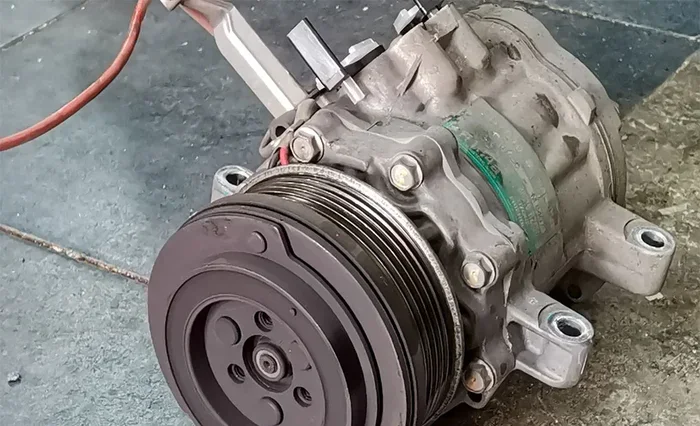
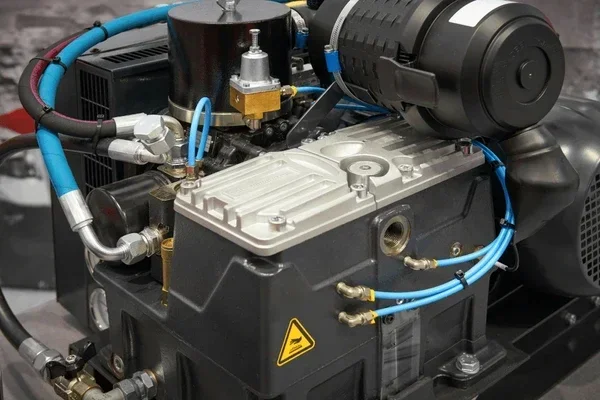
Your AC compressor is the heart of your air conditioning system. It pumps refrigerant through the system, allowing your car or home to cool down. When the ac compressor fails, the entire cooling process stops working. The result is simple but uncomfortable, you get no cold air at all.
But a failed ac compressor does not always mean complete shutdown. Sometimes it works intermittently. Other times it makes loud noises or trips electrical switches. Understanding what happens when the compressor goes out helps you identify the problem early.
Signs Your AC Compressor Has Failed
Spotting the signs of a failed ac compressor early can save you from bigger headaches. Here are the most common symptoms to watch for:
- Warm air from the vents: This is the most obvious sign. If your AC blows warm air no matter how long you run it, the compressor may be done.
- Strange noises: Grinding, squealing, or clicking sounds from the compressor area often mean internal damage.
- Frequent on-and-off cycling: If your AC keeps turning on and off rapidly, the compressor might be struggling to engage.
- Compressor clutch does not engage: You may hear the fan running but the compressor itself stays silent.
- Visible refrigerant leaks: Oily spots or frost on compressor lines suggest a leak that has damaged the system.
- Check engine light: In some vehicles, a bad ac compressor can cause check engine light to illuminate on the dashboard.
If you notice any of these signs, do not ignore them. A failed ac compressor will not fix itself. The longer you wait, the more damage it can cause to other parts of the system.
Why Do AC Compressors Fail?
Understanding the root cause of a failed ac compressor is essential. It helps you prevent future failures and choose the right fix. Compressors do not just die randomly, there is almost always a reason behind it.
Low Refrigerant Levels
One of the top reasons compressors fail is low refrigerant. When the system does not have enough refrigerant, the compressor has to work much harder. Over time, this extra strain causes overheating and eventual failure. Can low refrigerant cause ac compressor to not turn on? Absolutely, and it is one of the most common culprits.
Electrical Problems
Electrical issues can damage a compressor quickly. Faulty wiring, bad relays, or a failing pressure switch can all prevent the compressor from receiving power. In some cases, a bad ac compressor can cause check engine light warnings because the electrical system detects abnormal behavior.
Overheating
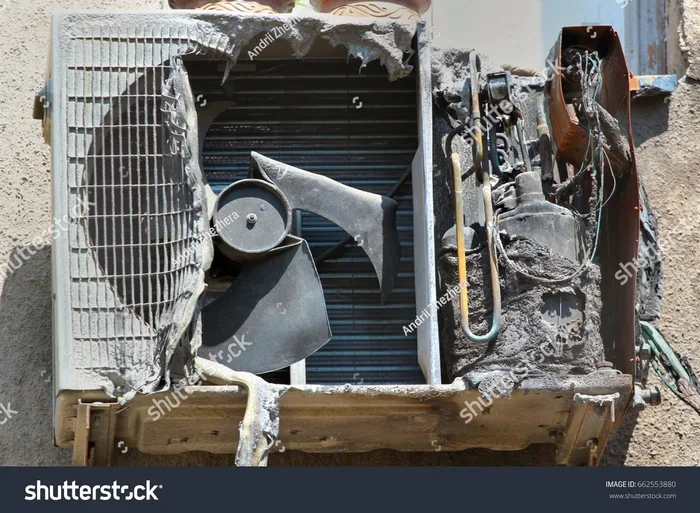
Compressors generate a lot of heat during normal operation. When the system cannot dissipate that heat properly, the compressor overheats and eventually fails. Dirty condenser coils, blocked airflow, or a malfunctioning cooling fan can all lead to overheating.
Wear and Tear
Like any mechanical part, compressors have a lifespan. Over time, internal components wear out. Bearings degrade, seals crack, and moving parts lose their efficiency. How long should an ac compressor last? Typically, a well-maintained compressor can last 10 to 15 years, but poor maintenance can shorten that significantly.
Contamination and Debris
Moisture, dirt, and metal debris inside the refrigerant system can damage the compressor from the inside out. This often happens when the system is not properly sealed or when old refrigerant is not flushed out during maintenance.
How to Diagnose a Failed AC Compressor at Home
Before you jump into repairs, you need to confirm that your ac compressor has indeed failed. Diagnosing the problem at home is easier than most people think. You do not need expensive tools or years of experience.
Start by following these steps carefully. How to diagnose ac compressor issues at home is a skill that can save you hundreds of dollars in mechanic fees.
Step 1: Check the Compressor Clutch
Start your engine and turn the AC to maximum cold. Go to the front of the car and look at the compressor. You should see the clutch engage, pulling the compressor pulley. If the clutch does not engage, there is likely an electrical issue or the compressor itself has seized.
You can try how to jump ac compressor clutch as a quick diagnostic test. If jumping the clutch makes the compressor kick on, the problem is likely in the electrical circuit, not the compressor itself.
Step 2: Listen for Unusual Noises
Turn on the AC and listen carefully. A healthy compressor makes a low, steady hum. A failed ac compressor often makes grinding, screeching, or knocking sounds. These noises usually indicate internal mechanical damage.
Step 3: Check Refrigerant Pressure
Use an AC pressure gauge to check the refrigerant levels. Low pressure on both the high and low sides can indicate a refrigerant leak or a compressor that is not pumping properly. If you are not sure how to do this, refer to guides on how to check ac compressor pressure safely.
Step 4: Inspect for Leaks and Damage
Look at the compressor and surrounding lines for oily residue, frost, or visible damage. Any of these signs suggest a problem that needs immediate attention. A compressor that is leaking refrigerant will eventually fail completely.
Can You Fix a Failed AC Compressor at Home?
The short answer is yes, in some cases. But the real answer depends on what caused the failure and your level of mechanical skill. Some fixes are simple enough for a weekend DIY project, while others require professional tools and expertise.
Simple Fixes You Can Try at Home
Not every failed ac compressor needs a full replacement. Sometimes the problem is something simple that you can fix yourself:
- Reset the compressor clutch: Sometimes the clutch simply needs to be reset or the fuse replaced.
- Recharge the refrigerant: If low refrigerant caused the failure, a simple recharge might get things running again.
- Clean the condenser coils: Dirty coils cause overheating. A good cleaning can resolve the issue and prevent future failure.
- Replace the pressure switch: A faulty pressure switch can prevent the compressor from turning on. Replacing it is straightforward.
- Check and repair wiring: Loose or corroded connections can interrupt power to the compressor.
When DIY Is Not Enough
There are situations where a home fix is simply not possible. If the compressor has seized internally, if the mechanical parts are damaged, or if the system is contaminated, you will likely need a full ac compressor replacement. Attempting to repair a seized compressor without the right tools can be dangerous and wasteful.
In these cases, it is best to consult a professional. They have the equipment to properly evacuate, recharge, and test the system after a failed ac compressor repair or replacement.
How Much Does It Cost to Fix?
The cost of fixing a failed ac compressor varies widely. A simple refrigerant recharge might cost you under $100. Replacing the compressor clutch could run between $200 and $500. A full compressor replacement, including parts and labor, can range from $500 to $1,500 or more depending on your vehicle.
Understanding the cost upfront helps you decide whether to attempt a DIY fix or seek professional help. Always get a few quotes before committing to a major repair.
Safety Tips for Handling a Failed AC Compressor
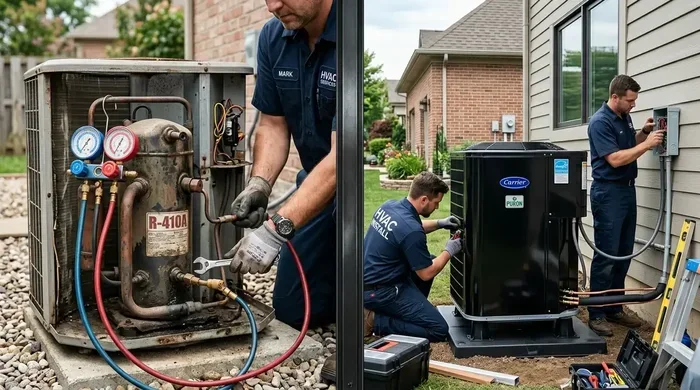
Working on an AC compressor involves risks, especially if you are not experienced. Refrigerant can cause frostbite, and electrical components can lead to shocks or shorts. Following safety precautions is not optional, it is essential.
Always Disconnect Power First
Before you touch anything, disconnect the battery or turn off the power supply. This prevents electrical shocks and accidental compressor engagement. A compressor that starts unexpectedly while you are working on it can cause serious injury.
Wear Protective Gear
Use safety glasses and gloves when handling refrigerant lines or electrical components. Refrigerant is under high pressure and can cause burns or eye damage if it leaks unexpectedly.
Never Open the Refrigerant System Improperly
Refrigerant should only be handled by certified professionals or with proper recovery equipment. Releasing refrigerant into the atmosphere is illegal in many areas and harmful to the environment. Always use proper recovery tools when working with refrigerant lines.
Work in a Well-Ventilated Area
Even when the system is off, residual refrigerant can be present in the lines. Work in an open, well-ventilated space to avoid inhaling any fumes or vapors.
Use the Right Tools
Do not try to improvise with tools you do not have. Using the wrong tools can damage components or injure you. A basic AC repair kit with gauges, wrenches, and safety equipment is worth the investment.
Preventing Future AC Compressor Failures
The best way to deal with a failed ac compressor is to prevent it from happening in the first place. Regular maintenance goes a long way in keeping your compressor healthy and your AC system running smoothly.
Regular Maintenance Checklist
Follow this simple checklist to keep your compressor in good shape:
- Check refrigerant levels: Low refrigerant is the number one killer of AC compressors. Check levels at least twice a year.
- Clean condenser coils: Dirty coils cause the system to overheat. Clean them with a soft brush or coil cleaner.
- Inspect electrical connections: Look for loose wires, corroded terminals, or worn insulation on a regular basis.
- Run the AC regularly: Even in winter, run the AC for a few minutes once a week. This keeps the seals lubricated and prevents them from drying out.
- Replace cabin filters: Clogged filters restrict airflow and put extra strain on the entire system, including the compressor.
- Listen for unusual sounds: Catching strange noises early gives you time to address small problems before they become big failures.
How Long Should a Compressor Last?
With proper maintenance, a failed ac compressor should not be a regular occurrence. Most compressors last 10 to 15 years. But neglecting maintenance can cut that lifespan in half. Think of it like changing the oil in your car, small habits add up to big results over time.
If you are wondering how long can you drive with a bad ac compressor, the answer is not very long without risking further damage to the system. Driving with a failed compressor can cause refrigerant leaks, damage to the belt, and even affect the engine if the compressor seizes and locks the pulley.
When to Call a Professional
There is no shame in calling a professional. In fact, knowing when to get expert help is a sign of a smart homeowner or car owner. If you have tried the basic diagnostic steps and the compressor still will not work, it is time to call in the pros.
Here are clear signs that you need professional help:
- The compressor makes loud grinding or knocking noises.
- The clutch engages but the compressor does not pump refrigerant.
- You notice refrigerant leaks that you cannot locate or fix.
- The system needs to be evacuated and recharged with new refrigerant.
- You are unsure about any electrical diagnosis or repair.
Professionals have specialized tools like vacuum pumps, recovery machines, and diagnostic scanners that make complex repairs safer and more effective. They can also properly identify whether the issue is with the ac compressor itself or with other components like the expansion valve, condenser, or evaporator.
Remember, a failed ac compressor does not always mean you need a brand new unit. Sometimes the problem is simpler, and a skilled technician can get you back up and running without a full replacement.
Dealing with a failed ac compressor can be stressful, but it does not have to be overwhelming. The key is to stay calm, follow the diagnostic steps, and prioritize safety above everything else. You now know how to identify the warning signs, understand the common causes, and take practical steps toward a solution.
Whether you choose to tackle the repair yourself or call a professional, the information in this guide gives you a solid foundation. You can have informed conversations with mechanics, make smart decisions about repairs, and take the right precautions to keep your AC system running smoothly.
Start by checking the simple things first, like refrigerant levels and electrical connections. Do not overlook the power of regular maintenance. And most importantly, do not ignore the signs of a failing compressor. Addressing the problem early saves you time, money, and a lot of discomfort on those hot days when you need cold air the most.
Take what you have learned here and apply it. Your ac compressor is a hardworking component that deserves your attention and care. Treat it well, and it will keep you cool for years to come.
Frequently Asked Questions
What are the first signs of a failed AC compressor?
The first signs usually include warm air coming from the vents, strange noises like grinding or clicking, and the compressor clutch failing to engage. Some people also notice the AC system cycling on and off more frequently than normal. If you see any of these signs, it is time to inspect your compressor right away.
Can I drive my car with a failed AC compressor?
In most cases, you can still drive, but it is not recommended for long periods. A seized compressor can lock the serpentine belt, which affects other engine components like the alternator and water pump. It is best to address the issue as soon as possible to avoid further damage to your vehicle.
What causes an AC compressor to fail suddenly?
Sudden compressor failure is often caused by low refrigerant levels, electrical shorts, or contamination inside the system. Overheating from blocked airflow or a failing cooling fan can also cause sudden failure. Regular maintenance helps prevent most of these issues from becoming emergencies.
How do you know if the compressor clutch is bad or the compressor itself?
Try jumping the compressor clutch. If the compressor kicks on when you jump it, the clutch or electrical circuit is likely the problem. If the compressor still does not engage or makes grinding noises, the compressor itself is probably damaged and needs replacement.
Is it worth replacing an AC compressor in an older vehicle?
It depends on the overall condition of the vehicle and the cost of the repair. If the car is in good shape otherwise, replacing the compressor can extend its life by many years. However, if the vehicle has other major issues, you should weigh the repair cost against the value of the car before deciding.
Can a bad AC compressor cause other problems in the car?
Yes, a bad compressor can cause a range of other issues. It can strain the engine, cause the serpentine belt to slip or break, and lead to refrigerant leaks that damage other AC components. A bad ac compressor can cause other problems that go beyond just the AC system, so prompt attention is important.