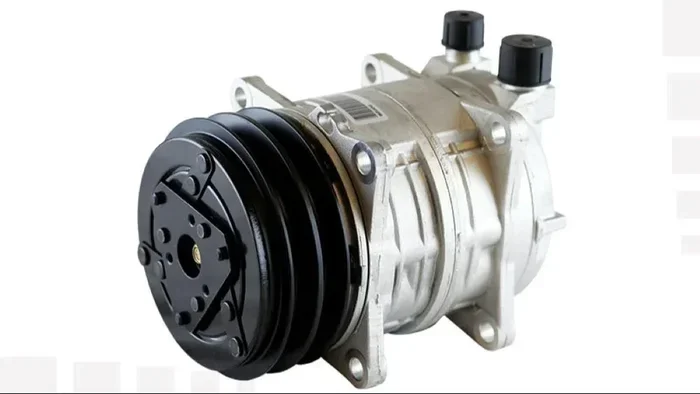
How Does an AC Compressor Work in Your Car Explained
Your car’s AC compressor is the heart of the air conditioning system, pumping refrigerant through a cycle that cools your cabin. It compresses low-pressure gas into high-pressure gas, sends it to the condenser, and creates the cooling effect you feel. Understanding how this car AC compressor works helps you spot problems early and keep your vehicle air conditioning running strong for years.
Every summer, you hop in your car, turn the AC compressor on, and expect cool air to hit your face. But have you ever wondered what’s actually happening under the hood to make that happen? The car air conditioning system is an engineering marvel, and the compressor is the star of the show.
Think of the AC compressor as the heart of your vehicle’s cooling system. Just like your heart pumps blood through your body, the compressor pumps refrigerant through a closed loop of tubes and components. Without it, your car would be an oven on wheels. In this guide, we’ll break down exactly how an AC compressor works in a car, what its main parts are, and how you can keep it running smoothly.
Whether you’re a curious car owner or someone dealing with a broken vehicle air conditioning system, this article has you covered. We’ll walk through the entire AC cooling cycle step by step. By the end, you’ll understand why your compressor matters and how to spot trouble before it becomes a costly repair.
Key Takeaways
- The AC compressor is the engine of your car’s cooling system: It pressurizes refrigerant and drives the entire cooling cycle.
- The AC cycle has four main stages: Compression, condensation, expansion, and evaporation.
- Common problems include refrigerant leaks, clutch failure, and blocked lines: These cause warm air from your vents.
- Regular maintenance keeps your compressor healthy: Check refrigerant levels, inspect belts, and run your AC year-round.
- Most car AC compressors last 8 to 12 years: Proper care can extend that lifespan significantly.
- Watch for warning signs early: Strange noises, weak airflow, and refrigerant leaks need immediate attention.
📑 Table of Contents
- What Is an AC Compressor and Why Does It Matter?
- The Step-by-Step AC Compression Cycle
- Key Components of the AC System
- Common AC Compressor Problems and Warning Signs
- How to Keep Your AC Compressor Running Strong
- AC Compressor Work: Car vs Home Air Conditioning
- When Should You Replace Your AC Compressor?
- Final Thoughts on How Your Car’s AC Compressor Works
What Is an AC Compressor and Why Does It Matter?
The AC compressor is a belt-driven pump located in your car’s engine bay. It sits at the front of the air conditioning system and connects to the engine through a serpentine belt. When you turn on your car’s AC, the compressor engages and starts doing its job.
Here’s the big picture. The compressor takes low-pressure refrigerant gas from the evaporator and squeezes it into a high-pressure, high-temperature gas. This pressurized gas then flows to the condenser, where it releases heat and turns into a liquid. That liquid flows through the system, absorbs heat from your car’s cabin, and cycles back to the compressor to start all over again.
This entire refrigeration cycle happens in seconds. And it repeats thousands of times every time you drive with the AC on. The compressor never stops working while the AC is engaged, which is why it’s one of the hardest-working parts in your vehicle.
If your compressor fails, the whole system shuts down. You’ll feel warm air blowing from the vents, and your car won’t cool down at all. That’s why understanding how the compressor works is so important. It helps you appreciate the system and take better care of it.
The Step-by-Step AC Compression Cycle
The car AC compressor works through a continuous cycle with four main stages. Each stage plays a vital role in turning hot air into cold air. Let’s walk through them one by one.
Stage 1: Compression
The cycle starts in the compressor itself. Low-pressure refrigerant gas enters the compressor through the suction line. The compressor’s piston or rotary mechanism squeezes this gas, raising both its pressure and temperature. The result is a hot, high-pressure gas that’s ready to release its heat.
This is similar to how a Generac generator converts fuel into electrical energy through compression. In both cases, compression is the driving force that makes the system work. You can learn more about how a generator works to see the parallels between mechanical compression systems.
Stage 2: Condensation
The hot, high-pressure gas flows from the compressor to the condenser. The condenser looks like a small radiator located in front of your car’s main radiator. As the gas moves through the condenser’s coils, it releases heat to the outside air. A fan helps push hot air away from the coils.
As the gas cools down, it changes state from a gas to a high-pressure liquid. This liquid refrigerant is still warm, but it’s now ready to absorb heat from your car’s interior. The condenser is essential because it prepares the refrigerant for the next phase of the cycle.
Stage 3: Expansion
The high-pressure liquid refrigerant then moves to the thermal expansion valve or orifice tube. This component acts as a bottleneck. It restricts the flow of refrigerant, causing a sudden drop in pressure. When pressure drops, so does temperature.
The refrigerant now becomes a cold, low-pressure mixture of liquid and gas. This cold refrigerant is ready to absorb heat from your car’s cabin. The expansion valve controls how much refrigerant enters the evaporator, which helps regulate the temperature inside your car.
Stage 4: Evaporation
The cold refrigerant enters the evaporator, which is located inside your car’s dashboard. Warm air from your car’s cabin blows over the evaporator’s cold coils. The refrigerant absorbs this heat, turning from a liquid back into a gas.
The evaporator also removes moisture from the air, which is why your car’s AC produces dry, cool air. The refrigerant gas, now warm and low-pressure, flows back to the compressor to start the cycle all over again. This loop runs continuously while your AC is on.
Key Components of the AC System
The car AC compressor doesn’t work alone. Several other components make up the automotive air conditioning system. Here are the main parts you should know about.
The Compressor Clutch
The AC compressor clutch is an electromagnetic switch that engages and disengages the compressor. When you turn on the AC, the clutch engages and spins the compressor. When you turn it off, the clutch releases, and the compressor stops. This saves energy and reduces wear on the system when you don’t need cooling.
The clutch is controlled by the AC pressure switch, which monitors refrigerant pressure. If pressure is too low or too high, the switch disables the compressor to prevent damage. This is a safety feature that protects the entire AC system.
The Condenser and Evaporator
The condenser and evaporator are heat exchangers. The condenser releases heat outside the car, while the evaporator absorbs heat inside the car. Both work by allowing the refrigerant to change states between gas and liquid. Without these components, the refrigeration cycle simply wouldn’t work.
The Receiver-Drier or Accumulator
This component stores excess refrigerant and removes moisture from the system. Moisture is the enemy of any car cooling system. It can cause corrosion, blockages, and ice formation. The receiver-drier or accumulator keeps the refrigerant clean and dry, which extends the life of the compressor.
The Serpentine Belt
The serpentine belt connects the engine to the compressor. It transfers the engine’s rotational power to the compressor so it can do its job. If the belt is worn or broken, the compressor won’t engage, and your AC won’t work. This is one of the simplest and most common causes of AC failure.
Common AC Compressor Problems and Warning Signs
Like any mechanical part, the car AC compressor can develop problems over time. Knowing the warning signs helps you catch issues early before they become expensive repairs. Here are the most common problems you might face.
Refrigerant Leaks
Refrigerant leaks are the number one cause of AC problems. Over time, seals and connections can wear out, allowing refrigerant to escape. When refrigerant levels drop, the compressor has to work harder, which leads to overheating and eventual failure.
Signs of a refrigerant leak include weak cooling, hissing sounds near the AC lines, and visible oil residue around fittings. If you notice any of these, have a mechanic check your system right away. Running a compressor low on refrigerant can cause permanent damage.
Compressor Clutch Failure
The compressor clutch can wear out or fail electrically. When the clutch fails, the compressor won’t engage, and you’ll get no cold air. Sometimes the clutch makes a grinding or clicking noise when it fails. Other times, it just stops working without any warning.
Clutch failure can be caused by electrical issues, a blown fuse, or a worn clutch plate. A mechanic can test the clutch and replace it if needed. Replacing just the clutch is usually cheaper than replacing the entire compressor.
Blocked or Clogged Lines
Debris, moisture, and old refrigerant can clog the AC lines over time. A blockage restricts refrigerant flow, which puts extra strain on the compressor. This can cause the compressor to overheat and fail prematurely.
Flushing the car cooling system lines during routine maintenance helps prevent clogs. If you suspect a blockage, a professional can use specialized tools to clear the lines and restore proper refrigerant flow.
Compressor Noise
Strange noises from the compressor are never a good sign. Grinding, squealing, or rattling sounds often indicate internal damage. These noises usually mean the compressor’s bearings or internal components are worn out.
If you hear unusual sounds when the AC is on, turn it off and get it checked. Continuing to run a damaged compressor can make the problem worse and increase repair costs. Sometimes a simple bearing replacement can fix the issue, but severe damage may require a full compressor replacement.
How to Keep Your AC Compressor Running Strong
Prevention is always better than repair when it comes to your vehicle air conditioning system. A few simple habits can extend the life of your compressor and keep your car cool for years. Here’s what you can do.
- Run your AC regularly: Even in winter, run the AC for about 10 minutes every week. This keeps the seals lubricated and prevents them from drying out. It also circulates the refrigerant through the system.
- Check refrigerant levels: Low refrigerant is the biggest killer of AC compressors. Have a mechanic check your refrigerant levels during routine oil changes. Topping off the refrigerant is inexpensive and prevents compressor strain.
- Inspect the serpentine belt: A worn or cracked belt can slip or break, leaving the compressor without power. Check the belt regularly and replace it when you see signs of wear.
- Replace the cabin air filter: A clogged cabin filter restricts airflow over the evaporator, which makes the compressor work harder. Replace your cabin filter every 12,000 to 15,000 miles.
- Address problems immediately: Don’t ignore weak cooling or strange noises. The longer you wait, the more damage the compressor can sustain. Early intervention saves money and prevents bigger repairs.
- Keep the condenser clean: Debris like leaves and dirt can block airflow to the condenser. Rinse the condenser with water during car washes to keep it clear.
Taking care of your car AC compressor is simple, but it makes a huge difference. A well-maintained compressor can last 10 to 15 years, which is the typical lifespan of most vehicles. Neglected compressors, on the other hand, can fail in just a few years.
Also, keep in mind that the cost of replacing an AC compressor can be significant. It’s much cheaper to maintain the system than to replace major components. Think of it like maintaining a whole home generator – regular care prevents breakdowns and extends the life of the equipment.
AC Compressor Work: Car vs Home Air Conditioning
The AC compressor in your car works on the same basic principles as a home air conditioning system. Both use a refrigerant cycle to move heat from one place to another. Both have compressors, condensers, expansion valves, and evaporators. But there are some key differences you should know about.
Home AC systems are typically larger and more powerful. They cool entire houses, while car AC systems only need to cool a small cabin. Car compressors also run on engine power, which means they put a load on the engine. When your car’s AC is on, you might notice a slight drop in fuel efficiency.
Some people use portable generators to power home AC units during outages. If you’re curious about how generators and AC systems compare, you might want to read about how much gas a generator uses per hour or how much a generator costs. These resources can help you understand the relationship between power generation and cooling systems.
Another interesting comparison is between portable generators and car AC systems. A portable generator can run continuously for hours, but your car’s AC compressor runs only when the engine is on. Understanding these differences helps you appreciate how each system is designed for its specific purpose.
When Should You Replace Your AC Compressor?
Sometimes, despite your best efforts, the compressor fails. Knowing when to replace it saves you time and money. Here are the main situations where replacement is necessary.
If the compressor makes loud mechanical noises and the AC blows warm air, internal damage is likely. If refrigerant leaks come from the compressor itself, the seals are probably worn beyond repair. And if the compressor clutch fails repeatedly, it may be more cost-effective to replace the entire unit.
Replacement costs vary depending on your car’s make and model. The compressor itself can cost anywhere from a few hundred to over a thousand dollars. Labor adds to the total, especially if the system needs to be flushed and the refrigerant recharged. Always get a detailed estimate from a trusted mechanic before committing to the repair.
Remember, a failed compressor doesn’t always mean the whole AC system is ruined. Other components like the condenser or evaporator might still be in good shape. A skilled technician can assess the damage and recommend the best course of action.
Final Thoughts on How Your Car’s AC Compressor Works
The AC compressor is the unsung hero of your car’s cooling system. It works tirelessly every time you turn on the AC, compressing refrigerant and driving the cooling cycle. Without it, your summer drives would be miserable. Understanding how it works helps you take better care of your vehicle and spot problems before they get worse.
Keep up with regular maintenance, listen for unusual sounds, and address cooling issues promptly. Your compressor will reward you with years of reliable performance. And on those hot summer days, you’ll be glad you did.
Take a moment to appreciate the engineering that goes into your car’s air conditioning system. It’s a closed loop of components working in perfect harmony to keep you cool. The compressor leads the charge, and everything else follows. Now that you understand how it all works, you can be a smarter, more informed car owner.
Frequently Asked Questions
How long does a car AC compressor typically last?
Most car AC compressors last between 8 and 12 years with proper maintenance. Some last even longer if the system is well cared for. Regular refrigerant checks and belt inspections help extend the compressor’s lifespan significantly.
Can I drive my car with a bad AC compressor?
Yes, you can drive your car, but the AC won’t work. A bad compressor won’t affect your engine’s ability to run in most cases. However, if the compressor seizes, it can damage the serpentine belt and cause other issues. Get it repaired as soon as possible.
How much does it cost to replace a car AC compressor?
Replacement costs typically range from $500 to $1,500, including parts and labor. The exact cost depends on your car’s make and model. Some luxury vehicles have more expensive compressors, which drives up the total price.
What causes an AC compressor to fail?
The most common causes are low refrigerant, worn clutch, blocked lines, and lack of maintenance. Running the AC with low refrigerant puts extra strain on the compressor and leads to premature failure. Regular maintenance prevents most of these issues.
How do I know if my AC compressor clutch is bad?
Signs of a bad clutch include the AC blowing warm air, clicking noises when the AC turns on, and the clutch not engaging at all. A mechanic can test the clutch with a multimeter to confirm the diagnosis. Replacing the clutch is often cheaper than replacing the entire compressor.
Does running the AC in winter help the compressor?
Yes, running the AC in winter keeps the seals lubricated and prevents them from drying out. It also circulates refrigerant through the system, which helps maintain proper pressure. Just 10 minutes a week is enough to keep the system in good shape.
=== CONCLUSION ===
The car AC compressor is a fascinating and essential part of your vehicle. It drives the entire air conditioning cycle, from compression to evaporation, keeping you cool and comfortable on every drive. Understanding how it works empowers you to take better care of your car and catch problems early.
Remember to maintain your system regularly, watch for warning signs, and never ignore weak cooling. Your compressor works hard for you – give it the care it deserves. With the right attention, your vehicle air conditioning will keep you comfortable for many years to come.
Stay cool, stay informed, and enjoy the drive. Your car’s AC compressor has got your back, no matter how hot it gets outside.


