Puma Air Compressor Parts List and Where to Find Them
A Puma air compressor parts list helps you identify every component you need for maintenance, repairs, or upgrades. Whether you own a portable Puma unit or a larger stationary model, knowing the exact parts names and functions saves time and money. This guide covers the complete parts breakdown, where to buy them, and simple maintenance tips to keep your compressor running strong.
If you own a Puma air compressor, you already know how reliable these machines can be. But like any tool, parts wear out, break, or need replacing over time. Having a clear Puma air compressor parts list makes life so much easier. You won’t have to guess what fits, and you won’t waste money on the wrong components.
In this guide, we walk through every major part of a Puma air compressor. We explain what each piece does, how to identify it, and where to find replacements. Whether you are a DIY homeowner or a professional mechanic, this list will save you time and frustration. Let us dive right in.
Key Takeaways
- Complete Parts Breakdown: Learn every major component of a Puma air compressor, from the tank to the pressure switch.
- Easy Identification: Understand part names, functions, and common model numbers so you can order replacements fast.
- Where to Buy: Discover the best places to find genuine and compatible Puma compressor parts.
- Maintenance Tips: Simple routine checks that extend the life of your compressor and prevent costly breakdowns.
- Common Problems: Know which parts fail most often and how to spot warning signs early.
📑 Table of Contents
- Understanding Your Puma Air Compressor Parts List
- Complete Puma Air Compressor Parts List by Category
- Where to Find Puma Air Compressor Replacement Parts
- How to Identify the Right Parts for Your Puma Compressor
- Maintenance Tips to Keep Your Puma Compressor Running Smoothly
- Common Puma Air Compressor Parts That Fail Most Often
- Quick Tips for Ordering Puma Compressor Parts
- Expert Insight: Why Using Genuine Parts Matters
- Frequently Asked Questions
- Conclusion
Understanding Your Puma Air Compressor Parts List
A Puma air compressor is made up of several key components that work together to compress and store air. Each part plays a specific role in the system. When you understand what each piece does, troubleshooting and maintenance become much simpler. Below, we break down the major components you will find on most Puma models.
1. Air Compressor Tank
The tank is the heart of your compressor. It stores the compressed air until you need it. Puma tanks come in different sizes, typically ranging from 6 gallons to 60 gallons or more. The tank is built from heavy-duty steel or aluminum to handle high pressure safely.
Over time, tanks can develop rust or small leaks. Regularly draining moisture from the tank helps prevent corrosion. If you want to know more about tank lifespan, check out our guide on how long air compressor tanks last.
2. Pressure Switch
The pressure switch is the brain of your compressor. It tells the motor when to turn on and when to turn off based on the air pressure inside the tank. Most Puma compressors use a pressure switch that activates at a set cut-in pressure and shuts off at the cut-out pressure.
If your compressor keeps running nonstop or won’t start at all, the pressure switch might be the culprit. You can learn more about adjusting pressure settings in our article on how to adjust cut-out pressure on an air compressor.
3. Unloader Valve
The unloader valve releases excess pressure from the compressor head when the motor stops. This makes it easier for the motor to start up again during the next cycle. A stuck unloader valve can cause your compressor to trip or fail to start.
Adjusting the unloader valve is a simple task that many owners can do themselves. For a detailed walkthrough, visit our page on how to adjust the unloader valve on an air compressor.
4. Compressor Pump
The pump is where the actual compression happens. It draws in ambient air and pushes it into the tank at a higher pressure. Puma compressors use either a single-stage or two-stage pump depending on the model. Single-stage pumps are common in smaller portable units, while two-stage pumps are found in larger industrial models.
Pump components include piston rings, cylinder walls, and connecting rods. These parts experience the most wear and tear over time. Keeping the pump properly lubricated with the right air compressor oil is essential for long life.
5. Motor
The motor provides the power that drives the pump. Puma compressors come with either electric motors or gasoline-powered engines, depending on the model. Electric motors are measured in horsepower (HP) and amperage draw.
Wondering how much electricity your compressor uses? Our article on how many amps does an air compressor use covers this topic in detail.
6. Air Filter and Intake
The air intake filter prevents dust, debris, and contaminants from entering the pump. A clogged filter reduces airflow and forces the motor to work harder. This leads to higher energy consumption and premature wear on internal components.
You should inspect the air intake filter regularly and clean or replace it as needed. A clean filter keeps your compressor running efficiently and extends the life of the pump.
7. Regulator and Gauge
The regulator controls the output pressure delivered to your tools. The pressure gauge displays the current tank pressure, while the regulator gauge shows the output pressure you are delivering. Together, they give you precise control over your air supply.
If your gauges are reading incorrectly, it may be time to replace them. Faulty gauges can lead to under-inflated tires, inconsistent tool performance, or even equipment damage.
8. Check Valve
The check valve prevents compressed air from flowing back into the pump when the motor stops. It ensures that all the stored air stays in the tank. A failing check valve can cause the tank to lose pressure or make the motor work harder than it should.
9. Safety Valve
The safety valve is a critical fail-safe component. It automatically releases air from the tank if the pressure exceeds safe limits. This prevents catastrophic tank failure. Never disable or ignore a safety valve. If it is releasing air frequently, your pressure switch may need adjustment.
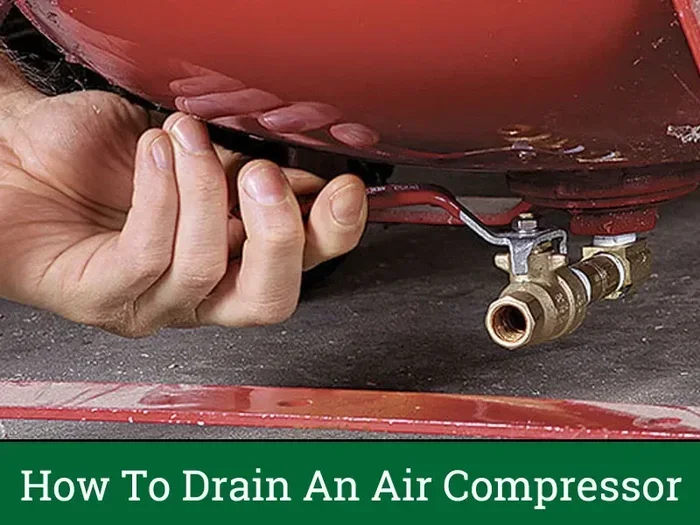
10. Drain Valve
The drain valve is located at the bottom of the tank. It allows you to release accumulated moisture and condensation. Water buildup inside the tank can cause rust, reduce air quality, and damage your tools. Drain your tank after every few uses to keep it in top condition.
Complete Puma Air Compressor Parts List by Category
Now that you understand the major components, let us organize them into a clear, easy-to-reference parts list. This table breaks down each part by category, function, and common replacement frequency.
Puma Air Compressor Parts Reference Table
Below is a comprehensive reference of the most common Puma air compressor parts and their functions:
- Tank: Stores compressed air. Replacement frequency: 10+ years with proper care.
- Pressure Switch: Controls motor on/off based on tank pressure. Replacement frequency: 5-7 years.
- Unloader Valve: Releases pressure from the pump head on shutdown. Replacement frequency: 5-8 years.
- Compressor Pump: Compresses ambient air into the tank. Replacement frequency: 8-15 years.
- Motor: Powers the pump. Replacement frequency: 10+ years.
- Air Intake Filter: Filters incoming air. Replacement frequency: Every 6-12 months.
- Regulator: Controls output pressure to tools. Replacement frequency: 5-10 years.
- Pressure Gauge: Displays tank pressure. Replacement frequency: 5-7 years.
- Check Valve: Prevents backflow into the pump. Replacement frequency: 5-8 years.
- Safety Valve: Prevents overpressure. Replacement frequency: 10+ years.
- Drain Valve: Releases tank moisture. Replacement frequency: 10+ years.
- Air Compressor Oil: Lubricates pump internals. Replacement frequency: Every 500-1000 hours.
- Air Hose and Fittings: Connects compressor to tools. Replacement frequency: 3-5 years.
- Drive Belt: Transfers motor power to the pump. Replacement frequency: 3-5 years.
- Pressure Switch Wiring: Electrical connections for the switch. Replacement frequency: 5-7 years.
Where to Find Puma Air Compressor Replacement Parts
Finding the right replacement parts for your Puma compressor does not have to be difficult. There are several reliable sources where you can get genuine or compatible parts quickly. Here is where you should look.
1. The Puma Air Compressor Parts Store
The best place to start is a dedicated air compressor parts store. These stores specialize in compressor components and carry a wide range of Puma-compatible parts. You can find everything from simple filters to complex pump assemblies in one convenient location. Shopping at a specialized store also means you get expert advice if you are unsure which part you need.
Many parts stores offer searchable databases where you can enter your model number and get an exact match. This eliminates the guesswork and ensures compatibility.
2. Online Marketplaces
Online marketplaces like Amazon, eBay, and dedicated industrial supply websites carry a vast selection of air compressor parts. You can often find competitive prices and customer reviews to help you make informed decisions. Just be sure to verify that the part is compatible with your specific Puma model.
3. Manufacturer Direct
Buying directly from Puma or their authorized distributors guarantees genuine parts. While this option may be slightly more expensive, you get the assurance of quality and full warranty coverage. This is especially important for safety-critical components like the pressure switch and safety valve.
4. Local Repair Shops
If you prefer hands-on support, a local air compressor repair shop can help you find and install the right parts. Many repair shops stock common replacement components and can order specialty parts if needed. They can also diagnose issues you might not have noticed on your own.
How to Identify the Right Parts for Your Puma Compressor
Not all Puma compressors are the same. Different models use different parts, and using the wrong component can cause damage or safety issues. Here is how to make sure you are ordering the correct parts every time.
Check Your Model Number
Every Puma compressor has a model number printed on a label, usually near the motor or on the tank. Write this number down and keep it handy. When shopping for parts, always reference this model number to ensure compatibility.
Refer to the Owner’s Manual
The owner’s manual contains a complete parts list and diagram for your specific model. If you have lost your manual, you can often find a digital copy on the Puma website or by contacting their customer support team.
Match Part Numbers
Each component has a unique part number. When ordering replacements, always match the part number exactly. Even similar-looking parts from different models may have different specifications that could cause fitting or performance issues.
Measure Dimensions
For parts like hoses, fittings, and belts, physical measurements are essential. Use a tape measure to confirm the diameter, length, and thread size before placing your order. A few extra minutes of measuring can save you from returns and delays.
Maintenance Tips to Keep Your Puma Compressor Running Smoothly
Regular maintenance is the best way to avoid unexpected breakdowns and extend the life of your Puma compressor. Here are some simple tips you can follow.
Check the Oil Level Regularly
Your compressor pump needs proper lubrication to run smoothly. Check the oil level before each use and change the oil according to the manufacturer’s recommendations. Using the right type of oil matters too. Learn more about selecting the correct oil in our guide on what type of oil goes in an air compressor.
Clean or Replace the Air Filter
A dirty air filter restricts airflow and forces the motor to work harder. Inspect the filter every few weeks and clean it with compressed air or replace it if it is damaged. This simple step improves efficiency and protects the pump.
Drain the Tank After Each Use
Moisture collects inside the tank during every compression cycle. Opening the drain valve after use prevents water buildup that can cause rust and reduce tank life. Make this a habit and your tank will last much longer.
Inspect Hoses and Fittings
Check all air hoses and fittings for cracks, leaks, or loose connections. Even a small leak can reduce your compressor’s efficiency and waste energy. Tighten fittings as needed and replace damaged hoses immediately.
Listen for Unusual Noises
Your compressor will tell you when something is wrong. Unusual grinding, squealing, or knocking sounds often indicate worn parts. Address these sounds early before they turn into expensive repairs. If you are unsure what the noise means, visit an air compressor repair shop for a professional diagnosis.
Common Puma Air Compressor Parts That Fail Most Often
Some parts wear out faster than others. Knowing which components are most likely to fail helps you stay ahead of problems and keep a spare on hand.
Air Intake Filters
The air intake filter is exposed to dusty environments and accumulates debris quickly. In workshop or construction settings, you may need to replace this filter every few months. Keeping a spare filter on hand is a smart move.
Pressure Switches
The pressure switch endures constant cycling as the compressor turns on and off throughout the day. Over time, the contacts inside the switch can wear out, causing inconsistent pressure or complete failure. Replacing a pressure switch is usually straightforward and affordable.
Unloader Valves
The unloader valve is a small but critical component. When it fails, the compressor may struggle to start or may run continuously. Fortunately, unloader valve replacements are inexpensive and easy to install.
Drive Belts
On belt-driven Puma compressors, the drive belt experiences significant wear over time. A frayed or cracked belt can slip or break, leaving you without compressed air. Inspect the belt regularly and keep a replacement handy.
Hose Fittings and Connectors
Fittings and connectors are subject to vibration and pressure cycles. Over time, threads can wear and connections can loosen, leading to air leaks. Using thread sealant and checking connections regularly helps prevent this issue.
Quick Tips for Ordering Puma Compressor Parts
Here are some quick tips to make your parts ordering experience smooth and hassle-free:
- Always have your model number ready before you start shopping.
- Take photos of the part you need if you are unsure of the name or number.
- Buy from authorized sellers to ensure genuine quality.
- Keep a small inventory of commonly replaced parts like filters and belts.
- Read customer reviews before purchasing replacement parts online.
- Contact the seller or manufacturer if you are uncertain about compatibility.
- Save your receipts and order confirmations for warranty purposes.
Expert Insight: Why Using Genuine Parts Matters
Using genuine or manufacturer-approved Puma parts ensures that your compressor operates at peak performance. Aftermarket parts vary widely in quality, and cheap replacements can lead to premature failure, safety hazards, or voided warranties. While generic parts may cost less upfront, they often end up costing more in the long run due to shorter lifespans and poor performance.
Genuine parts are designed and tested specifically for your compressor model. They meet the same quality standards as the original components and ensure safe, reliable operation. When in doubt, always opt for the genuine article.
Frequently Asked Questions
Where can I find a complete Puma air compressor parts list?
The best place to find a complete Puma air compressor parts list is through the manufacturer’s website or a dedicated air compressor parts store. You can also refer to your owner’s manual, which contains a detailed diagram and part numbers for your specific model. Online marketplaces and authorized distributors are other reliable sources for finding every component you need.
How often should I replace parts on my Puma air compressor?
Replacement frequency depends on the part and how often you use your compressor. Air intake filters should be checked every few weeks and replaced every 6 to 12 months. Oil should be changed every 500 to 1,000 operating hours. Pressure switches and unloader valves typically last 5 to 8 years with regular use. Always refer to your owner’s manual for the manufacturer’s recommended maintenance schedule.
Can I use aftermarket parts on my Puma compressor?
Yes, you can use aftermarket parts, but you should exercise caution. Aftermarket parts vary in quality, and using low-quality components can lead to performance issues or safety risks. Always verify compatibility by matching part numbers and specifications. For safety-critical parts like the pressure switch and safety valve, genuine Puma parts are strongly recommended.
What is the most common part that needs replacement on a Puma compressor?
The air intake filter is the most frequently replaced part on any Puma compressor. It gets clogged with dust and debris quickly, especially in workshop or construction environments. Other commonly replaced parts include the unloader valve, drive belt, and pressure switch. Keeping spare filters and belts on hand can minimize downtime.
How do I know if a part needs to be replaced or just cleaned?
Parts like air filters and intake screens often just need cleaning with compressed air. However, if a part is visibly damaged, cracked, or worn beyond repair, replacement is the safest option. For parts like gaskets and seals, replacement is always recommended over cleaning, since they cannot be fully restored once compressed or degraded.
Are Puma air compressor parts expensive?
The cost of Puma air compressor parts varies widely depending on the component. Simple parts like air filters, drain valves, and fittings are very affordable. More complex components like pumps, motors, and pressure switches cost more but are still reasonably priced compared to buying a new compressor. Investing in quality parts saves money over time by reducing the need for frequent replacements and preventing costly damage to other components.
Conclusion
Having a clear Puma air compressor parts list is essential for anyone who owns and operates a Puma compressor. From the tank and pressure switch to the unloader valve and air filter, every part serves an important function. Understanding what each component does and how to maintain it keeps your compressor running efficiently for years to come.
Remember to check your parts regularly, replace worn components promptly, and always source genuine or high-quality compatible parts. With the right maintenance routine and a reliable parts supply source, your Puma compressor will continue to deliver strong, consistent performance for every job.
Whether you are a weekend DIYer or a full-time professional, taking care of your compressor’s parts pays off in the long run. Keep this guide bookmarked, share it with fellow compressor owners, and never get caught off guard by a worn-out component again.