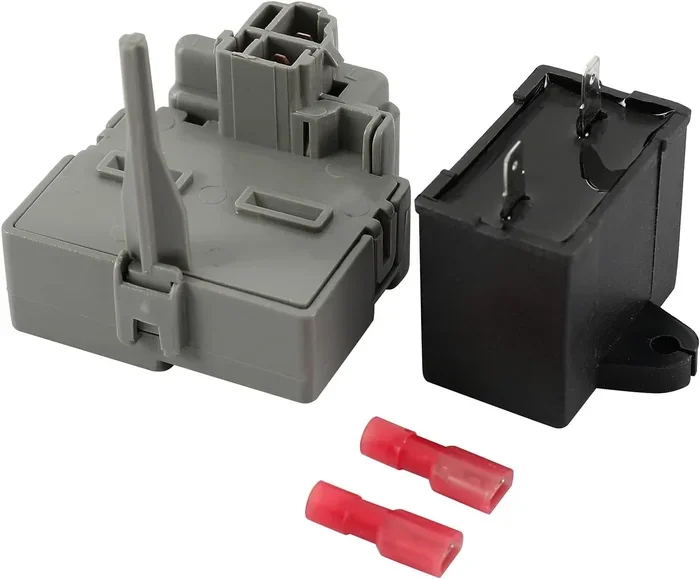
Frigidaire Compressor Start Relay Replacement Steps
A Frigidaire compressor start relay is a small but critical component that helps your refrigerator compressor kick on. When it fails, your fridge stops cooling, and food can spoil quickly. This guide walks you through the entire Frigidaire compressor start relay replacement process, from diagnosing the problem to testing the new relay. You will learn the tools needed, safety precautions, and simple steps to get your refrigerator running again.
A refrigerator compressor start relay is one of those small parts that most people never think about until it stops working. When your Frigidaire fridge suddenly stops cooling, the relay is often the culprit. The good news is that swapping out a faulty relay is one of the most straightforward repairs you can do at home.
This guide covers everything you need to know about Frigidaire compressor start relay replacement. We will walk you through each step, explain what to look for, and share tips that save time and money. Whether you are a beginner or a seasoned DIYer, you will find practical advice here.
Frigidaire compressor start relay replacement does not require advanced electrical knowledge. You just need patience, the right tools, and a clear set of instructions. Let us get started.
Key Takeaways
- Easy DIY Repair: Replacing a Frigidaire compressor start relay is a task most homeowners can handle with basic tools.
- Safety First: Always unplug the refrigerator and follow safety steps before starting any work on the compressor or relay.
- Spot the Signs: A clicking relay, warm fridge, or compressor that won’t start are clear signs your start relay may be failing.
- Testing Matters: Use a multimeter to test the relay before and after replacement to confirm the fix worked.
- Correct Part Matters: Always match the relay to your specific Frigidaire model number for a proper fit.
- Know When to Call a Pro: If the compressor itself is damaged, replacing the relay alone will not solve the problem.
📑 Table of Contents
- What Is a Compressor Start Relay and Why Does It Matter?
- Tools and Materials You Will Need
- Safety Precautions Before You Begin
- Step-by-Step Frigidaire Compressor Start Relay Replacement
- Common Mistakes to Avoid During Relay Replacement
- When to Call a Professional Instead of DIY
- How to Extend the Life of Your Compressor Relay
- Cost Considerations for Relay Replacement
- Understanding the Relay and Compressor Relationship
- Final Thoughts on Frigidaire Compressor Start Relay Replacement
What Is a Compressor Start Relay and Why Does It Matter?
The start relay gives your refrigerator compressor the initial boost it needs to begin running. Think of it like a spark plug in a car engine. Without it, the compressor cannot kick on, and your fridge stops cooling.
Inside the relay, you will find a coil and a set of contacts. When power flows through the coil, the contacts close and send electricity to the compressor motor. Over time, these contacts can wear out, burn, or stick. When that happens, the relay fails to do its job.
Frigidaire refrigerators rely on this small component every single day. A failing relay means your compressor either struggles to start or refuses to start at all. This is why understanding how the relay works helps you diagnose problems faster.
Common Signs of a Failing Start Relay
Before you jump into Frigidaire compressor start relay replacement, make sure the relay is actually the problem. Here are the most common signs:
- Clicking sound: You hear rapid clicking near the compressor, but the fridge never starts cooling.
- Warm fridge: The refrigerator runs but does not maintain a cold temperature.
- Compressor won’t start: The compressor is completely silent when the fridge is running.
- Intermittent cooling: The fridge cools sometimes but not consistently.
- Burning smell: A burnt or electrical smell comes from the back of the refrigerator.
- Visible damage: The relay casing is cracked, discolored, or has burn marks.
If you notice any of these symptoms, the relay is a great place to start troubleshooting. Before replacing the relay, you should test it to confirm it is the issue. You can learn more about how to test compressor windings to rule out other problems.
Tools and Materials You Will Need
Gathering everything before you start makes the repair much smoother. You do not need a lot of tools, but having them ready saves trips back and forth.
Essential Tools
- Screwdriver set: Both flathead and Phillips head sizes for removing panels.
- Multimeter: This is essential for testing the relay and confirming the repair.
- Needle-nose pliers: Helpful for disconnecting wires carefully.
- Wire nuts or electrical tape: For securing connections after the repair.
- Flashlight: The compressor area can be dark, so good lighting helps.
Replacement Part
You will need a new start relay that matches your Frigidaire model. Relay designs vary by model, so always check the part number on the old relay before ordering a replacement. You can find the model number on a sticker inside the refrigerator door or on the back of the unit.
Keep in mind that Frigidaire compressor start relay replacement requires the correct relay. Using a mismatched relay can cause further damage to the compressor or fail to solve the problem.
Safety Precautions Before You Begin
Working on a refrigerator involves electricity and a compressor that stores refrigerant. Safety must come first. Skipping precautions can lead to electric shock or injury.
- Unplug the refrigerator: Always disconnect the unit from the power outlet before starting any work.
- Wait 10 minutes: Let the compressor cool down. The area around the compressor can be warm or even hot during operation.
- Wear rubber-soled shoes: This reduces the risk of electrical shock.
- Work on a dry surface: Do not perform the repair on wet floors or in damp areas.
- Keep water away: Make sure your hands are dry and the work area is clear of liquids.
If at any point you feel unsure or uncomfortable, it is perfectly fine to call a professional. Frigidaire compressor start relay replacement is simple, but your safety matters more than saving a few dollars.
Step-by-Step Frigidaire Compressor Start Relay Replacement
Now that you have your tools, your new relay, and your safety gear on, let us walk through the actual replacement process. Each step is designed to be clear and easy to follow.
Step 1: Locate the Compressor and Relay
Move your refrigerator away from the wall carefully. The compressor is usually located at the back of the unit, near the bottom. It is a large, black, cylindrical component with copper tubes running into it.
The start relay is attached directly to the compressor. It is a small plastic or metal box connected by one or two wires. In some Frigidaire models, the relay plugs into a socket on the side of the compressor. In others, it is mounted with a clip or screw.
Take a moment to study the relay and its connections before you touch anything. A quick photo with your phone can be very helpful later when you are putting things back together.
Step 2: Remove the Old Relay
Once you have located the relay, follow these steps to remove it:
- Disconnect the power: Double-check that the refrigerator is unplugged.
- Remove the relay cover: If your relay has a removable cover, gently pry it off. Some models use a small screw to hold the cover in place.
- Disconnect the wires: Use needle-nose pliers to gently pull the wires off the relay terminals. Remember which wire goes where. Your photo from earlier will help here.
- Remove the relay: If the relay plugs into a socket, pull it straight out. If it is mounted with a clip or screw, release the clip or remove the screw first.
Handle the old relay carefully. You will want to compare it side by side with the new one to make sure they match in size, shape, and terminal layout.
Step 3: Test the Old Relay (Optional but Recommended)
Before you toss the old relay, it is worth testing it with a multimeter. This confirms that the relay was indeed the problem and not something else.
Set your multimeter to the resistance or continuity setting. Touch the probes to the relay terminals and check for continuity. A working relay should show continuity between the coil terminals. If you get no reading or an open circuit, the relay is bad.
You can also check the relay contacts for continuity. The contacts should close when you press the relay mechanism. If they do not, the relay has failed. This testing step adds confidence that your Frigidaire compressor start relay replacement will actually fix the problem.
If you want a deeper dive into testing methods, check out our guide on how to test compressor windings for additional context.
Step 4: Install the New Relay
Now comes the satisfying part — putting in the new relay. Follow these steps carefully:
- Compare the relays: Place the new relay next to the old one. Confirm that the terminal layout, size, and shape are identical.
- Insert the new relay: Push it firmly into the socket or secure it with the clip or screw. Make sure it sits snugly and does not wobble.
- Reconnect the wires: Attach each wire to the correct terminal. Push the connections firmly until they click or seat properly.
- Replace the relay cover: If your relay had a cover, snap it or screw it back into place.
Take your time with the wiring. A loose connection can cause the relay to fail again within days. Give each wire a gentle tug to confirm it is secure.
Step 5: Test the New Relay
Once the new relay is installed, it is time to test it. Plug the refrigerator back in and turn it on. Listen for the compressor to start.
You should hear a single, solid hum from the compressor as it kicks on. If you hear rapid clicking or nothing at all, the relay may not be seated properly, or the problem could be elsewhere.
Let the fridge run for at least 15 to 30 minutes. Check that the interior temperature starts dropping. If the fridge cools normally, your Frigidaire compressor start relay replacement was successful.
If the problem persists, the issue may be with the compressor itself, the start capacitor, or another component. In that case, it is wise to consult a professional technician.
Common Mistakes to Avoid During Relay Replacement
Even simple repairs can go wrong if you skip steps or rush through the process. Here are common mistakes to watch out for:
- Skipping the unplug step: This is the number one safety mistake. Never work on a plugged-in refrigerator.
- Using the wrong relay: Not all relays are the same. A relay with the wrong rating can fail immediately or damage the compressor.
- Forcing connections: If a wire does not want to fit, stop and check the terminal. Forcing it can bend or break the contact.
- Ignoring the compressor: Sometimes the relay is fine, but the compressor itself is the problem. Always test before assuming the relay is at fault.
- Not waiting for the compressor to cool: Working on a hot compressor can cause burns. Always give it time to cool down.
Avoiding these mistakes makes the repair safer and more likely to succeed the first time.
When to Call a Professional Instead of DIY
While Frigidaire compressor start relay replacement is a manageable DIY job for most people, there are times when calling a pro is the smarter choice.
Call a professional if:
- The compressor does not start even after replacing the relay.
- You notice refrigerant leaks around the compressor or copper tubes.
- The relay replacement does not solve the cooling problem.
- You are uncomfortable working with electrical components.
- The compressor makes unusual grinding or knocking noises.
These signs could point to a deeper issue, such as a failing compressor or a refrigerant problem. A trained technician has the tools and expertise to diagnose and fix these problems safely.
For more information on identifying compressor problems, you can read our article on how to know when your AC compressor is bad. Many of the diagnostic principles apply to refrigerator compressors as well.
How to Extend the Life of Your Compressor Relay
Once you have replaced the relay, you will want to make it last as long as possible. A few simple habits can help:
- Keep the condenser coils clean: Dust and debris on the coils make the compressor work harder, which stresses the relay.
- Avoid overloading the fridge: A fridge packed too tightly struggles to maintain temperature, causing the compressor to cycle more frequently.
- Check the door seals: Worn door gaskets let cold air escape, forcing the compressor to run longer.
- Maintain consistent temperatures: Keep your fridge at the recommended temperature setting. Extreme settings put extra strain on the compressor.
- Schedule regular maintenance: A yearly check-up can catch small problems before they become big, expensive repairs.
Taking care of your refrigerator means the relay and compressor will last longer. Prevention is always cheaper and easier than repair.
Cost Considerations for Relay Replacement
One of the best things about replacing a start relay is the low cost. The relay itself typically costs between $15 and $40, depending on the model. If you do the repair yourself, the only cost is the part.
If you hire a technician, expect to pay $100 to $200 for labor and parts combined. The repair is quick for a professional, often taking less than 30 minutes. This makes relay replacement one of the most affordable refrigerator repairs available.
Compare that to replacing the entire compressor, which can cost $400 to $800 or more. In most cases, a faulty relay is a much cheaper fix. This is why testing the relay first is so important.
Understanding the Relay and Compressor Relationship
The start relay and compressor work together as a team. The relay provides the initial electrical push, and the compressor does the heavy lifting of circulating refrigerant through the system. When one fails, the other suffers.
In some cases, a failing relay causes the compressor to attempt to start over and over. This rapid cycling, sometimes called hard starting, can overheat the compressor and shorten its lifespan. That is why a simple relay replacement is worth doing quickly when you notice symptoms.
If your compressor has already been damaged from prolonged hard starting, the relay fix alone may not restore cooling. In that situation, you may need a full compressor replacement or repair. You can learn more about repairing an AC compressor for additional guidance on compressor-level issues.
Final Thoughts on Frigidaire Compressor Start Relay Replacement
Frigidaire compressor start relay replacement is one of the most rewarding DIY repairs you can tackle. It is affordable, straightforward, and does not require advanced skills. With the right tools, a matching replacement part, and a little patience, you can have your refrigerator cooling again in under an hour.
Remember to always prioritize safety. Unplug the fridge, let the compressor cool, and take your time with the wiring. Test the old relay before you replace it, and test the new relay after installation to confirm success.
If the repair does not solve your cooling problem, do not hesitate to call a professional. Sometimes the issue goes deeper than the relay, and a trained eye can spot what a homeowner might miss.
With the knowledge you have gained from this guide, you are well equipped to handle a relay replacement confidently. Your Frigidaire fridge will thank you with reliable cooling for years to come.
For further reading on compressor health and maintenance, check out our guide on what causes AC compressor failure to understand the broader picture of compressor care.
Frequently Asked Questions
How do I know if my Frigidaire compressor start relay is bad?
Common signs include a clicking sound from the compressor, the fridge not cooling, or the compressor failing to start. You can also test the relay with a multimeter to check for continuity. If the relay shows no continuity or has visible burn marks, it needs replacement.
Can I replace the relay myself, or do I need a professional?
Most homeowners can replace a start relay with basic tools and this step-by-step guide. The repair is straightforward and does not require advanced electrical knowledge. However, if you are uncomfortable working with electrical components, hiring a professional is a safe choice.
How much does it cost to replace a Frigidaire compressor start relay?
The relay part itself costs between $15 and $40. If you hire a technician, total costs including labor range from $100 to $200. This makes it one of the most affordable refrigerator repairs available.
What happens if I replace the relay but the compressor still does not start?
This could mean the compressor itself is faulty, or there is another issue such as a bad start capacitor or refrigerant problem. You may need to test the compressor windings or consult a professional for further diagnosis.
How long does a compressor start relay typically last?
A start relay can last 10 to 15 years under normal conditions. However, frequent power surges, overheating, or heavy use can shorten its lifespan. Keeping your refrigerator well-maintained helps the relay last longer.
Is it safe to work on the compressor area of a refrigerator?
Yes, as long as you unplug the refrigerator first and wait for the compressor to cool down. Always work on a dry surface and keep your hands dry. If you follow the safety steps outlined in this guide, the repair is perfectly safe for a DIYer.
=== CONCLUSION ===
Frigidaire compressor start relay replacement is a simple, cost-effective repair that can restore your refrigerator’s cooling power quickly. With the right tools, a matching replacement part, and the steps laid out in this guide, you can tackle this repair with confidence.
Always start by confirming the relay is the problem through testing. Then follow the safety precautions, install the new relay carefully, and verify the fix by monitoring your fridge’s performance. If anything feels uncertain, a professional technician is always a good call.
Take action today. Your fridge — and your food — will thank you for it.