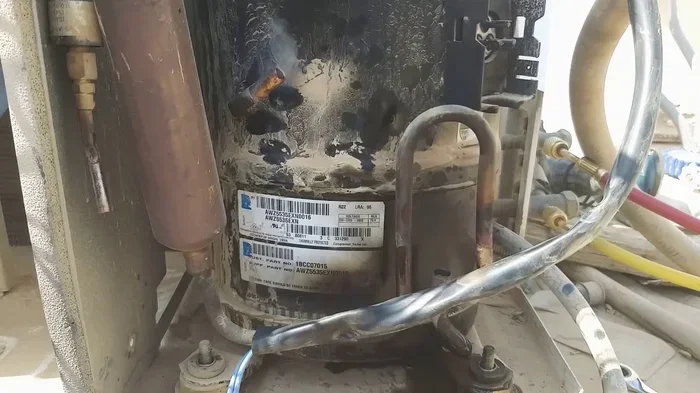
What Causes AC Compressor To Fail And How To Prevent It
AC compressor failure can stem from dirty coils, low refrigerant, electrical issues, and lack of maintenance. Understanding the root causes helps you avoid expensive repairs and keeps your cooling system running smoothly. This guide covers every major failure reason and shares practical prevention tips you can use today.
Your AC compressor is the heart of your entire cooling system. When it stops working, your home turns into a sauna fast. Understanding what causes AC compressor to fail can save you hundreds or even thousands of dollars in repair bills. More importantly, it helps you take action before a small problem becomes a total system breakdown.
Nobody wants to come home on a scorching summer day and find lukewarm air blowing from the vents. Yet this happens to millions of homeowners every year. The good news is that most compressor failures are preventable. With the right knowledge and a little effort, you can keep your AC running strong for many years.
In this article, we will walk through every major cause of AC compressor failure. We will also share practical prevention tips that anyone can follow. Whether you are a seasoned homeowner or renting your first apartment, this guide has something valuable for you.
Key Takeaways
- Dirty condenser coils and clogged filters are among the most common reasons AC compressors fail prematurely.
- Low refrigerant levels caused by leaks force the compressor to work harder and eventually burn out.
- Electrical problems like voltage surges and faulty capacitors can damage compressor motors beyond repair.
- Skipping routine maintenance is the single biggest mistake homeowners make that leads to compressor failure.
- Short cycling and overheating dramatically shorten the lifespan of any AC compressor.
- Early warning signs like warm air, strange noises, and tripping breakers should never be ignored.
- Regular professional inspections can catch small problems before they turn into costly compressor replacements.
📑 Table of Contents
What Is An AC Compressor And Why Does It Matter?
Your AC compressor is the outdoor unit’s engine. It pumps refrigerant through the system, absorbing heat from inside your home and releasing it outside. Without a working compressor, your air conditioner is just a big fan blowing warm air.
Think of the compressor as the engine of your car. If the engine dies, the car does not move no matter how nice the body looks. The same principle applies to your AC system. When the compressor fails, cooling stops completely.
Most AC compressors last between 12 and 15 years with proper care. However, some fail after just 5 or 6 years. The difference usually comes down to maintenance, usage habits, and environmental factors. Let us explore what goes wrong and why.
What Causes AC Compressor To Fail
AC compressor failure rarely happens overnight. It is usually the result of multiple small problems that pile up over time. Here are the most common causes in detail.
Dirty Condenser Coils
The condenser coils sit in your outdoor unit and release heat from your home. Over time, dust, dirt, pollen, and debris build up on these coils. When the coils are dirty, your system cannot release heat efficiently. This forces the compressor to run longer and harder than it should.
Eventually, the extra strain causes the compressor to overheat. Repeated overheating degrades the internal components. What starts as a minor efficiency drop turns into a full breakdown within months.
Quick Tip: Clean your condenser coils at least once a year. Use a garden hose to gently spray away debris from the outdoor unit. Never use a pressure washer, as it can bend the delicate fins.
Low Refrigerant Levels
Refrigerant is the lifeblood of your AC system. It absorbs indoor heat and carries it outside. If your system has a refrigerant leak, the levels drop over time.
When refrigerant is low, the compressor struggles to do its job. It runs hotter and draws more electrical current. This extra strain wears out the motor windings and can cause the compressor to seize up entirely.
Many homeowners do not notice a slow refrigerant leak right away. The cooling gets slightly worse each week. By the time they call a technician, the compressor may already be damaged. This is why regular HVAC checkups matter so much.
Electrical Failures And Power Surges
Electrical issues are one of the leading causes of AC compressor failure. Your system depends on a steady flow of electricity to run the compressor motor. When something goes wrong with the electrical supply, the compressor suffers.
Power surges are especially dangerous. A sudden spike in voltage can burn out the compressor motor windings. This often happens during thunderstorms or when the power grid fluctuates.
Other electrical problems include:
- Faulty capacitors that cannot start the compressor properly.
- Corroded contactors that interrupt the electrical flow.
- Wiring degradation over years of exposure to heat and moisture.
- Voltage imbalances that cause the motor to draw too much current.
One important thing to note: if you use a backup generator during power outages, make sure you know how to plug generator into house safely. Improper generator connections can send voltage spikes back through your HVAC system and damage the compressor.
Blocked Suction Lines And Refrigerant Lines
The suction lines carry refrigerant gas back to the compressor. If these lines become blocked or restricted, the compressor has to work much harder. Blockages can happen from debris, moisture inside the lines, or even manufacturing defects.
When suction lines are restricted, the compressor starts to overheat. The lack of proper refrigerant flow also means the compressor does not get the cooling it needs internally. Over time, this leads to mechanical failure.
You might notice your AC blowing warm air or running constantly but never cooling the house. These are early signs of a refrigerant line problem that needs immediate attention.
Dirty Evaporator Coils And Clogged Air Filters
While the condenser coils sit outside, the evaporator coils work inside your home. They absorb heat from the indoor air. When evaporator coils get dirty, airflow becomes restricted. The entire system loses efficiency.
Clogged air filters make this problem even worse. When air cannot flow freely through the system, the evaporator coil can freeze over. Ice buildup sends cold refrigerant back to the compressor, which is not designed to handle liquid refrigerant in that state. This causes serious internal damage.
Quick Tip: Replace your air filters every 1 to 3 months during heavy use seasons. This simple habit protects your compressor and improves your indoor air quality at the same time.
Short Cycling
Short cycling happens when your AC unit turns on and off too frequently. Instead of running in long, efficient cycles, the system keeps starting and stopping every few minutes.
Every time the compressor starts up, it draws a surge of electrical current. Frequent startups create extra wear on the motor. Over time, this constant stress breaks down the compressor components faster than normal operation would.
Short cycling can be caused by:
- An oversized AC unit for your home.
- A thermostat placed in a bad location.
- Low refrigerant levels.
- A clogged air filter restricting airflow.
If you notice your AC turning on and off rapidly, do not ignore it. Address the root cause quickly to protect your compressor.
Moisture And Refrigerant Acid
Moisture inside the refrigerant system creates sulfuric and hydrochloric acid. This acid corrodes the compressor internals, including the motor windings and bearings. It also degrades the lubricating oil that keeps the compressor running smoothly.
Moisture typically enters the system through leaks, improper installation, or lack of maintenance. Once acid forms, it spreads throughout the system and causes progressive damage that is hard to reverse.
Lack Of Lubrication
Your compressor has many moving parts that need proper lubrication to function. If the oil level drops or the oil becomes contaminated, metal parts grind against each other. This creates friction, heat, and eventually mechanical failure.
Low oil levels usually indicate a leak somewhere in the system. A professional HVAC technician can find and repair the leak while also replenishing the oil.
Excessive Heat And Poor Installation
Compressors do not like extreme heat. If your outdoor unit is installed in a poorly ventilated area, the compressor can overheat during hot days. This is especially common when units are installed too close to walls, fences, or other obstructions.
Improper installation is another major culprit. If the refrigerant charge is not set correctly during installation, the compressor will either work too hard or not get enough refrigerant. Both scenarios lead to premature failure.
Even something as simple as placing the outdoor unit in direct, unshaded sunlight all day can raise the ambient temperature around the compressor and reduce its efficiency.
Warning Signs Your AC Compressor Is Failing
Catching compressor problems early gives you the best chance to fix them affordably. Watch for these warning signs:
- Warm air from vents: If your AC blows warm or lukewarm air, the compressor may not be pumping refrigerant properly.
- Strange noises: Grinding, screeching, or clicking sounds from the outdoor unit often indicate mechanical problems inside the compressor.
- Frequent circuit breaker trips: A struggling compressor draws too much current, which trips the breaker as a safety measure.
- Ice on refrigerant lines: Frozen evaporator coils or suction lines suggest refrigerant flow problems affecting the compressor.
- Longer cooling cycles: If your AC runs for hours but never cools the house, the compressor may be losing capacity.
- Higher energy bills: A failing compressor works harder and uses more electricity, which shows up on your monthly bill.
If you notice any of these signs, call a qualified HVAC technician right away. Delaying repairs almost always makes the problem worse and more expensive.
How To Prevent AC Compressor Failure
The best way to deal with compressor failure is to prevent it from happening in the first place. Here are the most effective strategies.
Schedule Annual Professional Maintenance
Annual tune-ups are the single best investment you can make for your AC system. During a maintenance visit, a technician will:
- Check refrigerant levels and inspect for leaks.
- Clean the condenser and evaporator coils.
- Test electrical components including capacitors and contactors.
- Lubricate moving parts and check oil levels.
- Measure airflow and ensure proper temperature differentials.
A professional maintenance visit typically costs between $100 and $200. Compare that to a compressor replacement, which can run from $1,200 to $2,800 or more including installation. The math is clear.
Keep The Outdoor Unit Clean And Clear
Your outdoor unit needs plenty of airflow to work properly. Keep at least 2 feet of clearance around the unit at all times. Remove leaves, grass clippings, dirt, and any other debris that might accumulate around the condenser.
During fall, fallen leaves are a major culprit. They clog the fins and restrict airflow. Make it a habit to clear the area around your outdoor unit regularly.
Replace Air Filters On Schedule
This is one of the simplest things you can do, yet many homeowners skip it. A clean air filter ensures proper airflow through the entire system. Replace disposable filters every 1 to 3 months. If you have pets or allergies, you may need to replace them even more often.
Consider using high-efficiency filters with a MERV rating between 8 and 11. They trap more particles without significantly restricting airflow.
Install A Surge Protector
Power surges are one of the leading causes of electrical compressor failure. A dedicated HVAC surge protector acts as a shield between your AC system and electrical spikes. These devices are relatively inexpensive and can add years to the life of your compressor.
Some homeowners also use a backup generator during power outages. If you go this route, make sure you understand how to hook generator to house properly. Improper setup can cause more harm than good. You may also want to learn how to install a generator transfer switch for a safer and more convenient power backup solution.
Monitor Your Thermostat And Usage Habits
Set your thermostat to a reasonable temperature during summer. Setting it to 68 degrees when it is 95 outside does not cool your home faster. It just forces the compressor to run continuously without ever reaching the target temperature.
Instead, set the thermostat to 76 or 78 degrees and use ceiling fans to stay comfortable. This reduces the workload on your compressor and saves energy too.
Do Not Ignore Small Problems
Many homeowners wait until something is clearly broken before calling a technician. By then, the damage has often spread. If you notice even subtle changes in cooling performance, unusual sounds, or slightly higher energy bills, get it checked out.
Small issues like a minor refrigerant leak or a failing capacitor can be fixed cheaply. But if you ignore them, they can destroy the compressor entirely.
AC Compressor Repair Versus Replacement
When your compressor fails, you face a tough decision: repair or replace? Here are some factors to consider.
Repair makes sense when:
- The unit is less than 8 years old.
- The repair cost is less than half the cost of replacement.
- The failure is isolated to one component like a capacitor or contactor.
Replacement makes sense when:
- The unit is older than 10 to 12 years.
- The compressor failure is due to internal mechanical damage.
- Multiple components have failed, suggesting systemic problems.
Sometimes the cost of a compressor repair or replacement is so high that it makes more financial sense to replace the entire unit. A new energy-efficient system can save you 20 to 40 percent on cooling costs each year.
If you are considering a new system, you might want to explore what kind of generator do i need for my house. Power reliability plays a role in protecting your new HVAC investment from electrical damage.
How Long Should An AC Compressor Last?
With proper care, a quality AC compressor should last 12 to 15 years. Some well-maintained systems go 20 years or more before the compressor needs replacement.
The key factors that determine compressor lifespan include:
- How regularly you maintain the system.
- The quality of the installation.
- How hard the system works during peak summer months.
- Your local climate and environmental conditions.
- Whether you use surge protection and backup power solutions.
If your compressor fails before the 10-year mark, it usually points to one of the problems we discussed above. Poor maintenance, refrigerant leaks, or electrical issues are the most common culprits.
Cost Of AC Compressor Repair And Replacement
Understanding the cost helps you make informed decisions when problems arise.
| Service | Average Cost Range | Notes |
|---|---|---|
| Compressor Repair | $200 – $800 | Only works for electrical or minor mechanical issues |
| Compressor Replacement | $1,200 – $2,800 | Includes parts and labor for the compressor unit |
| Full AC System Replacement | $4,000 – $10,000 | Recommended for older units with multiple failures |
| Annual Maintenance | $100 – $200 | Best way to prevent costly failures |
As you can see, the cost of prevention is a tiny fraction of the cost of repair or replacement. Investing in regular maintenance pays for itself many times over.
When it comes to the overall cost of owning an HVAC system, remember that other components matter too. For instance, if you are also managing a backup power setup, understanding the cost to install a Generac 22kW generator helps you budget for whole-home protection.
Conclusion
What causes AC compressor to fail? The answer is usually a combination of neglect, environmental factors, and small problems that grow over time. Dirty coils, low refrigerant, electrical issues, short cycling, and poor airflow are the biggest enemies of your compressor.
The good news is that you have the power to prevent most of these problems. Regular maintenance, clean filters, proper usage habits, and surge protection go a long way toward keeping your compressor healthy.
Do not wait until your AC stops cooling to take action. Pay attention to the warning signs, schedule annual professional inspections, and address small issues before they become big expenses. Your compressor works hard every summer to keep you comfortable. Give it the care it deserves, and it will reward you with years of reliable service.
Take a few minutes today to check your air filter and clear debris from your outdoor unit. These two simple actions alone can add years to the life of your AC compressor and save you from unexpected breakdowns when you need cooling the most.
Frequently Asked Questions
Can a failing AC compressor be repaired?
It depends on the type of failure. Electrical issues like a bad capacitor or contactor can usually be repaired affordably. However, if the compressor motor or internal mechanical parts are damaged, a full compressor replacement is typically required. A professional HVAC technician can diagnose the exact problem and recommend the best solution.
How much does it cost to replace an AC compressor?
The average cost ranges from $1,200 to $2,800 including parts and labor. If your unit is older and has other issues, replacing the entire system may be more cost-effective. Always get multiple quotes from licensed HVAC contractors before making a decision.
How do I know if my AC compressor is going bad?
Watch for warning signs like warm air from vents, strange grinding or clicking noises, frequent circuit breaker trips, ice buildup on refrigerant lines, and longer cooling cycles. If you notice any of these symptoms, contact an HVAC professional for a thorough inspection right away.
Does a dirty air filter really cause compressor failure?
Yes, it absolutely can. A clogged filter restricts airflow, which causes the evaporator coil to freeze. When ice melts, liquid refrigerant can flow back to the compressor, which is not designed to handle it. Over time, this causes serious internal damage and eventual compressor failure.
How often should I have my AC compressor maintained?
You should schedule professional HVAC maintenance at least once a year, ideally in early spring before the cooling season starts. Annual tune-ups catch small problems early, keep your system running efficiently, and significantly extend compressor lifespan.
Can a power surge damage my AC compressor?
Yes, power surges are one of the most common causes of electrical compressor failure. A sudden voltage spike can burn out the compressor motor windings. Installing a dedicated HVAC surge protector is an inexpensive way to shield your compressor and other sensitive electrical components from damage.


One Comment