Craftsman Air Compressor Parts and How to Find Them
Craftsman air compressor parts are easy to find when you know your model number and where to look. This guide covers the most common replacement components, trusted sources for purchasing, and step-by-step tips for DIY replacements. Whether you need a pressure switch, gasket, or motor assembly, you will find everything you need right here.
Key Takeaways
- Know your model: Identifying your Craftsman compressor model and part numbers is the first step to finding the right craftsman air compressor parts.
- OEM vs aftermarket: Genuine Craftsman parts offer reliability and warranty protection, but aftermarket options can save money on non-critical components.
- Common parts to stock: Pressure switches, regulator valves, replacement gaskets, and compressor filters are the most frequently replaced components.
- Multiple sources: You can find parts through Sears, online retailers, specialty suppliers, and authorized dealers.
- Maintenance prevents repairs: Regular upkeep like draining the tank and checking filters reduces the need for frequent part replacements.
- Check compatibility: Always verify part numbers and specifications before purchasing to avoid costly returns and compatibility issues.
📑 Table of Contents
- What Are Craftsman Air Compressor Parts?
- How to Identify Your Craftsman Compressor Model
- Where to Find Craftsman Air Compressor Parts
- Most Common Craftsman Air Compressor Parts You Will Need
- How to Replace and Maintain Your Craftsman Compressor
- OEM vs Aftermarket Craftsman Air Compressor Parts
- Conclusion
What Are Craftsman Air Compressor Parts?
Every craftsman air compressor is built from many smaller components working together as a system. When one piece fails, the entire machine can stop producing compressed air. Craftsman air compressor parts include everything from the motor assembly to the smallest gasket inside the pump housing. Understanding what these components do makes troubleshooting and replacement much easier.
Craftsman compressors come in a wide range of sizes and configurations. Some are compact portable units designed for home garages and light-duty tasks. Others are larger stationary models built for professional workshops and industrial use. Regardless of size, all Craftsman compressors share similar core components that may need replacement over time. These include the compressor pump, air tank, motor, and various control valves.
The beauty of knowing your craftsman air compressor parts is that you do not need to be a professional mechanic. Most common replacements are straightforward and require only basic tools. With a little guidance, you can handle repairs yourself and save money on service calls. This guide walks you through everything you need to know about finding and replacing these components.
Common Types of Replacement Parts
The most frequently replaced craftsman air compressor parts fall into several key categories. Each one plays a specific role in the compression process. Pressure switches control when the motor turns on and off based on tank pressure levels. Regulator valves adjust the output pressure so your pneumatic tools receive the correct air supply. Check valves prevent air from flowing back into the pump when the motor is off. Unloader valves release trapped pressure during shutdown cycles.
Other essential components include replacement gaskets, hose fittings, compressor filters, and quick connect couplers. Compressor belts transfer power from the motor to the pump in belt-driven models. The motor assembly itself may need replacement after years of heavy use. Compressor oil also requires periodic changes to keep internal parts lubricated and running smoothly. Knowing which category your needed part belongs to makes shopping much more efficient.
Why Parts Wear Out Over Time
All mechanical components experience wear from regular use. Heat generated during compression cycles, moisture inside the air tank, and constant pressure changes take a toll on craftsman air compressor parts. Moisture can cause rust and corrosion on metal surfaces over time. Frequent use accelerates wear on seals, gaskets, and rubber components like belts and hoses.
Dust and debris from the surrounding environment can clog compressor filters and damage internal pump components. Even the quality of compressor oil degrades over time, reducing its ability to lubricate moving parts effectively. Regular compressor maintenance can slow this wear significantly. But even with the best care habits, some parts will eventually need replacing. Understanding why parts fail helps you prevent premature breakdowns and extend the overall life of your machine.
Quick Tip: Drain your air tank after every use to prevent moisture buildup. This single habit can double the lifespan of internal gaskets and valves.
How to Identify Your Craftsman Compressor Model
Finding the right craftsman air compressor parts starts with knowing your exact model. Craftsman produces dozens of Craftsman compressor models, and parts are not always interchangeable between them. Using the wrong component can cause damage, reduce performance, or void your warranty coverage. Taking a few minutes to identify your machine properly saves time and money in the long run.
Locating the Model Number
The model number is typically stamped on a metal data plate or printed on a label. On most Sears air compressor units, you will find this plate on the side of the tank near the motor housing. For newer Craftsman models, check near the pressure switch or on the back of the unit. Write down the full model number exactly as it appears, including any letter suffixes or codes.
You can also check your original purchase receipt, warranty card, or owner’s manual for the model details. The Sears website has a product lookup tool where you can enter your model number to view specifications and compatible parts. This is the fastest and most reliable way to confirm compatibility before placing any order for craftsman air compressor parts.
Understanding Part Numbers
Every individual component has its own unique part number printed directly on the part itself. These numbers are also listed in the owner’s manual under the parts diagram section. When searching for craftsman air compressor parts, always use the specific part number rather than relying only on the model number. This ensures you get the exact component designed for your machine.
Some parts share similar-looking designs across different Craftsman compressor models. Cross-referencing the part number eliminates guesswork and prevents costly returns. Keep a small notebook or a note on your phone with your model number and key part numbers. This reference list becomes invaluable every time you need a replacement. For portable air compressor owners, this habit is especially helpful since these units often get moved around and used in different environments.
Where to Find Craftsman Air Compressor Parts
Once you know exactly what you need, the next step is finding a trustworthy source. Craftsman air compressor parts are available through several different channels, and each has its own advantages. Let us walk through the best options so you can choose the one that fits your needs and budget.
Buying from Sears and Authorized Dealers
The most direct source for genuine craftsman air compressor parts is Sears itself. Sears sells both current and discontinued parts through their website and select physical store locations. Authorized dealers also carry OEM Craftsman components and can provide expert guidance on compatibility and installation.
Buying OEM parts means you receive the exact quality and specifications as the original factory component. This is especially important for safety-critical parts like pressure switches, regulator valves, and motor assemblies. Sears honors warranty claims on genuine Craftsman parts, giving you added confidence in your purchase. If your compressor is still under warranty, always check with Sears before buying replacement parts to avoid voiding coverage.
Online Marketplaces and Retailers
Major online retailers like Amazon, Home Depot, and Lowe’s carry a broad selection of craftsman air compressor parts. These platforms often feature competitive pricing, fast shipping options, and customer review systems that help you evaluate part quality before buying. You can compare prices across multiple sellers and read real user experiences to make informed decisions.
However, exercise caution when purchasing through third-party sellers on these platforms. Counterfeit or incompatible parts can sometimes slip through, especially from unfamiliar sellers. Always verify the seller’s reputation, check return policies, and confirm the part number matches your needs. Sticking with reputable, well-reviewed retailers reduces the risk of receiving poor-quality or incorrect craftsman air compressor parts.
Specialty Compressor Parts Suppliers
Specialty suppliers focus exclusively on compressor components and accessories. They often carry hard-to-find parts for older Craftsman models that Sears no longer stocks in their inventory. These suppliers also offer aftermarket alternatives that match or sometimes exceed OEM specifications for certain components.
Some well-known specialty suppliers include CompressorParts.com, RECH Tools, and Norgren. These retailers employ technical experts who can help you identify the correct craftsman air compressor parts for your specific model. Their customer support teams can walk you through compatibility checks and installation advice. For owners of older or discontinued Sears air compressor units, specialty suppliers are often the only reliable source for replacement components.
Expert Insight: When searching for parts on discontinued Craftsman models, contact specialty suppliers directly with your model number. Their technical teams can often locate compatible parts even when Sears has stopped carrying them.
Most Common Craftsman Air Compressor Parts You Will Need
Over the life of any craftsman air compressor, certain components will need attention more frequently than others. Understanding these common parts helps you stay prepared and avoid unexpected downtime in your workshop. Here is a detailed look at the components you will most likely need to replace.
Pressure Switch and Regulator Valve
The pressure switch acts as the brain of your compressor. It monitors tank pressure and signals the motor to start or stop at the correct pressure levels. When a pressure switch fails, your compressor may run continuously without shutting off, or it may fail to start at all. Craftsman air compressor parts for pressure switches are widely available and relatively affordable compared to other components.
The regulator valve sits between the tank output and your pneumatic tools. It controls the delivery pressure so each tool receives the correct air supply for optimal performance. A faulty regulator can deliver inconsistent pressure, which damages sensitive tools or reduces their effectiveness. Replacing both the pressure switch and regulator valve is one of the most common maintenance tasks for craftsman air compressor parts owners.
Pump Components and Gaskets
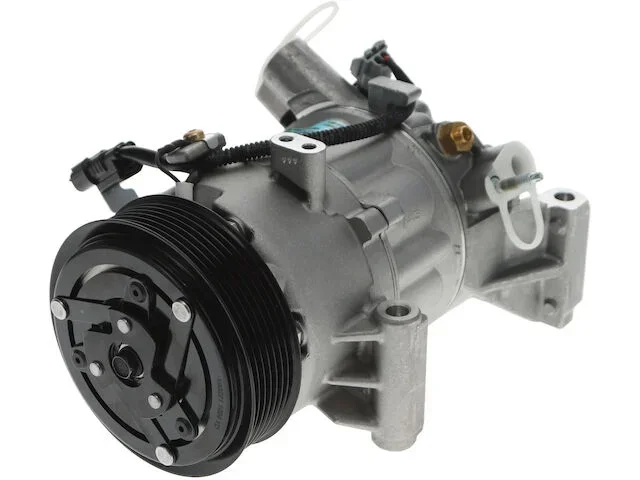
The pump is the heart of your compressor system. Inside the pump housing, replacement gaskets and seals prevent compressed air from leaking out during operation. Over time, these gaskets harden, crack, and lose their seal integrity. Common pump-related craftsman air compressor parts include gasket kits, piston rings, and valve plates.
The most common sign of worn pump components is a compressor that takes longer than usual to build pressure. If you notice your compressor motor running constantly without reaching the cut-off pressure, worn gaskets are likely the culprit. A simple gasket kit replacement can often restore full performance without needing to replace the entire pump assembly. This is one of the most satisfying DIY repairs you can perform on your craftsman air compressor parts.
Motors and Belts
The motor provides the power that drives the pump and produces compressed air. Craftsman air compressor parts for motors include the motor assembly itself, the start capacitor, and the thermal overload switch. Belt-driven models also require periodic belt replacement as the rubber degrades from heat and friction over time.
Motor failure can result from overheating, electrical issues, or a worn drive belt that places excess strain on the motor. Regularly inspecting belt tension and motor condition goes a long way toward preventing unexpected breakdowns. Always match replacement motor specifications to your specific model’s horsepower rating and voltage requirements. Using the wrong motor can cause performance issues or create safety hazards.
Hoses, Fittings, and Filters
The air delivery system includes hoses, hose fittings, and quick connect couplers that connect your compressor to your tools. These components can loosen, corrode, or develop cracks over time, leading to air leaks and pressure loss. Compressor filters trap moisture, dust, and debris before they reach your pneumatic tools and the compressor pump itself.
Replacing hoses, fittings, and filters is one of the easiest maintenance tasks you can perform. Inspect your hoses regularly for visible cracks, bulges, or wear marks. Clean or replace compressor filters according to the manufacturer’s recommended schedule. Keeping the delivery system clean and leak-free ensures your tools receive consistent, clean air supply for the best performance.
Common Mistake: Many users ignore small air leaks at hose fittings. A tiny leak wastes energy, forces the compressor to cycle more frequently, and gradually shortens the lifespan of the motor and other internal components.
How to Replace and Maintain Your Craftsman Compressor
Replacing craftsman air compressor parts does not have to be intimidating or complicated. Most common replacements are straightforward and require only basic hand tools. With the right approach and a little patience, you can handle these repairs yourself and keep your compressor running at peak performance for years.
Safety Tips Before You Start
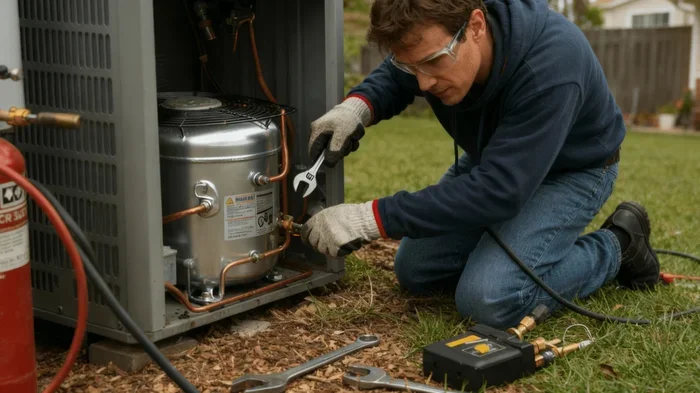
Safety must always come first when working with compressed air systems and electrical equipment. Before replacing any craftsman air compressor parts, disconnect the power supply completely and release all remaining pressure from the air tank. Wear safety glasses and work gloves to protect your eyes and hands from debris, sharp edges, and residual pressure.
Work in a clean, well-ventilated area and keep flammable materials away from the compressor during repairs. If you are unsure about any step in the replacement process, consult the owner’s manual or contact a qualified technician. Taking shortcuts or skipping safety precautions can lead to serious injury or permanent equipment damage. Always treat your compressor with the respect its power demands.
Step-by-Step Replacement Guide
Follow this simple approach when replacing common craftsman air compressor parts:
- Identify the faulty part and confirm its exact part number from the manual or the part itself.
- Purchase the correct replacement from a trusted and verified source.
- Disconnect the power supply and release all pressure from the tank completely.
- Remove the old part carefully using the appropriate tools for your model.
- Clean the surrounding area thoroughly to remove debris, old sealant, and residue.
- Install the new part, following the manufacturer’s instructions precisely.
- Reconnect the power supply and test the compressor at low pressure first.
- Check for air leaks and verify proper operation before returning to full use.
Following these steps carefully ensures a safe and successful replacement every time. Take your time with each step and do not rush the process. Proper installation prevents future problems and extends the useful life of your new craftsman air compressor parts. Keep your owner’s manual nearby throughout the process for reference on torque specifications and installation sequences.
OEM vs Aftermarket Craftsman Air Compressor Parts
When shopping for replacement components, you will encounter both OEM and aftermarket options. Understanding the differences between these two categories helps you make smart purchasing decisions for every repair.
OEM parts are manufactured by Craftsman or their authorized component suppliers. These parts meet the exact original specifications for fit, form, and function. OEM components offer the best reliability, consistent quality, and guaranteed compatibility with your specific Craftsman model. Purchasing OEM parts also preserves your warranty coverage and gives you full manufacturer support if issues arise.
Aftermarket parts are produced by third-party manufacturers who create compatible replacements. These parts are typically more affordable and widely available across many retailers. Quality varies between aftermarket brands, but reputable manufacturers offer parts that meet or exceed OEM standards for many components. Aftermarket options work well for routine maintenance items like filters, gaskets, hoses, and fittings.
| Feature | OEM Parts | Aftermarket Parts |
|---|---|---|
| Price Range | Higher cost | Lower to moderate cost |
| Compatibility | Guaranteed fit | Varies by manufacturer |
| Warranty Coverage | Full manufacturer warranty | Limited or no warranty |
| Availability | Model-specific | Wide selection across models |
| Quality Consistency | Uniform and reliable | Varies by supplier brand |
| Best Use Case | Safety-critical components | Routine maintenance and consumables |
For critical components like pressure switches, regulator valves, and motor assemblies, OEM parts are the safer and more reliable choice. For consumable items like filters, gaskets, hoses, and quick connect couplers, quality aftermarket parts offer excellent value without compromising performance. Always read reviews and verify specifications before purchasing any aftermarket craftsman air compressor parts. The right choice depends on the part type, your budget, and how critical the component is to safe operation.
Conclusion
Knowing where to find and how to use craftsman air compressor parts gives you the power to maintain your compressor without depending on expensive service calls. From identifying your exact model to choosing between OEM and aftermarket options, this guide covers the complete picture. Regular maintenance and timely part replacements save you money, prevent frustrating downtime, and extend the useful life of your equipment.
Start by locating your model number and identifying the specific parts you need. Use the trusted sources and practical tips outlined in this article to find the right components quickly and confidently. With the proper craftsman air compressor parts in hand and a little hands-on effort, your compressor will keep delivering reliable, consistent power for every project. Take charge of your compressor’s health today and enjoy the satisfaction of a well-maintained machine that works hard for you.
Frequently Asked Questions
How do I find the right Craftsman air compressor parts for my specific model?
Locate the model number on the data plate near the motor or tank. Use that number to search on the Sears website or contact a specialty supplier with your model details. Always match the specific part number for the component you need rather than relying on the model number alone.
Can I use aftermarket parts on my Craftsman compressor without voiding the warranty?
It depends on your warranty terms and the part you are replacing. For safety-critical components like pressure switches and motors, OEM parts are recommended to maintain warranty coverage. For consumable items like filters and gaskets, quality aftermarket parts are generally acceptable. Check your warranty documentation or contact Sears directly for clarification.
How often should I replace common Craftsman air compressor parts?
Replacement frequency depends on how often you use your compressor and the operating conditions. Filters and gaskets typically need replacement every 6 to 12 months with regular use. Belts, pressure switches, and regulator valves may last several years with proper maintenance. Refer to your owner’s manual for the manufacturer’s recommended maintenance schedule.
Are Craftsman air compressor parts still available for older or discontinued models?
Yes, many older Craftsman compressor parts are still available through specialty suppliers and online marketplaces. Sears may no longer stock discontinued parts, but third-party suppliers and aftermarket manufacturers often carry compatible alternatives. Contact specialty compressor parts retailers with your model number for the best results.
What basic tools do I need to replace Craftsman air compressor parts myself?
Most replacements require only basic hand tools like wrenches, screwdrivers, pliers, and a torque wrench. You may also need a pressure gauge to test system pressure after installation. Always disconnect power and release tank pressure before beginning any replacement work for safety.
Does Sears offer a warranty on replacement Craftsman air compressor parts?
Genuine OEM Craftsman parts purchased through Sears typically come with a manufacturer’s warranty. The warranty period varies depending on the part type and your purchase date. Aftermarket parts carry their own warranty terms set by the manufacturer, so always check the return and warranty policy before buying from any retailer.