A Complete Guide to Compressor Parts and How They Work
This guide covers every essential compressor part you need to know. You will learn how each component works, what signs of wear look like, and simple tips to keep your system running strong. Whether you own a small air compressor or manage a big industrial setup, this article breaks down the compressor parts in plain language you can actually use.
Every air compressor is made up of many smaller pieces working together. Some parts spin. Some pump. Some regulate pressure. But when just one compressor part fails, the whole system can grind to a halt. That is why knowing your way around the key compressor parts is so valuable.
Whether you are a DIYer using a small compressor tank in your garage or a shop owner running a heavy-duty compressor pump all day, this guide is for you. We will walk through every major compressor component, explain what it does, and share practical tips to keep everything in top shape. No confusing jargon. Just clear, useful information you can put to work right away.
Key Takeaways
- Know Your System: Understanding each compressor part helps you troubleshoot problems faster and make smarter buying decisions.
- Prevention Saves Money: Regular compressor maintenance of key components like piston rings, valve plates, and intake filters extends machine life dramatically.
- Match Parts to Your Compressor Type: Different air compressor models use different compressor components, so always verify compatibility before purchasing.
- Safety Matters: Parts like the pressure switch and safety valve protect both you and your equipment from dangerous overpressure situations.
- Spot Wear Early: Learning the warning signs of failing compressor components prevents costly breakdowns and downtime.
- Quality Replacement Parts Count: Using genuine or high-quality aftermarket compressor parts ensures reliable performance and avoids premature failure.
📑 Table of Contents
- What Makes Up a Compressor?
- The Heart of the System: Compressor Pump and Motor
- Valves and Plates: The Airflow Controllers
- Pressure Controls and Safety Devices
- Filtration and Air Treatment Components
- Essential Compressor Tank and External Parts
- Comparing Key Compressor Parts: What to Watch
- Common Mistakes to Avoid with Compressor Parts
- How to Choose the Right Replacement Compressor Parts
- Final Thoughts on Compressor Parts and Maintenance
What Makes Up a Compressor?
A compressor might look like one big machine, but it is really a team of compressor parts working together. Each part has a specific job. Some compress air. Some move it. Some control how much pressure builds up. When you understand this teamwork, fixing problems and making smart upgrades becomes much easier.
The Big Picture: How Air Compression Works
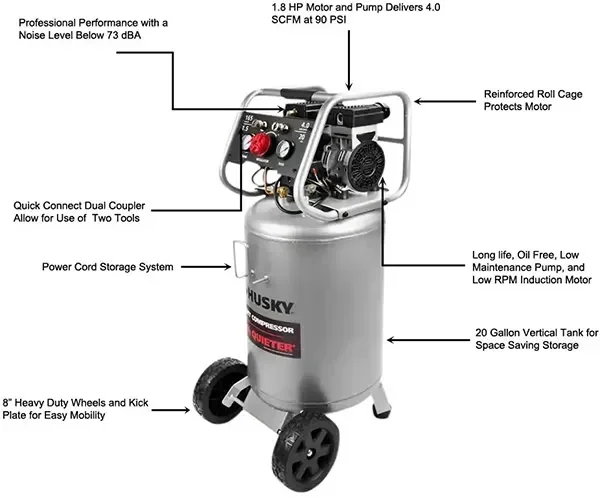
At its core, a compressor parts system draws in outside air, squeezes it into a smaller space, and stores it in a compressor tank. Think of it like pumping up a bicycle tire, just on a much bigger scale. The compressor motor provides the power. The compressor pump does the actual squeezing. And various compressor components control and direct the air.
Different types of compressors use different methods. A reciprocating compressor uses pistons. A rotary screw compressor uses two spinning rotors. But no matter the type, the basic compressor parts share common functions. They intake air, compress it, cool it, and deliver it at the right pressure.
The Heart of the System: Compressor Pump and Motor
The compressor pump and compressor motor are the two parts that do the heavy lifting. Without them, nothing else matters. Let us break down what each one does and how to keep them running strong.
Understanding the Compressor Pump
The compressor pump is where the magic happens. It is the part that actually takes in air and squeezes it down. Inside the pump, you will find several critical compressor parts working in sequence:
- Piston: Moves up and down inside the cylinder to compress air.
- Cylinder Head: Sits on top of the cylinder and houses the valves.
- Connecting Rod: Connects the piston to the crankshaft, transferring motion.
- Crankcase: The housing that holds the crankshaft and provides lubrication.
- Flywheel: Helps maintain momentum and smooths out the motor’s power delivery.
Over time, these compressor components wear down. Piston rings get thin. Cylinder walls get scratched. That is why regular compressor maintenance of the pump is so important. A well-maintained pump can last for thousands of hours, while a neglected one may fail after just a few hundred.
The Role of the Compressor Motor
The compressor motor is the engine behind everything. It powers the pump and keeps the whole system running. Most home and small shop compressors use electric motors. Larger industrial setups often use gas engines.
Motor compressor parts to watch include the windings, bearings, and start capacitor. If the motor overheats or makes grinding noises, it is a clear sign something needs attention. Keeping the motor clean and ensuring proper ventilation around it are simple steps that pay off big time.
Valves and Plates: The Airflow Controllers
Air needs to flow in one direction through your air compressor. That is the job of the valves and valve plates. These small but mighty compressor parts make sure air enters the pump, gets compressed, and then moves into the tank without flowing backward.
Intake and Discharge Valves
Every pump has two main valves. The intake valve lets air in when the piston drops. The discharge valve pushes compressed air into the compressor tank when the piston rises. Both valves open and close rapidly with each stroke, and they take a beating over time.
Signs of worn valve compressor parts include:
- Reduced pressure output from the air compressor.
- Unusual hissing sounds coming from the pump area.
- The compressor running longer than usual to reach cut-in pressure.
- Warm air coming from the intake instead of cool air.
If you notice any of these symptoms, inspect the valve plate and replace any damaged parts right away. Waiting too long can cause the compressor pump to work harder and wear out faster.
Valve Plate Maintenance
The valve plate itself is a thin metal or composite piece with holes for each valve. Debris, carbon buildup, or even a single crack can ruin its seal. Cleaning the valve plate during routine compressor maintenance is a quick job that prevents bigger problems down the road.
Pressure Controls and Safety Devices
Your air compressor would be dangerous without proper controls. These compressor parts regulate pressure and protect both the machine and the people using it.
The Pressure Switch
The pressure switch is the brain of the compressor tank system. It tells the motor when to start and when to stop based on the pressure reading. When tank pressure drops to the cut-in level, the switch triggers the motor to kick on. When pressure reaches the cut-out level, it shuts the motor off.
Pressure switch compressor parts include the contacts, springs, and adjustment screws. Over time, contacts can pit or corrode. Springs can lose tension. When that happens, your compressor may short-cycle (turn on and off too frequently), which strains the motor and wastes energy.
The Unloader Valve
The unloader valve is a small but important piece. When the compressor shuts off, this valve releases the trapped pressure from the pump head. This makes it much easier for the motor to start the next cycle. A stuck unloader valve is one of the most common reasons a compressor motor struggles to start.
Safety Valves and Pressure Gauges
Every air compressor should have a safety valve, also called a relief valve. This valve automatically releases air if pressure exceeds safe limits. It is your last line of defense against a dangerous overpressure event.
The pressure gauge lets you monitor tank pressure at a glance. Both the safety valve and gauge are non-negotiable compressor parts. Never disable or ignore them. If your safety valve leaks or the gauge reads inaccurately, replace it immediately.
Filtration and Air Treatment Components
Clean air is just as important as compressed air. Several compressor parts work behind the scenes to remove moisture, oil, and contaminants from the output. These compressor components protect your tools, your finished work, and your equipment.
The Intake Filter
The intake filter sits at the air entry point of your air compressor. It blocks dust, dirt, and debris from entering the pump. A clogged intake filter forces the compressor pump to work harder, reducing efficiency and increasing wear on internal compressor parts.
Check your intake filter regularly and replace it when it looks dirty. In dusty environments, you may need to inspect it weekly. This is one of the easiest and most impactful compressor maintenance tasks you can do.
The Oil Separator
In oil-lubricated compressors, the oil separator catches oil mist before it exits the tank. Clean output air should contain almost no oil. A failing oil separator means oil is getting into your air lines, which can ruin pneumatic tools and contaminate your work.
Key compressor parts in the oil separation system include:
- Oil separator element: The filter that captures oil particles.
- Oil return tube: Carries separated oil back to the crankcase.
- Minimum pressure valve: Ensures enough pressure exists for proper oil separation.
The Aftercooler and Moisture Trap
Compressed air gets hot, and hot air holds moisture. Aftercoolers and moisture traps cool the air and remove condensation before it reaches your tools. These compressor components are often overlooked but play a big role in system longevity.
Essential Compressor Tank and External Parts
The compressor tank stores compressed air for use when needed. But the tank is not the only external part worth understanding. Several other compressor parts on the outside of the machine deserve your attention.
The Compressor Tank
The tank does more than just hold air. It smooths out pressure fluctuations and gives the motor longer rest periods between cycles. Over time, tanks can develop rust from the inside out. This is why draining moisture from the tank after every use is a critical compressor maintenance habit.
Most tanks have a drain valve at the bottom. Open it after each use to release accumulated moisture. In humid environments, consider installing an automatic drain valve to make this step effortless.
Hoses, Fittings, and Couplers
The air hose, fittings, and quick-connect couplers are the bridge between your air compressor and your tools. Leaky hoses waste compressed air and force the compressor to run longer. Check all connections for tightness and replace any cracked or damaged hoses promptly.
Using the right size hose matters too. An undersized hose creates pressure drops that reduce tool performance. Always match your hose diameter to the airflow requirements of your most demanding tool.
The Pressure Gauge and Regulator
The tank pressure gauge shows how much air is stored in the compressor tank. The regulator controls how much pressure reaches your tool. These two compressor parts work together to deliver consistent, safe air pressure for every job.
If your regulator feels loose or the readings seem inaccurate, have it checked or replaced. A faulty regulator can deliver too much or too little pressure, which affects both tool performance and safety.
Comparing Key Compressor Parts: What to Watch
Not all compressor parts wear at the same rate. Some need attention every few months, while others last for years. Here is a quick comparison of the most important compressor components and what to expect from them.
| Compressor Part | Typical Lifespan | Maintenance Frequency | Common Failure Signs |
|---|---|---|---|
| Intake Filter | 6-12 months | Monthly inspection | Reduced airflow, visible dirt buildup |
| Valve Plate | 1-3 years | Every 6 months | Loss of pressure, hissing noise |
| Piston Rings | 2-5 years | Annually | Oil consumption, low pressure |
| Pressure Switch | 3-7 years | Every 6 months | Short cycling, failure to start |
| Safety Valve | 5+ years | Monthly test | Leaking, failure to release pressure |
| Oil Separator | 2-4 years | Annually | Oil in output air, pressure drop |
| Compressor Tank | 10+ years | Drain after each use | Rust, corrosion, leaks |
This table gives you a general roadmap for compressor maintenance. Your actual results will vary based on usage hours, environment, and the quality of the compressor parts you install.
Common Mistakes to Avoid with Compressor Parts
Even experienced users make mistakes with their compressor parts. Here are some common errors and how to avoid them:
- Ignoring small leaks. A tiny leak in a hose or fitting might seem harmless, but it forces the compressor pump to run more often, increasing wear and energy costs.
- Using the wrong replacement parts. Not all compressor components are universal. Always verify compatibility with your specific air compressor model before purchasing.
- Skipping regular oil changes. In oil-lubricated systems, old oil breaks down and loses its ability to lubricate internal compressor parts. This leads to premature wear and overheating.
- Neglecting the intake filter. A dirty filter starves the pump of air, reducing efficiency and putting extra strain on the compressor motor.
- Overfilling the tank. Always let the pressure switch do its job. Overfilling can stress the tank, valves, and other compressor parts beyond safe limits.
How to Choose the Right Replacement Compressor Parts
When a compressor part needs replacing, the choices can feel overwhelming. OEM (original equipment manufacturer) parts, aftermarket parts, and rebuilt parts all have their place. Here is what to keep in mind:
- OEM parts are made by the original manufacturer and offer the best fit and reliability.
- Aftermarket parts from reputable brands can be more affordable and still deliver excellent performance.
- Rebuilt parts can save money but should come with a warranty and clear quality assurance.
Always keep a small inventory of common compressor parts like intake filters, valve gaskets, and drain valve seals. Having these on hand means you can fix small problems immediately instead of waiting for shipping and dealing with downtime.
Final Thoughts on Compressor Parts and Maintenance
Understanding your compressor parts is one of the best investments you can make as an air compressor owner. Every compressor component plays a role in delivering clean, pressurized air reliably and safely. From the compressor pump and motor to the smallest intake filter, each piece matters.
Regular compressor maintenance does not need to be complicated. A few minutes of inspection and cleaning each week can prevent expensive repairs and extend the life of your entire system. Keep an eye on your pressure switch, check your valve plates, drain your tank, and replace worn parts promptly.
When you treat your compressor parts with care, they treat you back with consistent performance and years of reliable service. You will save money, avoid unexpected breakdowns, and get more done with every press of the trigger.
Now that you know how each compressor part works and what to watch for, you are better equipped to handle maintenance, troubleshooting, and upgrades with confidence. Your air compressor will thank you for it.
Frequently Asked Questions
What are the most important compressor parts to maintain regularly?
The intake filter, valve plate, pressure switch, and safety valve are the top compressor parts to check on a regular schedule. These components directly affect performance, safety, and the lifespan of your air compressor. A simple weekly inspection of these parts can prevent most common problems.
How do I know when a compressor part needs to be replaced?
Watch for signs like loss of pressure, unusual noises, leaking air, or the compressor running longer than usual to reach cut-in pressure. These symptoms often point to worn compressor components such as piston rings, valve plates, or gaskets. Catching these signs early saves you from more expensive damage.
Can I use aftermarket compressor parts instead of OEM parts?
Yes, in most cases. Aftermarket compressor parts from reputable manufacturers can work just as well as OEM parts and often cost less. The key is to verify compatibility with your specific air compressor model and choose a trusted brand. Avoid the cheapest options, as they may compromise quality and safety.
What is the role of the unloader valve in a compressor?
The unloader valve releases trapped air from the pump head when the compressor shuts off. This makes it much easier for the compressor motor to start the next cycle. Without a working unloader valve, your compressor may struggle to start or may put unnecessary strain on the motor.
How often should I drain my compressor tank?
You should drain your compressor tank after every use, or at minimum once a day if you use the compressor daily. Moisture buildup inside the tank causes rust, weakens the tank walls, and can contaminate your output air. This is one of the simplest yet most impactful compressor maintenance habits you can build.
What happens if I ignore a leaking compressor part?
A small leak might seem minor, but it forces the compressor pump to work harder and run longer cycles. Over time, this wastes energy, increases wear on the compressor motor, and can lead to premature failure of other compressor parts. Fixing leaks promptly saves money and keeps your system running efficiently.
=== CONCLUSION ===
Knowing your compressor parts is power. It helps you troubleshoot faster, maintain better, and make smarter buying decisions. Every compressor component from the pump to the pressure switch plays a vital role in keeping your air compressor running smoothly and safely.
Stick with the maintenance tips and advice shared in this guide, and your compressor parts will reward you with reliable performance for years to come. Take care of your equipment, and it will take care of you.