How Long Should An AC Compressor Last And How Often
An AC compressor should last 15 to 20 years with proper care, but many factors can shorten or extend that timeline. Regular maintenance, clean filters, and prompt repairs keep your air conditioning compressor running strong. Knowing the warning signs of compressor failure helps you avoid costly emergency replacements.
Your air conditioner works hard every summer to keep your home cool and comfortable. At the heart of that system is the AC compressor, and it does the heaviest lifting. But like any hardworking machine, it won’t last forever. So how long should an AC compressor last, and what can you do to get the most out of it?
This guide covers everything you need to know about AC compressor lifespan. We’ll look at average lifespans, what speeds up wear, how to spot trouble early, and when it makes sense to replace versus repair. Whether you own a central air conditioner or a newer ductless cooling system, this article has practical advice you can use today.
Many homeowners don’t think about their compressor until something goes wrong. By that point, repair costs can be steep. Understanding how long your air conditioning compressor should last helps you plan ahead and avoid surprises. Let’s dive in.
Key Takeaways
- Average Lifespan: A well-maintained AC compressor typically lasts 15 to 20 years.
- Maintenance Matters: Regular cleaning, filter changes, and professional tune-ups significantly extend compressor life.
- Replacement Costs: Expect to pay between $1,350 and $2,500 for a compressor replacement, depending on your unit.
- Warning Signs: Warm air, strange noises, frequent cycling, and refrigerant leaks signal trouble.
- Age Is Key: Units over 15 years old may be better served by full system replacement.
- Climate Impact: Hot, humid climates put extra strain on compressors, reducing lifespan.
- Professional Help: Always hire a licensed HVAC technician for diagnosis and repair.
📑 Table of Contents
- How Long Should An AC Compressor Last?
- What Causes AC Compressor Failure?
- How to Extend Your AC Compressor Lifespan
- How Much Does It Cost to Replace an AC Compressor?
- How to Tell If Your AC Compressor Is Failing
- When Should You Replace Your AC Compressor?
- Expert Insights on AC Compressor Longevity
- Common Mistakes That Shorten Compressor Life
- Final Thoughts
How Long Should An AC Compressor Last?
The short answer is 15 to 20 years for most residential units. But that number varies a lot depending on how well you maintain your system and what kind of climate you live in. Some compressors fail after just 10 years. Others keep running strong past the 20-year mark.
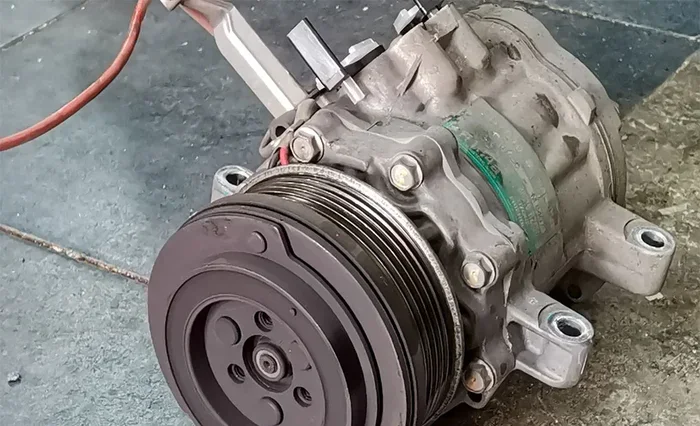
The compressor motor is the part that circulates refrigerant through your cooling system. It’s essentially the engine of your air conditioner. When it wears out, the whole system stops cooling effectively. That’s why the compressor is often called the “heart” of your HVAC unit.
Here’s a quick look at what affects how long your compressor will run:
- Unit Age: Older systems naturally have shorter remaining lifespans.
- Maintenance Habits: Regular upkeep adds years to compressor life.
- Climate Conditions: Extreme heat and humidity increase wear.
- Usage Patterns: Systems that run constantly wear out faster.
- Installation Quality: Poor installation can cause premature failure.
- Refrigerant Levels: Low refrigerant puts extra stress on the compressor.
What’s the Average Lifespan by Unit Type?
Different types of cooling systems have different compressor lifespans. Here’s a general breakdown:
- Central Air Conditioners: 15 to 20 years
- Ductless Mini-Split Systems: 15 to 22 years
- Heat Pumps: 15 to 20 years
- Window Units: 8 to 12 years
- Portable AC Units: 8 to 10 years
As you can see, central systems and mini-splits tend to last the longest. Window units and portable ACs have shorter lives because they’re smaller and often run in tougher conditions. If you’re wondering how long a portable generator might run continuously to power a window unit during an outage, that’s a different question entirely — but it shows how different cooling and power systems have their own unique lifespans.
What Causes AC Compressor Failure?
Understanding the root causes of compressor failure helps you prevent problems. Most compressor issues come down to a handful of common culprits. Let’s break them down.
Lack of Regular Maintenance
This is the number one killer of AC compressors. When you skip annual HVAC maintenance, dirt builds up on the condenser coil and evaporator coil. That layer of grime forces the compressor to work harder. Over time, that extra strain causes overheating and eventual failure.
Think of it like driving a car without ever changing the oil. It might run fine for a while, but eventually, something gives. Regular AC maintenance includes cleaning coils, checking refrigerant levels, and inspecting electrical connections.
Dirty or Clogged Filters
A clogged air filter restricts airflow. When airflow drops, the compressor has to push harder to cool your home. This extra work raises internal temperatures and accelerates wear. Most experts recommend changing your filter every 30 to 90 days during heavy use seasons.
Refrigerant Leaks
Refrigerant is the lifeblood of your cooling system. When there’s a leak, the compressor has to work with less refrigerant than it needs. This causes the compressor to overheat and eventually burn out. Low refrigerant is one of the most common reasons compressors fail early.
Electrical Problems
Power surges, faulty wiring, and degraded capacitors can all damage the compressor motor. Electrical issues are especially common in older homes with outdated wiring. A surge protector or whole-house surge suppressor can help protect your HVAC system from electrical damage.
Dirty Condenser Coils
The outdoor condenser unit sits exposed to the elements. Dirt, leaves, pollen, and debris accumulate on the coils over time. When the coils can’t release heat properly, the compressor runs longer and hotter. This is a very common cause of premature compressor wear.
How to Extend Your AC Compressor Lifespan
The good news is that you have more control over your compressor’s lifespan than you might think. A few simple habits can add years to your air conditioning compressor. Here’s what to do.
Schedule Annual Professional Tune-Ups
A licensed HVAC technician will inspect your entire system, clean key components, check refrigerant levels, and spot small problems before they become big ones. Think of a tune-up like a health checkup for your cooling system. Most professionals recommend scheduling one every spring before the cooling season begins.
Keep the Outdoor Unit Clean
Make sure there’s at least two feet of clearance around your outdoor condenser unit. Trim bushes, remove debris, and wash the coils gently with a garden hose once or twice a year. Keeping the unit clean helps it breathe and reduces strain on the compressor.
Change Your Filters Regularly
This is one of the easiest and most impactful things you can do. A clean filter allows proper airflow, which means the compressor doesn’t have to work as hard. Set a reminder on your phone to check your filter monthly during summer and replace it when it looks dirty.
Use a Smart Thermostat
A programmable or smart thermostat helps your system run more efficiently. Instead of running the compressor at full blast all day, you can set it to cycle on and off at optimal intervals. This reduces wear and tear over time and can also lower your energy bills.
Address Strange Sounds Quickly
Grinding, squealing, or clanking noises from your outdoor unit are never good signs. These sounds often indicate mechanical problems that, if ignored, can damage the compressor. Call a professional as soon as you notice unusual noises.
Ensure Proper Refrigerant Levels
Your system should never need a “top-off” of refrigerant under normal conditions. If your refrigerant is low, there’s a leak somewhere that needs to be fixed. Running a compressor with low refrigerant is like running an engine without enough oil.
How Much Does It Cost to Replace an AC Compressor?
Compressor replacement is one of the more expensive AC repairs. The cost depends on several factors, including your unit’s size, brand, and age. On average, homeowners pay between $1,350 and $2,500 for a compressor replacement.
Here’s a rough cost breakdown:
- Compressor Part Only: $400 to $1,200
- Labor Costs: $500 to $1,300
- Total Replacement: $1,350 to $2,500
If your unit is still under warranty, you might pay little to nothing out of pocket. Many manufacturers offer 10-year compressor warranties on newer units. Always check your warranty status before scheduling a replacement.
Here’s an important consideration: if your unit is more than 15 years old, replacing just the compressor might not be the best financial move. You could end up paying $2,000 or more on a compressor for a system that’s already nearing the end of its overall life. In those cases, replacing the entire unit often makes more sense. The cost of a new whole-home cooling system varies widely, but modern units are far more energy-efficient than older models.
Some homeowners also consider using a portable generator as a temporary backup during extended AC repairs. If you’re curious about how much it costs to power a home with a generator during a repair, the fuel consumption costs can vary based on the generator size and runtime.
How to Tell If Your AC Compressor Is Failing
Catching compressor problems early can save you thousands of dollars. Here are the most common signs that your air conditioner compressor is on its way out.
Warm Air From Vents
This is the most obvious sign. If your AC is running but blowing warm or lukewarm air, the compressor may not be pumping refrigerant properly. This could also indicate a refrigerant leak, so don’t ignore it.
Strange Noises
Grinding, clicking, or banging sounds coming from the outdoor unit often point to compressor trouble. A healthy compressor runs relatively quietly. Any loud or unusual noise deserves immediate attention.
Frequent On-and-Off Cycling
If your system is short-cycling — turning on and off more often than normal — the compressor may be struggling. Short cycling puts extra stress on the compressor motor and accelerates wear.
Ice Buildup on the Unit
Ice forming on the refrigerant lines or outdoor unit often signals low refrigerant or poor airflow. Both conditions force the compressor to work harder than it should, which can lead to overheating and failure.
Rising Energy Bills
A failing compressor loses efficiency. If your energy bills have crept up significantly without a corresponding increase in usage, your compressor might be working overtime to cool your home.
Tripped Circuit Breakers
If your AC keeps tripping the breaker, the compressor may be drawing too much current. This is a serious issue that should be addressed right away to prevent further damage.
When Should You Replace Your AC Compressor?
Deciding between repair and replacement isn’t always straightforward. Here are some guidelines to help you make the right call.
Replace the compressor if:
- Your unit is less than 10 years old.
- The warranty covers the replacement.
- No other major components are failing.
- The overall system is in good shape.
Replace the entire unit if:
- Your system is over 15 years old.
- Multiple components are failing at once.
- Repair costs exceed half the price of a new unit.
- Your system uses outdated refrigerant (like R-22).
- Your energy bills are consistently high.
Many homeowners also wonder about the lifespan of other home equipment. For instance, if you’re curious about how long a generator typically lasts, the answer is surprisingly similar — 15 to 20 years with proper maintenance. The same care principles apply to both systems.
Also, keep in mind that the cost of a new Generac home generator or other backup power equipment varies widely. Having a backup plan for your home during extended AC repairs can be a smart move, especially during peak summer months when temperatures soar.
Expert Insights on AC Compressor Longevity
We spoke with several licensed HVAC technicians to get their take on what really extends compressor life. Here’s what the pros had to say.
Tom R., 22 years in HVAC service: “The number one thing I tell customers is to never ignore small problems. A little refrigerant leak today becomes a dead compressor next summer. Catching issues early saves money and headaches.”
Maria L., HVAC contractor with 15 years of experience: “I’ve seen compressors last 25 years in mild climates with great maintenance. And I’ve seen them die in 8 years in desert climates with zero upkeep. The environment matters a lot.”
James K., NATE-certified technician: “Dirty coils are the silent killer. Homeowners don’t see them, so they forget about them. But a clean condenser coil can add years to your compressor’s life.”
The consensus among professionals is clear: maintenance is everything. A well-maintained compressor in a favorable climate can easily outlast the average lifespan. Neglect, on the other hand, can cut that life short by half.
One thing many homeowners don’t consider is how their overall home energy setup affects their cooling system. For example, if you rely on a generator during power outages, the way you connect it matters. Improper hookup can cause power surges that damage both your HVAC system and the generator. Learning how to properly connect a generator to your house protects all your equipment.
Common Mistakes That Shorten Compressor Life
Avoiding these common errors can add significant years to your AC compressor lifespan.
- Skipping Annual Maintenance: This is the biggest mistake homeowners make. A yearly tune-up costs a few hundred dollars and can prevent thousands in replacement costs.
- Ignoring Small Leaks: Even a tiny refrigerant leak stresses the compressor. Get leaks fixed immediately.
- Setting the Thermostat Too Low: Cranking the thermostat down to 65 degrees on a hot day doesn’t cool your home faster. It just makes the compressor run longer and harder.
- Blocking Airflow: Furniture, boxes, or curtains blocking vents force the system to work harder. Keep all vents open and unobstructed.
- Using the Wrong Thermostat Settings: Constantly switching between extreme temperatures causes frequent cycling, which wears out the compressor faster.
- Neglecting the Outdoor Unit: Letting debris pile up around the condenser unit restricts airflow and reduces efficiency.
Each of these mistakes seems small on its own, but over time they compound. Your compressor was designed to handle a certain amount of work. When you add unnecessary strain, the lifespan drops.
Final Thoughts
Your AC compressor is one of the most important and expensive components in your home. Understanding how long it should last — and how to care for it — empowers you to make smart decisions about repair and replacement.
Most compressors last 15 to 20 years with proper care. Regular maintenance, clean filters, prompt repairs, and smart thermostat settings all contribute to a longer life. Watch for warning signs like warm air, strange noises, and rising energy bills. And when the time comes to replace, weigh the cost of a new compressor against a full system upgrade.
The bottom line is simple: take care of your compressor, and it will take care of you. A little attention today saves you from a big headache tomorrow. Your cool, comfortable home depends on it.
For more information on related home systems, check out our guide on how much a generator costs if you’re considering backup power options for your home.
Frequently Asked Questions
Can an AC compressor last 30 years?
It’s rare but possible. Compressors that last 30 years usually benefit from mild climates, excellent maintenance, and light usage. Most manufacturers still recommend planning for replacement around the 20-year mark to avoid unexpected breakdowns.
Is it worth replacing a compressor in an old AC unit?
It depends on the age of the unit. If your system is under 10 years old and the rest of the unit is in good shape, compressor replacement makes sense. For units over 15 years old, a full system replacement is usually the better financial decision.
How much does it cost to replace an AC compressor?
The total cost typically ranges from $1,350 to $2,500, including parts and labor. Warranty coverage can significantly reduce this cost. Always get at least three quotes from licensed HVAC professionals before committing to a replacement.
What is the average lifespan of an AC compressor?
The average lifespan is 15 to 20 years for most residential central air systems. However, factors like climate, usage, and maintenance habits can push that number higher or lower. Regular professional tune-ups are the best way to maximize your compressor’s life.
How do I know if my AC compressor is dying?
Watch for warm air from vents, strange grinding or clicking noises, frequent on-and-off cycling, ice buildup on the unit, and rising energy bills. If you notice any of these signs, call an HVAC technician for a diagnostic check as soon as possible.
Can a dirty filter cause compressor failure?
Yes, over time. A clogged filter restricts airflow, which forces the compressor to work harder. This extra strain leads to overheating and accelerated wear. Changing your filter regularly is one of the simplest and most effective ways to protect your compressor.