Oil Lube Air Compressor Guide For Reliable Performance
An oil lube air compressor uses specialized lubricant to reduce friction, cool internal parts, and deliver consistent power over time. This guide covers everything you need to know about choosing the right oil lube air compressor, maintaining it properly, and avoiding common mistakes that shorten its lifespan. Whether you run a workshop or a construction site, understanding your compressor’s lubrication system is the key to dependable performance.
If you rely on compressed air for your work, you already know how important it is to keep your equipment running at its best. The oil lube air compressor is one of the most popular choices for professionals and hobbyists alike. These machines use oil to lubricate internal components, reduce heat, and provide smooth, reliable operation day after day.
But what makes an oil lube compressor different from other types? And how do you make sure yours lasts for years? In this guide, we will walk you through everything you need to know. From understanding how lubrication works to picking the right oil and avoiding common pitfalls, you will find practical advice you can use right away.
Whether you own a small shop compressor or a large industrial unit, this guide will help you get the most out of your oil lube air compressor. Let us dive in.
Key Takeaways
- Oil lube compressors offer superior cooling and durability compared to oil-free models, making them ideal for heavy-duty and continuous use.
- Choosing the right compressor oil depends on your compressor type, operating temperature, and usage frequency.
- Regular oil changes and checks are the simplest way to prevent costly repairs and extend compressor life.
- Synthetic and mineral oils each have pros and cons, and knowing the difference helps you make a smart choice.
- Common mistakes like overfilling or ignoring leaks can cause serious damage to your oil lube air compressor over time.
📑 Table of Contents
- What Is an Oil Lube Air Compressor?
- Types of Oil Lube Air Compressors
- Choosing the Right Oil for Your Oil Lube Air Compressor
- Benefits of Using an Oil Lube Air Compressor
- Common Mistakes to Avoid with Oil Lube Compressors
- How to Maintain Your Oil Lube Air Compressor for Peak Performance
- Oil Lube vs. Oil-Free Compressors: Which Is Right for You?
- Final Thoughts
What Is an Oil Lube Air Compressor?
An oil lube air compressor is a compressor that uses oil to lubricate the moving parts inside the compression chamber. This oil serves several critical roles. It reduces friction between metal parts, carries heat away from the motor and pump, and helps create a tight seal between the rotors or pistons.
There are two main types of compressors based on lubrication: oil-lubricated and oil-free. Oil-free compressors come pre-lubricated with a special coating inside, but they cannot be re-lubricated. Oil lube compressors, on the other hand, allow you to add, change, and maintain the oil yourself. This gives you much more control over compressor performance and longevity.
How Does Lubrication Work in a Compressor?
Inside an oil lube compressor, oil circulates through the pump and motor housing. As the compressor runs, the oil coats the bearings, gears, and cylinder walls. This thin film of oil prevents metal-to-metal contact, which would cause rapid wear and overheating.
The oil also absorbs heat generated during the compression process. It carries that heat away and helps maintain a safe operating temperature. Over time, the oil breaks down and loses its effectiveness. That is why regular oil changes are so important for air compressor maintenance.
Types of Oil Lube Air Compressors
Not all oil lube compressors are the same. Different designs serve different purposes, and choosing the right type depends on your needs, budget, and how often you plan to use the machine.
Rotary Screw Compressors
Rotary screw compressors are the most common type of oil lube compressor in industrial settings. They use two interlocking rotors that compress air as they turn. The oil fills the space between the rotors and serves as both a lubricant and a sealant.
These compressors are excellent for continuous duty applications. They run smoothly, produce minimal vibration, and can handle high airflow demands. If you run a manufacturing plant or a busy auto shop, a rotary screw oil lube air compressor is a solid choice.
Reciprocating (Piston) Compressors
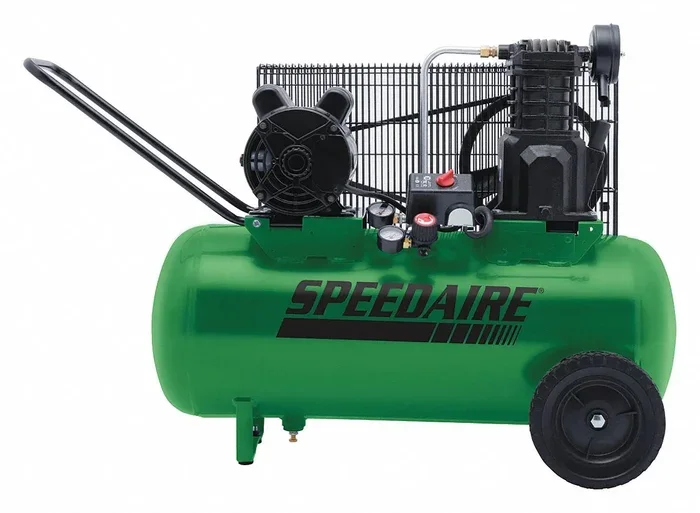
Reciprocating compressors use a piston that moves up and down inside a cylinder to compress air. Oil lubricates the piston rings, cylinder walls, and connecting rods. These compressors are great for intermittent use and are commonly found in smaller workshops and garages.
Piston compressors tend to be more affordable than rotary screw models. However, they have more moving parts, which means more points of potential wear. Staying on top of oil level compressor checks and regular servicing will keep a piston compressor running strong for many years.
Scroll Compressors
Scroll compressors use two spiral-shaped components to compress air. They are less common but offer very smooth, quiet operation. Oil lube scroll compressors are often used in sensitive environments where low noise and clean air delivery matter, such as dental offices or laboratories.
Choosing the Right Oil for Your Oil Lube Air Compressor
Not all compressor oils are created equal. Using the wrong oil can lead to poor performance, increased wear, and even catastrophic failure. The right oil depends on your compressor type, the climate you work in, and how heavily you use the machine.
Mineral Oil vs. Synthetic Oil
Mineral oils are derived from crude oil and are the traditional choice for many compressors. They are affordable and work well in standard conditions. However, they break down faster under high heat and may need more frequent changes.
Synthetic oils are engineered in a lab to provide superior performance. They resist heat breakdown, flow better in cold weather, and last longer between changes. If you run your compressor hard or in extreme temperatures, synthetic compressor oil is worth the investment. Check the what type of oil goes in an air compressor guide for more details on matching oil to your machine.
Viscosity Matters
Viscosity refers to how thick or thin the oil is. Compressor oils typically come in grades like ISO 32, ISO 46, and ISO 68. Lower numbers mean thinner oil, which flows more easily. Higher numbers mean thicker oil, which provides a stronger film between moving parts.
Most manufacturers recommend a specific viscosity for their compressors. Always check your owner’s manual before switching oils. Using oil that is too thin can cause excessive wear. Using oil that is too thick can reduce efficiency and increase energy consumption.
When to Change Your Compressor Oil
Regular oil changes are the backbone of compressor upkeep. As a general rule, you should change the oil in your oil lube air compressor every 1,000 to 2,000 operating hours. If you use your compressor daily, this could mean an oil change every three to six months.
However, certain conditions call for more frequent changes. If you work in a dusty environment, the oil can become contaminated faster. High-temperature operation also degrades oil more quickly. Watch for signs like dark or gritty oil, increased noise, or reduced pressure output. These are clear signals that it is time for a change.
For more information on maintaining your compressor, check out our guide on how often to drain air compressor to keep your system in top shape.
Benefits of Using an Oil Lube Air Compressor
Oil lube compressors offer several advantages that make them a favorite among professionals. Here are the key benefits you can expect.
- Longer tool and equipment life. The oil reduces wear on internal parts, which means your compressor lasts longer and your air tools perform better.
- Better heat management. Oil absorbs and dissipates heat more effectively than air alone, preventing overheating during extended use.
- Quieter operation. Lubricated compressors tend to run more quietly because the oil dampens vibration and reduces metal-on-metal noise.
- Consistent pressure delivery. A well-lubricated compressor maintains steady air pressure, which is critical for tasks like air tool performance and spray painting.
- Lower long-term costs. While oil lube compressors require periodic oil changes, the reduced wear and longer lifespan often mean lower total ownership costs.
Common Mistakes to Avoid with Oil Lube Compressors
Even the best compressor can fail prematurely if it is not cared for properly. Here are some common mistakes that owners make, and how to avoid them.
Overfilling the Oil Reservoir
It is tempting to add extra oil to be safe, but overfilling can cause serious problems. Too much oil leads to increased pressure inside the system, poor separation of oil and air, and even oil blowback into your air lines. Always fill to the recommended level marked on the reservoir.
Using the Wrong Oil Type
Not every oil works in every compressor. Using automotive engine oil or generic lubricant can introduce additives that harm your compressor’s internal seals and rings. Always use oil specifically formulated for compressors. For more guidance on selecting the right product, visit our page on what is compressor oil.
Skipping Regular Maintenance
It is easy to forget about maintenance when the compressor seems to be running fine. But small issues like low oil levels, clogged filters, or worn seals can snowball into expensive repairs. Set a maintenance schedule and stick to it. Your oil lube air compressor will reward you with years of reliable service.
Ignoring Oil Leaks
A small oil leak might not seem like a big deal, but it can lead to oil starvation in the pump. When the oil level drops too low, bearings and gears start to grind, causing irreversible damage. Inspect your compressor regularly for leaks and address them immediately.
How to Maintain Your Oil Lube Air Compressor for Peak Performance
Proper maintenance is the secret to getting the most out of your oil lube compressor. Follow these steps to keep your machine running at its best.
- Check the oil level before every use. A quick glance at the sight glass or dipstick takes only a few seconds and can prevent serious damage.
- Change the oil on schedule. Do not wait for the oil to look bad. Stick to the manufacturer’s recommended intervals for oil changes.
- Replace the oil filter regularly. A clogged filter restricts oil flow and reduces lubrication effectiveness. Most filters should be replaced every 500 to 1,000 hours of operation.
- Drain the tank after each use. Moisture from compressed air collects in the tank and can cause rust. Draining the tank regularly protects both the tank and the compressor internals. For a detailed schedule, see our guide on how often to drain air compressor.
- Inspect hoses and fittings. Leaks in the air system waste energy and reduce pressure. Check all connections and replace worn hoses promptly.
- Keep the compressor clean. Dust and debris on the exterior can clog vents and cause overheating. Wipe down the machine after each use and keep the area around it clear.
Following these simple steps will significantly extend the life of your compressor and ensure it delivers reliable compressor performance every time you need it.
Oil Lube vs. Oil-Free Compressors: Which Is Right for You?
The debate between oil lube and oil-free compressors comes up often. Both types have their place, and the right choice depends on your specific situation.
When to Choose an Oil Lube Compressor
Choose an oil lube compressor if you need continuous operation, high airflow, or long service life. Oil lube models handle heavy-duty tasks better and run cooler under sustained load. They are ideal for workshops, construction sites, and manufacturing environments where downtime is costly.
When to Choose an Oil-Free Compressor
Oil-free compressors require less maintenance because you never need to change the oil. They are lighter and more portable, making them a good fit for occasional use or jobs where you need to move the compressor around frequently. However, they tend to run hotter and have a shorter lifespan under heavy use.
If you are still deciding, consider how much you will use the compressor and what you will power with it. For light-duty tasks like inflating tires or running a nail gun, an oil-free model may be sufficient. For demanding applications like running multiple air tools simultaneously or continuous spray painting, an oil lube compressor is the better investment.
Final Thoughts
An oil lube air compressor is a powerful and reliable tool that can serve you well for many years. The key to getting the most out of it lies in understanding how lubrication works, choosing the right oil, and staying consistent with maintenance.
By following the tips in this guide, you will keep your compressor running smoothly, avoid costly repairs, and enjoy better performance every time you turn it on. Take the time to care for your machine, and it will take care of you. Start implementing these practices today, and you will notice the difference in your compressor’s reliability and longevity.
Frequently Asked Questions
How often should I change the oil in my oil lube air compressor?
Most manufacturers recommend changing the oil every 1,000 to 2,000 operating hours, or roughly every three to six months with regular use. If you operate in dusty or high-temperature conditions, you may need to change the oil more frequently to protect your compressor’s internal components.
Can I use regular motor oil in my oil lube air compressor?
No, you should avoid using standard motor oil in your compressor. Compressor oils are specially formulated with additives that handle high heat and pressure. Regular motor oil contains detergents and other additives that can harm compressor seals and reduce performance.
What happens if I run my oil lube compressor without enough oil?
Running a compressor with low oil causes increased friction and heat buildup. This leads to rapid wear on bearings, gears, and cylinder walls. In severe cases, it can cause the pump to seize entirely, resulting in expensive repairs or the need for a full replacement.
Is an oil lube compressor louder than an oil-free compressor?
Generally, oil lube compressors run quieter because the oil reduces vibration and dampens metal-on-metal contact. Oil-free compressors can be louder, especially as they age and internal components wear down without the benefit of ongoing lubrication.
Can I convert my oil-free compressor to an oil lube model?
No, oil-free and oil lube compressors are designed differently from the start. Oil-free models have special coatings and seals that are not compatible with oil lubrication systems. Attempting to convert one to the other is not practical and can void warranties.
What is the best oil for a rotary screw oil lube air compressor?
For rotary screw compressors, synthetic compressor oils with ISO 46 or ISO 68 viscosity are typically recommended. These oils provide excellent thermal stability and long service life. Always check your compressor’s manual for the manufacturer’s specific oil recommendation before making a purchase.