Compressor Problem Warning Signs Every Homeowner Should Know
Knowing the early signs of a compressor problem can save you hundreds in emergency compressor repair costs. This guide covers every warning sign homeowners should watch for, from unusual compressor noise and overheating to pressure drops and short cycling. You will learn how to spot trouble early, understand common causes, and decide when to call a professional.
Your air compressor works hard every day. Whether it powers your garage tools or keeps your home comfortable, it rarely gets a second thought. But when a compressor problem strikes, it can shut everything down fast. The good news? Most issues give you warning signs long before they become expensive disasters.
Ignoring early signals from your unit is the biggest mistake homeowners make. A strange sound today can mean a full compressor failure next week. Understanding these warning signs puts you ahead of the game. You will catch problems early, save money, and keep your system running smoothly.
This guide walks you through every warning sign you need to watch for. We will cover what causes these issues, how to troubleshoot them, and when to call in a pro for compressor repair. By the end, you will feel confident spotting trouble before it gets worse.
Key Takeaways
- Unusual noises from your air compressor signal serious issues that need immediate attention.
- Overheating is one of the most common compressor problem signs and can lead to complete compressor failure if ignored.
- Frequent short cycling wears out your compressor motor and increases energy bills.
- Low pressure output often points to internal compressor valve damage or air leaks.
- Regular compressor maintenance prevents most problems before they become expensive repairs.
- Knowing when to replace vs repair saves money and keeps your home comfortable.
- Tripping breakers and electrical issues are dangerous warning signs that should never be ignored.
📑 Table of Contents
1. Unusual Noises From Your Air Compressor
Your compressor should run with a steady, low hum. Any loud or strange noise is a red flag. Sounds tell you a lot about what is happening inside the machine. Pay attention to what your ears are telling you.
Grinding or Screeching Sounds
A grinding noise usually means metal is rubbing against metal inside the compressor motor. This happens when bearings wear out. Bearings are small parts that help the motor spin smoothly. When they fail, the friction causes that awful grinding sound.
Do not keep running the unit if you hear grinding. Every minute you run it causes more damage. The repair bill goes up fast when you ignore this sign.
Loud Banging or Clanking
Banging sounds often point to a loose part inside the compressor. A broken piston pin or a damaged connecting rod can cause this. These are serious internal issues that need immediate compressor troubleshooting.
Sometimes the cause is simple. A loose belt or a small object stuck in the fan can create loud clanking noises. But if the sound comes from deep inside the unit, call a professional right away.
Hissing or Whistling
A hissing sound usually means you have an air compressor leak. Air is escaping from a seal, fitting, or hose. Small leaks might not sound alarming, but they waste energy and reduce pressure output.
Whistling can also signal a problem with the compressor valve. A damaged valve lets air flow backward, which creates that high-pitched whistle. Both issues need quick attention to prevent bigger compressor failure.
Excessive Vibrations
Some vibration is normal. But if the whole unit shakes or rattles, something is wrong. Vibrations can come from an unbalanced motor, worn mounts, or loose internal parts. Over time, excessive vibration damages other components too.
Quick Tip: Place a level under your compressor. If it rocks or tilts, the mounting feet may be worn. This is an easy fix that prevents bigger compressor problems down the road.
2. Overheating and Excessive Heat
Heat is the enemy of any mechanical system. Your compressor generates warmth during normal operation. But when the unit gets too hot to touch, there is a serious compressor problem at hand.
Why Compressors Overheat
Several factors cause overheating. The most common ones include:
- Low oil levels — compressor oil lubricates internal parts. Without enough oil, friction creates excess heat.
- Clogged vents — blocked airflow prevents the motor from cooling properly.
- Dirty condenser coils — dirt and debris trap heat inside the unit.
- High ambient temperature — running the compressor in a hot garage or shed makes cooling harder.
- Failing motor windings — electrical issues inside the motor generate extra heat.
The Danger of Ignoring Overheating
Running an overheated compressor destroys the motor. The windings inside the motor insulation breaks down. This leads to a short circuit and complete compressor failure. At that point, you are looking at a full compressor replacement cost, not a simple repair.
Many modern compressors have thermal overload switches. These shut the unit off automatically when it gets too hot. If your unit keeps tripping this safety switch, the underlying problem is still there. You need to fix the root cause, not just reset the switch.
How to Prevent Overheating
Regular compressor maintenance is the best prevention. Check the oil level before each use. Clean the vents and coils monthly. Keep the unit in a well-ventilated area. These simple steps go a long way in avoiding compressor overheating.
3. Pressure Drops and Low Output
One of the clearest signs of a compressor problem is low pressure output. Your tools are not getting the air power they need. This is frustrating and often points to an internal issue.
Common Causes of Pressure Loss
When your compressor cannot build enough pressure, the culprit is usually one of these:
- Leaking gaskets or seals — air escapes before it reaches the output.
- Damaged compressor valve — the valve fails to seal properly, letting air flow backward.
- Clogged air filter — a dirty filter restricts airflow and reduces pressure.
- Worn piston rings — these rings seal the piston inside the cylinder. When worn, air leaks past them.
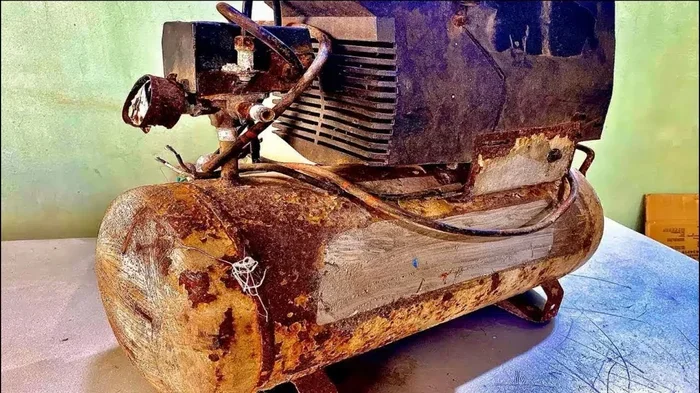
- Tank corrosion — rust holes in the tank let air escape continuously.
How to Test for Pressure Problems
Start by checking your pressure gauge. Note the cut-in and cut-out pressures. If the unit cycles on and off but never reaches the right pressure, something is blocking or leaking the air flow.
Next, listen for hissing near the tank and valves. Use soapy water on all fittings and connections. Bubbles will form where air is leaking. This is one of the best compressor troubleshooting methods for finding hidden leaks.
Quick Tip: Replace your air filter every three to six months. A clean filter is one of the easiest ways to maintain proper compressor pressure and prevent performance issues.
4. Short Cycling and Frequent Shut-Offs
Short cycling happens when your compressor turns on and off too frequently. A healthy compressor runs in steady cycles. If it keeps stopping and starting every few minutes, that is a warning sign.
Why Short Cycling Is Dangerous
Every time a compressor starts up, it draws the most power. Frequent starts and stops wear out the compressor motor faster than normal use. It also spikes your energy bills. Short cycling is one of the most overlooked compressor problem signs.
Common Causes of Short Cycling
- Low refrigerant charge — the unit tries to reach the set pressure but cannot hold it.
- Faulty pressure switch — the switch triggers at the wrong pressure points.
- Air leaks in the system — the tank loses pressure faster than the compressor can fill it.
- Oversized compressor for the load — the unit fills the tank too quickly and shuts off.
- Thermostat issues — the thermostat sends incorrect signals to the compressor.
Fixing short cycling early prevents compressor failure. Start by checking for air leaks. If the tank cannot hold pressure, the unit will cycle constantly. A simple soap bubble test can reveal these leaks quickly.
When to Call a Professional
If you have checked for leaks and the problem continues, the pressure switch may need adjustment or replacement. This is a job for a trained technician. Attempting electrical repairs yourself can be dangerous and may void your warranty.
5. Electrical Issues and Breaker Tripping
Nothing is more alarming than your compressor tripping the breaker. Electrical problems are serious and should never be taken lightly. They are often the first sign of a deeper compressor problem.
Why Your Compressor Trips the Breaker
A breaker trips when it detects too much current draw. Several things can cause this:
- Shorted motor windings — damaged wiring inside the motor draws excess current.
- Ground fault — an electrical path to the ground that should not exist.
- Capacitor failure — a bad compressor capacitor forces the motor to draw more power during startup.
- Overloaded circuit — the compressor shares a circuit with other high-draw appliances.
- Worn bearings — a stiff motor shaft requires more electricity to turn.
The Role of the Start Capacitor
The compressor capacitor gives the motor a boost during startup. When it fails, the motor struggles to turn on. This draws excessive current and trips the breaker. A failing capacitor is one of the most common and affordable compressor repair jobs.
If you notice your compressor humming but not starting, the capacitor is a likely suspect. However, do not open the unit yourself. Capacitors store electrical charge even when unplugged. Always let a professional handle electrical components.
Preventing Electrical Problems
Have a licensed electrician check your compressor circuit annually. Make sure the unit has its own dedicated circuit. Use a surge protector rated for the compressor’s power draw. These steps protect your unit and your home from electrical hazards.
6. Oil Leaks and Fluid Problems
Oil is the lifeblood of your compressor. It lubricates, cools, and seals internal components. When you see oil leaks or notice changes in the fluid, a compressor problem is developing.
Signs of Oil Leaks
Look for oil spots under or around the compressor. Check the fittings, seals, and drain valve. Even a small leak can lead to low oil levels over time. Low oil means more friction, more heat, and eventually compressor failure.
Discolored or Contaminated Oil
Healthy compressor oil is clear or light amber. Dark, gritty, or milky oil signals a problem. Dark oil means it has broken down from heat. Milky oil suggests water contamination, which can cause rust inside the tank.
Regular oil changes are a core part of compressor maintenance. Check the oil level weekly and change it according to the manufacturer’s schedule. This simple habit extends the life of your unit significantly.
When Leaks Mean Replacement
Some leaks come from internal damage that is not worth repairing. If the tank is corroded from the inside or the cylinder head is cracked, the cost of repair often exceeds the compressor replacement cost. In these cases, replacement is the smarter financial decision.
7. Age, Wear, and When to Replace
Every compressor has a lifespan. Most units last between 10 and 15 years with proper care. But age alone does not determine when replacement is needed. It is the combination of age and recurring problems that signals the end.
Signs It Is Time for Replacement
Consider replacing your compressor if you notice these patterns:
- Frequent repairs — if you are calling for compressor repair more than twice a year, replacement is more cost-effective.
- Rising energy bills — an aging compressor loses efficiency and uses more power.
- Outdated technology — newer models are quieter, more efficient, and safer.
- Major internal damage — a damaged compressor motor or blown valve plate often costs more to fix than replacing the unit.
- Persistent compressor problem signs — when warning signs keep returning despite repairs.
Understanding Compressor Replacement Cost
The compressor replacement cost varies widely. A small portable unit may cost a few hundred dollars. A large central system can run several thousand. Get at least three quotes from qualified HVAC technicians before deciding.
Quick Tip: Ask your technician about warranty coverage on new units. Many modern compressors come with longer warranties that protect your investment for years.
Conclusion
A compressor problem does not have to become a disaster. The key is catching warning signs early and taking action. From unusual compressor noise and overheating to pressure drops and electrical issues, your unit tells you what is wrong. You just need to listen.
Regular compressor maintenance is your best defense. Check oil levels, clean filters, and inspect connections on a routine schedule. These small efforts prevent the majority of compressor failure scenarios.
When you do spot a warning sign, do not wait. Early compressor repair costs a fraction of what a full replacement does. Trust your instincts. If something sounds or feels wrong, get a professional opinion.
Your compressor works hard for your home. Give it the attention it deserves. Stay alert to these warning signs, and your unit will serve you well for many years to come.
Frequently Asked Questions
How do I know if my compressor motor is failing?
A failing compressor motor often shows signs like grinding noises, difficulty starting, or tripping the breaker. You may also notice the unit overheating quickly or producing less pressure than usual. These symptoms mean the motor windings or bearings are wearing out and need professional inspection.
What causes an air compressor to leak air?
Air leaks in an air compressor are usually caused by worn gaskets, damaged seals, or corroded fittings. A faulty compressor valve can also let air escape internally. The soap bubble test is the easiest way to find where the leak is coming from without disassembling the entire unit.
How often should I maintain my compressor?
You should perform basic compressor maintenance every month, including checking oil levels and cleaning air filters. A full professional inspection should happen at least once a year. Regular upkeep prevents most common compressor problems and extends the life of your unit significantly.
Is it cheaper to repair or replace a compressor?
It depends on the severity of the issue. Minor repairs like replacing a compressor capacitor or fixing a leak are usually affordable. But major repairs involving the compressor motor or internal components often cost more than a new unit. A professional assessment helps you make the right decision.
Can a compressor problem cause higher energy bills?
Absolutely. When a compressor is not running efficiently, it uses more electricity to do the same job. Issues like short cycling, low compressor pressure, and failing motors all increase energy consumption. Fixing problems early keeps your energy bills in check.
What should I do if my compressor starts making a new noise?
Do not ignore a new sound. Turn off the unit and inspect it for loose parts or debris. Check the oil level and look for visible damage. If the noise continues after a basic check, contact a professional for compressor troubleshooting. Running a noisy compressor can turn a small issue into a major compressor failure.