Common Bad Air Compressor Symptoms You Should Never Ignore
Knowing the bad air compressor symptoms early can save you hundreds in repairs and prevent unexpected breakdowns. From unusual noises and pressure drops to oil leaks and overheating, your compressor gives clear warning signs before it fails completely. This guide covers every symptom you need to watch for and what to do about each one.
Your air compressor works hard every day. Whether you use it in a garage, a workshop, or on a job site, it keeps running to power your tools and get the job done. But here is the thing most people do not realize: your compressor tells you when something is wrong. It does not just quit one day out of nowhere. There are warning signs. And if you know what to look for, you can catch problems early.
Bad air compressor symptoms come in many forms. Some are easy to spot, like a loud grinding noise. Others are more subtle, like a slight drop in pressure. The key is knowing what is normal and what is not. In this article, we will walk you through every major warning sign. We will tell you what causes each symptom and what you can do about it. By the end, you will know exactly how to keep your compressor running strong for years to come.
Ignoring these signs is the worst thing you can do. A small problem today becomes a big repair bill tomorrow. Sometimes it even means replacing the entire unit. So let us get into it. Here are the bad air compressor symptoms you should never ignore.
Key Takeaways
- Strange noises like grinding or knocking signal internal damage that needs immediate attention.
- Low or fluctuating pressure often means a failing pressure switch or tank problem.
- Oil leaks around the compressor indicate worn seals or gaskets that will worsen over time.
- Overheating and tripping breakers are serious electrical warning signs you cannot ignore.
- Regular maintenance catches bad air compressor symptoms before they become expensive repairs.
- Knowing when to call a professional repair shop saves money and prevents total compressor failure.
📑 Table of Contents
What Are Bad Air Compressor Symptoms?
Before we dive into specific problems, let us talk about what bad air compressor symptoms actually look like. These symptoms are your compressor’s way of telling you something is not right. Think of them like warning lights on your car dashboard. You would not ignore a check engine light, right? The same logic applies here.
The most common symptoms include unusual noises, pressure problems, oil leaks, overheating, and electrical issues. Each one points to a different underlying cause. Some are easy to fix. Others need professional help. But all of them deserve your attention. The sooner you address a symptom, the better your chances of avoiding a major breakdown.
Understanding these symptoms also helps you make smarter decisions. You will know when to try a DIY fix and when to call in the experts. That knowledge saves you time, money, and a lot of frustration. Let us break down each major symptom category now.
Why Recognizing Symptoms Early Matters
Here is a simple truth: the earlier you catch a problem, the cheaper it is to fix. A small leak today might mean replacing a $20 gasket. That same leak ignored for six months could destroy your entire compressor motor. The cost difference is enormous. This is why learning to recognize bad air compressor symptoms is so important.
Regular maintenance checks help too. When you know what to look for, you can spot trouble during routine inspections. You do not have to wait for something obvious to go wrong. Catching problems early is one of the best ways to extend the life of your compressor.
Unusual Noises Coming From Your Compressor
One of the most obvious bad air compressor symptoms is strange noises. A healthy compressor makes a steady, rhythmic sound when it runs. It should not knock, grind, rattle, or squeal. If you hear any of those sounds, something is wrong.
Grinding or Screeching Sounds
A grinding noise usually means the motor bearings are worn out. Bearings help the motor shaft spin smoothly. When they wear down, metal rubs against metal. That grinding sound is a clear sign of trouble. If you ignore it, the motor can seize up completely. At that point, you are looking at a full motor replacement or buying a new unit entirely.
Knocking or Pounding Noises
Knocking sounds often point to a loose or broken piston. The piston moves up and down inside the cylinder. If something is loose or damaged, it will bang against the cylinder wall. This is a serious problem that can lead to catastrophic compressor failure if not addressed quickly.
Another cause of knocking is a damaged crankshaft. The crankshaft connects the motor to the piston. When it bends or breaks, it creates a loud knocking noise every time the compressor cycles on. This is not a DIY fix. You will need to visit a qualified air compressor repair shop to get this resolved properly.
Rattling or Vibrating Excessively
Some vibration is normal. But excessive rattling is not. Loose bolts, worn mounting pads, or debris inside the tank can all cause rattling. Start by checking the obvious things. Tighten any loose bolts. Make sure the compressor sits on a level, stable surface. If the rattling continues, you may have a more serious internal issue.
Unusual vibration can also damage other components over time. It puts extra stress on fittings, hoses, and electrical connections. So even if the noise seems minor, it is worth investigating further.
Pressure Problems You Cannot Ignore
Pressure issues are among the most common bad air compressor symptoms. Your compressor should build pressure steadily and hold it consistently. If it struggles to reach the right pressure or loses pressure during use, there is a problem somewhere in the system.
Compressor Not Building Pressure
If your compressor runs but never builds pressure, the most likely culprits are a damaged intake valve, a leaking gasket, or a cracked hose. Air is supposed to get pulled in, compressed, and stored in the tank. If any part of that process fails, pressure drops or never builds at all.
Start by checking the intake filter. A clogged filter restricts airflow and makes the compressor work harder. If the filter is clean, move on to the valves and gaskets. These small parts wear out over time and are relatively inexpensive to replace.
Pressure Drops Quickly After Building
If your compressor builds pressure fine but loses it quickly, you likely have a leak somewhere. Leaks can happen in the tank, the hoses, the fittings, or even inside the valve system. A small leak might not seem like a big deal, but it wastes energy and forces the compressor to cycle on more often. That extra cycling wears out the motor faster.
One common cause of pressure drops is a faulty air compressor pressure switch. The pressure switch controls when the compressor turns on and off. If it malfunctions, the compressor may not build enough pressure or may shut off too early. Replacing a pressure switch is usually affordable and straightforward.
Pressure Fluctuates Erratically
Steady pressure is what you want. If the gauge needle bounces up and down, something is not right. Erratic pressure can come from a failing regulator, a stuck unloader valve, or air leaks in the system. Each of these issues needs a different fix, so it is worth diagnosing the root cause before trying random repairs.
Oil Leaks and Other Fluid Issues
Many air compressors use oil to lubricate internal parts. A small amount of oil is normal. But if you see oil pooling under the compressor or dripping from fittings, that is a problem. Oil leaks are one of the most common bad air compressor symptoms, and they should never be ignored.
Why Oil Leaks Happen
Oil leaks usually happen because of worn seals, damaged gaskets, or cracked fittings. Over time, rubber seals dry out and harden. They lose their ability to create a tight seal. Gaskets between metal parts can also degrade, especially in hot, dusty environments.
Sometimes the issue is simpler than you think. A loose drain plug or a poorly tightened fitting can cause a slow drip. Before you assume the worst, check all the visible connections. Tighten anything that feels loose. If the leak persists, you may need to replace a seal or gasket.
Low Oil Levels and Their Effects
Running a compressor with low oil is one of the fastest ways to destroy it. Oil lubricates the pump and motor bearings. Without enough oil, metal parts grind against each other. This causes friction, heat, and eventually, complete failure.
Make it a habit to check your oil level before every use. It only takes a few seconds. If the oil looks dark or gritty, it is time for a change. Using the right type of oil matters too. Always refer to your compressor’s manual for the manufacturer’s recommended oil type and change interval.
Water in the Tank
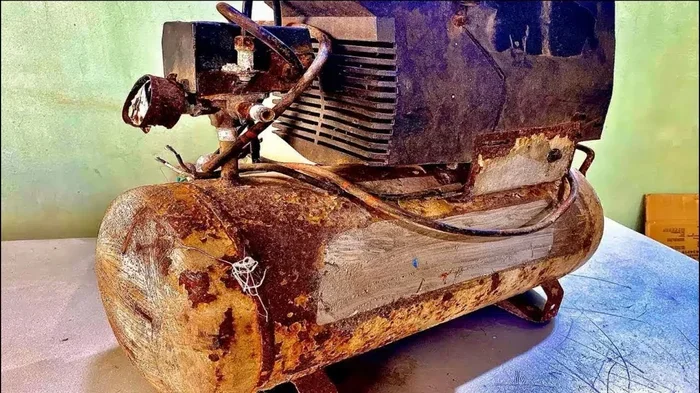
Water in the tank is another fluid issue that often gets overlooked. Compressors pull in air, and air contains moisture. That moisture condenses inside the tank over time. A small amount of water is normal and should be drained regularly. But if you notice a lot of water or rust forming inside the tank, that is a bigger problem.
Rust weakens the tank walls. In the worst case, a rusted tank can crack or even burst under pressure. That is extremely dangerous. If you see heavy rust inside your tank, it is time to consider a replacement or have the tank professionally inspected.
Overheating and Electrical Warning Signs
Your compressor should run warm, not hot. If the unit is too hot to touch, or if it keeps shutting off unexpectedly, you have a serious problem on your hands. Overheating is one of the most dangerous bad air compressor symptoms because it can lead to motor burnout and even fire hazards.
Why Compressors Overheat
Compressors overheat for several reasons. The most common cause is prolonged use beyond the motor’s capacity. Every compressor has a duty cycle, which is the amount of time it can safely run before needing to cool down. Running it continuously without breaks will cause overheating.
Other causes include a clogged intake vent, low oil levels, or a failing motor. A clogged vent restricts airflow and traps heat inside the unit. Low oil means less lubrication and more friction. Both of these issues generate excess heat that the system cannot dissipate fast enough.
Breaker Tripping and Electrical Issues
If your compressor keeps tripping the circuit breaker, do not just keep resetting it. That is your compressor telling you something is wrong. A tripping breaker usually means the motor is drawing too much current. This can happen when the motor is overheating, when there is a short circuit, or when the unloader valve is stuck.
Using the wrong extension cord is another common cause. A cord that is too thin or too long can cause voltage drops that strain the motor. Always use a properly sized cord for your compressor’s amperage requirements. If the problem continues after checking the cord, call a professional to inspect the electrical components.
Burning Smells
A burning smell is a red flag. It usually means the motor insulation is melting or a wire is overheating. Stop using the compressor immediately if you smell something burning. Unplug it and let it cool down. Then inspect it carefully or take it to a repair shop. Continuing to use a compressor that smells like burning is a fire risk.
When to Call a Professional Repair Shop
Not every problem requires a professional, but some absolutely do. Knowing when to call for help is an important part of compressor ownership. Trying to fix a serious issue yourself when you lack the experience can make things worse and cost you more in the long run.
Signs You Need Expert Help
You should call a professional if you notice any of the following:
- The compressor makes loud metallic noises
- It overheats frequently even with proper maintenance
- Oil leaks are coming from inside the pump housing
- The pressure switch fails to regulate properly
- The motor does not start even with a full tank
- You smell burning insulation or see smoke
These are not problems you should try to DIY. They require specialized tools, parts, and expertise. A qualified technician can diagnose the issue quickly and recommend the right fix. In many cases, a professional repair is far cheaper than replacing the entire unit.
Preventive Maintenance Tips
The best way to avoid bad air compressor symptoms is through regular maintenance. Here are some simple steps you can take:
- Check the oil level before every use. Top it off as needed with the correct oil type.
- Drain the tank regularly. Moisture buildup leads to rust and tank damage.
- Inspect hoses and fittings for leaks. Tighten or replace anything that is loose or damaged.
- Clean the intake filter. A dirty filter restricts airflow and causes the motor to work harder.
- Listen for unusual sounds during operation. Catching a strange noise early can prevent major damage.
- Follow the manufacturer’s maintenance schedule. Every compressor has specific service intervals. Stick to them.
These simple habits go a long way. They keep your compressor running efficiently and help you spot problems before they escalate. A well-maintained compressor lasts longer, runs better, and costs less to operate over its lifetime.
Understanding Your Compressor’s Duty Cycle
Every compressor has a duty cycle rating. This tells you how long it can safely run before needing to rest. For example, a 50% duty cycle means the compressor should run for 5 minutes and then rest for 5 minutes. Exceeding the duty cycle causes overheating and premature wear.
If you use your compressor for heavy-duty tasks, consider upgrading to a unit with a higher duty cycle. Industrial compressors are designed for continuous use and can handle longer operating periods without overheating. Understanding your duty cycle helps you use the compressor safely and avoid many of the bad air compressor symptoms discussed in this article.
The Cost of Ignoring Warning Signs
Let us talk numbers for a moment. A simple gasket replacement might cost you $15 to $30 in parts. A pressure switch repair could run $50 to $100. But if you ignore those small fixes and the compressor motor burns out, you are looking at $300 to $800 for a motor replacement, or more if you need a new unit entirely. The cost of ignoring warning signs grows exponentially over time.
Think of it this way. Spending $30 on a gasket today saves you from spending $500 on a new compressor next year. Small investments in maintenance and timely repairs pay off big. They keep your compressor reliable and your projects moving forward without unexpected downtime.
Final Thoughts on Bad Air Compressor Symptoms
Your air compressor is an important tool. Whether you use it for DIY projects around the house or heavy-duty work on a job site, it deserves your attention. The bad air compressor symptoms we covered in this article are your compressor’s way of communicating with you. Listen to it. Address problems early. Keep up with routine maintenance.
Strange noises, pressure drops, oil leaks, and overheating are all warning signs that should never be ignored. Each one points to a specific issue that, when caught early, is usually easy and affordable to fix. The longer you wait, the worse the problem gets and the more it costs to repair.
Take a few minutes today to inspect your compressor. Check the oil level. Listen for unusual sounds. Look for leaks. Check the pressure gauge. These simple checks take almost no time but can save you from a major breakdown down the road. Your compressor will last longer, run better, and serve you well for many years to come.
If you ever feel unsure about a symptom or are not comfortable diagnosing a problem yourself, do not hesitate to reach out to a professional. A trusted repair shop can quickly identify the issue and get your compressor back in working order. It is always better to be safe than sorry when it comes to your equipment.
Frequently Asked Questions
What are the first signs that my air compressor is going bad?
The first signs usually include unusual noises like grinding or knocking, pressure that drops quickly after building, oil leaks around the unit, and the compressor running hotter than normal. Catching these early warning signs gives you the best chance to fix the problem affordably before it turns into a major failure.
Can a bad pressure switch cause my air compressor to stop working?
Yes, absolutely. The pressure switch controls when the compressor turns on and off. If it malfunctions, the compressor may not build enough pressure, may shut off too early, or may not start at all. A faulty pressure switch is one of the most common causes of air compressor pressure problems and is usually an inexpensive and easy fix.
How do I know if my air compressor tank is rusted beyond repair?
Check the inside of the tank by draining it and looking for heavy rust buildup. If you see deep pitting or flaking rust on the tank walls, the structural integrity is compromised. A rusted tank can crack or burst under pressure, which is extremely dangerous. In most cases, a heavily rusted tank means you need to replace the compressor.
Is it safe to keep using my air compressor if it is leaking oil?
No, it is not safe to keep using a compressor that is leaking oil. Low oil levels cause increased friction and heat inside the pump, which can lead to motor burnout. Oil leaks also create a fire hazard and can damage other components. Address oil leaks immediately by checking seals, gaskets, and fittings.
How often should I drain my air compressor tank to prevent problems?
You should drain your air compressor tank after every use or at least once a week if you use it frequently. Moisture from the compressed air collects at the bottom of the tank and can cause rust over time. Regular draining prevents moisture buildup and helps your compressor last longer.
What should I do if my air compressor keeps tripping the circuit breaker?
First, check that you are using a properly sized extension cord and that the circuit is not overloaded. If the breaker keeps tripping after those checks, the issue is likely internal. It could be a short circuit, an overheating motor, or a stuck unloader valve. Stop using the compressor and have it inspected by a professional to avoid electrical hazards or further damage.