Essential Industrial Compressor Parts Guide for 2024
Learn everything about industrial compressor parts in our complete 2024 guide. We break down key components like valves, pistons, and motors so you can keep your system running smoothly. Whether you maintain, repair, or buy parts, this guide has you covered.
Industrial compressors are the backbone of countless manufacturing plants, construction sites, and production facilities. But like any heavy-duty machine, they depend on a collection of individual parts working together seamlessly. When one industrial compressor part fails, it can shut down entire operations and cost thousands of dollars in lost productivity.
That is exactly why knowing your industrial compressor parts matters so much. Whether you are a seasoned maintenance technician or a facility manager trying to keep things running, understanding what makes up your compressor gives you a real advantage. You will spot problems faster, plan repairs smarter, and make better buying decisions.
This guide walks you through every major component of an industrial compressor in plain, simple language. We cover what each part does, how to maintain it, and what signs point to trouble ahead. By the end, you will feel confident talking about compressor components and keeping your system in top shape for years to come.
Key Takeaways
- Know your parts: Understanding core components like the air end, valves, and motor helps you maintain and repair your industrial compressor with confidence.
- Prevent costly breakdowns: Regular maintenance of compressor components like seals, gaskets, and filters extends equipment life and saves money.
- Choose the right parts: Matching OEM and aftermarket parts to your specific compressor type ensures optimal performance and safety.
- Watch for warning signs: Recognizing early symptoms of wear in compressor parts prevents unexpected downtime and expensive repairs.
- Upgrade smartly: Switching to oil-free or high-efficiency components can improve energy savings and reduce operating costs.
- Safety first: Always follow proper lockout/tagout procedures and use quality components when working on industrial compressor systems.
📑 Table of Contents
- Understanding the Core Components of an Industrial Compressor
- Valves and Controls: The Unsung Heroes
- Filters, Lubricants, and Seals: Keeping It Clean and Efficient
- Common Industrial Compressor Parts and When to Replace Them
- Maintenance Tips to Extend the Life of Your Compressor Parts
- Choosing the Right Industrial Compressor Parts for Your Needs
- Common Mistakes to Avoid with Industrial Compressor Parts
- Expert Insights on Industrial Compressor Parts
- Conclusion
Understanding the Core Components of an Industrial Compressor
Before diving into specific parts, it helps to see the big picture. An industrial compressor works by taking in air, compressing it to high pressure, and delivering it through a system for tools, machinery, or processes. Several major compressor components work together to make this happen.
The Air End: The Heart of Your Compressor
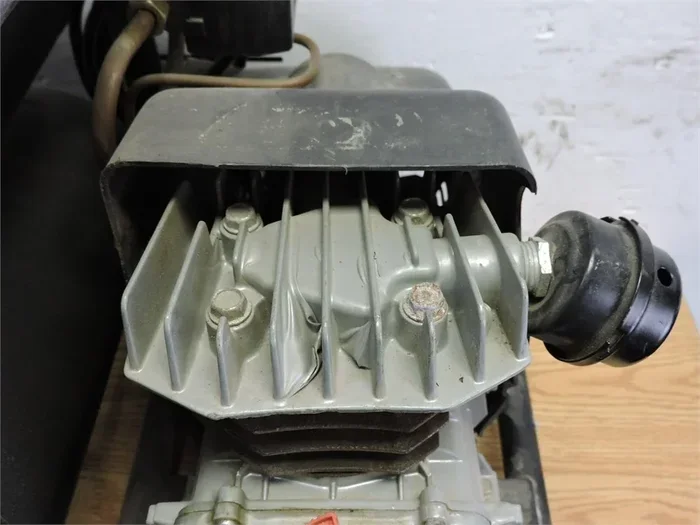
The air end is the most important part of any compressor. This is where the actual compression happens. In a reciprocating compressor, the air end uses pistons moving up and down inside cylinders. In a screw compressor, two rotors spin to trap and compress air.
Think of the air end as the engine of your compressor. If it goes down, everything stops. That is why regular compressor maintenance of the air end is so critical. You should check for unusual noises, vibrations, or drops in pressure. These can all signal internal wear before a full breakdown happens.
Here are the key elements inside the air end:
- Cylinders — where air gets compressed
- Pistons and connecting rods — create the movement
- Crankshaft — converts rotary motion to linear motion
- Bearings — reduce friction and support movement
The Compressor Motor and Drive System
Every compressor needs a motor to power it. The motor size directly affects how much air your system can produce. Most industrial setups use electric motors, but some larger facilities rely on gas engines for portability and power.
The drive system connects the motor to the air end. In belt-driven compressors, a compressor belt transfers power from the motor to the crankshaft. In direct-drive systems, the motor connects directly. Each setup has its pros and cons when it comes to compressor repair and long-term maintenance.
Quick tip: Always check your belt tension regularly. A loose belt slips, wastes energy, and can overheat. A tight belt lasts longer and keeps your compressor components running efficiently.
Valves and Controls: The Unsung Heroes
Most people overlook valves when they think about industrial compressor parts. But valves control the flow and pressure of air throughout the entire system. Without working valves, your compressor cannot deliver consistent, reliable air.
How Compressor Valves Work
Compressor valves open and close to let air in and push it out at the right pressure. They work extremely fast and endure constant stress. Over time, valve plates wear out, get stuck, or develop leaks. When this happens, your compressor loses efficiency and produces less air than it should.
Here are the most common valve problems to watch for:
- Leaking valves — cause pressure drops and wasted energy
- Stuck valves — lead to uneven compression and overheating
- Worn valve seats — create noise and reduce output
- Broken valve springs — result in complete valve failure
Pressure Switches and Control Panels
The pressure switch tells your compressor when to start and stop. It monitors the air pressure in the tank and triggers the motor when pressure drops below a set level. If your pressure switch fails, your compressor either runs constantly or does not start at all.
Control panels have gotten much smarter in recent years. Modern compressor controls include digital displays, error codes, and automatic shutdown features. These make it easier to diagnose problems early and keep your system running safely.
When you replace a pressure switch, always match the exact specifications. Using the wrong switch can damage your motor or create dangerous pressure situations. This is one area where compressor repair professionals really add value.
Filters, Lubricants, and Seals: Keeping It Clean and Efficient
Clean air and proper lubrication are essential for any industrial compressor. Filters, seals, and lubricants protect internal parts from contamination, heat, and friction. Ignoring these components leads to premature wear and expensive repairs.
Air Filters and Their Role
Your compressor pulls in a lot of air, and that air carries dust, debris, and moisture. The air filter catches these contaminants before they reach the internal compressor components. A clogged filter forces the compressor to work harder, which wastes energy and shortens the life of your machine.
You should inspect your air filter weekly in dusty environments and monthly in cleaner settings. Replacing a dirty filter is one of the simplest and cheapest maintenance tasks you can do. It pays for itself quickly through better efficiency and lower energy bills.
Oil Lubrication vs. Oil-Free Systems
Many industrial compressors use oil to lubricate moving parts inside the air end. The oil reduces friction, cools components, and helps seals last longer. However, oil-free compressors have become increasingly popular in industries where air purity matters, such as food processing and pharmaceutical manufacturing.
Here is a quick comparison:
| Feature | Oil-Lubricated | Oil-Free |
|---|---|---|
| Air Purity | Requires additional filtering | Clean, no oil contamination |
| Maintenance | Regular oil changes needed | Lower maintenance |
| Upfront Cost | Lower | Higher |
| Long-Term Cost | Higher (oil, filters) | Lower |
| Best For | Heavy-duty, general use | Clean air applications |
No matter which type you use, always use the manufacturer-recommended compressor lubricant. Using the wrong oil can cause buildup, increase wear, and void your warranty.
Seals and Gaskets: Small Parts, Big Impact
Seals and gaskets prevent air leaks throughout your compressor system. They sit between mating surfaces and create tight, pressure-proof barriers. Over time, heat and vibration cause seals to harden, crack, and fail.
Air leaks from worn seals are one of the biggest hidden costs in industrial operations. Even a small leak can waste thousands of dollars in compressed air energy over a year. That is why checking seals and gaskets during routine compressor maintenance is so important.
Quick tip: If you hear a hissing sound near your compressor tank or connections, check the seals first. Replacing a worn gasket is far cheaper than paying for wasted energy.
Common Industrial Compressor Parts and When to Replace Them
Every part of your industrial compressor has a lifespan. Knowing when to replace parts before they fail saves you from unexpected downtime and emergency compressor repair costs. Here are the parts you should keep on hand and watch closely.
Piston Rings and Cylinder Liners
Piston rings seal the gap between the piston and cylinder wall. They keep compressed air from leaking back past the piston. When rings wear out, your compressor loses pressure and efficiency. You may notice it takes longer to build up tank pressure or the motor runs hotter than usual.
Cylinder liners protect the cylinder walls from the constant friction of the piston. They wear down over time and should be inspected during major maintenance intervals. Replacing both rings and liners together ensures a proper seal and extends the life of your air end.
Compressor Tanks and Receivers
The compressor tank stores compressed air and smooths out pressure fluctuations. Over time, tanks can corrode from the inside, especially in humid environments. Rust weakens the tank walls and creates a serious safety hazard.
Most industrial tanks need a hydrostatic test every few years to ensure they are still safe. If you notice rust spots, dents, or any signs of leakage, have a professional inspect the tank immediately. A failing tank is not something you want to ignore.
Belts, Couplings, and Bearings
Belt-driven compressors rely on the compressor belt to transfer power from the motor to the air end. Belts stretch, wear, and eventually snap if not replaced on schedule. A broken belt stops your compressor instantly and can damage other components if the motor keeps running.
Bearings inside the motor and air end also wear out over time. They create friction and heat when they degrade. Signs of failing bearings include grinding noises, excessive vibration, and overheating. Replacing bearings early prevents more expensive damage to the motor and air end.
Maintenance Tips to Extend the Life of Your Compressor Parts
Prevention is always cheaper than repair. A solid compressor maintenance routine keeps your parts working longer and your system running efficiently. Here are practical tips you can start using today.
Create a Preventive Maintenance Schedule
Set up a weekly, monthly, and annual maintenance checklist for your industrial compressor. Weekly tasks might include checking oil levels, inspecting air filters, and listening for unusual sounds. Monthly tasks could involve draining moisture from tanks and checking belt tension.
Annual tasks should include a thorough inspection of all compressor components, valve testing, and pressure switch calibration. Keeping a written log helps you track wear patterns and plan replacements before problems arise.
Keep Spare Parts on Hand
Nothing stops production faster than waiting for a replacement part. Keep common wear items like filters, gaskets, belts, and valve plates in stock. This way, when something goes wrong, you can fix it immediately instead of waiting days for a shipment.
Pro tip: Build relationships with your parts supplier. A good supplier can help you find the right air compressor parts quickly and advise you on upgrades or alternatives that might save you money.
Train Your Team Properly
Your maintenance team should know exactly how each part works and what signs of wear look like. Regular training sessions on compressor maintenance keep everyone sharp and confident. Well-trained technicians catch small problems before they become big, expensive failures.
Choosing the Right Industrial Compressor Parts for Your Needs
Not all industrial compressor parts are created equal. Choosing the right components for your specific compressor model and application makes a huge difference in performance, longevity, and cost.
OEM vs. Aftermarket Parts
OEM (Original Equipment Manufacturer) parts are made by the same company that built your compressor. They are designed to fit and function exactly as intended. Aftermarket parts are made by third-party manufacturers and are often more affordable.
Both options have value. OEM parts give you peace of mind and often come with warranties. Aftermarket parts can save significant money and many quality aftermarket brands meet or exceed OEM standards. The key is to buy from reputable suppliers and verify compatibility with your specific industrial compressor model.
Matching Parts to Your Compressor Type
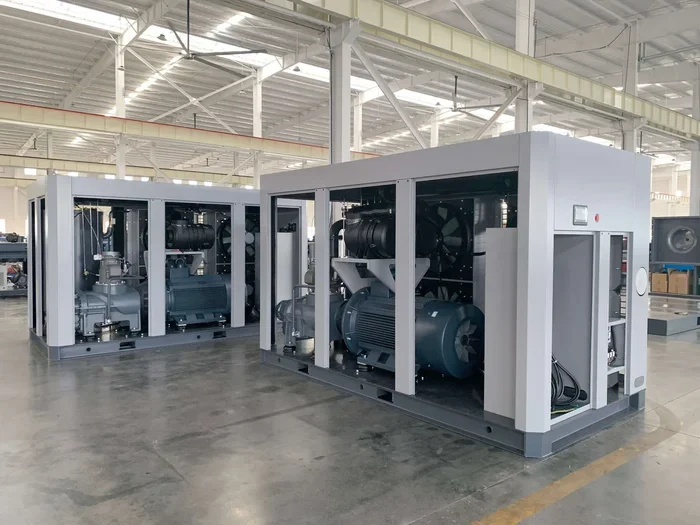
Different compressor types need different parts. A reciprocating compressor uses pistons, valves, and cylinders, while a rotary screw compressor uses rotors, seals, and oil separators. Make sure you know your compressor type before ordering any compressor components.
If you are unsure, check your owner’s manual or contact the manufacturer. Using the wrong parts can cause poor performance, damage, or even safety risks. When in doubt, ask a professional for guidance.
Energy Efficiency Upgrades
Upgrading to high-efficiency parts can reduce your energy costs significantly. Variable speed drives, high-efficiency motors, and improved compressor controls all contribute to lower operating expenses. Many facilities find that energy-efficient upgrades pay for themselves within one to two years through reduced electricity bills.
Consider upgrading to an oil-free compressor if your application requires clean air. Oil-free systems eliminate the need for oil filters and reduce the risk of contamination. They also require less maintenance overall, which saves time and money.
Common Mistakes to Avoid with Industrial Compressor Parts
Even experienced operators make mistakes when it comes to maintaining and replacing industrial compressor parts. Avoiding these common errors keeps your system running safer and longer.
- Skipping regular inspections. Small problems become big, expensive failures when you do not check parts regularly.
- Using the wrong replacement parts. Always verify part numbers and specifications before ordering. A part that looks similar may not fit or function correctly.
- Ignoring air leaks. Leaks waste energy and put extra strain on your compressor. Fix them as soon as you find them.
- Over-tightening bolts and fittings. This can strip threads, crack fittings, and create safety hazards. Use a torque wrench and follow manufacturer specs.
- Neglecting moisture drainage. Condensation builds up in tanks and lines. If not drained regularly, it causes corrosion and contaminates your air system.
- Delaying repairs. Waiting too long to fix a problem almost always makes it worse and more expensive to repair.
Expert Insights on Industrial Compressor Parts
We spoke with several experienced compressor repair specialists to get their top advice for facility managers and maintenance teams. Here is what they had to say.
Track your parts usage. Keeping a log of which parts you replace and how often helps you predict future needs. One technician shared that tracking his valve replacements helped him switch to a preventive schedule, cutting emergency calls by 40 percent.
Invest in training. Knowledgeable operators make fewer mistakes and catch problems earlier. Many compressor manufacturers offer training courses on compressor components and maintenance best practices.
Do not skimp on quality. It might be tempting to buy the cheapest available part, but low-quality components fail faster and can damage other parts in your system. Spending a little more on quality air compressor parts usually saves money in the long run.
Plan for the future. When your compressor is nearing the end of its useful life, consider whether upgrading to a newer, more efficient model makes more sense than continuing to repair an aging machine. Newer compressors use less energy and require fewer repairs over time.
Conclusion
Understanding industrial compressor parts is one of the best investments you can make for your facility. When you know how each compressor component works and what to watch for, you take control of your maintenance program. You reduce downtime, lower repair costs, and keep your compressor running at peak efficiency.
From the air end and motor to valves, filters, and seals, every part plays a vital role in delivering clean, compressed air. Regular compressor maintenance, smart part selection, and a proactive approach to repairs go a long way toward protecting your investment.
Use this guide as your starting point for understanding and managing your industrial compressor parts. Keep it handy when planning maintenance schedules, ordering replacements, or training your team. With the right knowledge and the right parts, your compressor will keep your operations running smoothly for years to come.
Frequently Asked Questions
What are the most common industrial compressor parts that fail?
The most common parts that fail include valve plates, piston rings, seals, gaskets, belts, and filters. These components experience the most wear and stress during daily operation. Regular inspection and timely replacement of these parts prevent unexpected breakdowns and costly emergency repairs.
How often should I replace the air filter on my industrial compressor?
Air filter replacement frequency depends on your operating environment. In dusty or dirty conditions, check and replace filters weekly. In cleaner environments, monthly replacement is usually sufficient. A clogged filter reduces efficiency and can cause your compressor to overheat, so never skip scheduled filter changes.
Can I use aftermarket parts instead of OEM parts for my industrial compressor?
Yes, aftermarket parts are a viable option for many applications. High-quality aftermarket air compressor parts often cost less and meet or exceed OEM specifications. The key is to purchase from reputable suppliers and verify compatibility with your specific compressor model before ordering.
What is the difference between a reciprocating compressor and a rotary screw compressor?
A reciprocating compressor uses pistons moving inside cylinders to compress air, making it ideal for intermittent, high-pressure applications. A rotary screw compressor uses two meshing rotors to compress air continuously, making it better suited for constant, high-volume operations. Each type requires different compressor components and maintenance approaches.
How do I know if my compressor needs a valve replacement?
Signs of a failing valve include pressure drops, unusual knocking or tapping sounds, longer pump-up times, and reduced air output. If you notice any of these symptoms, have a technician inspect your compressor valves immediately. Replacing valves early prevents further damage to other internal compressor parts.
What are the benefits of switching to an oil-free industrial compressor?
Oil-free compressors eliminate the risk of oil contamination in your compressed air, making them ideal for food, pharmaceutical, and electronics manufacturing. They also require less maintenance since you do not need to change oil or oil filters regularly. While the upfront cost is higher, the long-term savings in maintenance and energy often make oil-free systems a smart investment.