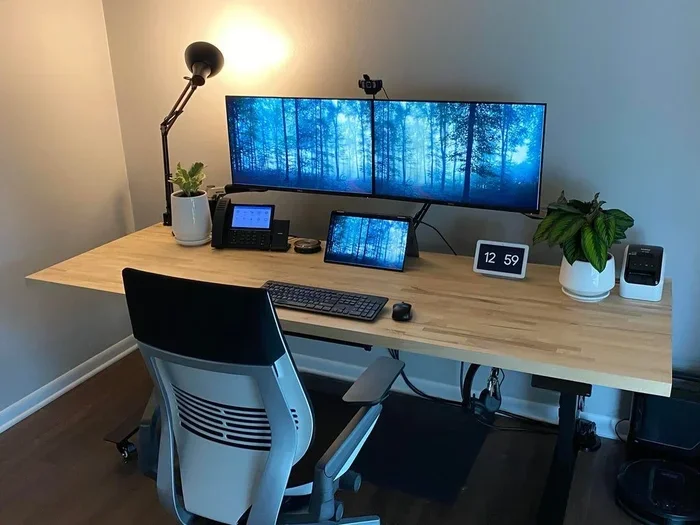
Top Work From Home Productivity Tools for Maximum Output
Work from home productivity tools are essential for anyone looking to stay focused, organized, and efficient while working remotely. The right remote work tools can transform your daily routine, eliminate distractions, and help you achieve more in less time. This guide covers the top software and apps you need to build a powerful home office productivity setup.
Working from home has become the norm for millions of people around the world. But without the right setup, remote work can quickly turn into a struggle with distractions, missed deadlines, and blurry boundaries between work and personal life. That is where work from home productivity tools come in. These digital solutions help you stay organized, communicate clearly, and get more done in less time. Whether you are a freelancer, a remote employee, or a small business owner, the right tools can make a huge difference in your daily output and overall job satisfaction.
The beauty of modern remote work tools is that they are designed to fit into your existing workflow with minimal fuss. You do not need to be a tech expert to get started. Most of these apps are cloud-based, meaning you can access them from any device, anywhere. In this article, we will walk you through the best work from home productivity tools available today. We will cover task management, communication, time tracking, automation, and how to build a complete home office productivity setup that actually works for you.
Key Takeaways
- Task management tools keep your projects organized and deadlines on track.
- Communication software makes remote team collaboration feel seamless and natural.
- Time tracking apps help you identify wasted hours and boost daily output.
- Automation tools eliminate repetitive tasks so you can focus on meaningful work.
- A well-planned home office tech stack combines multiple tools for maximum efficiency.
- The best productivity apps are simple, affordable, and easy to integrate into your workflow.
- Consistent use of work from home productivity tools leads to lasting improvements in remote work efficiency.
📑 Table of Contents
Why Work From Home Productivity Tools Matter
Some people think that working from home means you just sit down at your desk and start working. The truth is far different. Without the structure of an office environment, staying productive requires intentional effort and the right digital workspace setup. Work from home productivity tools provide that structure. They give you a system to manage tasks, track progress, and stay connected with your team.
Research shows that remote workers who use organized tool setups report higher job satisfaction and better work-life balance. These tools also reduce the mental load of trying to remember every task and deadline. When your home office setup includes the right software, you free up brainpower for creative thinking and problem-solving. Let us look at the categories of tools that make the biggest impact.
The Cost of Not Using Productivity Tools
Without proper remote work tools, many people experience what experts call “productivity drift.” This happens when your day fills with small, unplanned tasks that add up to very little real progress. You might spend hours answering emails, switching between apps, or trying to remember what you were supposed to do next. Work from home productivity tools solve this problem by giving you a single place to manage everything. The result is less stress, fewer missed deadlines, and a much clearer sense of accomplishment at the end of each day.
Best Task Management Tools for Remote Workers
If there is one category of work from home productivity tools that deserves the top spot, it is task management. These apps help you break big projects into smaller steps, assign deadlines, and track progress every day. Without a solid task management system, important tasks can easily slip through the cracks.
Here are some of the most popular task management software options for remote workers:
- Trello uses a visual board and card system that makes organizing projects simple and intuitive. It is perfect for visual thinkers and small teams.
- Asana offers powerful project tracking features with timelines, dependencies, and team assignments. It works well for both individual users and larger remote teams.
- Todoist is a lightweight, easy-to-use app that focuses on simple task entry and daily to-do lists. It is ideal for people who want minimal complexity.
- Notion combines task management with note-taking, databases, and wikis. It is a versatile digital workspace that can replace multiple apps at once.
When choosing a task management tool, think about your workflow. Do you prefer visual boards or simple lists? Do you need team features or just personal organization? The best productivity apps are the ones you will actually use every day.
How to Choose the Right Task Manager
Not all task management software is created equal. Some are packed with features that most users never touch. Others are too simple for complex projects. Here are a few quick tips to help you decide:
- Start with your biggest pain point. Is it forgetting deadlines? Managing multiple projects? Coordinating with a team?
- Try before you commit. Most of these tools offer free tiers that let you test the features.
- Keep it simple. A tool with fewer features that you use consistently beats a complex tool you abandon after a week.
- Think about integration. Your task manager should work well with your other remote work tools, like email and calendar apps.
Communication and Collaboration Software
Remote work can feel isolating if you do not have the right remote communication tools in place. Online collaboration tools bridge the gap by letting you chat, video call, and share files in real time. These tools are the backbone of any successful work from home productivity setup.
Effective communication is the single most important factor in remote work success. When your team can talk and share ideas instantly, projects move faster and mistakes get caught early. Here are the top categories of communication software you should consider:
- Instant messaging platforms like Slack or Microsoft Teams keep daily conversations organized in channels. You can create channels for specific projects, teams, or topics.
- Video conferencing tools like Zoom or Google Meet make virtual meetings feel personal and engaging. They are essential for team check-ins and client calls.
- Shared document platforms like Google Workspace or Microsoft 365 let multiple people work on the same file at the same time. This eliminates the endless email back-and-forth.
Building a Communication Routine
Having great virtual meeting tools is only half the battle. You also need a routine that keeps communication clear and manageable. Here are some work from home tips for better communication:
- Set regular team check-ins, like a brief morning standup or a weekly review meeting.
- Use status updates in your messaging app so everyone knows who is available and who is focused on deep work.
- Keep meetings short and agenda-driven. Respect everyone’s time.
- Use video calls for important conversations and text chat for quick questions and updates.
Good remote communication tools do more than just keep you connected. They build trust and camaraderie among team members who may never meet in person. That human connection is vital for long-term remote work success.
Time Tracking and Focus Boosters
One of the biggest challenges of working from home is managing your time wisely. Without a boss looking over your shoulder, it is easy to lose focus or spend too much time on low-priority tasks. Time tracking tools help you understand exactly where your hours go each day.
These productivity apps do more than just clock hours. They give you insights into your work habits, highlight time-wasting patterns, and help you stay accountable. Here are some excellent options:
- Toggl Track is a simple, one-click time tracker that works great for freelancers and solo remote workers. It gives you detailed reports on how you spend your time.
- RescueTime runs in the background and tracks which apps and websites you use throughout the day. It then gives you a productivity score and alerts you when you are spending too much time on distracting sites.
- Focus@Will provides science-based background music designed to improve concentration. It is a great tool for those deep work sessions when you need to zone in.
- Forest uses a gamified approach to focus. You plant a virtual tree that grows while you stay off your phone. If you leave the app, the tree dies. It sounds simple, but it works surprisingly well.
Creating a Focus-Friendly Environment
Time tracking tools are powerful, but they work best when combined with a focus-friendly environment. Here are some practical steps you can take right now:
- Designate a specific area in your home as your workspace. This helps your brain switch into work mode when you sit down.
- Use noise-canceling headphones to block out household distractions.
- Set specific work hours and stick to them as closely as possible.
- Take regular short breaks using techniques like the Pomodoro method, where you work for 25 minutes and then rest for 5.
- Keep your workspace tidy. A clean desk leads to a clear mind.
If you work from a home office that gets too hot or too cold, your focus will suffer. In fact, if your home AC compressor not turning on is causing discomfort, it is worth addressing quickly. A comfortable temperature in your workspace is one of the simplest ways to maintain high productivity throughout the day.
Automation Tools That Save You Hours
Repetitive tasks are the enemy of remote work efficiency. Every time you manually copy data between apps, send the same type of email, or update a spreadsheet, you lose valuable time. Workflow automation tools eliminate these repetitive actions so you can spend your energy on work that actually matters.
The best part about automation is that once you set it up, it runs in the background without any effort from you. Here are some of the most useful automation tools for remote workers:
- Zapier connects over 5,000 apps and lets you create automated workflows called “Zaps.” For example, you can set it up so that every time you receive an email with an attachment, it automatically saves the file to your cloud storage.
- IFTTT (If This Then That) works similarly but is more consumer-friendly. It is great for automating personal tasks like backing up photos or syncing calendars.
- Make (formerly Integromat) offers more advanced automation features for users who need complex multi-step workflows with conditional logic.
- TextExpander saves you time by letting you create text shortcuts. Type a few characters and it expands into a full sentence or paragraph. This is a game-changer for anyone who writes a lot of emails.
Getting Started with Automation
If you have never used automation tools before, the idea can feel overwhelming. Here is a simple way to get started with workflow automation:
- List the repetitive tasks you do every week. Write them down and be honest about how much time they take.
- Identify which tasks follow a clear pattern and could be automated without human judgment.
- Pick one tool like Zapier and start with just one or two simple automations.
- Test your automations and refine them over time. You will be surprised how much time you save.
Over time, automation becomes a force multiplier for your work from home productivity tools setup. The hours you save add up significantly over weeks and months, giving you more time for rest, creativity, and the things you enjoy outside of work.
Building Your Ideal Home Office Tech Stack
Now that you know the categories of work from home productivity tools, it is time to put them together into a cohesive home office setup. Think of your tech stack as a team of digital assistants, each handling a different part of your workflow. The goal is to have tools that work well together and cover all your key needs without creating unnecessary complexity.
A good home office tech stack balances simplicity with functionality. You do not need twenty different apps. You need the right ones that integrate smoothly and support your daily work. Here is a framework for building yours:
Step 1: Define Your Core Needs
Every remote worker is different. A graphic designer has different tool needs than a copywriter or a project manager. Start by identifying your core work activities:
- Do you manage multiple projects with deadlines?
- Do you collaborate with a team daily?
- Do you spend a lot of time writing or creating content?
- Do you need to track billable hours for clients?
Your answers will guide which productivity apps deserve a spot in your setup.
Step 2: Choose Your Foundation Tools
Every remote worker needs a few foundation tools that form the base of their tech stack. These include:
- A task manager for organizing your daily and weekly work.
- A communication platform for staying in touch with your team.
- A calendar app for scheduling meetings and deadlines.
- A cloud storage solution for saving and sharing files.
These four categories cover the essentials. From there, you can add specialized tools based on your specific needs.
Step 3: Add Power Tools
Once your foundation is solid, consider adding power tools like time trackers, automation platforms, and focus apps. These are the tools that take your remote work efficiency from good to great. They are not strictly necessary, but they provide a significant edge once you get used to them.
Step 4: Keep It Simple
The biggest mistake remote workers make is overcomplicating their setup. They sign up for too many apps, switch tools constantly, and end up spending more time managing their tools than actually working. Resist the urge to add every new work from home productivity tool you hear about. Stick with your core setup, master it, and only add new tools when you have a clear, specific need.
Also, remember that your home office setup is not just about software. Physical comfort matters too. If you work long hours, having reliable power is important. Understanding how a home generator works can help you prepare for unexpected outages that could disrupt your workday. And if you have a workshop or garage workspace, an air compressor for home use can handle pneumatic tools and keep your side projects running smoothly.
Conclusion
Finding the right work from home productivity tools is a journey, not a one-time decision. The tools that work best for you will depend on your specific role, workflow, and personal preferences. Start with the basics, build a solid foundation, and then gradually add more specialized tools as your needs evolve.
The key is consistency. Using these tools every day is what turns a collection of apps into a powerful home office productivity system. Task managers keep you organized, communication tools keep you connected, time trackers keep you honest, and automation tools keep you efficient. Together, they create a digital workspace that supports focused, meaningful work from anywhere.
Take action today. Pick one category from this guide, try a new tool, and see how it changes your workday. Small improvements add up to big results over time. Your future productive self will thank you for making the change now.
Frequently Asked Questions
What are the best work from home productivity tools for beginners?
If you are just starting out, begin with a simple task manager like Todoist, a communication tool like Slack, and a cloud storage service like Google Drive. These three tools cover the essentials and are easy to learn. You can always add more tools as you become comfortable with your remote work tools setup.
How many productivity tools should I use at once?
Keep it to 5-7 core tools to avoid overwhelming yourself. Too many apps create clutter and confusion. Focus on mastering a few essential work from home productivity tools before adding anything new. Quality always beats quantity when it comes to your digital workspace.
Are free productivity tools good enough for remote work?
Yes, many free tools offer powerful features that are more than enough for individual remote workers and small teams. Tools like Trello, Slack, and Google Workspace all have generous free tiers. You can always upgrade to paid plans when you need advanced features.
Can productivity tools really improve my work-life balance?
Absolutely. When you use work from home productivity tools effectively, you get more done in less time. This frees up hours for personal activities and reduces the stress of unfinished tasks. A well-organized workflow is one of the best investments you can make in your work-life balance.
How do I convince my employer to pay for productivity tools?
Frame it as an investment in efficiency. Show your employer how specific remote work tools will save time, reduce errors, and improve collaboration. Many companies already have budgets for remote work equipment and software. Present a simple proposal with clear benefits and expected outcomes.
What is the biggest mistake people make with productivity tools?
The biggest mistake is using too many tools and spending more time managing them than actually working. Keep your setup simple and focused. The best productivity apps are the ones you use consistently, not the ones with the most features. Start small and build from there.