Essential Customer Service Tools List for Every Team
Our essential customer service tools list covers everything your team needs to deliver fast, friendly support. From ticketing systems to live chat platforms, these tools help teams work smarter and serve customers better. Whether you are a small startup or a growing business, the right tools make a real difference.
This is a comprehensive guide about customer service tools list.
Key Takeaways
- Right tools boost efficiency: The best customer service tools list helps teams handle more tickets with less effort and faster response times.
- Multiple categories exist: Help desk software, live chat, CRM, knowledge bases, and feedback tools each serve a unique purpose.
- Small teams benefit too: Affordable and free options exist for businesses of every size.
- Integration matters: Tools that connect with each other create a seamless support experience.
- Training is key: Even the best tools fail without proper team onboarding and adoption.
[FEATURED_IMAGE_PLACEHOLDER]
Every team that handles customer support needs the right set of tools to do their job well. A strong customer service tools list can transform how your team communicates, tracks issues, and keeps customers happy. Without the right setup, even the most skilled support agents will struggle to keep up with demand.
Think of your customer service toolkit like a mechanic’s toolbox. You need the right tools for each job. Just as a technician would check the air compressor parts and service guide before starting repairs, your support team needs a clear plan and the right software to succeed. This article walks you through the best customer service tools available today, why they matter, and how to choose the ones that fit your team.
We have organized this guide into clear sections so you can find exactly what you need. Whether you are building a new support team from scratch or looking to upgrade your current setup, you will find practical advice and real recommendations ahead.
Why Every Team Needs a Customer Service Tools List
Customers today expect fast answers. They want their problems solved quickly and politely. A customer service tools list gives your team the structure and technology to meet those expectations every single time.
Without proper tools, support teams rely on messy email threads, scattered notes, and memory. This leads to missed messages, slow replies, and frustrated customers. The right set of tools changes all of that. They bring order to chaos and help your team work together smoothly.
Here is why investing in the right tools matters:
- Faster response times: Automated routing and ticketing mean customers get help sooner.
- Better organization: Every interaction is tracked and stored in one place.
- Team collaboration: Agents can share notes, escalate issues, and work together on tough cases.
- Data and insights: You can measure performance and find areas to improve.
- Consistency: Every customer gets the same high-quality experience.
Much like how a service team relies on a compressor pump and service checklist to stay on top of maintenance, your support team needs a clear set of tools to stay organized and effective. Skipping this step leads to missed opportunities and unhappy customers.
Top Help Desk and Ticketing Software
Help desk software forms the backbone of any support operation. It is where tickets get created, assigned, tracked, and resolved. A solid ticketing system ensures nothing falls through the cracks.
When building your customer service tools list, start with a help desk platform that offers these core features:
- Ticket creation and routing: Automatically assign incoming requests to the right agent.
- Priority settings: Flag urgent issues so they get handled first.
- Status tracking: Both agents and customers can see where a ticket stands.
- SLA management: Set and monitor service level agreements to ensure timely responses.
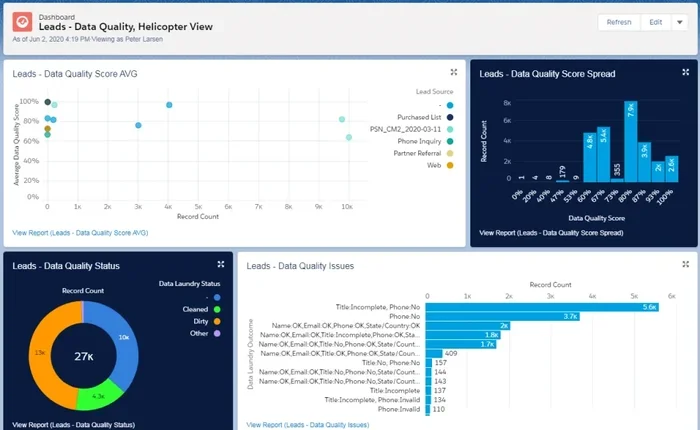
- Reporting dashboards: View team performance, response times, and resolution rates at a glance.
What to Look for in Help Desk Software
Not all help desk tools are created equal. Here are the key factors to consider when choosing one for your team:
- Ease of use: Your agents should be able to learn the system quickly without extensive training.
- Scalability: The tool should grow with your business and handle increasing ticket volumes.
- Integration options: Look for tools that connect with your CRM, live chat, and email platforms.
- Customization: The ability to tailor workflows, ticket fields, and automation rules to your needs.
- Pricing: Find a plan that fits your budget without sacrificing essential features.
Many teams also look at resources like the Puma Air Compressor Parts List or Black Max Air Compressor Parts List when they need to cross-reference equipment details with customer support records. Similarly, a well-organized help desk lets your team quickly pull up any information needed to resolve a case.
Live Chat and Chatbot Platforms
Live chat is one of the most popular ways customers reach out for help today. It offers instant, real-time communication that customers love. Adding a chatbot takes this even further by handling common questions around the clock.
When you add live chat to your customer service tools list, you give your team a powerful channel to engage visitors and resolve issues quickly. Here is what makes a great live chat platform:
- Instant messaging: Customers get real-time responses without waiting on hold.
- Proactive invitations: The chat window can pop up based on user behavior, like time on page or cart abandonment.
- File sharing: Customers can send screenshots or documents directly in the chat.
- Chatbot automation: Bots handle routine questions, freeing agents for complex issues.
- Visitor tracking: Agents see what page the customer is on, making conversations more relevant.
Chatbots vs. Live Agents
Both chatbots and human agents play important roles. Chatbots excel at handling repetitive questions like order status, return policies, and FAQs. Live agents shine when empathy, creativity, and problem-solving are needed. The best setups use both together.
A chatbot greets the customer, gathers basic information, and handles simple requests. When the issue is too complex, the chatbot seamlessly hands the conversation to a human agent. This combination keeps wait times low and customer satisfaction high.
In industrial and equipment sectors, teams often pair their live chat tools with detailed parts resources. Just as a support agent might reference the Puma Air Compressor Parts List to help a customer identify a replacement part, your team can use internal knowledge bases alongside chat tools for faster resolutions.
CRM and Customer Engagement Platforms
Customer Relationship Management, or CRM, is a must-have on any customer service tools list. A CRM platform stores all customer data in one place. This includes contact details, purchase history, support tickets, and communication logs.
With a CRM, your team always knows who they are talking to and what has happened before. This eliminates the frustrating experience of customers having to repeat themselves. Here is what a good CRM platform offers:
- Customer profiles: Complete profiles with contact info, preferences, and interaction history.
- Pipeline management: Track leads, deals, and customer journeys from start to finish.
- Email integration: All customer emails are logged and accessible in one dashboard.
- Task automation: Set reminders for follow-ups, renewals, and outreach campaigns.
- Analytics: Understand customer behavior, satisfaction trends, and team performance.
Popular CRM Features for Support Teams
While sales teams often get the most attention for CRM tools, support teams benefit just as much. Look for these features when evaluating CRMs for your support use:
- 360-degree customer view: See every interaction across all channels in one screen.
- Case management: Track and manage support cases from open to resolution.
- Customer segmentation: Group customers by type, value, or behavior for personalized support.
- Feedback collection: Gather satisfaction ratings and reviews after each interaction.
- Mobile access: Let agents work from anywhere with a mobile-friendly interface.
Just as a service center maintains detailed records for every Atlas Copco Air Compressor Service job, your CRM keeps a complete history of every customer interaction. This continuity builds trust and makes each customer feel valued.
Knowledge Base and Self-Service Tools
A knowledge base is a library of articles, guides, and FAQs that customers can access on their own. It is one of the most powerful additions you can make to your customer service tools list. When done right, it reduces ticket volume and empowers customers to find answers instantly.
Here is why every support team should invest in a knowledge base:
- 24/7 availability: Customers can find answers at any time, even outside business hours.
- Reduced workload: Fewer simple questions mean agents can focus on complex issues.
- Consistent answers: Every customer gets the same accurate information.
- Faster onboarding: New agents can quickly learn from the knowledge base too.
- SEO benefits: Published articles can bring organic traffic to your site.
Tips for Building a Great Knowledge Base
Creating a knowledge base is not just about writing articles. You need to organize them well and keep them updated. Here are some practical tips:
- Start with common questions: Use your most frequent tickets to identify topics to cover first.
- Write clearly and simply: Use short sentences, bullet points, and step-by-step instructions.
- Add visuals: Screenshots, diagrams, and videos make articles easier to follow.
- Keep it updated: Review articles regularly and update them as your products or policies change.
- Track usage: See which articles get the most views and which ones need improvement.
Think of your knowledge base like a parts catalog. Just as a technician would reference the Black Max Air Compressor Parts List to find the right component quickly, your customers should be able to search your knowledge base and find the answer they need in seconds.
Feedback and Survey Tools
You cannot improve what you do not measure. Feedback and survey tools help you understand how customers feel about their experience. They are an essential part of any customer service tools list because they give you real data to guide your decisions.
These tools let you send short surveys after support interactions, track satisfaction scores, and gather open-ended feedback. The insights you gain help you identify pain points, recognize top performers, and make data-driven improvements.
Types of Customer Feedback Tools
There are several types of feedback tools you should consider adding to your toolkit:
- CSAT surveys: Measure customer satisfaction on a simple scale after each interaction.
- NPS surveys: Ask customers how likely they are to recommend your company to others.
- CES surveys: Measure how easy it was for the customer to resolve their issue.
- In-app feedback: Let users leave comments directly within your product or website.
- Social listening tools: Monitor mentions and reviews on social media platforms.
The best approach is to use a combination of these tools. Each one captures a different angle of the customer experience. Together, they give you a complete picture of how well your support team is performing.
How to Build Your Customer Service Tools List
Now that you know the main categories, it is time to build your own customer service tools list. Start by assessing your team’s needs and your customers’ expectations. Not every tool will be right for every team, so focus on what matters most.
Follow these steps to create a practical and effective tools list:
- Audit your current setup: List every tool your team uses today and note what works and what does not.
- Identify gaps: Look for areas where your team struggles or customers complain.
- Prioritize by impact: Focus on tools that will solve the biggest pain points first.
- Set a budget: Determine how much you can spend and look for tools that offer the best value.
- Test before committing: Use free trials to evaluate tools before making a purchase.
- Train your team: Invest time in onboarding so your team actually uses the new tools.
- Review regularly: Revisit your tools list every few months to ensure it still meets your needs.
Remember that the best customer service tools list is a living document. As your business grows and customer needs change, your tools should evolve too. Keep experimenting, keep learning, and always put the customer first.
Common Mistakes to Avoid
Building a customer service toolkit is not without pitfalls. Here are some common mistakes teams make and how to avoid them:
- Buying too many tools at once: This creates confusion and overwhelms your team. Add tools one at a time.
- Ignoring integration: Tools that do not talk to each other create data silos and extra work.
- Skipping training: Even the best tools fail if your team does not know how to use them.
- Neglecting updates: Outdated tools and stale knowledge bases hurt more than they help.
- Forgetting the human element: Tools should support your team, not replace genuine human connection.
Just as maintaining proper service records for equipment like the Atlas Copco Air Compressor Service ensures long-term reliability, regularly reviewing and updating your customer service tools ensures your support team stays effective and efficient.
Final Thoughts
A well-curated customer service tools list is one of the smartest investments your team can make. From help desk software and live chat platforms to CRM systems, knowledge bases, and feedback tools, each category plays a vital role in delivering outstanding customer experiences.
Start small, focus on the tools that solve your biggest challenges, and build from there. Your customers will notice the difference, and your team will work more efficiently and with greater confidence. The right tools do not just make support easier, they make it memorable.
Take action today. Review your current setup, identify what is missing, and start adding the tools that will take your customer service to the next level. Your customers, and your team, will thank you for it.
Frequently Asked Questions
What are the most important customer service tools for small teams?
For small teams, a help desk ticketing system, live chat software, and a basic CRM are the most important tools. These three cover ticket management, real-time communication, and customer data tracking. Start with these and expand as your team grows.
How do I choose the right tools for my customer service team?
Start by identifying your team’s biggest pain points. Then research tools that address those specific needs. Look for ease of use, integration options, and pricing that fits your budget. Always use free trials before committing to a purchase.
Can free customer service tools be effective?
Yes, many free tools offer solid features for small teams. Free tiers of help desk, live chat, and CRM platforms can work well for startups and small businesses. The key is to match the tool’s capabilities to your team’s actual needs.
How many tools should be on a customer service tools list?
There is no magic number. Focus on quality over quantity. A team of five might thrive with three to four well-integrated tools, while a larger team may need more. The goal is to cover all support channels without creating complexity.
What is the difference between a CRM and a help desk tool?
A CRM focuses on managing the entire customer relationship, including sales and marketing data. A help desk tool focuses specifically on managing support tickets and resolving customer issues. Many modern platforms combine both features.
How often should I update my customer service tools list?
Review your tools list at least every six months. Technology changes quickly, and new tools emerge regularly. Regular reviews ensure your team is not using outdated software and that every tool still serves a clear purpose.