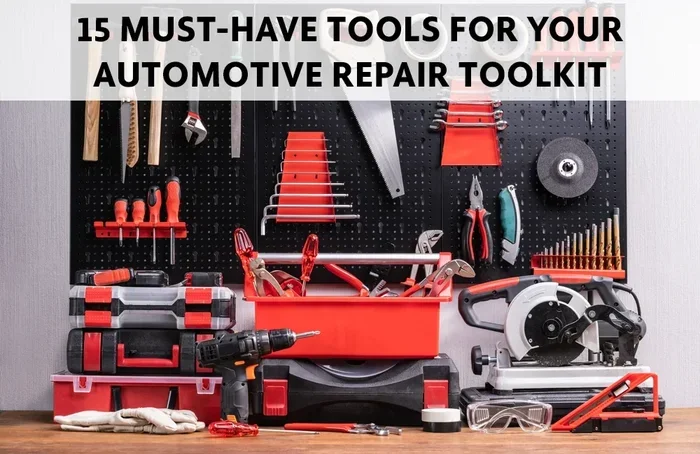
Must Have Auto Repair Tool Kit Items for Every Driver
Every driver needs a reliable auto repair tool kit to handle roadside emergencies and basic car fixes. A well-stocked kit saves you time, money, and stress when something goes wrong. We break down the essential tools, must-have items, and smart tips to build your perfect kit.
Every driver should have a solid auto repair tool kit in their trunk. You never know when a flat tire, dead battery, or loose bolt will turn your day upside down. Having the right tools on hand means you can handle minor problems yourself. It also means you can avoid costly roadside assistance calls.
But what exactly should go into your kit? That is the question we answer today. We have put together a comprehensive guide to the must-have auto repair tool kit items for every driver. Whether you are a complete beginner or a weekend mechanic, this list covers what you need. Let us dive in and make sure you are prepared for anything the road throws at you.
Key Takeaways
- Start with the basics: wrenches, screwdrivers, pliers, and a socket set form the foundation of any auto repair tool kit.
- Add emergency essentials: jumper cables, a tire inflator, and a flashlight can save you in a pinch.
- Invest in quality: durable tools from trusted brands last longer and perform better under pressure.
- Store smart: a good tool box or bag keeps everything organized and easy to find.
- Know your limits: some repairs need a professional, but a solid toolkit handles most minor fixes.
- Maintain your tools: regular cleaning and inspection keeps your kit ready for anything.
📑 Table of Contents
- Why Every Driver Needs a Basic Auto Repair Tool Kit
- The Essential Hand Tools for Your Auto Repair Tool Kit
- Emergency and Diagnostic Tools You Should Carry
- Specialty Tools That Elevate Your Kit
- Building the Perfect Auto Repair Tool Kit: Storage and Organization
- Common Mistakes Drivers Make with Their Tool Kit
- When to Call a Professional Instead of DIY
- Final Thoughts on Building Your Auto Repair Tool Kit
Why Every Driver Needs a Basic Auto Repair Tool Kit
Roadside breakdowns happen to everyone. A loose lug nut, a dead battery, or a cracked hose can leave you stranded. Without the right mechanic tools, you are stuck waiting for help. A well-prepared kit gives you the power to fix things yourself. It also gives you confidence behind the wheel.
Here is why a basic kit matters so much:
- Saves money: You avoid expensive towing and repair shop fees for simple fixes.
- Saves time: You can get back on the road in minutes instead of hours.
- Builds independence: You handle problems on your own terms.
- Improves safety: You can address issues that might become dangerous if ignored.
- Boosts vehicle knowledge: Working on your car teaches you how it runs.
Even if you rarely use your kit, having it there brings peace of mind. Think of it as insurance for your car. You hope you never need it, but you will be grateful when you do.
The Essential Hand Tools for Your Auto Repair Tool Kit
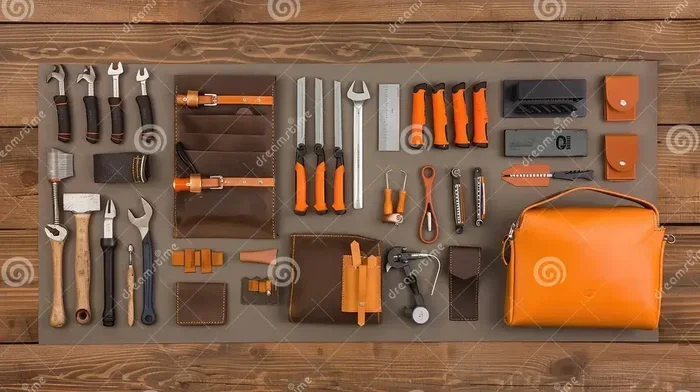
Hand tools form the backbone of any auto repair tool kit. These are the tools you will reach for most often. They handle everything from tightening bolts to removing parts. Let us look at the must-haves.
Wrench Set
A good wrench set is non-negotiable. You need both open-end and box-end wrenches in common sizes. A combination wrench set covers most jobs. Look for metric and standard sizes if you drive different vehicles.
Start with these sizes:
- 8mm, 10mm, 12mm, 14mm, 17mm, 19mm
- 1/2 inch, 9/16 inch, 5/8 inch, 3/4 inch
A telescoping wrench is also handy for tight spaces. It reaches where standard wrenches cannot. This is especially useful in engine bays with limited room.
Socket Set and Ratchet
A socket set paired with a ratchet gives you speed and leverage. Choose a 1/2-inch drive ratchet as your primary tool. Add a 3/8-inch drive for smaller jobs. A complete socket set should include:
- Metric sockets from 8mm to 32mm
- Standard sockets from 1/4 inch to 1 inch
- Deep and shallow socket options
- Extension bars for hard-to-reach spots
Socket sets make quick work of lug nuts and engine bolts. They are far faster than wrenches for repetitive jobs. Every driver should have one in their auto repair tool kit.
Screwdriver Variety Pack
You need both flathead and Phillips screwdrivers. A variety pack gives you multiple sizes and types. Look for these in your kit:
- Flathead screwdrivers in small, medium, and large
- Phillips head screwdrivers in sizes #1, #2, and #3
- Torx drivers for modern vehicle screws
- A multi-bit screwdriver for versatility
Screwdrivers handle everything from dashboard panels to electrical connections. Keep them in good condition with sharp, undamaged tips.
Pliers and Channel Locks
Pliers are incredibly versatile. They grip, twist, cut, and pull. Include these in your kit:
- Needle-nose pliers for tight spaces and small parts
- Channel lock pliers for adjustable gripping
- Wire cutters for electrical work
- Locking pliers for holding parts in place
Channel locks are especially useful for hose clamps and stubborn fittings. They adjust to different sizes and grip tightly. A solid pair of pliers can solve many problems on the road.
Emergency and Diagnostic Tools You Should Carry
Beyond basic hand tools, every auto repair tool kit needs emergency and diagnostic items. These tools help you identify problems and get back on the road safely.
Jumper Cables and Portable Jump Starter
A dead battery is the most common roadside problem. Jumper cables let you borrow power from another vehicle. A portable jump starter works even when no other car is around. Both options belong in your kit.
Look for jumper cables with thick gauges for reliable power transfer. A portable jump starter is compact and easy to store. Recharge it every few months to keep it ready. This single tool can save you from a frustrating roadside wait.
Tire Pressure Gauge and Portable Inflator
Proper tire pressure improves safety and fuel economy. A tire pressure gauge lets you check your tires anytime. A portable air compressor inflates tires on the go.
If you ever need compressor motor repair down the road, knowing your compressor works is essential. A portable inflator also helps with slow leaks. Check your tire pressure monthly and after temperature changes.
Multimeter for Electrical Diagnostics
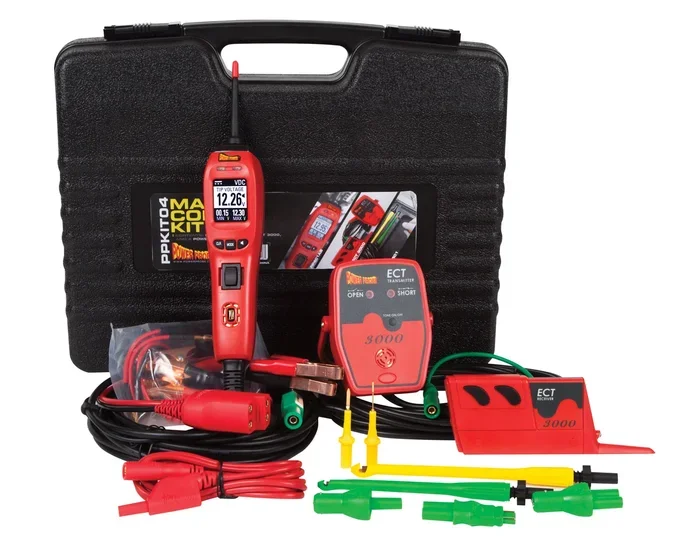
A multimeter tests voltage, current, and resistance. It helps you diagnose electrical problems quickly. You can check battery health, fuse condition, and wiring issues. This tool is especially valuable for older vehicles with electrical gremlins.
Digital multimeters are easy to read and affordable. They are a smart addition to any auto repair tool kit. Even beginners can use them with basic guidance.
Flashlight and Reflective Gear
Visibility matters when you work on your car at night. A bright LED flashlight helps you see under the hood. Reflective triangles or vests keep you safe on the roadside.
Pack a compact flashlight with extra batteries. Add a small headlamp for hands-free lighting. Reflective gear should be standard in every driver’s kit. Safety always comes first.
Specialty Tools That Elevate Your Kit
Once you have the basics covered, you can add specialty tools. These items handle specific jobs that basic tools cannot. They turn a simple kit into a powerful repair setup.
OBD-II Scanner for Error Codes
Modern vehicles use computers to monitor performance. An OBD-II scanner reads error codes from your car’s system. It tells you exactly what is wrong before you spend money on guesses. This tool is a game-changer for diagnosing issues.
You can find affordable scanners that work with your smartphone. They read check engine lights and emission codes. Some even provide repair suggestions. This is one of the best investments for any driver.
Torque Wrench for Precision Work
A torque wrench ensures bolts are tightened to the correct specification. Over-tightening can damage parts. Under-tightening can cause components to come loose. Both situations lead to expensive repairs.
Use a torque wrench for critical jobs like:
- Lug nuts on wheels
- Engine head bolts
- Suspension components
- Oil drain plugs
This tool adds precision to your work. It is especially valuable for compressor valve repair kits and similar tasks where exact tightness matters. Every serious DIY mechanic needs one.
Pry Bars and Trim Tools
Pry bars help remove stubborn parts without damage. Trim tools protect plastic panels from scratches during removal. They are essential for dashboard work and body panel access.
Include a small pry bar set in your auto repair tool kit. Plastic trim tools are inexpensive and save a lot of headaches. They prevent costly cosmetic damage during repairs.
Building the Perfect Auto Repair Tool Kit: Storage and Organization
Tools are only useful if you can find them quickly. Proper storage keeps your kit organized and ready for action. A messy kit wastes time and frustrates you when you need something fast.
Choosing the Right Tool Box or Bag
Select a storage solution that fits your needs. A hard-shell tool box offers durability and protection. A soft bag is lighter and easier to store in tight spaces. Consider these options:
- Rolling tool chest: Great for garage storage with many tools.
- Portable tool bag: Ideal for trunk storage and roadside use.
- Tool backpack: Hands-free carrying for walking to your car.
- Compact organizer box: Fits under seats or in trunks easily.
Choose based on your vehicle and how you use your tools. A portable option works best for drivers who travel frequently. A larger chest suits home garage setups.
Labeling and Compartmentalizing
Use small bags or containers to group similar tools together. Label each compartment so you find things fast. Keep your most-used items in the top or front section.
Organization saves time during repairs. You do not want to dig through a pile of tools when a tire is flat. A well-organized auto repair tool kit makes every job easier.
Maintenance and Tool Care
Keep your tools in good shape with regular care. Wipe them down after each use. Apply a light coat of oil to metal surfaces to prevent rust. Check for worn or damaged tools and replace them promptly.
Store your kit in a dry location away from moisture. Humidity causes rust and damages tool surfaces. A few minutes of care each month keeps your tools working reliably for years.
Common Mistakes Drivers Make with Their Tool Kit
Even experienced drivers make mistakes when building or using their kits. Avoid these common pitfalls to get the most from your tools.
Buying Cheap, Low-Quality Tools
Budget tools break easily and perform poorly. They strip bolts, slip, and wear out fast. Investing in quality tools saves money in the long run. Look for reputable brands known for durability and precision.
Overpacking the Kit
More tools do not always mean a better kit. Overpacking makes your kit heavy and disorganized. Focus on the tools you will actually use. Build your kit around common repair needs first.
Forgetting to Check Tool Condition Regularly
Tools degrade over time. Wrenches lose their grip, sockets get worn, and batteries die. Regular inspection keeps everything in working order. Set a monthly reminder to check your kit.
Ignoring the Owner’s Manual
Your vehicle’s owner manual contains specific torque specs and part numbers. Ignoring it can lead to improper repairs. Always consult the manual before starting a job. It is the best reference you have.
When to Call a Professional Instead of DIY
A solid auto repair tool kit handles many jobs. But some repairs need a trained professional. Knowing your limits keeps you safe and prevents costly mistakes.
Call a mechanic for these situations:
- Brake system repairs: Brakes are safety-critical and need expert attention.
- Engine internal work: Timing belts, head gaskets, and internal repairs require specialized knowledge.
- Air conditioning recharge: Refrigerant handling requires proper certification and equipment.
- Transmission issues: Transmission repairs are complex and expensive if done wrong.
- Electrical system overhaul: Complex wiring problems can cause further damage if mishandled.
For simpler tasks like oil changes, tire rotations, and filter replacements, your kit handles the job perfectly. Start with easy repairs and build your skills over time. Always prioritize safety above all else.
Final Thoughts on Building Your Auto Repair Tool Kit
Building the right auto repair tool kit is one of the smartest investments you can make as a driver. Start with the essentials and grow your collection over time. A well-organized kit gives you confidence, saves you money, and keeps you safe on the road.
Remember, the best kit is the one you actually use. Keep it accessible, maintain it regularly, and update it as your skills grow. Whether you are dealing with a flat tire or a more complex mechanical issue, preparation makes all the difference.
Take the time today to assess your current tools. Fill in the gaps with the items from this guide. You will be glad you did the next time something unexpected happens. A little preparation goes a long way toward keeping your car running and your wallet happy.
Frequently Asked Questions
What are the top 5 tools every auto repair tool kit should have?
The top five tools are a combination wrench set, a socket set with ratchet, a variety pack of screwdrivers, pliers, and a flashlight. These five items handle the majority of common car repairs and roadside emergencies. Start with these and add more tools as you gain experience.
How much should I spend on a basic auto repair tool kit?
A quality basic kit costs between $50 and $150. This range covers essential hand tools, a flashlight, and basic emergency items. You can spend more on specialty tools later. Focus on quality over quantity at this stage.
Can I use my auto repair tool kit for any vehicle?
Most basic tools work across different vehicles. However, check your owner’s manual for specific sizes and torque specs. Some vehicles require metric tools while others use standard measurements. Having both metric and standard sets covers all bases.
How often should I inspect and maintain my tool kit?
Inspect your kit at least once a month. Check for rust, worn tools, and dead batteries in jump starters. Clean your tools after each use and apply a light oil to metal surfaces. Regular maintenance keeps everything in top working condition.
Should I keep my auto repair tool kit in my car or at home?
Ideally, keep a compact roadside kit in your car and a larger set at home. The car kit should include emergency essentials like jumper cables, a flashlight, and basic hand tools. Home storage lets you keep more specialized tools organized and accessible.
What is the difference between a mechanic tool kit and an auto repair tool kit for drivers?
A mechanic kit is designed for professional use with heavy-duty tools and larger sets. A driver’s auto repair tool kit focuses on portable, essential tools for roadside fixes and minor repairs. Driver kits prioritize versatility, portability, and ease of use over professional-grade specialization.