How Much Is a Compressor for a Samsung Refrigerator
The cost of a compressor for a Samsung refrigerator typically ranges from $200 to $800 for the part alone, with total replacement costs reaching $450 to $1,200 when you include labor. Several factors influence the final price, such as your specific Samsung model, the type of compressor needed, and whether you choose professional installation or a DIY approach. Understanding these costs helps you make an informed decision and avoid overpaying for refrigerator compressor replacement.
If you have been searching for how much is a compressor for a Samsung refrigerator, you are not alone. This is one of the most common questions homeowners ask when their fridge starts acting up. A compressor is the heart of your refrigerator’s cooling system. Without it, your food spoils, and your kitchen gets warm and uncomfortable.
The good news is that replacing a Samsung compressor does not have to break the bank. In this guide, we break down every cost involved. We cover the price of the part itself, labor charges, and hidden fees you should watch out for. By the end, you will know exactly what to expect and how to save money.
Whether you have a Samsung French door fridge, a top-freezer model, or a side-by-side unit, the information here applies to you. We also share tips on when to repair and when to replace the entire unit. Let us dive into the details of Samsung refrigerator compressor cost and everything you need to know.
Key Takeaways
- Part Cost Range: A Samsung refrigerator compressor costs between $200 and $800 depending on the model and type.
- Total Replacement Cost: Expect to pay $450 to $1,200 including parts and labor for a full compressor swap.
- Model Matters: Different Samsung refrigerator models use different compressors, which affects the price significantly.
- DIY vs Professional: Saving on labor is possible with DIY replacement, but professional installation ensures proper handling of refrigerant.
- Warranty Can Help: Many Samsung compressors come with warranties that cover replacement costs if the unit is still under protection.
- Signs of Failure: Recognizing early symptoms of compressor problems can prevent costly damage to other refrigerator components.
📑 Table of Contents
- What Does a Samsung Refrigerator Compressor Do?
- How Much Is a Compressor for a Samsung Refrigerator?
- Factors That Affect the Cost of a Samsung Compressor
- Signs Your Samsung Refrigerator Compressor Is Failing
- DIY vs Professional Compressor Replacement
- How to Save Money on Samsung Compressor Replacement
- When Is It Better to Replace the Whole Refrigerator?
- Final Thoughts on Samsung Refrigerator Compressor Costs
What Does a Samsung Refrigerator Compressor Do?
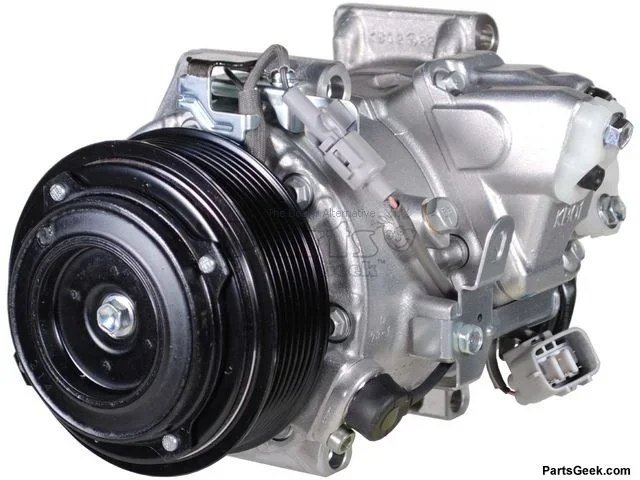
The compressor is the engine behind your fridge’s cooling power. It pumps refrigerant through the coils to keep your food cold. Think of it as the motor that makes the whole cooling system work. Without a functioning compressor, your refrigerator cannot maintain the right temperature.
Samsung uses high-quality compressors in their refrigerators. These compressors are designed to run efficiently and last for many years. Most Samsung units use either a reciprocating or rotary compressor. The type your fridge has depends on the model and size.
How the Compressor Works in Simple Terms
Here is how the process works in easy-to-understand steps:
- The compressor pulls in warm gas from inside the fridge.
- It squeezes the gas, raising its pressure and temperature.
- The hot gas moves through the condenser coils on the back of the fridge.
- It cools down and turns into a liquid.
- The liquid flows through an expansion valve into the evaporator coils.
- It absorbs heat from inside the fridge, cooling your food.
- The cycle starts all over again.
This cycle repeats constantly to keep your refrigerator at the right temperature. If any part of this system breaks, the compressor has to work harder. Over time, that extra strain can cause the compressor to fail.
How Much Is a Compressor for a Samsung Refrigerator?
The price of a Samsung refrigerator compressor varies quite a bit. The compressor price alone usually falls between $200 and $800. But the total cost of replacement includes more than just the part. Let us look at the full picture so you know what to budget for.
Compressor Part Cost by Samsung Model
Different Samsung models use different compressors. The price depends on the size of the fridge, the type of compressor, and where you buy the part. Here is a general breakdown:
- Compact Samsung Fridges: $200 to $350 for the compressor part.
- Standard Side-by-Side Models: $300 to $550 for the compressor part.
- Large French Door Models: $400 to $800 for the compressor part.
- Bottom Freezer Models: $250 to $500 for the compressor part.
These prices are for the compressor alone. They do not include labor, refrigerant, or any additional parts that might need replacing during the job.
Labor Costs for Compressor Replacement
Labor is a big part of the total refrigerator repair cost. Most appliance repair technicians charge between $150 and $300 per hour. A compressor replacement typically takes two to four hours. That means labor alone can add $300 to $1,200 to your bill.
Some technicians charge a flat rate for the entire job instead of an hourly rate. This can range from $400 to $900 for labor. Always ask for a written estimate before the technician starts work. This protects you from surprise charges.
Total Replacement Cost Breakdown
When you add the part and labor together, here is what you can expect:
- Low-End Total: Around $450 for a basic model with affordable labor.
- Mid-Range Total: Between $600 and $900 for most standard Samsung fridges.
- High-End Total: Up to $1,200 or more for large models with complex installations.
If your fridge also needs new refrigerant, that adds another $50 to $150 to the cost. Some older Samsung models use refrigerant that is harder to find, which can drive up the price even more.
Factors That Affect the Cost of a Samsung Compressor
Not all compressor replacements cost the same. Several factors can push the price up or bring it down. Understanding these factors helps you anticipate costs and avoid surprises.
Model and Age of Your Refrigerator
Newer Samsung models often use more advanced compressors. These compressors may cost more because they are more energy efficient. Older models might use discontinued parts that are harder to find. When a part is rare, the price goes up.
Also, the age of your fridge matters. If your refrigerator is over 10 years old, the compressor might be a different design than newer models. This can affect both the part cost and the labor time.
Where You Buy the Compressor
Where you purchase the compressor part makes a big difference in price. Here are some common options:
- Samsung Authorized Dealers: Usually the most expensive but come with warranty protection.
- Online Retailers: Often cheaper, but make sure the part matches your exact model number.
- Local Appliance Parts Stores: A good middle ground with knowledgeable staff who can help you find the right fit.
- Refurbished or Used Compressors: The cheapest option but carry more risk of early failure.
Always verify the Samsung compressor model number before buying. Using the wrong compressor can damage your fridge and void your warranty.
Geographic Location and Technician Availability
Where you live affects how much you pay for labor. Technicians in major cities often charge more than those in rural areas. If you live in a remote location, the technician may also charge extra for travel time.
Seasonal demand also plays a role. During summer months, when everyone needs their fridge working, repair services are busier. Prices may go up during peak seasons simply because of supply and demand.
Signs Your Samsung Refrigerator Compressor Is Failing
Catching compressor problems early can save you a lot of money. A failing compressor often shows clear warning signs before it completely breaks down. Here are the most common symptoms to watch for.
1. Your Fridge Is Not Cooling Properly
This is the most obvious sign. If your refrigerator feels warm and your food is spoiling faster than usual, the compressor may not be running correctly. Sometimes the fridge runs all the time but still cannot maintain the right temperature. Other times, it shuts off and the contents start to thaw.
2. Unusual Noises Coming from the Back
A healthy compressor makes a low, steady hum. If you hear clicking, rattling, or loud buzzing sounds coming from the back of your fridge, something is wrong. A failing compressor often makes grinding or knocking noises as its internal parts wear out.
3. The Compressor Cycles On and Off Too Frequently
Your compressor should cycle on and off a few times per hour. If it turns on and off every few minutes, this is called short cycling. Short cycling puts extra stress on the compressor motor and can lead to complete failure if not addressed.
4. Higher Energy Bills Without Explanation
A struggling compressor works harder to cool your fridge. This means it draws more electricity. If you notice a sudden spike in your energy bill and your fridge seems to be running all the time, the compressor might be the culprit.
5. Ice Buildup or Frost Inside the Fridge
If the compressor is not running efficiently, the cooling coils may get too cold. This causes excess frost and ice buildup inside the fridge or freezer. You might notice ice forming on the walls of the freezer compartment even when the temperature settings are normal.
If you notice any of these signs, it is important to act quickly. Ignoring compressor problems can lead to complete cooling failure and spoiled food. It can also cause damage to other parts of the refrigerator, which increases the overall refrigerator maintenance cost.
DIY vs Professional Compressor Replacement
One of the biggest decisions you will face is whether to replace the compressor yourself or hire a professional. Both options have pros and cons. Let us compare them so you can decide what is best for your situation.
Can You Replace a Samsung Compressor Yourself?
Technically, yes. Some experienced DIYers handle compressor replacement on their own. But this is not a simple repair. It requires specialized tools and knowledge. You need to handle refrigerant properly, which involves EPA-certified procedures. You also need to evacuate and recharge the system correctly.
Here is what a DIY compressor replacement involves:
- Disconnecting the fridge from power and moving it out from the wall.
- Removing the back panel to access the compressor.
- Disconnecting the refrigerant lines and electrical connections.
- Unbolting the old compressor and mounting the new one.
- Reconnecting the refrigerant lines and sealing them properly.
- Evacuating air from the system and recharging with refrigerant.
- Testing the new compressor to make sure it runs correctly.
Without the right tools and training, this job can go wrong quickly. A mistake can release refrigerant into the environment or damage the new compressor. For most homeowners, hiring a professional is the safer choice.
Why Hiring a Professional Is Usually Worth It
Professional technicians have the training, tools, and experience to do the job right the first time. They handle refrigerant safely and follow all environmental regulations. Most professionals also offer a warranty on their work, which gives you peace of mind.
When you hire a pro, you also get a diagnosis of the entire cooling system. A good technician will check the compressor relay, the start capacitor, and the overload protector. Sometimes what looks like a compressor problem is actually a simpler issue that costs much less to fix.
Cost Comparison: DIY vs Professional
Doing it yourself saves you the labor charge, which is typically $300 to $900. But you still need to buy the compressor part and any tools you do not already own. A refrigerant recovery and recharge kit alone can cost $100 to $300.
For most people, the total cost of a DIY replacement including tools and refrigerant ends up being close to what a professional charges. The real savings come from avoiding a second repair if the first attempt does not work.
How to Save Money on Samsung Compressor Replacement
Replacing a compressor does not have to drain your wallet. There are several smart strategies you can use to reduce the cost without sacrificing quality.
Check Your Warranty First
Many Samsung refrigerators come with a compressor warranty. Some models include a 10-year warranty on the compressor. If your fridge is still under warranty, the replacement part and labor may be fully covered. Check your warranty documents or contact Samsung customer service to confirm your coverage.
Even if your warranty has expired, it is worth checking. Some extended warranties and protection plans cover compressor failure even after the standard warranty period ends.
Get Multiple Repair Quotes
Do not accept the first quote you get. Contact at least three different appliance repair services in your area. Compare their estimates carefully. Make sure each quote includes the part cost, labor cost, and any additional fees. Sometimes one company charges significantly less for the same job.
You can also check if local independent repair shops charge less than authorized Samsung service centers. Independent technicians often have lower overhead costs, which they pass on to customers.
Consider the Age of Your Fridge
If your Samsung refrigerator is more than 10 years old, a new compressor might not be the best investment. A new compressor costs several hundred dollars, and there is no guarantee it will last as long as the original one did. In many cases, replacing the entire refrigerator is more cost-effective in the long run.
Compare the compressor replacement cost to the price of a new energy-efficient Samsung fridge. Modern refrigerators use much less electricity than older models. The savings on your energy bill can offset the cost of a new unit over time.
Prevent Future Compressor Problems
The best way to save money is to prevent compressor failure in the first place. Regular maintenance keeps your refrigerator running smoothly and extends the life of the compressor. Here are some simple tips:
- Clean the condenser coils at least twice a year.
- Make sure the fridge is level and has enough ventilation around it.
- Do not overfill the fridge, as this blocks airflow.
- Check the door seals regularly and replace them if they are worn.
- Set the temperature to the recommended range (37°F for the fridge and 0°F for the freezer).
- Avoid placing hot food directly into the refrigerator.
Following these simple steps can add years to the life of your Samsung compressor. It also keeps your energy bills low and your food fresh.
When Is It Better to Replace the Whole Refrigerator?
Sometimes replacing the compressor is not the smartest financial move. If your fridge has other problems in addition to compressor failure, a full replacement might make more sense. Here are some situations where replacing the entire unit is the better choice.
- Your fridge is more than 10 years old and the compressor fails.
- You notice multiple systems failing at the same time.
- The repair cost exceeds half the price of a new refrigerator.
- Your current fridge is an older model that uses outdated refrigerant.
- You want to upgrade to a more energy-efficient Samsung model.
New Samsung refrigerators are designed to be more energy efficient than older models. They use advanced compressors that consume less power and run quieter. Over time, the energy savings can help you recover the cost of a new fridge.
Some homeowners also look into backup power solutions for their refrigerators during outages. If you are interested in alternative power options, you might explore how much is a generator for your home. Having a reliable backup power source can keep your food safe during unexpected outages.
When considering backup power, it is important to understand your energy needs. You can learn more about how to size a generator to make sure you get the right capacity for your home. This is especially helpful if you want to keep essential appliances running during power outages.
For those who want a complete picture of home power costs, understanding how much does a generator cost can help you budget for both appliance repairs and home power solutions in one place.
Final Thoughts on Samsung Refrigerator Compressor Costs
So how much is a compressor for a Samsung refrigerator? The answer depends on your model, the type of compressor, and whether you go with professional installation. On average, you should budget between $450 and $1,200 for a complete compressor replacement.
The part itself costs between $200 and $800, while labor adds another $300 to $900. If your fridge is still under warranty, you may not have to pay anything out of pocket. And if you catch the problem early, you might avoid the need for a full replacement altogether.
Remember that regular maintenance is your best defense against compressor failure. Keep the coils clean, check the seals, and listen for unusual sounds. These small habits go a long way in protecting your investment.
Whether you decide to repair or replace your Samsung refrigerator, the key is to make an informed decision. Use the information in this guide to compare costs, understand your options, and choose the path that makes the most sense for your home and budget.