How Does a Reciprocating Compressor Work Step by Step
A reciprocating compressor uses a piston moving inside a cylinder to compress gas through a four-step cycle: suction, compression, discharge, and expansion. It is the most common positive displacement compressor type used in industrial, commercial, and home applications. Understanding how each part works helps you maintain, size, and troubleshoot your compressor system effectively.
Have you ever wondered what happens inside a machine that takes in air or gas and squeezes it into a smaller space? That machine is a reciprocating compressor, and it plays a huge role in factories, workshops, and even home garages. If you have ever used an air tool or filled a tank with compressed air, a reciprocating compressor made it happen.
In this guide, we will walk you through exactly how a reciprocating compressor works, step by step. We will break down every component, explain the compression cycle in plain language, and share practical tips for keeping your machine running strong. Whether you are a beginner or a seasoned technician, this article has something valuable for you.
Think of a reciprocating compressor like a bicycle pump. When you push the pump down, it compresses the air inside. When you pull it back up, it draws new air in. A reciprocating compressor does the same thing, but on a much larger scale and with precision engineering. The reciprocating motion — meaning back-and-forth movement — is the heart of how this machine operates.
Key Takeaways
- Step-by-step cycle: A reciprocating compressor follows four distinct phases — suction, compression, discharge, and expansion — to compress gas efficiently.
- Key components matter: The piston, crankshaft, connecting rod, suction valve, and discharge valve all play critical roles in the compression process.
- Multiple types exist: Single-acting, double-acting, and multi-stage compressors each serve different pressure and capacity needs.
- Proper maintenance extends life: Regular valve checks, oil changes, and filter replacements keep your compressor running smoothly for years.
- Sizing is essential: Matching your compressor to your application ensures energy efficiency and prevents premature wear.
- Common problems are fixable: Most issues like valve leaks, overheating, and pressure drops have straightforward solutions.
📑 Table of Contents
- What Is a Reciprocating Compressor?
- Main Components of a Reciprocating Compressor
- How the Compression Cycle Works Step by Step
- Types of Reciprocating Compressors
- Applications of Reciprocating Compressors
- Maintenance Tips for Longevity
- Common Mistakes to Avoid
- Expert Insights on Reciprocating Compressor Efficiency
- Final Thoughts
What Is a Reciprocating Compressor?
A reciprocating compressor is a type of positive displacement compressor. This means it traps a fixed amount of gas and then reduces the volume of that trapped gas to increase pressure. Unlike centrifugal compressors that spin gas outward, reciprocating compressors use a piston that moves back and forth inside a cylinder.
This design has been around for over a century, and it remains one of the most reliable methods for gas compression. You will find reciprocating compressors in oil refineries, natural gas processing plants, refrigeration systems, and small workshop setups. Their ability to handle high pressures makes them incredibly versatile.
The basic principle is simple. A piston compressor draws gas into a chamber, seals it, and then pushes it into a smaller space. This increases the pressure of the gas. The whole process repeats in a continuous loop. Understanding this loop is the key to understanding how these machines work.
Main Components of a Reciprocating Compressor
Before we dive into the step-by-step cycle, let us look at the parts that make it all happen. Each component has a specific job, and they all work together to create the compression cycle.
The Cylinder
The cylinder is the chamber where all the action happens. It is a hollow tube where the piston moves up and down. The cylinder walls must be strong enough to handle high pressure. They are often made of cast iron or steel. The inside of the cylinder needs to stay smooth and clean to prevent leaks and maintain volumetric efficiency.
The Piston and Piston Rings
The piston is the moving piece that slides up and down inside the cylinder. It has rings around it that create a tight seal against the cylinder wall. This seal prevents compressed gas from leaking back past the piston. Think of piston rings like the seal on a jar lid — if the seal is bad, nothing stays compressed.
The Crankshaft
The crankshaft turns rotational motion into the reciprocating motion the piston needs. It connects to the piston through the connecting rod. When the crankshaft spins, it pushes and pulls the piston in a repeating cycle. The crankshaft is driven by an electric motor, engine, or other power source.
The Connecting Rod
The connecting rod links the crankshaft to the piston. It transfers the rotational force from the crankshaft into the linear back-and-forth motion of the piston. This part endures a lot of stress, so it must be strong and well-lubricated.
The Valves
Every reciprocating compressor has two important valves: the suction valve and the discharge valve. The suction valve opens to let gas into the cylinder. The discharge valve opens to let compressed gas out. These valves are one-way, meaning they only open in one direction. If a valve fails, your compressor loses efficiency fast.
The Valves and Valve Plate
The valve plate sits at the top of the cylinder. It holds both the suction and discharge valves in place. When the piston moves down, the suction valve opens and the discharge valve stays closed. When the piston moves up, the opposite happens. This coordinated action is what makes the compression cycle work.
How the Compression Cycle Works Step by Step
Now let us get to the core of the topic. The reciprocating compressor operates through four main stages. Each stage plays a vital role in taking low-pressure gas and turning it into high-pressure gas.
Step 1: Suction Stroke
The cycle begins with the suction stroke. The piston moves downward inside the cylinder. This creates a low-pressure area inside the chamber. The suction valve opens, and gas flows into the cylinder from the inlet. The discharge valve stays closed during this phase. Think of it like drawing back the plunger on a syringe — you are creating space for gas to enter.
During the suction stroke, the cylinder fills with gas at the inlet pressure. The amount of gas drawn in depends on the cylinder size and how far the piston travels. This is where the volumetric efficiency of the compressor starts to matter. A well-sealed cylinder with clean valves will draw in more gas.
Step 2: Compression Stroke
Once the piston reaches the bottom of its stroke, it starts moving upward. The suction valve closes as the piston rises. Now the gas trapped inside the cylinder gets squeezed into a smaller space. As the volume decreases, the pressure increases. This is the compression phase.
In a real-world reciprocating compressor, this compression is not perfectly efficient. Some heat is generated, and a small amount of gas may leak past the piston rings. However, modern compressors are designed to minimize these losses. The pressure ratio — the ratio of discharge pressure to suction pressure — determines how hard the compressor works during this stage.
Step 3: Discharge Stroke
When the piston reaches the top of its stroke, the gas inside has reached its maximum pressure. The discharge valve opens, and the high-pressure gas is pushed out of the cylinder and into the discharge line. The suction valve stays closed to prevent backflow.
This is the stage where the compressed gas actually does useful work. It might go into a storage tank, feed a production line, or power a pneumatic tool. The discharge stroke is where all the energy input gets converted into pressurized gas ready for use.
Step 4: Expansion Stroke
After the discharge stroke, the cycle starts over. The piston moves back down, and the pressure inside the cylinder drops slightly. This small pressure drop helps clear any remaining gas and prepares the cylinder for the next suction stroke. This phase is called the expansion stroke.
The expansion stroke ensures that the cylinder is ready to draw in a fresh charge of gas. Without it, residual high-pressure gas would reduce the amount of new gas the compressor could take in. Together, all four strokes create a continuous compression cycle that keeps your system running.
Types of Reciprocating Compressors
Not all reciprocating compressors are the same. Different designs serve different needs. Here are the most common types you will encounter.
Single-Acting Compressors
A single-acting compressor compresses gas on only one side of the piston. The piston moves down, and gas is drawn in and compressed on the top side. This is the most common type for small to medium applications. It is simple, affordable, and easy to maintain. Most workshop compressors you see are single-acting.
Double-Acting Compressors
A double-acting compressor compresses gas on both sides of the piston. When the piston moves up, it compresses gas above it. When it moves down, it compresses gas below it. This design produces more output per cycle and is more energy-efficient. Double-acting compressors are common in large industrial settings where continuous, high-volume air compression is needed.
Multi-Stage Compressors
When you need very high pressure, a single stage is not enough. That is where multi-stage compressors come in. They use multiple cylinders and pistons in sequence. Gas is compressed in the first stage, cooled, and then sent to the next stage for further compression. This approach is more efficient and prevents overheating. Large industrial gas compression systems often use multi-stage designs.
Each type has its place. Single-acting compressors work great for light-duty tasks. Double-acting compressors handle heavier workloads. Multi-stage compressors deliver the highest pressures. Choosing the right one depends on your specific needs.
Applications of Reciprocating Compressors
Reciprocating compressors are everywhere. Their versatility makes them a go-to choice for many industries and everyday uses.
- Industrial manufacturing: Factories use them to power pneumatic tools, control valves, and automation systems.
- Oil and gas: They compress natural gas for transport through pipelines and processing at refineries.
- Refrigeration and HVAC: They compress refrigerant gases in cooling systems for homes and businesses.
- Construction: They provide compressed air for jackhammers, nail guns, and sandblasting equipment.
- Automotive: They power air brakes, paint sprayers, and tire inflation systems.
- Home workshops: Small reciprocating compressors run impact wrenches, air ratchets, and paint guns.
Much like how a solar generator converts sunlight into usable electrical power, a reciprocating compressor converts mechanical energy into pressurized gas energy. Both serve as essential power sources in their respective domains.
Maintenance Tips for Longevity
A well-maintained reciprocating compressor can run for many years. In fact, equipment like compressors and generators alike can have long service lives when properly cared for — similar to how generators are built to last a long time with regular maintenance.
Check and Replace Valves Regularly
The suction and discharge valves are the most common failure points. If a valve leaks, your compressor loses efficiency. You may notice reduced pressure, unusual noises, or the machine running hotter than normal. Inspect valves at least every few months and replace them when worn.
Change the Oil on Schedule
Most reciprocating compressors use oil for lubrication. Dirty or old oil increases friction and wear on the piston, rings, and crankshaft. Follow the manufacturer’s recommended oil change interval. Using the right grade of oil also makes a big difference in performance.
Keep the Air Filter Clean
A clogged air filter restricts airflow into the cylinder. This reduces volumetric efficiency and forces the compressor to work harder. Check the filter regularly and clean or replace it when it looks dirty. A clean filter also protects the cylinder from dust and debris.
Monitor Temperature and Pressure
Keep an eye on your compressor’s temperature and pressure gauges. Overheating can damage seals and valves. Low pressure may indicate a valve problem or piston ring wear. Regular monitoring helps you catch issues before they become expensive repairs.
Drain the Moisture Tank
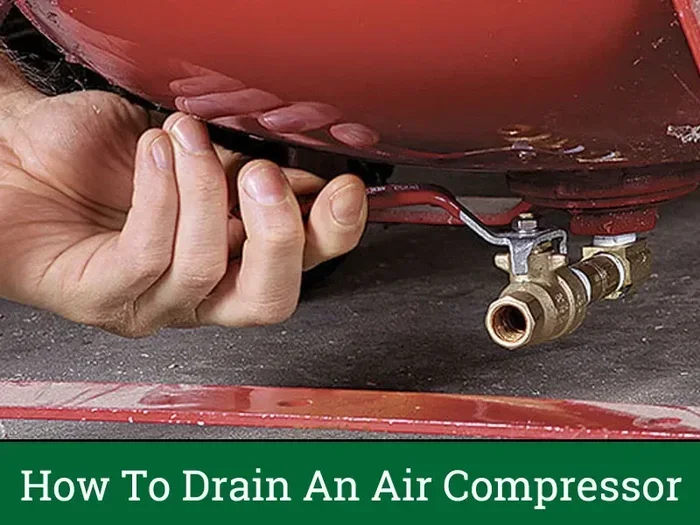
If your compressor has a storage tank, moisture will collect at the bottom over time. Drain the tank regularly to prevent rust and corrosion. This simple habit extends the life of both the tank and the compressor itself.
Common Mistakes to Avoid
Even experienced users sometimes make mistakes with their compressors. Here are a few to watch out for.
- Skipping valve inspections: A worn valve may not cause immediate failure, but it slowly reduces efficiency and increases energy costs.
- Overloading the compressor: Running a compressor beyond its rated capacity causes overheating and premature wear.
- Ignoring lubrication: Running a compressor dry — even for a short time — can cause catastrophic damage to the piston and cylinder.
- Neglecting intake air quality: Dirty or humid intake air contaminates the system and reduces performance.
- Wrong sizing: Just like you need to properly size a generator for your power needs, you must match your compressor to your application demands. An undersized compressor will run constantly and wear out faster.
Expert Insights on Reciprocating Compressor Efficiency
Efficiency is the name of the game with any mechanical compressor. The better your compressor converts input energy into compressed gas, the lower your operating costs and the longer your equipment lasts.
One key factor is the pressure ratio per stage. Keeping the pressure ratio low in each stage of a multi-stage compressor reduces the work required and keeps temperatures manageable. Cooling between stages also improves efficiency significantly.
Another factor is valve timing. The suction and discharge valves must open and close at exactly the right moments. Even a slight timing issue can reduce output and waste energy. Modern compressors use precision valve designs and advanced materials to optimize this timing.
Proper sizing matters too. An oversized compressor wastes energy because it cycles on and off frequently. An undersized compressor runs constantly and overheats. The sweet spot is a compressor that matches your average demand with some margin for peak loads.
When you look at the broader picture of power equipment, the principles of efficient mechanical design apply across the board — whether you are dealing with compressors, power generation units, or other mechanical systems. Proper maintenance, correct sizing, and smart operation are universal keys to long equipment life.
Final Thoughts
The reciprocating compressor is a remarkable machine. Its simple yet elegant design has powered industry for over a century. From the suction stroke to the discharge stroke, every part of the compression cycle works together to turn low-pressure gas into high-pressure gas that drives countless applications.
Understanding how your reciprocating compressor works gives you the knowledge to maintain it better, troubleshoot problems faster, and make smarter purchasing decisions. Whether you run a small workshop or a large industrial facility, this knowledge pays off in reliability, efficiency, and cost savings.
Keep your compressor well-maintained, watch for warning signs, and always size your equipment correctly. A properly cared-for reciprocating compressor will serve you faithfully for decades. Start applying these tips today, and you will notice the difference in performance and longevity.
Frequently Asked Questions
What is the main difference between a reciprocating compressor and a rotary compressor?
A reciprocating compressor uses a piston that moves back and forth inside a cylinder to compress gas. A rotary compressor uses a spinning mechanism like screws or vanes. Reciprocating compressors handle higher pressures, while rotary compressors are better for continuous, high-volume applications.
How often should I service my reciprocating compressor?
You should perform basic checks like oil level and filter inspection every few weeks. A full service, including valve checks and piston ring inspection, should happen every 3 to 6 months depending on usage. Heavy-duty industrial units may need more frequent servicing.
Can a reciprocating compressor compress any type of gas?
Reciprocating compressors can handle a wide range of gases including air, natural gas, propane, and refrigerants. However, the materials and seals must be compatible with the specific gas being compressed. Always check manufacturer specifications before using a compressor with a new gas type.
Why does my reciprocating compressor get hot during operation?
Some heat is normal because the compression process generates thermal energy. However, excessive heat can signal problems like low oil, clogged cooling passages, or valve issues. If your compressor runs unusually hot, check these areas first.
What is volumetric efficiency in a reciprocating compressor?
Volumetric efficiency measures how much actual gas the compressor draws in compared to the theoretical maximum. A higher volumetric efficiency means the compressor is using its cylinder capacity more effectively. Clean valves, good piston ring seals, and proper clearance volumes all improve volumetric efficiency.
Is a reciprocating compressor the right choice for home use?
Yes, small reciprocating compressors are excellent for home workshops. They work well for powering air tools, inflating tires, and light painting tasks. Look for a unit with the right capacity for your tools and a tank size that fits your available space.