Everything You Need to Know About Screw Compressor Oil
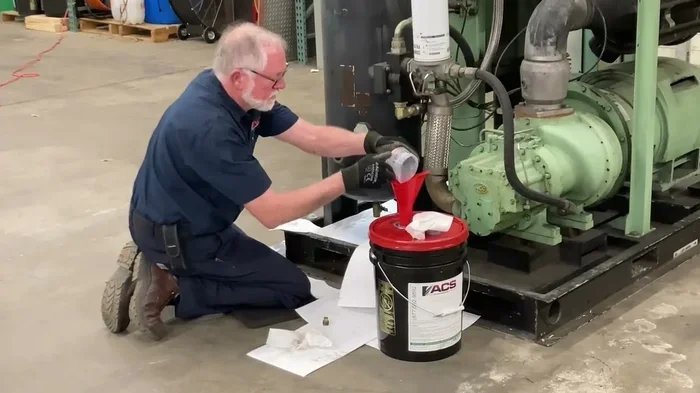
Screw compressor oil plays a vital role in keeping your rotary compressor running smoothly and efficiently. This guide covers everything from the different types of screw compressor oil available to practical tips on when and how to change it. You will learn how to pick the right lubricant, spot warning signs of oil degradation, and extend the life of your compressor with simple maintenance habits.
If you own or operate a rotary screw compressor, you already know how important it is to keep that machine running at its best. And one of the simplest ways to do that? Screw compressor oil. This lubricant does far more than just reduce friction. It cools internal parts, seals gaps between rotors, and helps carry away contaminants. Without the right compressor lubricant, your machine will struggle, overheat, and eventually break down.
Whether you are a factory manager, a workshop owner, or a DIY enthusiast, understanding screw compressor oil will save you time, money, and headaches. This guide walks you through everything you need to know. We cover the types available, how to choose the right one, when to change it, and how to spot problems before they become expensive repairs. Let us get into it.
Key Takeaways
- Screw compressor oil reduces friction, cools components, and seals gaps inside your rotary compressor.
- Synthetic and mineral oils are the two main types, each with distinct benefits for different operating conditions.
- Changing your screw compressor oil on schedule prevents costly repairs and keeps efficiency high.
- Viscosity and operating temperature are the most important factors when choosing the right lubricant.
- Oil degradation shows clear warning signs like dark color, increased noise, and reduced performance.
- Regular oil changes can double your compressor lifespan and save thousands in repair costs over time.
📑 Table of Contents
- What Is Screw Compressor Oil and Why Does It Matter?
- Types of Screw Compressor Oil
- How to Choose the Right Screw Compressor Oil
- How Often Should You Change Screw Compressor Oil?
- Signs Your Screw Compressor Oil Needs Replacing
- Benefits of Using the Right Screw Compressor Oil
- Common Mistakes to Avoid with Screw Compressor Oil
- Expert Tips for Maintaining Your Compressor Oil System
- Oil-Free vs. Oil-Injected Screw Compressors
- Conclusion
What Is Screw Compressor Oil and Why Does It Matter?
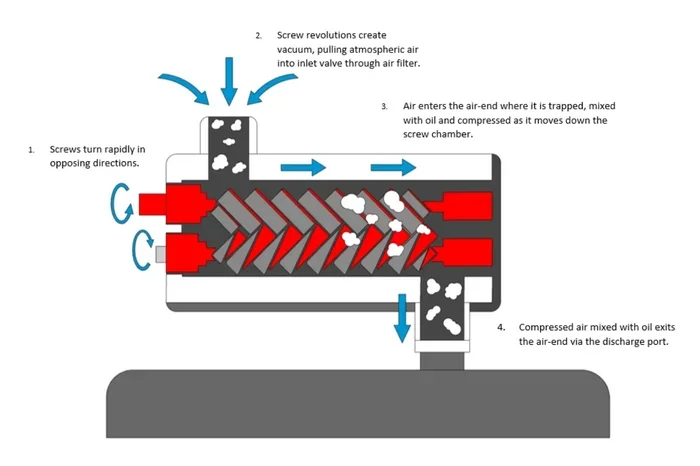
Screw compressor oil is a specialized lubricant designed for rotary screw compressors. Unlike regular motor oil, this lubricant handles extreme pressures and high operating temperatures. It forms a thin film between the rotating rotors, which prevents metal-on-metal contact. That film is what keeps your compressor running quietly and efficiently.
But that is not all. Compressor oil also serves as a coolant. During compression, heat builds up fast. The oil absorbs that heat and carries it away from critical components. It also helps with moisture separation, pulling water out of the compressed air stream. Think of screw compressor oil as the lifeblood of your machine. Without it, everything grinds to a halt.
The Main Functions of Compressor Oil
Here is a quick look at what screw compressor oil actually does inside your machine:
- Lubrication: Reduces friction between moving parts like rotors and bearings.
- Cooling: Absorbs and dissipates heat generated during the compression process.
- Sealing: Fills tiny gaps between rotors to maintain compression efficiency.
- Contamination control: Carries away dust, debris, and moisture toward the oil filter.
- Noise reduction: A well-lubricated compressor runs significantly quieter than a dry one.
When any of these functions weakens, your compressor feels the impact. That is why choosing the right compressor lubricant and staying on top of oil changes matters so much.
Types of Screw Compressor Oil
Not all screw compressor oil is created equal. The two main categories are mineral oil and synthetic oil. Each has its own strengths, and the right choice depends on your operating conditions, budget, and how often you run your compressor.
Mineral-Based Compressor Oil
Mineral oils come from refined crude oil. They have been used in compressors for decades and work well in standard applications. Mineral oil compressor formulations are generally more affordable than synthetic options. They offer decent protection at moderate temperatures and are widely available.
However, mineral oils break down faster under extreme heat. They also oxidize more quickly, which means you will need to change them more frequently. If your compressor runs in a cool or moderate environment and you do not use it heavily, mineral-based compressor oil can be a solid choice.
Synthetic Compressor Oil
Synthetic compressor oil is engineered in a lab for superior performance. It resists oxidation, handles high temperatures better, and lasts longer than mineral alternatives. Many professionals prefer synthetic screw compressor oil because it extends oil change intervals and provides more consistent protection.
Synthetic oils also tend to have better viscosity stability. That means they perform reliably whether your compressor is running in a cold garage in winter or a hot factory floor in summer. The trade-off? Synthetic oil costs more upfront. But for many users, the extended drain intervals and improved compressor efficiency make it worth the investment.
Semi-Synthetic Options
Some manufacturers offer semi-synthetic blends. These combine mineral and synthetic base oils to strike a balance between cost and performance. Semi-synthetic compressor oil can be a good middle ground if you want better protection than mineral oil but do not need the full benefits of a fully synthetic formulation.
How to Choose the Right Screw Compressor Oil
Choosing the right screw compressor oil does not have to be complicated. A few key factors will guide your decision. Let us walk through them.
Check Your Compressor Manual First
Your compressor manufacturer knows the machine best. Start by checking the owner manual for recommended oil specifications. The manual will tell you the right compressor oil grade, viscosity, and any specific requirements. Using the wrong oil can void your warranty and cause premature wear.
Understand Viscosity
Compressor oil viscosity refers to how thick or thin the oil is at different temperatures. Viscosity is measured using ISO grades. Common grades for rotary screw compressors include ISO 32, ISO 46, and ISO 68. Lower numbers mean thinner oil, which flows more easily at low temperatures. Higher numbers mean thicker oil, which holds up better under heat.
Here is a simple way to think about it:
- ISO 32: Best for cooler operating environments and lower load conditions.
- ISO 46: A versatile all-around choice for most standard applications.
- ISO 68: Ideal for high-temperature or heavy-load operations.
Using the wrong viscosity can lead to poor lubrication, increased wear, or overheating. Always match the oil grade to your operating conditions.
Consider Operating Temperature
Operating temperature plays a big role in oil performance. If your compressor runs hot, you need an oil that resists thermal breakdown. Synthetic oils excel here. They maintain their protective film even at temperatures above 200 degrees Fahrenheit. Mineral oils start to degrade faster under those same conditions.
Think About Duty Cycle
How often and how long does your compressor run? A compressor that operates 24/7 in a manufacturing plant needs a more robust compressor lubricant than one used occasionally in a small shop. Heavy-duty applications call for synthetic oils with strong antioxidant properties. Light-duty use can often get by with mineral-based formulations.
How Often Should You Change Screw Compressor Oil?
Staying on top of compressor oil change schedules is one of the easiest ways to protect your investment. But how often should you actually do it? The answer depends on several factors.
Standard Oil Change Intervals
As a general rule, most manufacturers recommend changing screw compressor oil every 2,000 to 8,000 operating hours. The exact interval depends on the oil type and your operating conditions:
- Mineral oil: Typically needs changing every 2,000 to 4,000 hours.
- Synthetic oil: Can last 4,000 to 8,000 hours or more.
- Semi-synthetic oil: Usually falls in the 3,000 to 6,000-hour range.
These are general guidelines. Always refer to your compressor manual for the manufacturer’s recommended interval.
Factors That Shorten Oil Life
Certain conditions cause screw compressor oil to degrade faster. Keep an eye out for these factors:
- High operating temperatures: Heat accelerates oil oxidation and breakdown.
- Frequent short cycles: Start-stop operation puts extra stress on the lubricant.
- Humid conditions: Moisture mixes with oil and promotes sludge formation.
- Overloading: Running the compressor beyond its rated capacity stresses the oil.
If any of these apply to your setup, you may need to change your compressor oil more often than the standard interval suggests.
Signs Your Screw Compressor Oil Needs Replacing
Do not wait for a breakdown to realize your oil needs changing. Your compressor will give you warning signs. Learning to recognize them can save you from expensive repairs.
Dark or Dirty Oil
Fresh screw compressor oil is usually amber or golden in color. Over time, it darkens as it picks up contaminants. If you check the oil and it looks very dark or black, that is a clear sign it is time for a change. However, some darkening is normal during regular use. Look for a significant change in color and texture.
Increased Noise or Vibration
A compressor that starts sounding rougher than usual may be running low on oil or using degraded lubricant. Without proper lubrication, metal parts rub together, creating noise and vibration. If you notice a change in sound, check your oil level and condition first.
Reduced Efficiency
If your compressor takes longer to build pressure or struggles to maintain it, the lubrication system may be compromised. Old oil loses its ability to seal gaps between rotors, which reduces compression efficiency. You will notice higher energy consumption and lower output.
Overheating
Compressors generate heat, but they should not overheat. If your machine is running hotter than normal, degraded oil may not be carrying heat away effectively. Check the oil level and condition, and inspect the oil filter for blockages.
Oil Carryover in the Output
Notice oil mist or liquid coming from your compressed air outlet? This is called oil carryover and it signals that the oil is breaking down or that the oil separator is failing. Either way, it needs immediate attention. Continuing to operate with oil carryover can damage downstream equipment and contaminate your finished products.
Benefits of Using the Right Screw Compressor Oil
Investing in quality screw compressor oil pays off in many ways. Here is what you can expect when you use the right lubricant and stay on top of maintenance.
Extended Compressor Lifespan
Proper lubrication reduces wear on rotors, bearings, and gears. Over time, this adds years to the life of your compressor. A well-maintained rotary screw compressor can last 50,000 to 100,000 hours or more. Neglecting oil changes cuts that lifespan dramatically.
Improved Energy Efficiency
Fresh oil flows smoothly and reduces friction inside the compressor. Less friction means less energy wasted. Many users report a 5 to 10 percent improvement in energy efficiency after switching to a high-quality compressor lubricant and sticking to a regular change schedule.
Better Air Quality
Clean oil helps separate moisture from the compressed air stream. This leads to cleaner, drier output air. For industries like food processing, pharmaceuticals, and electronics manufacturing, air compressor maintenance directly impacts product quality.
Fewer Repairs and Downtime
Prevention is always cheaper than repair. Regular oil changes and using the right screw compressor oil prevent most common compressor problems. You avoid unexpected breakdowns, costly emergency repairs, and production downtime.
Longer Oil Filter and Separator Life
Quality oil stays cleaner longer, which means your oil filter and oil separator do not clog as fast. This extends their service life and reduces maintenance costs. It is a win-win for your budget and your compressor.
Common Mistakes to Avoid with Screw Compressor Oil
Even experienced compressor operators make mistakes with lubrication. Here are some common errors you should avoid.
Using the Wrong Oil Type
Never assume any oil will work. Using the wrong compressor oil grade or type can cause poor lubrication, increased wear, and even compressor failure. Always use oil specifically formulated for rotary screw compressors.
Skipping Oil Changes
It is tempting to stretch oil change intervals, especially if the compressor seems to be running fine. But by the time you notice problems, the damage may already be done. Stick to your recommended schedule.
Ignoring Oil Analysis
Oil analysis is a powerful tool that many users overlook. Sending a sample of your used oil to a lab can reveal early signs of wear, contamination, or thermal stress. It gives you a heads-up before a small issue becomes a big problem.
Neglecting the Oil Filter
Changing the oil without replacing the filter is a wasted effort. The old filter will contaminate the fresh screw compressor oil with trapped debris. Always change the filter at the same time as the oil.
Overfilling or Underfilling
Both too much and too little oil cause problems. Overfilling can lead to oil carryover and increased energy consumption. Underfilling causes inadequate lubrication and overheating. Always check the oil level on the sight glass or dipstick and maintain it at the recommended level.
Expert Tips for Maintaining Your Compressor Oil System
Want to get the most out of your compressor lubricant? Follow these practical tips from industry professionals.
- Check oil levels daily: A quick visual check takes seconds and catches problems early.
- Monitor oil temperature: Keep an eye on your compressor’s operating temperature. Excessive heat is the number one enemy of oil life.
- Keep the machine clean: Wipe down the compressor regularly to prevent dust and debris from entering the oil system.
- Use genuine OEM oil when possible: Manufacturer-recommended oils are tested specifically for your model.
- Record every oil change: Keep a log of oil changes, oil types used, and operating hours. This makes it easier to track maintenance patterns.
- Store oil properly: Keep oil containers sealed and stored in a cool, dry place to prevent contamination before use.
These small habits add up to big savings over the life of your compressor. A few minutes of attention each day can prevent weeks of downtime and thousands of dollars in repairs.
Oil-Free vs. Oil-Injected Screw Compressors
It is worth noting that not all screw compressors use oil. Oil-free compressors run without any lubricant in the compression chamber. They use special coatings and tight tolerances to reduce friction. These compressors are popular in applications where air purity is critical, such as medical facilities and food processing plants.
However, oil-free compressors have trade-offs. They typically run hotter, have shorter lifespans, and cannot handle the same level of heavy-duty use as oil-injected models. For most industrial and workshop applications, oil-injected screw compressors using quality screw compressor oil remain the preferred choice. They offer better cooling, longer component life, and more consistent performance.
Conclusion
Screw compressor oil is far more than just a fluid in your machine. It is the foundation of reliable, efficient, and long-lasting compressor operation. From choosing the right compressor oil grade to staying on top of oil changes, every decision you make about lubrication impacts your compressor’s performance and lifespan.
Use the right type of oil for your application, watch for warning signs of degradation, and never skip scheduled maintenance. Your compressor will reward you with years of dependable service, lower energy bills, and fewer unexpected breakdowns. Take care of your screw compressor oil, and it will take care of your business.
Frequently Asked Questions
Can I use regular motor oil in my screw compressor?
No, you should not use regular motor oil in a rotary screw compressor. Motor oil is not formulated to handle the extreme pressures, high temperatures, and continuous operation that compressors demand. Always use oil specifically designed as screw compressor oil to ensure proper lubrication, cooling, and sealing.
How long does screw compressor oil last?
The lifespan of screw compressor oil depends on the type of oil and your operating conditions. Mineral oils typically last 2,000 to 4,000 hours, while synthetic oils can last 4,000 to 8,000 hours or more. Check your compressor manual and monitor oil condition regularly to determine the best change interval for your setup.
What happens if I don’t change my compressor oil?
Skipping oil changes leads to oil degradation, increased friction, overheating, and eventually compressor failure. Degraded oil loses its lubricating and cooling properties, which causes excessive wear on internal components. The cost of replacing a compressor far exceeds the cost of regular oil changes.
Is synthetic oil better for screw compressors?
Yes, synthetic compressor oil generally offers superior performance compared to mineral oil. It resists oxidation better, handles higher temperatures, lasts longer, and provides more consistent protection. While synthetic oil costs more upfront, the extended drain intervals and improved efficiency often make it the better long-term investment.
Can I mix different brands of screw compressor oil?
It is best to avoid mixing different brands or types of compressor lubricant. Different formulations may not be chemically compatible, which can reduce performance and potentially damage your compressor. If you need to top up between changes, use the same brand and type already in the system.
What is the difference between oil-injected and oil-free compressors?
An oil-injected compressor uses screw compressor oil inside the compression chamber for lubrication, cooling, and sealing. An oil-free compressor does not use oil in the compression chamber, relying instead on special coatings and tight tolerances. Oil-injected compressors are more common in industrial settings because they offer better cooling, longer lifespans, and higher reliability under heavy use.