Air Pressure Compressor Everything You Need To Know Today
An air pressure compressor is a machine that converts power into compressed air energy. This guide covers how compressors work, the different types available, key maintenance tips, and common troubleshooting steps. Whether you are a DIYer or a professional, understanding your compressor helps you get the best performance and longest lifespan.
An air pressure compressor is one of the most versatile tools you can own. Whether you are inflating tires, powering nail guns, or running a full workshop, this machine does the heavy lifting. Compressed air drives countless tasks across garages, construction sites, and factories.
But how much do you really know about how your compressor works? Many people buy one and use it for years without understanding the basics. That changes today. In this guide, we break down everything you need to know about air pressure compressors in plain, simple language. You will learn how they function, which type fits your needs, and how to keep it running for years.
The goal here is simple. We want you to feel confident using, maintaining, and troubleshooting your compressor. No confusing jargon. No unnecessary fluff. Just clear, helpful information you can put to work right away.
Key Takeaways
- Core Function: An air pressure compressor draws in air and compresses it to store energy for various tools and tasks.
- Multiple Types: You will find reciprocating, rotary screw, and portable compressors, each suited for different jobs.
- Maintenance Matters: Regular oil checks, drain cycles, and filter replacements keep your compressor running smoothly.
- Pressure Settings Are Key: Proper cut-in and cut-out pressure settings prevent damage and improve efficiency.
- Troubleshooting Helps: Knowing common problems like pressure loss or motor failure saves time and money.
- Right Sizing Counts: Choosing the correct compressor size for your needs ensures optimal performance and energy use.
📑 Table of Contents
- What Is an Air Pressure Compressor?
- Types of Air Pressure Compressors
- How to Set Up Your Air Pressure Compressor
- Air Pressure Compressor Maintenance Tips
- Common Air Pressure Compressor Problems and Solutions
- How to Choose the Right Air Pressure Compressor
- Expert Tips for Getting the Most from Your Compressor
- Conclusion
What Is an Air Pressure Compressor?
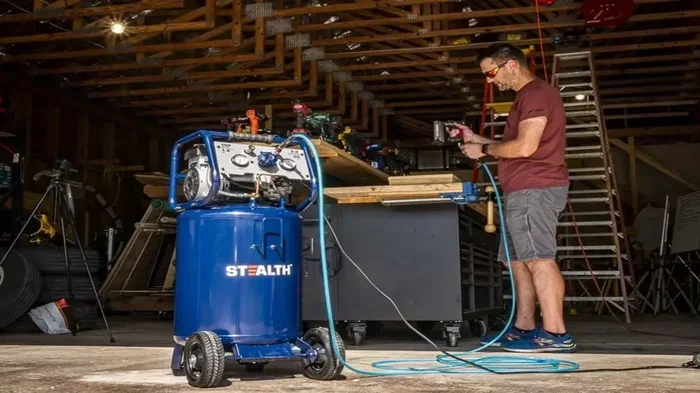
At its core, an air pressure compressor takes in surrounding air and squeezes it into a smaller space. This process increases the air pressure and stores energy. That stored energy then powers tools, fills tires, and runs pneumatic equipment.
Think of it like a bicycle pump. When you push down on the handle, you compress air inside the tube. A compressor does the same thing, but on a much larger scale. Instead of hand power, it uses an electric motor, gas engine, or diesel engine to do the compressing.
The compressed air flows into a tank. The tank holds the air at high pressure until you need it. When you pull the trigger on a nail gun or connect a wrench, the stored air rushes out and does the work. This cycle of filling and using air is called the compressor duty cycle.
How Does the Compression Process Work?
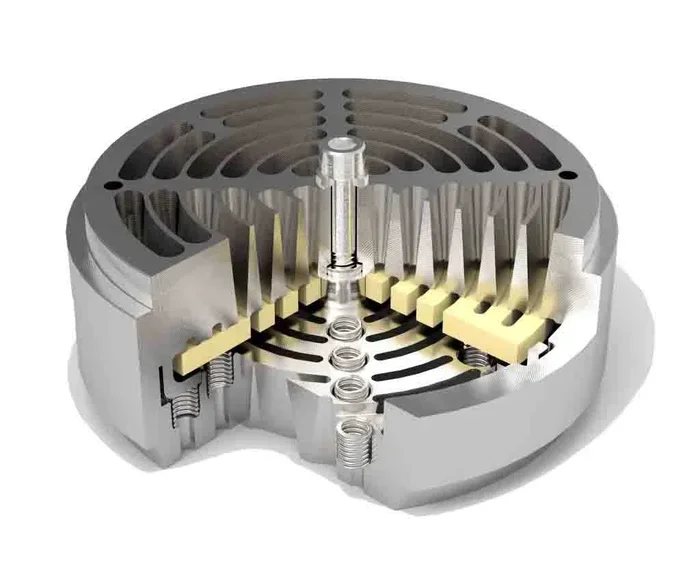
Here is a simple breakdown of the process. First, the compressor motor turns on and draws in outside air. Next, a piston or rotor squeezes that air into a smaller volume. As the air gets compressed, its pressure rises. The high-pressure air then moves into the storage tank.
Inside the tank, a pressure switch monitors the air level. When the pressure reaches the cut-out pressure setting, the switch turns the motor off. When you use air and the pressure drops to the cut-in pressure, the switch turns the motor back on. This automatic cycle keeps your system ready to go.
Key Components of a Compressor
Every air pressure compressor has several important parts. Understanding them helps you maintain and troubleshoot your machine. Here are the main components:
- Motor: Provides the power to run the compressor. Electric motors are common in home workshops.
- Piston or Rotor: Does the actual compressing of air. Reciprocating pistons and rotary screws are the two main designs.
- Air Tank: Stores the compressed air until you need it. Tank size affects how long you can run tools continuously.
- Pressure Switch: Controls when the motor turns on and off based on tank pressure.
- Pressure Gauge: Shows you the current pressure level in the tank.
- Regulator: Lets you adjust the output pressure to match your tool requirements.
- Unloader Valve: Releases pressure from the pump when the motor stops, making it easier to start the next cycle.
Types of Air Pressure Compressors
Not all compressors are the same. Different types serve different purposes. Choosing the right one depends on your needs, budget, and workspace.
Reciprocating Compressors
Reciprocating compressors use a piston that moves back and forth inside a cylinder. This design is common in smaller, portable compressors. They work well for intermittent use, which means you run them, then let them rest.
These are great for home garages, small shops, and DIY projects. They come in single-stage and two-stage versions. A single-stage compressor compresses air once. A two-stage compressor compresses air twice for higher pressure output.
Rotary Screw Compressors
Rotary screw compressors use two meshing rotors to compress air continuously. They are smoother, quieter, and built for heavy-duty use. You will find these in large workshops and industrial settings.
If you need constant air supply for long periods, a rotary screw compressor is a solid choice. They last longer and handle continuous duty cycles better than reciprocating models.
Portable and Pancake Compressors
Portable compressors are lightweight and easy to move around. The popular pancake compressor style has a flat, round tank that stores vertically. These are perfect for inflating tires, running a brad nailer, or light sanding tasks.
Many homeowners start with a pancake compressor because of its affordability and compact size. If you want to know how much power one uses, check out our guide on how many watts a pancake air compressor uses.
Stationary vs. Portable
Stationary compressors stay in one place and typically have larger tanks and more powerful motors. Portable compressors are lighter and easier to transport. Your choice depends on whether you need mobility or raw power.
| Feature | Stationary Compressor | Portable Compressor |
|---|---|---|
| Tank Size | Larger (60+ gallons) | Smaller (1-30 gallons) |
| Power Source | Electric or gas | Electric mostly |
| Best For | Workshop, factory | Home, job site |
| Mobility | Low | High |
| Price Range | $500-$5000+ | $100-$800 |
How to Set Up Your Air Pressure Compressor
Setting up your compressor correctly makes a big difference in performance and safety. Follow these steps for a smooth start.
Step-by-Step Setup Process
- Choose a Level Surface: Place your compressor on a flat, stable floor. This reduces vibration and prevents damage.
- Check the Oil Level: Many compressors need oil for the pump. Before first use, check the oil level using the dipstick. Learn how in our guide on how to check air compressor oil level.
- Connect the Power: Plug the compressor into a grounded outlet. Use the correct gauge extension cord for your model.
- Set the Pressure Switch: Adjust the cut-in and cut-out pressure using the pressure switch. This ensures the motor turns on and off at the right levels.
- Attach Your Tools: Connect your air hose and tools. Make sure all fittings are tight and secure.
- Test Run: Turn on the compressor and let it build pressure. Watch the gauge and listen for unusual sounds.
Quick Tips for First-Time Users
- Always read your owner’s manual before first use.
- Let the tank drain moisture after each use.
- Never exceed the maximum PSI rating on any tool or fitting.
- Keep the area around the compressor clean and well-ventilated.
- Check for air leaks by listening for hissing sounds.
Air Pressure Compressor Maintenance Tips
Regular maintenance keeps your compressor running efficiently and extends its life. A well-maintained compressor also uses less energy and fewer replacement parts.
Daily Maintenance Tasks
After each use, take a few minutes to care for your machine. Drain the moisture from the tank. Moisture buildup can cause rust and reduce tank life. You can find detailed instructions in our article on how to clean out air compressor tank.
Wipe down the exterior to remove dust and debris. Check the air filter for clogs. A dirty filter restricts airflow and makes the motor work harder.
Weekly and Monthly Tasks
Once a week, inspect all hoses and fittings for leaks. A small leak wastes compressed air and increases energy costs. Use a soapy water solution on fittings to spot bubbles that indicate leaks.
Monthly tasks include checking the oil level, inspecting the belt (if applicable), and cleaning the intake vents. For oil-lubricated compressors, change the oil according to the manufacturer’s schedule.
Seasonal and Annual Maintenance
At least once a year, perform a deeper inspection. Check the pressure switch for proper operation. Inspect the unloader valve and replace it if it shows wear. Examine the air compressor tank for rust or corrosion.
Consider replacing the air filter and oil filter annually. These small parts are inexpensive and make a big difference in performance.
Common Air Pressure Compressor Problems and Solutions
Even the best compressor can develop problems over time. Knowing what to look for helps you fix issues quickly.
Compressor Won’t Build Pressure
This is one of the most common complaints. The cause is often a worn gasket, a clogged intake filter, or a leaking hose. Check each of these areas first. You can also visit our guide on why won’t my air compressor build pressure for more detailed troubleshooting steps.
Compressor Keeps Shutting Off
If your compressor shuts off too soon, the pressure switch may be malfunctioning. The tank might also have too much moisture, causing the pressure to rise faster than normal. Another possibility is a clogged filter or a failing motor capacitor.
For more on this issue, read our article on why does my air compressor keep shutting off.
Compressor Runs Constantly
A compressor that never stops may have a leak in the system or a pressure switch set too high. It could also mean the unloader valve is stuck. Running constantly wears out the motor and wastes electricity.
Visit why does my air compressor keep running for a deeper look at this problem.
Unusual Noises
Grinding, knocking, or squealing sounds are never good signs. They often indicate worn bearings, loose parts, or low oil levels. Turn off the compressor immediately and inspect the source of the noise.
How to Choose the Right Air Pressure Compressor
Choosing the right compressor means matching the machine to your needs. Here is what to consider before you buy.
Consider Your CFM and PSI Needs
CFM stands for cubic feet per minute. It measures the volume of air the compressor delivers. PSI stands for pounds per square inch. It measures the pressure. Your tools will list the CFM and PSI they need to operate.
Add up the CFM requirements of all the tools you plan to use at the same time. Then choose a compressor that delivers at least 1.5 times that amount. This gives you a comfortable margin.
Tank Size Matters
A larger tank stores more compressed air. This means the motor runs less frequently and the tool gets a steadier air supply. For intermittent tasks like inflating tires, a small tank works fine. For continuous tools like sanders or spray guns, a larger tank is better.
Power Source
Electric compressors are quieter and cleaner. They work best in indoor workshops and garages. Gas-powered compressors deliver more power and are ideal for outdoor job sites where electricity is not available.
Budget and Brand
You do not need to spend a fortune to get a reliable compressor. Many quality options exist at every price point. Look for brands with good customer support and available replacement parts. Our air compressor parts store carries parts for most major brands.
Expert Tips for Getting the Most from Your Compressor
Here are some insider tips from experienced users and technicians that will help you get more out of your machine.
- Keep the intake area clear: Dust and debris around the intake vent restrict airflow and cause the motor to overheat.
- Use the right oil: Always use the oil type recommended by the manufacturer. Wrong oil can damage the pump prematurely.
- Monitor the pressure gauge: Keep an eye on the gauge during use. If pressure drops quickly, you may have a leak or a failing pump.
- Don’t skip the regulator: A pressure regulator lets you fine-tune the output for different tools. It protects your equipment from too much pressure.
- Store properly: When not in use, keep the compressor in a dry, covered area. Moisture and extreme temperatures shorten its lifespan.
Following these simple tips can add years to your compressor’s life. You will also notice better performance and lower energy bills.
Conclusion
An air pressure compressor is a powerful tool that makes many jobs easier and faster. From inflating tires to running pneumatic tools, the right compressor saves you time and effort. Understanding how your compressor works helps you use it safely and efficiently.
Remember the key points from this guide. Choose the right type for your needs. Set up your compressor correctly. Perform regular maintenance. Troubleshoot problems early. And always follow the manufacturer’s guidelines. With proper care, your compressor will serve you well for many years.
Whether you are a weekend warrior or a full-time professional, knowing your compressor inside and out gives you an edge. You will work smarter, stay safer, and get better results every time you power up.
Frequently Asked Questions
How does an air pressure compressor work?
An air pressure compressor draws in outside air and uses a motor-driven piston or rotor to squeeze it into a smaller space. This increases the air pressure and stores energy in the tank. When you need power, the compressed air flows out to run your tools.
What size air compressor do I need for home use?
For most home tasks like inflating tires and running a brad nailer, a small portable compressor with a 1-6 gallon tank works great. Look for a compressor that delivers at least 2-4 CFM at 90 PSI for basic home projects.
How often should I drain my air compressor tank?
You should drain the moisture from your tank after every use. Moisture buildup causes rust and can damage the tank over time. If you use your compressor daily, make draining the tank part of your routine.
Can I use my air compressor outdoors?
Yes, you can use an air compressor outdoors. Electric models work well in dry conditions. Gas-powered compressors are ideal for outdoor job sites where electricity is not available. Always place the compressor on a stable, level surface.
Why does my air compressor pressure switch keep tripping?
A pressure switch that trips frequently may have a clogged filter, a leaking hose, or a faulty switch itself. Check for air leaks first, then inspect the filter and pressure switch settings. If the problem continues, the switch may need replacement.
Is it safe to leave my air compressor plugged in when not in use?
It is generally safe to leave your compressor plugged in if it has a properly functioning pressure switch. The switch will turn the motor off when the tank reaches full pressure. However, unplugging it when not in use is a good safety habit.