Why Does My Air Compressor Keep Running Without Stopping
An air compressor that keeps running without stopping is usually caused by a faulty pressure switch, air leaks, or a malfunctioning unloader valve. When the pressure switch fails to signal the motor to shut off, the compressor runs continuously, wasting energy and putting unnecessary strain on the system. In many cases, simple fixes like checking for leaks or replacing a worn pressure switch can resolve the problem quickly.
There is something unsettling about hearing your machine hum away in the garage when it should be resting. If why does my air compressor keep running is a question keeping you up at night, you are not alone. Many homeowners face this exact frustration when their trusty tank just will not shut off. It is a sign that something is not quite right inside the system.
Usually, a compressor should stop once it hits the right pressure level. When it keeps going, it wastes energy and wears out parts faster. Understanding the root cause helps you fix the problem before it turns into a big repair bill. Let us look at the main reasons your unit might be running nonstop.
Sometimes the issue is a simple fix you can handle yourself. Other times, it points to a deeper mechanical failure that needs a pro. Either way, ignoring the problem will only make things worse. Below, we break down the most common reasons your air compressor keeps running when it should not. You will learn what to check and how to fix it.
Key Takeaways
- Check your pressure switch: a faulty switch is the most common cause of continuous running.
- Inspect the unloader valve: a stuck valve forces the compressor to run nonstop.
- Verify air leaks: even small leaks in hoses make your compressor work overtime.
- Replace worn gaskets and seals: degraded seals cause pressure loss and constant motor operation.
- Monitor your tank pressure: if it never reaches the cutoff level, the compressor won’t stop.
- Schedule routine maintenance: regular upkeep prevents most issues that cause endless compressor running.
📑 Table of Contents
The Role of the Pressure Switch in Stopping Your Unit
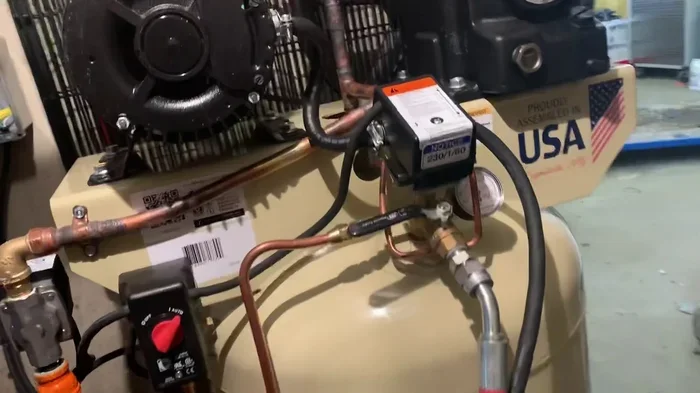
The pressure switch is the brain behind your machine’s on and off cycles. It monitors the tank pressure and tells the motor to stop when the target is reached. If why does my air compressor keep running is your puzzle, the switch is often the first place to look. This small component plays a huge role in your system’s daily operation.
How the Cut-out Pressure Works
When you set your tank pressure, you define the cut-out point. This is the pressure level where the switch tells the motor to shut down. For most home models, this happens around 120 to 150 pounds per square inch. Once the air tank reaches this level, the circuit breaks and the motor stops. The cut-in pressure is the lower level where the motor starts again. A healthy system cycles between these two points smoothly.
When the Switch Fails to Trip
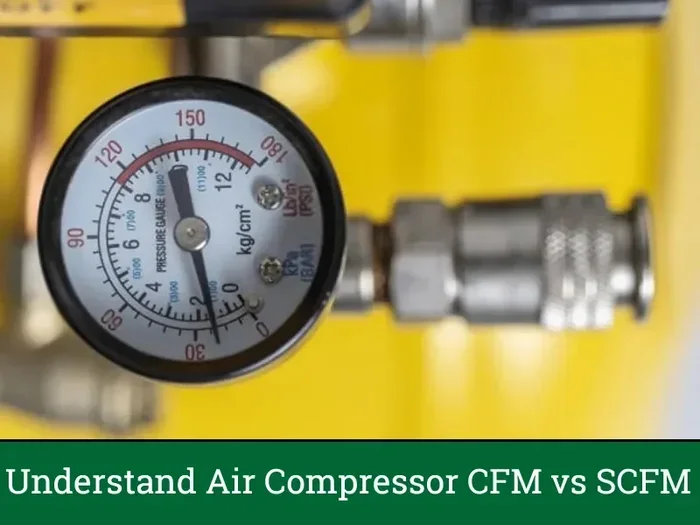
Sometimes the switch gets stuck in the on position. This means the motor keeps drawing power even when the tank is full. A broken switch can cause continuous operation, which overheats the motor. If your unit never clicks off, a faulty switch is likely the reason your air compressor keeps running without pause. You might also notice the pressure gauge rising far beyond the normal limit. This is a dangerous situation that requires immediate attention.
- Check the switch lever for physical damage.
- Listen for a click when the tank reaches full pressure.
- Test the switch with a multimeter for continuity.
It helps to understand how the system builds pressure in the first place. The compressor pump pulls in ambient air and squeezes it into the tank. As the air density increases, so does the pressure. When the gauge hits the upper limit, the switch should intervene. If it fails to do so, the motor has no way of knowing it should stop. This is a very common reason your air compressor keeps running past the safe limit.
Common Culprits Behind Continuous Operation
Beyond the switch, several other issues can force your machine to run endlessly. Each problem creates a unique symptom, but they all share one result: wasted energy and extra wear on the motor. Catching these early saves you from expensive repairs.
A Faulty Pressure Switch
A worn-out contact inside the switch can weld itself together. This creates a permanent electrical connection that bypasses the normal stop command. You might notice the unit runs even when there is no air demand. Replacing the switch is usually the only way to stop this endless cycle. Dirt and moisture can also cause the contacts to stick. Regular cleaning of the switch components helps prevent this failure.
Air Leaks in the System
Even a tiny leak can drain your tank faster than the pump can fill it. When the pressure drops below the cut-in level, the motor kicks back on. If the leak is severe, the compressor never reaches the cut-out pressure. This causes the motor to run continuously. Check your hoses and fittings for hissing sounds to find hidden leaks. A simple soapy water test can reveal even the smallest air leak. Apply the solution to all connections and watch for bubbles.
Incorrect Regulator Settings
The regulator controls the output pressure to your tools. If you set it too high, the tank fills up fast but the demand never matches the supply. Conversely, a low setting might not give your tools enough power. Incorrect regulator settings often lead to the motor running longer than necessary. Always match your regulator to the tool requirements. Using the right regulator setting ensures efficient cycling and prevents continuous operation.
The Impact of Moisture
Moisture is another silent enemy in your system. As air compresses, water vapor condenses inside the tank. Over time, this moisture can corrode the tank and block the pressure passage. A blocked passage prevents the switch from sensing the true tank pressure. This causes the motor to run even when the tank is full. Regularly draining your tank removes this built-up moisture. It keeps the pressure sensing mechanism working accurately.
Mechanical Issues Causing the Problem
Internal parts wear down over time, especially if you use your machine frequently for heavy-duty jobs. When mechanical components fail, the system cannot build enough pressure to trigger the stop command. This leads to continuous operation and eventually to an overheating motor.
Unloader Valve Malfunctions
The unloader valve releases trapped air from the pump when the motor stops. If this valve gets stuck, air remains trapped in the lines. The pump then has to work twice as hard to overcome this resistance. A stuck valve prevents the motor from reaching the cut-out pressure. This is why why does my air compressor keep running is a common concern for many owners. You may hear a loud bang when the motor tries to restart against trapped air. Replacing a faulty unloader valve is usually inexpensive and straightforward.
Worn Out Compressor Pump
The pump is the heart of your system. Over time, seals and valves inside the pump wear thin. This reduces the pump’s ability to build pressure efficiently. A worn pump takes much longer to reach the target PSI. In severe cases, it never gets there, leaving the motor running nonstop. Regularly checking pump oil levels can help extend its life. If you notice excessive moisture in the output air, the pump valves might be failing.
Belt Slippage and Wear
If your compressor uses a belt drive, slippage can cause major issues. A worn or loose belt cannot transfer power efficiently. The motor runs, but the pump spins too slowly to build adequate pressure. This results in a machine that never reaches the cut-out point. Inspect the drive belt for cracks, glazing, or improper tension. Replacing a worn belt is a cheap fix that restores proper pump speed. A tight, clean belt ensures the motor and pump work in harmony.
Electrical and Power Related Factors
Sometimes the problem is not mechanical at all. Electrical issues can easily mimic mechanical failures, causing confusion for DIYers. Understanding the electrical side helps you narrow down the true cause. A stable power supply is essential for proper cycling.
Motor Overload and Circuit Issues
An overloaded motor struggles to keep up with demand. If the circuit breaker trips frequently, the motor might restart in a loop. This creates a situation where the unit seems to run constantly. Check your electrical connections and ensure the circuit is dedicated to the compressor. A shared circuit can cause voltage drops that prevent proper shutoff. Always use the correct gauge extension cord for your machine.
Power Supply Fluctuations
Inconsistent power supply can also confuse the pressure switch. If the voltage drops, the motor slows down and takes longer to build pressure. If you are running heavy tools on a weak power source, the compressor might never reach the cut-out point. This leads to continuous operation and eventual overheating.
If you are running your compressor off a backup power source, you might face a situation where the engine stalls under heavy load, which is exactly why does my generator keep turning off when the demand exceeds capacity. The sudden power draw can overwhelm a small engine, causing it to shut down unexpectedly. This continuous draw can also lead to unexpected shutdowns, much like why does my generator shut off after 30 minutes when the fuel supply cannot keep up with the demand. To prevent these power related issues, you need to understand the consumption, just as you would track how much gas a generator uses per hour to plan your fuel budget effectively.
Capacitor Failure in Single Phase Motors
Many home compressors use single phase motors that rely on a start capacitor. If this capacitor fails, the motor might hum but not start properly. It draws locked rotor amps, which causes overheating. The thermal overload kicks in, but the capacitor keeps trying to start the motor. This creates a frustrating loop where the unit seems to run constantly. Testing the capacitor with a multimeter is an easy way to rule out this electrical fault. Replacing a bad capacitor is often the simplest repair you can do.
Compressor Types and Their Duty Cycles
Different compressors handle continuous operation differently. Understanding your machine’s design helps you set realistic expectations for its use. The duty cycle tells you how long a machine can run safely before needing a rest.
| Compressor Type | Duty Cycle | Continuous Run Risk | Best Use Case |
|---|---|---|---|
| Oilless Rotary Screw | 100% | Low | Continuous factory operations |
| Oil Lubricated Reciprocating | 50% | High | Intermittent garage work |
| Portable Pancake | 30% | Very High | Quick inflation tasks |
| Two Stage Stationary | 100% | Low | Heavy industrial use |
As you can see, not all machines are built for continuous operation. If you run a pancake compressor beyond its duty cycle, it will overheat and fail to stop. Always match your compressor to the task at hand to avoid mechanical stress. A high duty cycle model is best if you need continuous operation for your workshop.
Preventative Maintenance Tips for Your System
Regular care keeps your machine running smoothly and prevents the frustration of a nonstop motor. A simple maintenance schedule saves you money and extends the life of your equipment. Taking a few minutes each week can prevent major breakdowns.
Daily Checks You Should Perform
Before starting your unit each day, do a quick visual inspection. Look for obvious air leaks around the fittings and hoses. Listen for unusual noises that might indicate a failing component. Check the oil level if your model requires it, and drain the tank moisture from the previous day. These small steps take just a few minutes but prevent big problems. A clean machine runs cooler and cycles more efficiently.
Long-Term Care Strategies
Beyond daily checks, schedule deeper maintenance every few months. Replace the air filter to ensure proper airflow. Inspect the unloader valve for signs of wear or sticking. Change the pump oil according to the manufacturer’s recommendations. Keeping up with these tasks ensures the pressure switch works correctly. Regular maintenance ensures you never have to deal with why does my air compressor keep running again. Here is a simple checklist to follow:
- Inspect all hoses for cracks or leaks.
- Drain the tank moisture after every use.
- Check the drive belt for tension and wear.
- Clean the air intake filter regularly.
- Lubricate moving parts as recommended.
Remember that every compressor is different, and the exact cause can vary based on your model and usage. Taking the time to diagnose the problem correctly ensures you do not waste money on the wrong parts. Whether it is a simple air leak or a complex mechanical failure, the fix is always within reach. Keep your workshop running safely by staying proactive with your maintenance routine and listening to what your machine is telling you.
Frequently Asked Questions
Why Does My Air Compressor Keep Running Without Stopping?
Your air compressor may keep running because of a faulty pressure switch, a leak in the system, or a damaged unloader valve. These components are responsible for telling the compressor when to shut off, and if they fail, the motor will continue to run nonstop.
Can a Bad Pressure Switch Cause an Air Compressor to Keep Running?
Yes, a malfunctioning pressure switch is one of the most common reasons an air compressor won’t stop running. When the switch can’t detect the correct pressure level, it fails to send the shut-off signal to the motor.
How Do I Know if My Air Compressor Has an Air Leak?
If your compressor keeps running despite reaching the cut-out pressure, there may be a slow air leak in the hose, fittings, or tank itself. You can check for leaks by applying soapy water to connections and watching for bubbles to form.
What Should I Do if My Air Compressor Runs Continuously?
First, check the pressure switch and adjust it if needed. If the switch is working correctly, inspect the unloader valve and all air connections for leaks or damage that could prevent the system from reaching the shutdown pressure.
Is It Safe to Let My Air Compressor Run All the Time?
No, running an air compressor continuously can cause overheating, motor burnout, and increased wear on internal components. It also wastes a significant amount of electricity, which drives up your energy costs over time.
Can a Clogged Filter Make My Air Compressor Keep Running?
Yes, a dirty or clogged intake filter restricts airflow, which can prevent the compressor from building enough pressure to trigger the shut-off. Regularly cleaning or replacing the filter helps the system operate efficiently and cycle on and off as designed.




One Comment