LG Refrigerator Compressor Replacement Guide and Tips
LG refrigerator compressor replacement is a repair that many homeowners can handle with the right knowledge and tools. This guide covers everything from identifying early compressor failure symptoms to understanding the full compressor replacement cost. You will learn practical steps, common mistakes to avoid, and expert tips that help you make the best decision for your fridge and your budget.
Dealing with a warm fridge is never fun, and a failing compressor is often the culprit. If your LG refrigerator compressor replacement is on your mind, you have come to the right place. This guide walks you through every step of the process with clear, practical advice. You will learn how to spot compressor problems, understand the costs involved, and decide whether to tackle the repair yourself or call a professional. By the end, you will feel confident and informed about your next move.
A broken compressor can turn your kitchen into a warm, frustrating place fast. Your LG refrigerator works hard every day to keep food fresh, and the compressor is the heart of that system. When it starts to fail, you need to act quickly to save your groceries and avoid a bigger repair bill.
Key Takeaways
- Spot the warning signs early: Unusual compressor humming, clicking sounds, and a fridge that runs but does not cool are key lg fridge compressor symptoms you should never ignore.
- Know your costs upfront: The compressor replacement cost typically ranges from $200 to $600, depending on parts, labor, and whether you go DIY or hire a pro.
- Follow the right steps: Replacing a compressor involves removing the old unit, installing the new one, and properly evacuating and recharging the refrigerant system.
- Avoid common mistakes: Skipping the evacuation step, installing the wrong compressor, and forgetting to check the start relay are the top errors that lead to repeat failures.
- Maintain your fridge regularly: Cleaning condenser coils, checking door seals, and scheduling annual professional maintenance can extend your compressor life by years.
- Know when to replace the whole fridge: If your unit is over 12 years old and repair costs exceed half the price of a new one, a full replacement may be the smarter choice.
📑 Table of Contents
- Understanding LG Refrigerator Compressor Replacement
- Signs Your LG Refrigerator Compressor Is Failing
- LG Refrigerator Compressor Replacement Cost Breakdown
- How to Replace an LG Refrigerator Compressor Step by Step
- Common Mistakes to Avoid During Compressor Replacement
- Maintaining Your LG Refrigerator Compressor for Longevity
- When to Replace the Entire Refrigerator Instead
- Conclusion
Understanding LG Refrigerator Compressor Replacement
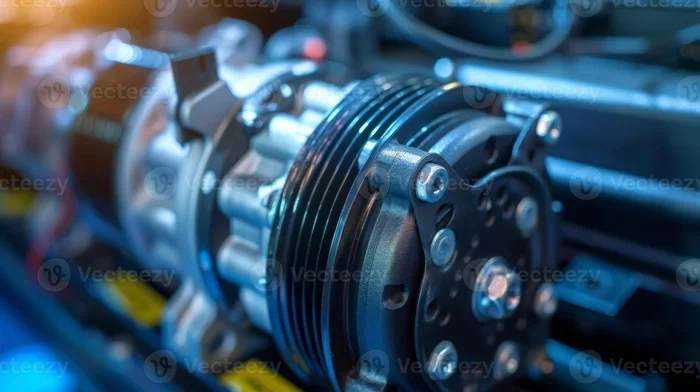
The compressor is the engine of your refrigerator. It pumps refrigerant through the coils to remove heat from inside the fridge. Without a working compressor, your entire cooling system stops. Understanding how it works helps you make smarter decisions about repair or replacement.
LG refrigerators use sealed compressors that are designed to last many years. However, like any mechanical part, they can wear out over time. LG refrigerator compressor replacement becomes necessary when the unit can no longer start or maintain proper cooling. The good news is that this repair is very doable with the right guidance.
How the Compressor Works in Your LG Fridge
The compressor sits at the back of your refrigerator near the bottom. It draws in low-pressure refrigerant gas and compresses it into high-pressure gas. This gas then flows through the condenser coils, releasing heat. The process continues in a cycle that keeps your food cold.
When the compressor starts making unusual noises or stops running, it is a clear sign of trouble. Early refrigerator troubleshooting can save you from a complete compressor failure later on.
Common LG Compressor Model Numbers to Know
Different LG fridge models use different compressors. Before you order any parts, find your lg compressor model number on the nameplate inside the fridge door or on the back panel. Having the correct model number ensures you get the right replacement part the first time. You can also check your lg refrigerator parts catalog online or call LG customer support with your serial number for assistance.
- Check the user manual for the compressor part number.
- Look for a sticker on the compressor itself for the model code.
- Call LG customer support with your fridge serial number for help.
Signs Your LG Refrigerator Compressor Is Failing
Catching compressor problems early can save you a lot of money and wasted food. Here are the most common lg fridge compressor symptoms that signal trouble ahead.
Common Compressor Symptoms to Watch For
Your fridge gives you plenty of warning before a compressor completely dies. Watch for these lg fridge compressor symptoms that point to a deeper problem:
- Compressor humming that goes on and off without the fridge cooling properly.
- A compressor clicking sound when the fridge tries to start but fails.
- The fridge runs constantly but the inside stays warm, a sign of fridge compressor runs but doesn’t cool.
- Ice buildup on the back wall even when the fridge is running.
- Unusual vibrations or rattling sounds coming from the back of the unit.
When the Compressor Runs But Doesn’t Cool
One of the most frustrating scenarios is when the compressor is running but the refrigerator not cooling. This can happen for several reasons. A refrigerant leak is one common cause. If the refrigerant level drops too low, the compressor keeps running but cannot cool the coils properly.
Another possibility is a failing compressor relay or start relay. These small parts help the compressor kick on and run smoothly. When they fail, the compressor may hum but never start properly. A dirty condenser coil can also cause similar issues by blocking airflow and reducing cooling efficiency.
Before you assume the compressor is dead, check these simpler fixes first. Clean the condenser coils and make sure the fridge has proper ventilation. Sometimes refrigerator maintenance like this solves the problem without any part replacement at all.
LG Refrigerator Compressor Replacement Cost Breakdown
Understanding the compressor replacement cost helps you budget and decide on the best path forward. The total price depends on several factors, including the model of your fridge and whether you choose professional help or a DIY approach.
Parts and Labor Breakdown
The compressor replacement cost typically ranges from $200 to $600 for most LG models. Here is a general breakdown of what you can expect:
- Compressor part: $100 to $350 depending on the model and brand.
- Labor costs: $100 to $250 if you hire a technician.
- Additional parts: A new start relay or overload protector may add $20 to $50.
- Refrigerant recharge: $50 to $100 if the system needs to be refilled.
The refrigerator repair cost can vary widely. Older LG models may have cheaper parts, but finding them can be harder. Newer models often have more expensive compressors but better availability through LG’s parts network.
DIY vs Professional Repair
Deciding between DIY and professional lg refrigerator repair is a big choice. Here is a comparison to help you decide:
| Factor | DIY Repair | Professional Repair |
|---|---|---|
| Cost | Parts only ($100-$350) | Parts + labor ($300-$600) |
| Time | 2-4 hours | 1-2 hours of work, plus scheduling |
| Skill Level | Intermediate to advanced | None required |
| Warranty | None on your work | Typically 90 days to 1 year |
| Risk | Higher if inexperienced | Low with certified tech |
If you have basic appliance repair experience, a DIY replacement can save you a significant amount of money. However, working with refrigerant requires special certifications in many areas. Always check local regulations before attempting any refrigerant-related work.
Quick Tip: Always get a written quote from at least two appliance repair services before committing to a professional. This ensures you get a fair price for your lg refrigerator compressor replacement and helps you avoid surprise charges.
How to Replace an LG Refrigerator Compressor Step by Step
Replacing a compressor is a detailed job, but it is very manageable if you follow the right steps. This section walks you through the entire process safely and clearly.
Tools You Will Need
Before you start, gather all the tools and materials you need. Having everything ready prevents delays and frustration during the repair:
- Replacement compressor (matched to your lg compressor model number)
- Screwdriver set (Phillips and flathead)
- Nut driver set
- Multimeter for electrical testing
- Refrigerant line tubing and flare nut wrench
- Vacuum pump and refrigerant recovery tank
- Work gloves and safety glasses
- Towels or rags for cleaning
Safety Precautions Before You Start
Safety comes first when working with any appliance repair. A refrigerator compressor handles refrigerant under pressure, and the electrical components can be dangerous if handled incorrectly.
- Unplug the refrigerator completely before starting any work.
- Allow the fridge to defrost completely if there is ice buildup.
- Wear protective gloves and eye gear when handling refrigerant lines.
- Keep children and pets away from the work area.
- Have a fire extinguisher nearby just in case.
The Replacement Process
Here is a step-by-step walkthrough of the lg refrigerator compressor replacement process:
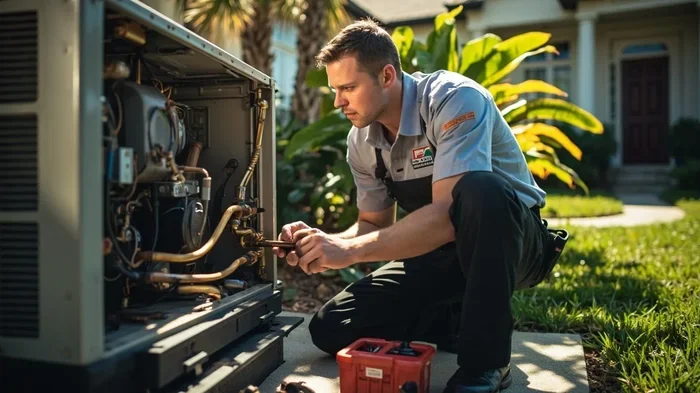
- Remove the access panel at the back of the fridge. Use a screwdriver or nut driver to take off the screws carefully.
- Locate the compressor on the bottom rear of the unit. It is a black or silver box with copper tubes connected to it.
- Disconnect the electrical connections from the compressor. Take a photo first so you can reference the wiring later.
- Detach the refrigerant lines using a flare nut wrench. Be prepared for a small amount of refrigerant to escape.
- Remove the old compressor by unbolting it from its mounting bracket. Carefully lower it out of the fridge.
- Install the new compressor in the same position and bolt it securely into place.
- Reconnect the refrigerant lines and electrical connections. Double-check all fittings for tightness.
- Evacuate and recharge the system using a vacuum pump and the correct refrigerant type for your model.
- Plug the fridge back in and test it. Listen for the compressor to start and check that cooling resumes within a few hours.
This process requires patience and attention to detail. If any step feels uncertain, it is perfectly okay to call a professional for help. The goal is a safe, effective repair that keeps your food cold.
Common Mistakes to Avoid During Compressor Replacement
Even experienced DIYers can make errors during a compressor replacement. Avoiding these common mistakes saves time, money, and prevents further damage to your fridge.
One of the biggest errors is installing the wrong compressor. Always verify the lg compressor model number matches your specific fridge model. A compressor that is even slightly different can cause poor performance or complete failure of the new unit.
Another mistake is skipping the evacuation step. When you replace a compressor, air and moisture can enter the system. If you do not properly vacuum and dehydrate the lines before recharging, the new compressor can fail prematurely. This is one of the most important steps in lg refrigerator compressor replacement that people tend to overlook.
Some people also forget to check the compressor relay and overload protector before installing the new compressor. If these parts are faulty, the new compressor may burn out quickly too. Always inspect these components and replace them if needed during the repair.
Finally, do not rush the process. Take your time with each step, especially when working with refrigerant lines and electrical connections. Proper refrigerator maintenance after the repair also extends the life of your new compressor significantly.
Expert Insight: Many technicians recommend replacing the compressor relay and overload protector at the same time as the compressor. These small parts are inexpensive and they protect your new compressor from electrical surges and startup failures. It is a smart preventive step that adds very little to the total compressor replacement cost.
Maintaining Your LG Refrigerator Compressor for Longevity
Once your new compressor is installed, you want to keep it running smoothly for years. Regular refrigerator maintenance goes a long way toward preventing future problems and extending the life of your appliance.
Simple Habits That Protect Your Compressor
Small daily habits make a big difference in how long your compressor lasts. Try to follow these easy practices:
- Clean the condenser coils every six months to ensure proper airflow and reduce strain on the compressor.
- Do not overfill the fridge. Air needs to circulate for efficient cooling.
- Check the door seals regularly. A worn gasket lets warm air in, forcing the compressor to work harder.
- Keep the fridge away from heat sources like ovens and direct sunlight.
- Set the temperature to the recommended range, usually 37°F for the fridge and 0°F for the freezer.
When to Schedule Professional Maintenance
While basic upkeep is easy to do yourself, some tasks are best left to the professionals. Schedule a professional lg refrigerator repair checkup once a year. A technician can spot early signs of compressor failure and address small issues before they become expensive problems.
During a maintenance visit, the tech will check refrigerant levels, test electrical components, and clean internal parts. This proactive approach to refrigerator maintenance can add years to the life of your LG fridge and its compressor.
When to Replace the Entire Refrigerator Instead
Sometimes a compressor replacement is not the most practical choice. If your LG fridge is older than 12 to 15 years, the cost of a new compressor may not make financial sense. Here are some factors to consider.
If the repair cost exceeds 50 percent of the price of a new fridge, it is usually better to invest in a replacement. New LG refrigerators are much more energy-efficient than older models. A new unit can save you money on electricity bills every month, which offsets the upfront cost over time.
Also consider the availability of parts. If your fridge model is discontinued, finding a compatible compressor can be difficult and expensive. In these cases, replacing the entire unit often makes the most sense both financially and practically.
On the other hand, if your fridge is relatively new and the body is in good condition, lg refrigerator compressor replacement is a smart way to get more life out of a quality appliance. It is a greener choice too, since it keeps a perfectly good fridge out of the landfill.
Conclusion
LG refrigerator compressor replacement is a repair that many homeowners can handle with the right knowledge and tools. Whether you choose to do it yourself or hire a professional, understanding the process makes all the difference. You now know how to identify compressor problems, estimate costs, and take the right steps toward a successful repair.
Remember that regular refrigerator maintenance is the best way to prevent compressor issues in the first place. Clean the coils, check the seals, and listen for unusual sounds. These small habits keep your fridge running efficiently and your food safe.
If you ever feel unsure about any step, do not hesitate to consult a qualified appliance technician. Your safety and the longevity of your fridge matter most. With the information in this guide, you are well-equipped to handle your lg refrigerator compressor replacement with confidence and care.
Frequently Asked Questions
How do I know if my LG refrigerator compressor is bad?
Listen for warning signs like a compressor that hums but does not start, a clicking sound when the fridge tries to kick on, or a fridge that runs constantly but does not cool. These are the most common indicators of compressor problems in LG refrigerators.
Can I replace the compressor myself?
Yes, if you have basic appliance repair skills and the right tools. However, working with refrigerant requires proper certification in many areas. If you are not experienced with refrigerant handling, it is safer to hire a licensed professional for your lg refrigerator compressor replacement.
How much does it cost to replace an LG refrigerator compressor?
The total compressor replacement cost usually ranges from $200 to $600. This includes the compressor part, which costs $100 to $350, plus labor if you hire a technician. Additional costs may apply for a new start relay, overload protector, or refrigerant recharge.
How long does an LG refrigerator compressor last?
An LG refrigerator compressor typically lasts between 10 and 15 years with proper care. Regular refrigerator maintenance like cleaning condenser coils and checking door seals can help your compressor reach the upper end of that range.
Should I repair or replace my LG refrigerator?
If your fridge is less than 10 years old and the body is in good shape, lg refrigerator compressor replacement is usually worth it. If the fridge is over 12 years old and the repair cost exceeds half the price of a new unit, replacing the entire refrigerator is often the smarter financial choice.
What should I do immediately after compressor replacement?
After the new compressor is installed, plug the fridge back in and listen for it to start. Check that cooling resumes within a few hours. Monitor the unit closely for the first few days and make sure there are no unusual sounds or vibrations coming from the compressor area.