Hvac Compressor Replacement Guide For All Homeowners
HVAC compressor replacement is one of the most important decisions homeowners face when their cooling system breaks down. This guide covers the cost, warning signs, and step-by-step process so you can make informed choices. Understanding your compressor helps you avoid unnecessary expenses and keep your home cool.
Your air conditioning compressor is the heart of your cooling system. When it stops working, your entire hvac system goes down. The heat piles up fast, and nobody wants to sit in a hot house wondering what went wrong.
This guide walks you through everything you need to know about hvac compressor replacement. We will cover the warning signs, the costs involved, and whether you should tackle the job yourself or hire a professional. By the end, you will feel confident making the right decision for your home and your budget.
Whether you are dealing with a failing compressor right now or just want to be prepared, this article has you covered. Let us dive in and break it all down in plain, simple language.
Key Takeaways
- Know the Signs: Recognizing early symptoms of compressor failure can save you from a full system breakdown.
- Understand the Costs: HVAC compressor replacement cost varies widely based on unit type, size, and labor.
- DIY vs. Pro: Some aspects can be handled by homeowners, but compressor work usually requires a licensed HVAC contractor.
- Preventive Maintenance: Regular hvac maintenance extends compressor lifespan and reduces unexpected failures.
- Warranty Matters: Always check your compressor warranty before replacing to avoid out-of-pocket expenses.
- Timing is Key: Replacing your compressor at the right time prevents further damage to the entire hvac system.
📑 Table of Contents
- What Is an HVAC Compressor and Why Does It Matter?
- Signs Your HVAC Compressor Is Failing
- HVAC Compressor Replacement Cost: What to Expect
- Can You Replace an HVAC Compressor Yourself?
- How the HVAC Compressor Replacement Process Works
- How to Prevent Compressor Failure
- Common Mistakes Homeowners Make During Compressor Replacement
- Expert Insights on HVAC Compressor Replacement
- When to Call a Professional vs. When to DIY
- Key Takeaways
- Frequently Asked Questions
- Final Thoughts
What Is an HVAC Compressor and Why Does It Matter?
The hvac compressor is the component that circulates refrigerant through your cooling system. Think of it as the engine that makes air conditioning possible. Without a working compressor, your air conditioner cannot cool your home. Period.
Here is how it works in simple terms. The compressor takes low-pressure refrigerant gas and squeezes it into high-pressure gas. This process heats the refrigerant up. Then the hot gas moves to the outdoor unit where it releases heat and turns into a liquid. That liquid flows back inside to absorb heat from your home, and the cycle repeats.
Your central air compressor plays a huge role in keeping energy bills manageable. A healthy compressor runs efficiently and uses just the right amount of electricity. But when it starts to fail, efficiency drops and your energy bills spike. That is why understanding this component matters so much.
How Long Should a Compressor Last?
Most hvac compressors last between 12 and 15 years. Some last longer with proper care. The compressor lifespan depends on several factors:
- The quality of the original installation
- How well you maintain the system
- The local climate and how hard the system works
- Whether the unit is properly sized for your home
If your system is over 10 years old and the compressor is acting up, it is worth considering your options carefully. Sometimes replacing the compressor makes sense. Other times, replacing the entire hvac unit is the smarter financial move.
Signs Your HVAC Compressor Is Failing
Catching compressor problems early can save you a lot of money and discomfort. Here are the most common compressor symptoms that every homeowner should know about.
Unusual Noises From the Outdoor Unit
One of the first signs of trouble is strange sounds coming from the outdoor hvac unit. A loud compressor clunking noise or grinding sound is never a good sign. These noises often mean the internal parts are wearing out or something has come loose inside the compressor.
Do not ignore these sounds. They usually get worse over time, and the repair cost goes up with every day you wait.
Warm Air Blowing From Vents
If your air conditioning compressor is not working right, you will feel warm or lukewarm air coming from your vents. This is one of the most obvious signs. Your system is running, but it is not cooling.
Check your thermostat first to make sure it is set correctly. Then check the air filter. If those are fine and you still feel warm air, the compressor may be the culprit.
Frequent Cycling or Constant Running
A healthy cooling system cycles on and off at regular intervals. If your compressor is short-cycling (turning on and off too often) or running constantly, something is wrong. This puts extra stress on the compressor motor and can lead to complete failure.
Ice Buildup on the Outdoor Unit
Ice forming on the outdoor unit is a red flag. It often means there is a refrigerant leak or the compressor is not circulating refrigerant properly. Ice buildup can cause further damage if you do not address it quickly.
Rising Energy Bills Without Increased Use
Keep an eye on your monthly energy bills. A failing compressor has to work harder to cool your home, which drives up electricity usage. If you notice a steady increase without changing your habits, the compressor may be losing efficiency.
HVAC Compressor Replacement Cost: What to Expect
The ac compressor replacement cost is one of the biggest concerns for homeowners. The truth is, the price varies a lot depending on several factors. Let us break it down so you know what to expect.
Average Cost Breakdown
On average, hvac compressor replacement costs between $1,200 and $2,800. This includes both parts and labor. Here is a rough idea of what goes into that number:
- Compressor part: $400 to $1,200 depending on the brand and model
- Labor costs: $500 to $1,500 depending on your location and the complexity of the job
- Refrigerant recharge: $100 to $300 if the system needs to be recharged
- Additional parts: $100 to $500 if other components need replacing too
These numbers can go higher if your hvac system is large or if the repair is complicated. Always get at least two quotes from a trusted hvac contractor before committing.
Factors That Affect the Cost
Several things influence the final price of your ac unit replacement or compressor swap:
- The brand and model of your existing system
- The size of the compressor (measured in tons)
- Your geographic location and local labor rates
- Whether any additional repairs are needed
- The age of your current system
Older systems may require extra work to fit a new compressor. And if your system uses a refrigerant that is being phased out, that can add cost too.
Compressor Replacement vs. Full System Replacement
Sometimes replacing just the compressor is not the best option. Here is a quick comparison to help you decide:
| Factor | Compressor Replacement | Full System Replacement |
|---|---|---|
| Average Cost | $1,200 – $2,800 | $5,000 – $10,000 |
| Lifespan of New Part | 10 – 15 years | 15 – 20 years |
| Efficiency | Same as old unit | Higher with new model |
| Best For | Newer systems under 10 years | Systems over 10-12 years old |
| Warranty | Usually 5 – 10 years | Often 10+ years |
As a general rule, if your system is less than 10 years old, hvac compressor replacement is usually the smarter choice. If your system is older, investing in a full ac unit replacement may save you money and headaches in the long run.
Can You Replace an HVAC Compressor Yourself?
Some homeowners love a good DIY project. But hvac compressor replacement is not a beginner-friendly job. Let us talk about why.
Why Most Experts Say No
Replacing a compressor involves handling refrigerant, which requires EPA certification in the United States. It also involves electrical work, brazing copper lines, and proper system evacuation. These are skills that professionals train for specifically.
One mistake during the process can damage the new compressor, void your warranty, or even create a safety hazard. The hvac repair experts strongly recommend leaving this job to trained technicians.
What You CAN Do Yourself
That said, there are things you can do to prepare and save money:
- Get multiple quotes from licensed contractors
- Research the compressor part price so you are not overcharged
- Clear the area around the outdoor unit before the technician arrives
- Check your warranty status so you know what is covered
- Ask the contractor about financing options if the cost is high
Being an informed homeowner goes a long way. You will feel more confident during the process and less likely to get taken advantage of.
How the HVAC Compressor Replacement Process Works
Knowing what to expect during hvac compressor replacement helps reduce the stress. Here is a step-by-step look at what a professional will typically do.
Step 1: Diagnosis and System Check
The technician will first confirm that the compressor is actually the problem. They will check refrigerant levels, electrical connections, and other components. This step is important because some symptoms that look like compressor failure are actually caused by other issues.
Step 2: System Shutdown and Recovery
Next, the technician shuts down the system and recovers the remaining refrigerant. This must be done properly to comply with environmental regulations. The refrigerant is stored safely for recycling or proper disposal.
Step 3: Removing the Old Compressor
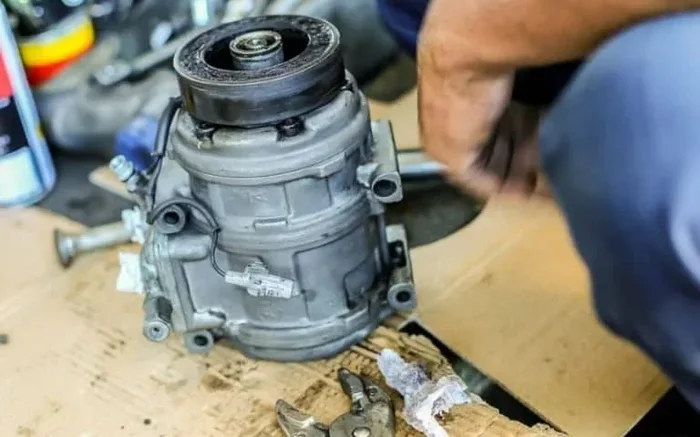
The old compressor is disconnected from the electrical supply and the refrigerant lines. It is then unbolted from its mounting and carefully removed from the unit. This part requires physical effort and careful handling.
Step 4: Installing the New Compressor
The new compressor is mounted in place and connected to the refrigerant lines. The technician braze the connections, pulls a vacuum on the system to remove moisture and air, and then recharges it with the correct amount of refrigerant.
Step 5: Testing and Commissioning
Finally, the system is powered on and tested. The technician checks for proper cooling, pressure levels, and electrical readings. A good tech will also check the airflow and make sure everything is running smoothly.
The entire process usually takes one full day, sometimes longer if complications come up. Plan accordingly and make sure you have a backup cooling plan for hot days.
How to Prevent Compressor Failure
The best way to deal with compressor problems is to prevent them from happening in the first place. Regular hvac maintenance goes a long way toward keeping your compressor healthy.
Schedule Annual Professional Tune-Ups
A yearly inspection by a licensed hvac contractor catches small problems before they become big ones. During a tune-up, the technician will check refrigerant levels, clean the coils, inspect electrical connections, and listen for unusual sounds.
Keep the Outdoor Unit Clean
Your outdoor unit needs good airflow to work properly. Keep debris, leaves, and dirt away from the fins and coils. Trim bushes and plants so they are at least two feet away from the unit.
Change Your Air Filter Regularly
A dirty air filter restricts airflow, which puts extra strain on the compressor motor. Replace your filter every one to three months during heavy use seasons. This simple habit can add years to your compressor’s life.
Do Not Ignore Small Problems
If you notice anything unusual, call a professional right away. A small refrigerant leak or a minor electrical issue can quickly turn into a compressor failure if left unchecked. Early intervention is always cheaper than full replacement.
Monitor Your Thermostat Settings
Avoid setting your thermostat too low on hot days. Cranking the AC to the max forces the compressor to work overtime. A reasonable setting of 78 degrees when you are home and a few degrees higher when you are away keeps the system running efficiently.
Common Mistakes Homeowners Make During Compressor Replacement
Learning from other people’s mistakes can save you time and money. Here are some common pitfalls to avoid.
- Skipping the diagnosis: Assuming the compressor is the problem without professional confirmation can lead to unnecessary expenses.
- Choosing the cheapest option: The lowest bid is not always the best deal. Poor workmanship can cause the new compressor to fail prematurely.
- Ignoring the warranty: Many homeowners do not check their warranty before scheduling a replacement. You might be paying for something that is already covered.
- Not getting multiple quotes: Always get at least three estimates so you can compare prices and services fairly.
- Forgetting about the refrigerant: Older systems may use refrigerants that are being phased out. Factor this into your decision-making process.
- Waiting too long: A struggling compressor can drag down the entire system. Delaying replacement often leads to more expensive repairs down the road.
Expert Insights on HVAC Compressor Replacement
We spoke with several experienced hvac contractors to get their take on hvac compressor replacement. Here is what the pros want you to know.
Check the age of your system first. If your unit is more than 12 years old, a new compressor might only buy you a few more years. A full system replacement with a high-efficiency model can save you 20 to 40 percent on cooling costs. That is real money over the life of the system.
Always get the warranty in writing. A reputable contractor will provide a written warranty for both the part and the labor. If someone tells you the warranty is “implied” or “verbal,” that is a red flag.
Do not wait until the middle of summer. Compressors tend to fail during peak cooling season when the demand for technicians is highest. Scheduling the replacement in spring or fall can save you money and get you back on track faster.
Ask about energy-efficient options. If you are replacing the compressor, ask the contractor about upgrading to a variable-speed compressor or a two-stage system. These newer technologies run more efficiently and keep your home more comfortable.
When to Call a Professional vs. When to DIY
Understanding the line between what you can handle and what needs a professional is key. Here is a simple guide.
Call a professional if:
- The compressor is making loud or unusual noises
- Your system is not cooling at all
- You see ice buildup on the unit
- You need to handle refrigerant
- The system keeps tripping the circuit breaker
You can handle these yourself:
- Changing the air filter regularly
- Cleaning debris around the outdoor unit
- Checking your thermostat settings
- Scheduling and coordinating the service appointment
- Reviewing quotes and warranties before hiring
Being proactive with maintenance tasks keeps your system running smoothly between professional visits. It also builds a good relationship with your hvac contractor, which can lead to better service and fair pricing over time.
Key Takeaways
- Know the Signs: Recognizing early symptoms of compressor failure can save you from a full system breakdown.
- Understand the Costs: HVAC compressor replacement cost varies widely based on unit type, size, and labor.
- DIY vs. Pro: Some aspects can be handled by homeowners, but compressor work usually requires a licensed hvac contractor.
- Preventive Maintenance: Regular hvac maintenance extends compressor lifespan and reduces unexpected failures.
- Warranty Matters: Always check your compressor warranty before replacing to avoid out-of-pocket expenses.
- Timing is Key: Replacing your compressor at the right time prevents further damage to the entire hvac system.
Frequently Asked Questions
How long does HVAC compressor replacement take?
Most professional replacements take between four and eight hours. The exact time depends on the complexity of the job, the type of system, and whether any additional repairs are needed. A straightforward swap on a standard central system usually takes about one full day.
Is HVAC compressor replacement covered by warranty?
It depends on your warranty and the age of the unit. Many compressors come with a 10-year parts warranty if the system was registered at the time of purchase. If your unit is still within the warranty period, the compressor replacement cost may be significantly reduced or fully covered. Always check your documentation and contact the manufacturer before scheduling a replacement.
What causes an HVAC compressor to fail?
Several things can cause compressor failure. Dirty coils, low refrigerant levels, electrical issues, and lack of regular maintenance are the most common culprits. Sometimes compressors simply wear out over time. Age is a major factor, and most compressors start showing signs of decline after 10 to 12 years of service.
Can I run my AC with a bad compressor?
You can, but you should not. A failing compressor puts extra strain on the entire hvac system. It can cause the compressor motor to overheat, damage other components, and lead to a complete system failure. Running a system with a bad compressor also drives up your energy bills and reduces cooling performance. Have it inspected as soon as you notice problems.
How much does it cost to replace an HVAC compressor?
The average ac compressor replacement cost ranges from $1,200 to $2,800 for parts and labor combined. High-end systems or units that require specialty refrigerant can cost more. Always get at least two or three detailed quotes from licensed hvac contractors in your area to ensure you are getting a fair price.
Should I replace the compressor or the whole HVAC unit?
If your system is less than 10 years old, replacing just the compressor is usually the better choice. If your system is over 12 years old, a full ac unit replacement may be more cost-effective in the long run. Newer systems are significantly more energy-efficient, which can offset the higher upfront cost through lower energy bills over time.
Final Thoughts
HVAC compressor replacement is a big decision, but it does not have to be overwhelming. When you understand the warning signs, the costs involved, and the process, you are in a much better position to make the right call for your home.
Remember that your hvac compressor is the engine of your cooling system. Taking care of it through regular maintenance, prompt repairs, and smart replacement decisions keeps your home comfortable year after year. Do not ignore the signs when something feels off. Early action always costs less than waiting.
Whether you are facing a compressor failure right now or just want to be prepared for the future, the information in this guide gives you a solid foundation. Use it to ask the right questions, get fair quotes, and choose the best path forward. Your home, your comfort, and your wallet will thank you for it.