How to Make an Air Compressor Quiet and Reduce Noise
Discover the best ways to make an air compressor quiet and cut down on annoying noise in your shop or garage. This guide covers soundproof enclosures, anti-vibration pads, muffler upgrades, and smart placement tricks that actually work. You will learn practical steps to reduce compressor noise and enjoy a quieter workspace without spending a fortune.
There is nothing worse than trying to focus on a project while your air compressor quiet dream turns into a loud nightmare. The constant banging, humming, and whining can ruin your concentration and even stress you out over time. If you have ever wondered how to make an air compressor quiet, you are in the right place.
This guide walks you through every practical method that actually works. From building a simple soundproof enclosure to upgrading internal parts, you will find clear steps you can take today. Whether you run a garage workshop or a small construction site, noise reduction is possible without breaking the bank.
Many people accept a loud compressor sound as just part of the job. But that is not true. With the right approach, you can significantly reduce compressor noise and create a more comfortable work environment. Let us dive into the methods that deliver real results.
Key Takeaways
- Build a soundproof enclosure: A custom cabinet or acoustic blanket can drop noise levels significantly.
- Use anti-vibration pads: Rubber mounts and isolation pads stop structure-borne noise from spreading.
- Install mufflers on intake and exhaust: These simple additions reduce the compressor sound at the source.
- Placement matters: Distance from walls and proper flooring make a big difference in how loud your compressor sounds.
- Regular maintenance keeps noise down: Clean filters, lubricated parts, and tight fittings all contribute to a quieter machine.
- Know when to replace: Old, worn-out compressors may cost more in repairs than a new quiet compressor.
📑 Table of Contents
Why Air Compressors Get So Loud
Understanding why your machine makes so much noise is the first step toward fixing it. Air compressors generate sound from several sources working at the same time. Each source adds to the overall decibel level you hear in your shop.
The motor is one of the biggest noise contributors. As it spins, it creates a steady humming tone that can fill a room. The pump mechanism then adds a rhythmic pounding as it compresses air. This combination of motor hum and pump vibration is what makes most compressors so noticeable.
Exhaust noise is another major factor. When the compressor pushes air out, it creates a sharp burst of sound. Without any kind of exhaust silencer, this noise travels freely into your workspace. The intake side also pulls in air and creates suction noise that compounds the problem.
Vibration plays a bigger role than most people realize. When the compressor runs, the entire unit shakes. This vibration travels through the floor and walls, creating structure-borne noise that amplifies the sound. Even if the machine itself were perfectly quiet, the vibration would still make it seem loud.
The Role of Compressor Size and Type
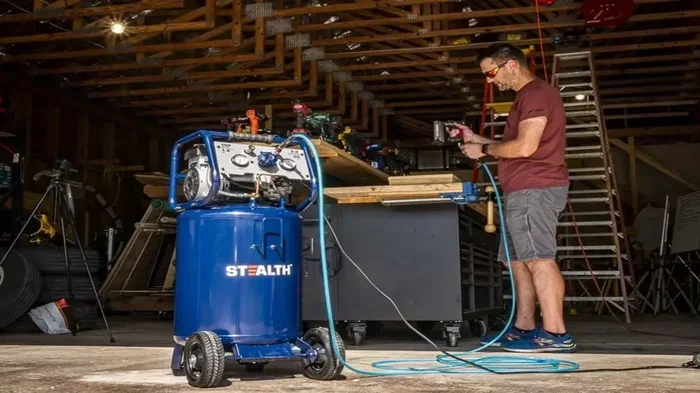
Not all compressors are created equal when it comes to noise. Larger compressors tend to be louder because they have more powerful motors and bigger pumps. However, even small portable units can be surprisingly noisy if they are not properly maintained or isolated.
The type of compressor also matters. Rotary screw compressors generally run smoother and quieter than piston-driven models. If you are shopping for a new unit, looking at quiet compressor options can save you a lot of headaches down the road. But for those already dealing with a noisy machine, the methods below will help a great deal.
How to Make an Air Compressor Quiet: Proven Methods
Now that you understand the sources of compressor noise, let us look at the most effective ways to quiet things down. Each method targets a different noise source, and combining several approaches gives the best results.
Build or Buy a Soundproof Enclosure
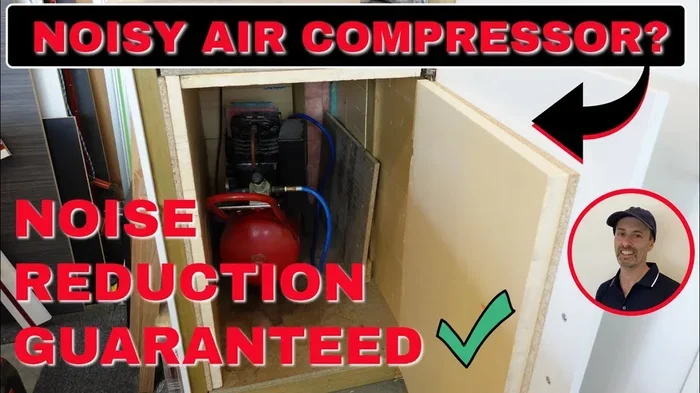
A soundproof enclosure is one of the most effective ways to reduce noise. Think of it like putting your compressor inside a padded room. The walls absorb sound waves and prevent them from bouncing around your shop.
You can buy ready-made compressor enclosures online or build one yourself. A DIY enclosure uses plywood, acoustic foam, and mass-loaded vinyl. The key is to leave enough space for airflow so the motor does not overheat. You also want to seal any gaps that let sound escape.
An acoustic blanket draped over the compressor is a simpler alternative. These blankets are designed to absorb sound and are much easier to set up. They do not block noise as completely as a full enclosure, but they make a noticeable difference. Many users report a drop of 10 to 15 decibels with just a good acoustic blanket.
If you want a more permanent solution, a soundproof cabinet built around the compressor works well. Use thick plywood, line the inside with acoustic foam, and add a sealed door with rubber gaskets. Just make sure you include ventilation holes covered with sound baffles to keep the motor cool.
Use Anti-Vibration Pads and Rubber Mounts
Vibration dampening is critical for reducing the noise that travels through floors and walls. When your compressor vibrates, it sends that energy into whatever surface it sits on. That energy then turns into sound that spreads throughout your space.
Anti-vibration pads are the simplest fix. These thick rubber pads sit under each foot of the compressor. They absorb vibrations before they reach the floor. You can find them at most hardware stores for under $30. The difference they make is surprisingly large.
For even better results, use rubber mounts to isolate the compressor from its base. This involves bolting the unit to a platform with rubber isolators between the machine and the platform. The rubber absorbs the vibration and prevents it from transferring. This method is similar to how professional workshops handle heavy equipment.
Some people place their compressor on a thick rubber mat or even a piece of plywood sitting on rubber horse stall mats. This budget-friendly approach works surprisingly well for light to medium-duty use.
Install Intake and Exhaust Mufflers
The intake and exhaust ports are two of the loudest parts of any compressor. Adding a muffler to each port targets the noise right at the source. This is one of the easiest noise reduction upgrades you can make.
For the intake side, an intake muffler attaches to the air intake filter. It slows down the rushing air and reduces the suction noise. Most intake mufflers are small, affordable, and easy to install with basic fittings.
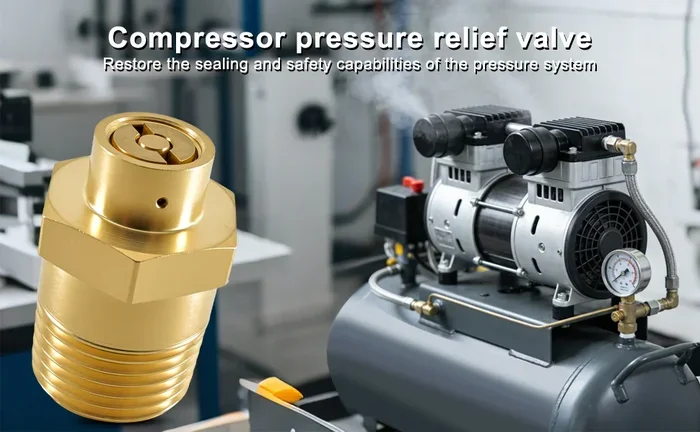
On the exhaust side, an exhaust silencer works the same way. It muffles the burst of air as it leaves the pump. Look for a silencer that matches your exhaust port size. A simple bolt-on model can cut exhaust noise by a significant margin.
Together, intake and exhaust mufflers address two major noise sources at once. They are a small investment that pays off quickly in a quieter workspace.
Optimize Compressor Placement
Where you put your compressor affects how much noise you actually hear. Compressor placement is one of the simplest and cheapest ways to reduce the sound level in your shop.
First, move the compressor as far from your work area as your hoses allow. Sound fades with distance, so even a few extra feet can make a noticeable difference. If you have a large shop, consider placing the unit in a corner or against an exterior wall.
Second, avoid placing the compressor on hard surfaces like concrete floors without any isolation. Concrete reflects sound and transmits vibration easily. A rubber mat or dedicated compressor platform helps absorb both.
Third, keep the compressor away from walls and corners. Sound bounces off hard surfaces and amplifies. Giving the machine some breathing room on all sides helps the noise dissipate naturally. Think about how you would arrange your space if you were following the same principles as how to size a generator — proper placement and distance matter for both.
Best Products for Noise Reduction
If you prefer not to build your own solutions, several products can help you achieve a quiet air compressor setup. Here are some of the best options available.
Acoustic compressor blankets are the most affordable option. Brands like Vibrasand and Industrial Noise Control make blankets that wrap around the compressor and reduce noise by up to 50%. They cost between $50 and $150 and take minutes to install.
Pre-built compressor enclosures offer a more polished solution. Companies like Cabinair and VIAIR make enclosures designed for specific compressor sizes. These units include built-in ventilation and sound absorption. They typically range from $200 to $800 depending on size.
Intake and exhaust mufflers are widely available and very affordable. A quality muffler costs between $15 and $40 and can be installed in under 10 minutes. Look for models made from stainless steel or aluminum for durability.
Anti-vibration pads and mounts are essential for any setup. Rubber isolation pads cost around $20 to $50, while professional rubber mounts run $50 to $150. These products address the vibration problem that many other solutions ignore.
When budgeting for noise reduction, think about it like you would when you look at how much does a generator cost — investing a little upfront in the right accessories saves you from bigger problems later. A basic setup with a blanket, mufflers, and pads can cost under $100 and still deliver excellent results.
Smart Placement and Location Tips
Getting the location right is one of the most overlooked aspects of compressor noise control. A well-placed compressor is significantly quieter than one sitting in the wrong spot.
Distance from walls: Leave at least 3 to 4 feet of space on all sides. This prevents sound from bouncing back into your workspace. Corners and tight spaces amplify noise because the sound has nowhere to go.
Flooring considerations: Concrete floors transmit vibration easily. Place your compressor on a rubber mat, a thick plywood platform, or a dedicated compressor pad. Even a stack of old rubber mats can make a surprising difference.
Wall-mounted or elevated setups: If possible, mount your compressor on a wall bracket or elevate it on a platform. This keeps it off the floor and reduces the vibration transfer to the building structure. Some workshops build dedicated compressor stations with built-in soundproofing for the best results.
Outdoor placement: If you have space, placing the compressor outside is the simplest way to eliminate indoor noise. Run your hoses through a window or door using a quick-connect kit. Just make sure the unit is protected from the elements and the intake is not blocked.
Keep in mind that proper placement also supports air compressor maintenance by ensuring good airflow around the motor. A well-ventilated compressor runs cooler and lasts longer, contributing to overall compressor longevity.
Maintenance Habits That Reduce Noise Over Time
A well-maintained compressor runs quieter than a neglected one. Regular upkeep addresses the small issues that turn into big noise problems over time.
Clean or replace air filters regularly. A clogged filter forces the motor to work harder, which increases noise. Check your filter every few weeks and replace it when it looks dirty. This simple habit keeps the compressor running smoothly and quietly.
Lubricate moving parts. If your compressor has oil-lubricated components, check the oil level and change it on schedule. Dry or low oil causes metal parts to grind, creating extra noise. Fresh oil keeps everything running smooth and quiet.
Tighten loose fittings and bolts. Over time, vibrations can loosen bolts, fittings, and panels. A loose panel rattles, and a loose fitting creates hissing sounds. Walk around your compressor every few weeks and snug up anything that has come loose.
Check the belts. If your compressor uses belts, a worn or loose belt squeals and vibrates. Replace belts when you notice wear, and keep them properly tensioned. A new belt runs quieter and more efficiently.
Drain moisture regularly. Water buildup in the tank creates rumbling and knocking sounds. Drain the tank after each use or install an automatic drain valve. This keeps the tank clean and the compressor running quietly.
Good maintenance habits also extend compressor longevity, meaning you get more years of reliable service from your investment. Think of it the same way as following the advice in how long does a generator last — regular care keeps any powered equipment running better and longer.
When to Replace Your Noisy Compressor
Sometimes, despite your best efforts, a compressor is simply too old or too loud to justify keeping. Knowing when to replace it saves you money and frustration.
Age matters. Most compressors last 10 to 15 years with proper care. If yours is older and getting louder each year, it may be time for an upgrade. Newer models are designed with noise reduction in mind and often run much quieter than older units.
Cost of repairs. If you find yourself constantly repairing the same machine, compare those costs to the price of a new quiet compressor. Sometimes the smarter financial move is to replace rather than repair.
New technology. Modern compressors include better motors, improved pumps, and built-in sound dampening. If you have been using the same model for a decade, the technology has likely improved significantly. Newer units can be half as loud as older models.
When shopping for a replacement, consider how much equipment you actually need for your usage. Choosing the right size and type for your actual needs prevents overspending on features you do not need.
A quiet compressor does not have to cost a fortune. Many mid-range models offer excellent noise reduction at reasonable prices. Do your research, read reviews, and choose a unit that fits your workshop needs and noise tolerance.
Conclusion
Making an air compressor quiet is absolutely achievable with the right approach. You do not need expensive equipment or professional help to get started. A combination of a soundproof enclosure, anti-vibration pads, intake and exhaust mufflers, and smart placement can transform your noisy compressor into a much quieter machine.
Regular maintenance keeps the noise from creeping back over time. And when the time comes, upgrading to a newer, quieter model is always an option. The key is to take action today rather than just accepting the noise as part of doing business.
Your ears — and your coworkers — will thank you. Start with one or two of the methods above and build from there. A quieter workspace is better for everyone, and the steps you take today will pay off for years to come.
Frequently Asked Questions
Can I make my air compressor quiet without spending much money?
Yes, absolutely. An acoustic blanket and rubber anti-vibration pads are the most affordable ways to reduce noise. Together, they cost under $100 and can drop your compressor sound by a noticeable amount. You can also improve placement by moving the unit farther from your work area for free.
How loud is too loud for an air compressor?
Most experts agree that anything above 80 decibels is too loud for extended exposure. A quiet compressor should ideally run around 60 to 70 decibels, which is similar to a normal conversation. If you have to raise your voice to talk to someone a few feet away, your compressor is likely too loud.
Do compressor mufflers really work?
Yes, intake and exhaust mufflers work very well. They target the two loudest noise sources on a compressor directly. A quality muffler can reduce noise by 10 to 15 decibels, which is a significant improvement. They are easy to install and cost between $15 and $40 each.
Is it safe to build my own compressor enclosure?
Yes, as long as you allow enough airflow for the motor. Overheating is the main risk with DIY enclosures. Use materials like plywood and acoustic foam, and make sure to include ventilation holes covered with sound baffles. Never seal the compressor completely without proper airflow.
How often should I maintain my compressor to keep it quiet?
You should check filters, oil levels, and tight fittings every few weeks. A full maintenance check every few months keeps everything running smoothly. Regular care prevents the small issues that turn into big noise problems over time.
What is the quietest type of air compressor?
Rotary screw compressors are generally the quietest because they run smoother than piston-driven models. Some ultra-quiet models are specifically designed for indoor use and can run as low as 55 decibels. If noise is a major concern, look for compressors marketed as quiet compressor units.