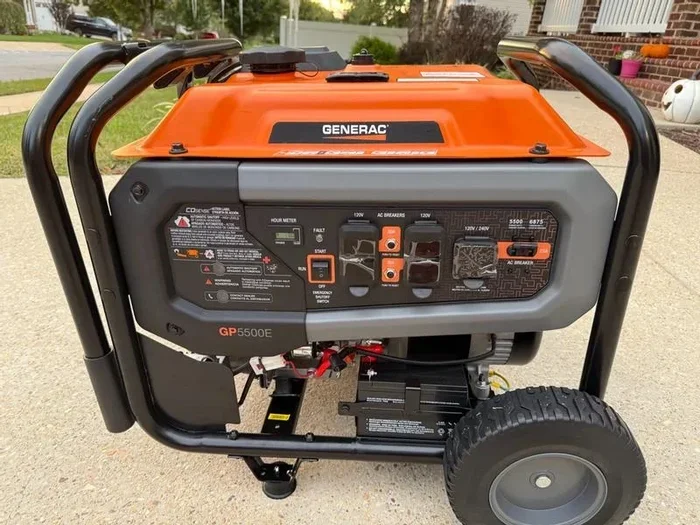
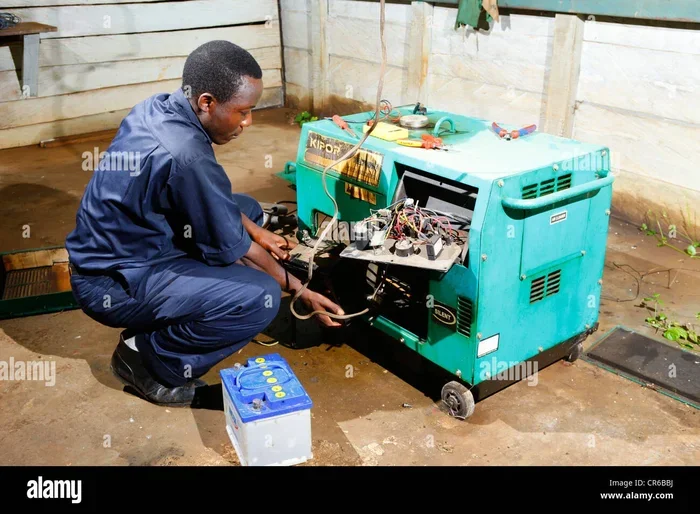
What Oil Does a Generator Use Expert Answers Inside
What oil does a generator use depends on your unit’s engine type, size, and the climate you live in. Most generators work best with SAE 30 or 10W-30 oil, but always check your owner’s manual first. Using the right generator oil keeps your machine running smoothly and extends its lifespan significantly.
Running a generator without the right oil is like driving a car without engine coolant. It might run for a little while, but the damage adds up fast. If you own a generator or are thinking about buying one, understanding what oil does a generator use is one of the most important things you can learn. The wrong oil can cause overheating, poor performance, and even complete engine failure.
In this guide, we will walk you through everything you need to know about generator oil. You will learn about different oil types, viscosity ratings, how often to change your oil, and common mistakes to avoid. Whether you have a portable generator for camping trips or a standby unit that powers your home during outages, this article has you covered. Let us dive in and make sure your generator stays in top shape.
Key Takeaways
- Use the right oil type: SAE 30 or 10W-30 are the most common choices for most generators.
- Check your manual first: Every generator has specific oil requirements listed by the manufacturer.
- Synthetic oil works well too: It offers better protection in extreme temperatures.
- Change oil regularly: Every 100 hours or at least once per season.
- Don’t skip the oil filter: A clean filter keeps your engine healthy and running strong.
- Air-cooled and water-cooled engines differ: They may need different oil weights and types.
📑 Table of Contents
- Understanding Generator Oil Basics
- Types of Oil for Generators
- SAE Ratings and Oil Viscosity Explained
- Oil Change Schedule and Maintenance Tips
- Common Mistakes When Choosing Generator Oil
- Quick Tips for Keeping Your Generator Running Smoothly
- Air-Cooled vs Water-Cooled Generators and Oil Needs
- How to Read Your Generator’s Oil Capacity and Requirements
- The Role of Oil in Generator Longevity
- Conclusion
Understanding Generator Oil Basics
Why Oil Matters for Your Generator
Generator oil does more than just lubricate moving parts. It cools the engine, reduces friction, prevents rust, and carries away dirt and debris. Without proper engine oil for generator units, the internal components would grind against each other and wear out quickly. Think of oil as the lifeblood of your generator’s engine.
Generators run at high speeds for extended periods, which puts a lot of stress on the engine. The oil has to handle heat, pressure, and contaminants every single time you fire up the unit. This is why choosing the right oil type for generator engines is so critical. A good quality oil protects your investment and keeps everything running smoothly.
How Generator Oil Differs from Car Oil
You might be tempted to use the same oil you put in your car, but that is not always a good idea. Car engines and generator engines are built differently. Most generators use small engine oil that is formulated specifically for high-speed, air-cooled engines. Car oils are designed for larger, water-cooled engines that run at lower speeds.
Here are some key differences to keep in mind:
- Additive packages: Car oils contain additives for emission control, which can be harmful to small engines.
- Viscosity: Generator oils are often thicker to handle the high heat of air-cooled engines.
- Detergent levels: Small engine oils have different detergent formulas to handle the unique needs of generators.
- Anti-wear agents: Generator oils contain specific anti-wear compounds for sustained high-RPM operation.
Always reach for oil that is labeled for small engines or generators. Using the wrong oil can void your warranty and lead to costly repairs.
Types of Oil for Generators
Conventional Oil
Conventional oil is the most basic and affordable option. It is made from crude oil and refined to meet basic lubrication standards. For many generator owners, conventional SAE 30 oil works perfectly fine, especially for older units or those used occasionally.
This type of oil is great for mild weather conditions and generators that do not run for long hours at a time. If you only use your generator a few times a year during power outages, conventional oil is a solid choice. Just make sure you change it regularly to prevent buildup.
Synthetic Oil
Synthetic oil for generator units is a premium option that offers superior protection. It is engineered in a lab to provide consistent performance across a wide range of temperatures. Synthetic oil flows more easily in cold weather and handles extreme heat better than conventional options.
If you live in an area with harsh winters or scorching summers, synthetic oil is worth the extra cost. It also lasts longer between changes, which can save you time and money in the long run. Many modern generators come factory-filled with synthetic oil for this reason.
Synthetic Blend Oil
A synthetic blend combines the best of both worlds. It mixes conventional and synthetic oils to offer improved protection at a lower price point than full synthetic. This is a great middle-ground option for generators that see moderate use.
Synthetic blend oil provides better thermal stability than conventional oil alone. It also offers improved protection against oxidation, which means your oil stays cleaner for longer. If you are not ready to go fully synthetic, a blend is a smart choice.
SAE Ratings and Oil Viscosity Explained
What Does SAE Mean?
SAE stands for the Society of Automotive Engineers. The SAE rating on an oil bottle tells you how thick or thin the oil is at different temperatures. This is called oil viscosity, and it matters a lot for generator performance.
When you see something like SAE 30 on an oil bottle, the number 30 refers to the oil’s thickness at operating temperature. Higher numbers mean thicker oil. Thicker oil creates a stronger protective film between engine parts, which is important for high-heat engines like those in generators.
Single-Weight vs Multi-Weight Oil
Single-weight oil, such as SAE 30, has one viscosity rating. It works well in warm weather but can be too thick in cold conditions. When the temperature drops, single-weight oil struggles to flow properly, which means poor lubrication during startup.
Multi-weight oil, like 10W-30, is designed to work in a range of temperatures. The number before the W (which stands for winter) tells you how the oil flows in cold weather. The number after the W tells you the viscosity at operating temperature. 10W-30 generator oil is one of the most popular choices because it handles both cold starts and hot running conditions.
Here is a quick comparison of common oil weights:
- SAE 30: Best for warm climates and older generators. Simple and effective.
- 10W-30: Great for all-season use. Handles cold starts and hot running well.
- 5W-30: Excellent for very cold climates. Flows easily even in freezing temperatures.
- 20W-50: Thicker oil for hot climates or generators that run under heavy loads for long periods.
The right choice depends on your climate, generator model, and how you use it. When in doubt, go with what your owner’s manual recommends.
Oil Change Schedule and Maintenance Tips
How Often Should You Change Generator Oil?
Oil change frequency is one of the most important parts of generator maintenance. Fresh oil keeps the engine clean and protected. Old oil breaks down over time and loses its ability to lubricate properly.
As a general rule, you should change your generator oil every 100 hours of use or at least once per season, whichever comes first. For standby generators that sit idle most of the time, change the oil at least once a year. New generators often need their first oil change after the first 20 to 30 hours of use to break in the engine properly.
Here are some factors that might require more frequent oil changes:
- Running the generator in dusty or dirty conditions
- Using the generator for long continuous periods
- Operating in extremely hot or cold temperatures
- Using the generator for heavy loads like power tools or appliances
- Older generators with higher engine hours
Step-by-Step Oil Change Guide
Changing the oil in your generator is simple and something you can do at home. Here is a straightforward guide to walk you through it:
- Warm up the engine: Run the generator for about 5 to 10 minutes. Warm oil drains more easily and carries more contaminants out with it.
- Turn off the generator: Let it cool for a few minutes so you do not burn yourself.
- Locate the drain plug: Place an oil pan underneath the generator to catch the old oil.
- Remove the drain plug: Let the old oil drain completely. This usually takes about 5 to 10 minutes.
- Replace the oil filter: While the oil is draining, swap out the old generator oil filter with a new one. Apply a thin layer of fresh oil to the gasket of the new filter before tightening.
- Reinstall the drain plug: Make sure it is tight but do not over-tighten it.
- Add new oil: Use a funnel to pour in the recommended amount of fresh oil. Check your manual for the exact oil capacity of your model.
- Check the oil level: Wait a minute for the oil to settle, then use the dipstick to verify the level is correct.
- Dispose of old oil properly: Take the old oil to a recycling center. Do not pour it down the drain or throw it in the trash.
Common Mistakes When Choosing Generator Oil
Using the Wrong Oil Weight
One of the biggest mistakes people make is using the wrong oil weight. Putting 5W-30 in a generator that requires SAE 30 might seem like a small difference, but it can cause real problems. Oil that is too thin will not create a strong enough protective film, leading to increased wear on engine parts.
On the flip side, oil that is too thick can cause poor circulation, especially in cold weather. This means your engine might not get proper lubrication during startup, which is the most critical time for protection. Always match your oil type for generator to the manufacturer’s recommendations.
Skipping Oil Changes
It is easy to forget about oil changes, especially if your generator sits in the garage most of the year. But old oil becomes contaminated with moisture, dirt, and combustion byproducts. Over time, this leads to oil breakdown, which reduces its ability to protect your engine.
Skipping oil changes is one of the fastest ways to shorten the life of your generator. Set a reminder on your phone or mark your calendar. A simple oil change every 100 hours can prevent expensive engine repairs down the road.
Overfilling or Underfilling the Oil
Both overfilling and underfilling can cause problems. Too much oil can cause foaming, which reduces lubrication and can damage the engine. Too little oil means the engine components are not fully protected, leading to increased friction and heat.
Always check the oil level with the dipstick after every oil change and before each use. The oil should sit between the minimum and maximum marks on the dipstick. Getting this right is a simple step that goes a long way toward keeping your generator healthy.
Ignoring the Oil Filter
Your generator oil filter catches dirt, metal particles, and other contaminants. Over time, the filter becomes clogged and stops working effectively. If you change your oil but skip the filter, you are putting dirty oil right back into the engine.
Replace the oil filter every time you change the oil. It is a small cost that pays big dividends in engine protection and longevity. Most generators use standard small engine oil filters that are easy to find and affordable.
Quick Tips for Keeping Your Generator Running Smoothly
Check Your Oil Level Regularly
Make it a habit to check your oil level before every use. A quick oil level check takes just a few seconds and can prevent serious engine damage. Keep the generator on a level surface when checking the oil for an accurate reading.
Store Oil Properly
Store your generator oil in a cool, dry place away from direct sunlight. Heat and moisture can degrade the oil over time, reducing its effectiveness. Keep the bottles sealed tightly and use them within their expiration date for best results.
Keep a Maintenance Log
Write down every oil change, filter replacement, and maintenance task. A simple log helps you stay on track and gives you a record of your generator’s care history. This can also help you spot patterns or issues early on.
Use Quality Oil and Filters
Do not skimp on oil quality. A good portable generator oil or standby generator oil from a reputable brand will protect your engine better than cheap alternatives. The same goes for oil filters. Quality filters trap more contaminants and last longer between changes.
Let the Generator Warm Up
Before putting a load on your generator, let it run for a few minutes to warm up. This allows the oil to circulate fully and reach all the moving parts. Cold oil is thicker and does not flow as well, so giving it a few minutes makes a real difference.
Air-Cooled vs Water-Cooled Generators and Oil Needs
Generators come in two main cooling types: air-cooled and water-cooled. Each type has different oil requirements that you should understand before making a choice.
Air-cooled generators rely on airflow to keep the engine cool. These are the most common type for portable and home backup units. Because they run hotter, they typically need thicker oil like SAE 30 to maintain proper lubrication. The oil in air-cooled engines works harder and breaks down faster, so more frequent changes are important.
Water-cooled generators use a liquid cooling system, similar to a car engine. These are usually larger units used for whole-home backup or commercial applications. Water-cooled engines run cooler and can often use lighter oil weights like 10W-30 or even 5W-30 in colder climates. They also tend to have larger oil capacity and may require oil filters designed for bigger engines.
Always check your generator’s manual to confirm which type of cooling system it uses and what oil is recommended. Using the wrong oil for your cooling type can lead to poor performance and premature wear.
How to Read Your Generator’s Oil Capacity and Requirements
Every generator has specific oil requirements listed in the owner’s manual. You will typically find information about the recommended oil type, viscosity, and total oil capacity. The oil capacity tells you how much oil the engine holds, which is essential for knowing how much to add during a change.
Here is what to look for in your manual:
- Recommended oil type: Conventional, synthetic, or blend.
- Viscosity grade: SAE 30, 10W-30, 5W-30, etc.
- Oil capacity: Usually measured in quarts or liters.
- Oil filter model number: So you can order the correct replacement filter.
- Change interval: How often to change the oil based on hours of use.
Keeping these details handy makes oil changes quick and easy. You will always know exactly what to buy and how much to use. If you have lost your manual, most manufacturers publish digital copies on their websites for free download.
The Role of Oil in Generator Longevity
Proper generator oil selection and maintenance directly impact how long your unit lasts. A well-maintained generator can run for thousands of hours, while one that is neglected may fail after just a few seasons.
Clean oil reduces friction between metal parts, which minimizes wear and tear. It also helps regulate engine temperature by absorbing and dissipating heat. Over time, oil becomes less effective at both of these jobs, which is why regular changes are essential.
Think of it this way: spending a few dollars on quality oil and timely changes can save you hundreds in engine repairs or even a full replacement. Taking care of your generator’s oil is one of the simplest and most cost-effective things you can do as an owner.
Conclusion
Understanding what oil does a generator use does not have to be complicated. The key is to follow your manufacturer’s recommendations, choose the right oil type and viscosity, and stay consistent with your maintenance schedule. Whether you go with conventional, synthetic, or a blend, the most important thing is that you use clean, fresh oil at the right intervals.
Your generator works hard to keep the lights on and your appliances running. Give it the care it deserves by using the right generator oil and changing it on time. A few simple habits will keep your unit running strong for years to come. Start today by checking your oil level and making sure everything is in order. Your generator will thank you for it.
Frequently Asked Questions
Can I use car oil in my generator?
It is not recommended. Car oils contain additives designed for larger, water-cooled engines and emission control systems. These additives can be harmful to the small engines found in most generators. Always use oil specifically formulated for small engines or generators.
What happens if I use the wrong oil weight in my generator?
Using the wrong oil weight can lead to poor lubrication, increased engine wear, overheating, and reduced performance. Oil that is too thin will not protect engine parts adequately, while oil that is too thick can restrict flow and cause starting problems. Always follow the manufacturer’s recommended oil weight.
How do I know when my generator needs an oil change?
Most generators need an oil change every 100 hours of use or at least once per year. Some models have an oil change indicator light or alert. If your generator does not have one, set a reminder based on your usage hours. Dark, gritty oil is also a clear sign that it is time for a change.
Is synthetic oil worth the extra cost for generators?
Yes, synthetic oil offers superior protection across a wider temperature range and lasts longer between changes. It flows more easily in cold weather and resists breakdown better in extreme heat. If you live in an area with harsh weather or use your generator frequently, synthetic oil is a worthwhile investment.
Can I mix different types of oil in my generator?
It is best not to mix different oil types or weights. Combining conventional and synthetic oils can dilute the performance benefits of the synthetic oil. If you need to top off between changes, use the same type and weight of oil that is already in the engine.
What should I do with old generator oil?
Never pour old oil down the drain or throw it in the trash. Take it to a local recycling center, auto parts store, or hazardous waste facility. Most of these locations accept used oil for free recycling. Proper disposal protects the environment and keeps you on the right side of local regulations.