How Much Is a Whole Home Generator and What to Expect
So how much is a whole home generator? Prices typically range from $4,000 to $20,000+ depending on size, fuel type, and installation. This guide breaks down every cost factor so you can budget with confidence and avoid surprises. You will learn about generator types, installation fees, ongoing costs, and how to pick the right unit for your home.
Power outages are more common than most people think. Storms, grid failures, and even wildlife can knock out your electricity for hours or days. That is exactly why so many homeowners are asking, “how much is a whole home generator?” The answer is not as simple as one number. But once you understand the breakdown, you can make a smart choice for your family and your budget.
A whole home generator keeps your lights on, your fridge running, and your heating or cooling system working when the power goes out. These machines are also called standby generators or home backup generators. They are a big investment, but they offer real peace of mind. In this article, we will walk through every cost factor in plain, simple language. By the end, you will know exactly what to expect — and how to avoid spending more than you need to.
Key Takeaways
- Whole home generators cost between $4,000 and $20,000+ depending on size and features.
- Installation adds $3,000 to $8,000 to the total price in most cases.
- Natural gas and propane are the most popular fuel types for home standby units.
- Generator size matters a lot — bigger units cost more but cover more appliances.
- Ongoing costs include fuel, maintenance, and occasional repairs.
- A whole home generator adds real value to your property and protects your home during outages.
- Getting multiple quotes helps you find the best deal.
📑 Table of Contents
How Much Is a Whole Home Generator?
The short answer: a whole home generator costs between $4,000 and $20,000 or more. But that wide range exists for good reason. Your final price depends on several key factors. Let us look at what drives the cost up or down.
The standby generator price is mainly shaped by the unit’s size, measured in kilowatts (kW). A smaller unit that powers just the essentials might run you around $4,000 to $6,000. A mid-size system that covers your full house usually lands between $8,000 and $12,000. A large, premium unit built to run everything — including central air and a hot tub — can push past $15,000 or even $20,000.
Here is a quick look at typical price ranges by size:
- 7–12 kW: $4,000–$7,000 (powers essentials like fridge, lights, and Wi-Fi)
- 14–18 kW: $8,000–$12,000 (covers most of a mid-size home)
- 20–24 kW: $12,000–$17,000 (powers a large or full home)
- 25–40+ kW: $17,000–$20,000+ (powers everything including heavy loads)
Keep in mind that these are equipment-only prices. Installation and other costs will add to the total. More on that below.
Why Prices Vary So Much
Not all generators are created equal. Brand reputation, build quality, and warranty coverage all play a role. Top brands like Generac, Kohler, and Briggs & Stratton tend to cost more, but they also deliver better reliability and longer lifespans. Cheaper models might save you money upfront but can cost more in repairs over time.
Generator fuel type also affects the price. Natural gas units are often the most convenient because they connect to your existing gas line. Propane generators are also popular and tend to be slightly less expensive upfront. Diesel units are rare for homes but offer excellent fuel efficiency for larger setups.
What Affects the Cost of a Whole Home Generator
Several hidden factors influence the final generator installation cost. Understanding these will help you budget accurately and avoid unexpected surprises.
Unit Size and Wattage
The single biggest cost driver is the generator’s capacity. Generator sizing depends on how much power your home uses. A professional can perform a load calculation to determine exactly what you need. Buying too small means you will run out of power during an outage. Buying too big means you pay more than necessary.
Here is a simple way to think about it. A small home with a gas furnace and electric stove might need only 14–16 kW. A larger home with central air, a well pump, and multiple electric appliances could need 20 kW or more.
Fuel Type and Availability
Natural gas generators connect directly to your utility line, so you never need to refill fuel tanks. This makes them incredibly convenient. They also tend to have lower long-term fuel costs. However, natural gas service must already exist at your property.
Propane generators use stored tanks, which gives you independence from the gas grid. Propane is widely available and burns cleanly. The downside is that you need to monitor tank levels and arrange refills. A 500-gallon propane tank is a common setup for home generators.
Diesel generators are the most fuel-efficient option. They are popular for commercial use and larger homes. However, diesel fuel can be harder to store, and the units themselves tend to be heavier and louder.
Brand and Build Quality
Name-brand generators from trusted manufacturers cost more, but they offer better generator warranty coverage and proven track records. Generac is the most popular residential brand and offers a wide range of models. Kohler is known for premium build quality and longevity. Briggs & Stratton provides solid mid-range options. When you compare whole house generator brands, look beyond the sticker price. Consider expected lifespan, repair costs, and parts availability in your area.
Electrical Panel and Wiring Needs
Some homes need an electrical panel upgrade to accommodate a new generator. Older panels rated at 100 amps may need to be replaced with 200-amp panels. This upgrade alone can add $1,500 to $3,000 to the total cost. Similarly, if your home does not already have a natural gas line or propane tank, installing one adds significant expense.
Installation Costs and What’s Included
The generator installation cost typically runs between $3,000 and $8,000. This is a separate line item from the equipment price. Installation covers a lot of work, and cutting corners here can create safety hazards or code violations.
What a Professional Installation Includes
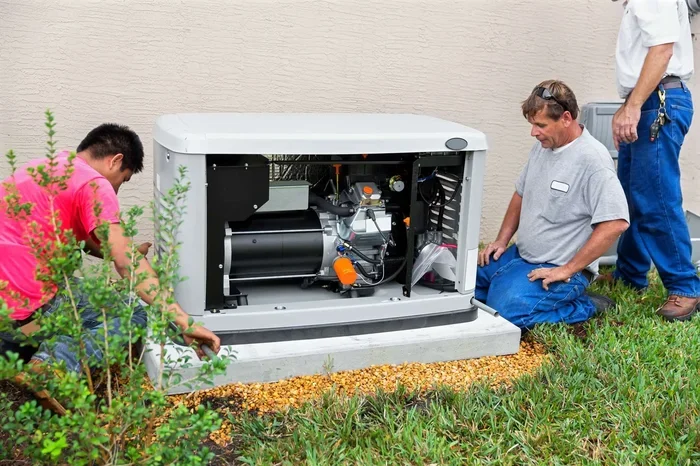
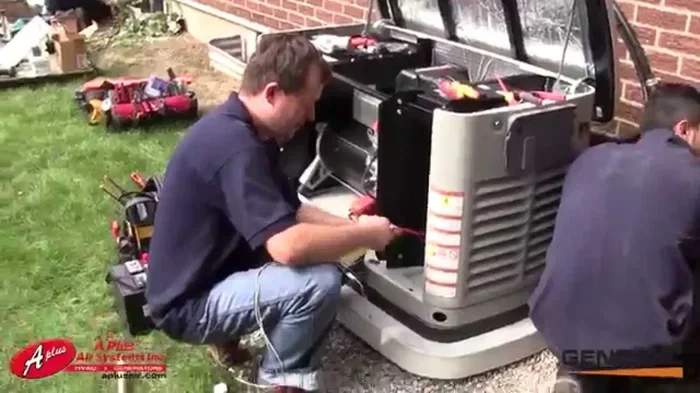
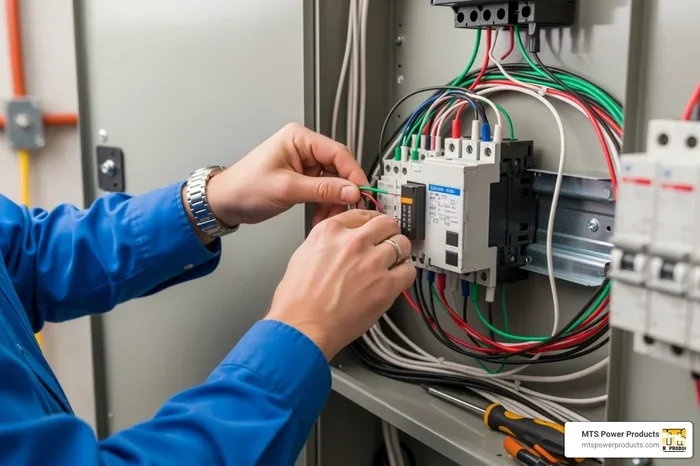
A proper installation involves several steps. First, the installer prepares a concrete pad or concrete slab to set the generator on. Next, they run gas lines or propane connections to the unit. Electrical wiring connects the generator to your home’s panel through an automatic transfer switch. This switch is critical — it detects power outages and starts the generator automatically, so you never need to flip switches in the dark.
The installer also handles permits and inspections. Most local jurisdictions require a generator permit for standby installations. This ensures the setup meets electrical and building codes. The permit process usually adds a few hundred dollars but is non-negotiable for safety and insurance purposes.
Can You Install It Yourself?
Some homeowners wonder if they can save money by DIY installation. While it is technically possible, it is not recommended. Gas and electrical work carries serious risks. Improper installation can lead to carbon monoxide leaks, electrical fires, or backfeed issues that endanger utility workers. Most manufacturers also void the warranty if the unit is not professionally installed. For these reasons, hiring a licensed installer is the safest and smartest choice.
Hidden Installation Costs to Watch For
Be aware of potential extras. If the pad needs excavation or grading, that adds cost. Long gas line runs from the street to the generator increase expenses. In cold climates, a generator enclosure or winterization kit might be necessary. Always ask your installer for a detailed written quote that breaks out every charge.
Types of Whole Home Generators and Their Prices
Not all backup power systems are the same. Understanding the different types helps you compare options and find the best fit.
Standby Generators (Whole Home)
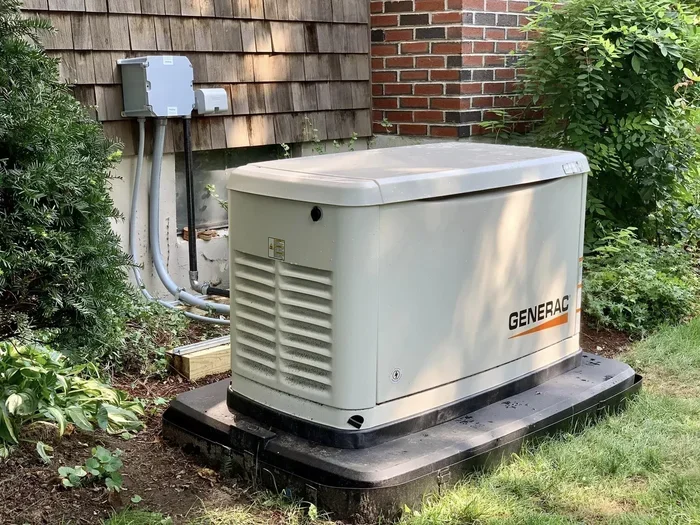
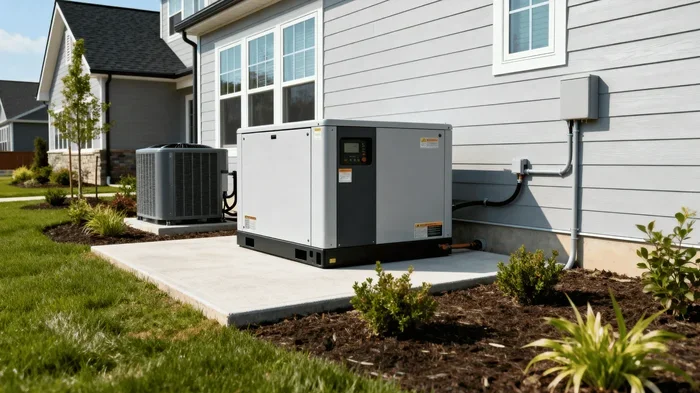
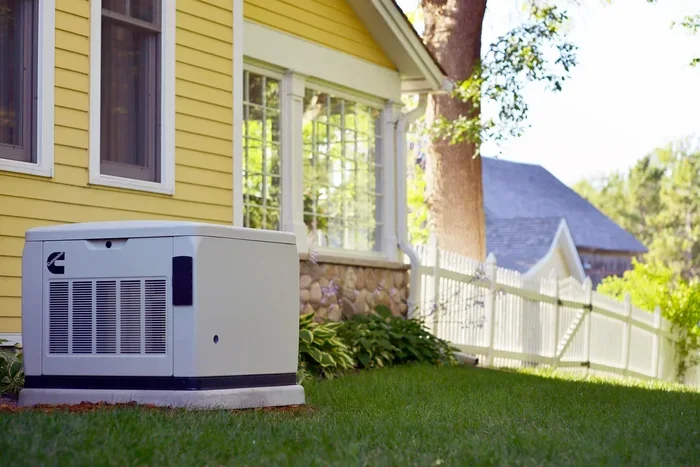
Standby generators are the most common type for whole home backup. They sit outside your home, similar to a central air conditioning unit. When power fails, they kick on within seconds — usually 10 to 30 seconds — and run automatically. These are the units most people picture when they ask, “how much is a whole home generator?”
Standby generators run on natural gas or propane. They are permanently installed and connected to your home’s electrical system. Because they are automatic and powerful, they are the gold standard for home backup power.
Portable Generators
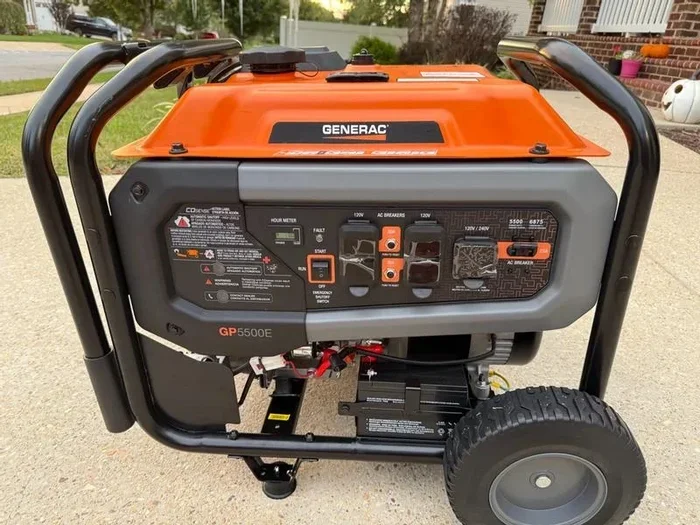
Portable generators are a budget-friendly alternative. They cost between $500 and $2,000 and can be moved wherever you need them. However, they do not power your whole home. You must plug in individual appliances using extension cords. They also require manual startup and refueling. For many families, a portable generator is not a substitute for a whole home standby system.
Portable Power Stations and Battery Backup
Newer options like battery backup systems and portable power stations are gaining popularity. Brands like EcoFlow, Jackery, and Tesla Powerwall offer battery-based backup. These systems are quiet, emission-free, and easy to use. However, they have limited capacity and are best for short outages or powering a few key devices. They do not replace a full standby generator for extended outages.
Comparison Table
| Type | Typical Cost | Whole Home Power? | Automatic? |
|---|---|---|---|
| Standby Generator | $4,000–$20,000+ | Yes | Yes |
| Portable Generator | $500–$2,000 | No (partial) | No |
| Battery Backup | $500–$10,000+ | Partial | Yes |
For true whole home coverage during long outages, a standby generator is the clear winner. The higher upfront cost pays for itself in comfort and protection.
How to Choose the Right Generator for Your Home
Choosing the right home backup generator does not have to be overwhelming. Follow these steps to narrow your options and find the perfect fit.
Step 1: Calculate Your Power Needs
Start by listing the essential circuits and appliances you want to keep running during an outage. A typical list includes:
- Refrigerator and freezer
- Sump pump
- Heating or cooling system
- Lights in key rooms
- Wi-Fi router and modem
- Well pump (if applicable)
- Electric stove or oven
Add up the wattage of each item. Then add a 20% buffer for startup surges. This gives you your minimum required generator size.
Step 2: Set a Realistic Budget
Factor in the total cost — equipment plus installation plus any electrical upgrades. A realistic budget for a quality whole home system usually falls between $10,000 and $15,000. This covers a 16–22 kW unit with professional installation at a mid-range price point.
Step 3: Choose Your Fuel Type
If your home already has natural gas service, a natural gas standby generator is the most convenient option. If you already have a propane tank, a propane unit works great. If neither exists, you will need to weigh the cost of adding a new utility connection or fuel storage against your backup power needs.
Step 4: Pick a Reputable Brand
Stick with well-known manufacturers. Generac leads the residential market with a huge selection and strong dealer network. Kohler offers premium quality with excellent longevity. Briggs & Stratton provides dependable mid-range options. Read whole house generator reviews from trusted sources before deciding.
Step 5: Get Multiple Quotes
Never accept the first quote you receive. Contact at least three licensed installers in your area. Compare not just the total price but also what is included in the quote. Some quotes include the transfer switch and electrical work, while others charge separately for each component.
Is a Whole Home Generator Worth the Investment?
This is the question every homeowner wants answered. The honest answer is: it depends on your situation.
Whole home generators add real value to your property. Buyers increasingly look for homes with backup power, especially in areas prone to storms or unreliable grids. A professionally installed standby generator can boost your home’s resale value and make it stand out on the market.
Beyond property value, consider the practical benefits. A power outage protection system keeps your food safe, your home comfortable, and your family secure. Medical equipment, sump pumps, and security systems all depend on electricity. During a multi-day outage, a generator can make the difference between a minor inconvenience and a serious crisis.
The ongoing costs are also worth noting. Generator fuel cost varies by fuel type and usage. A natural gas standby generator might use 20–30 cubic feet of gas per hour during a full load. Over a week-long outage, that adds up. Annual generator maintenance — oil changes, filter replacements, and professional inspections — typically costs $200 to $500 per year. These are ongoing expenses to factor into your decision.
However, when you compare these costs to the alternative — spoiled food, frozen pipes, lost productivity, or a flooded basement from a failed sump pump — the investment starts to make a lot of sense. Most homeowners who install a whole home generator say they would do it again in a heartbeat.
Quick Tips to Save Money
- Buy during the off-season. Generator demand peaks before storm season, so prices may drop in winter or early spring.
- Bundle services. Some dealers offer package deals that include the unit, installation, and the first year of maintenance at a discount.
- Check for local rebates. Some utility companies and municipalities offer rebates for standby generators, especially natural gas models.
- Maintain your unit regularly. Proper maintenance prevents costly breakdowns and extends the unit’s lifespan significantly.
Common Mistakes to Avoid
- Undersizing the generator. This is the most common mistake. A generator that is too small will overload and shut down during use.
- Skipping the transfer switch. A manual transfer switch is cheaper but less convenient. An automatic transfer switch is worth the investment.
- Ignoring local codes and permits. Skipping permits can lead to fines, insurance issues, and safety hazards.
- Choosing the cheapest installer. Poor installation leads to problems. Always hire a licensed, experienced professional.
- Forgetting about fuel storage. If you choose propane, make sure you have adequate tank capacity for extended outages.
Expert Insights
Industry professionals consistently emphasize two things. First, proper generator sizing is everything. A unit that matches your home’s actual needs will run efficiently and last for years. Second, do not overlook the automatic transfer switch. This small component is the brain of your backup power system, and investing in a quality switch prevents headaches down the road.
Many installers also recommend adding a cellular monitoring module to your generator. This lets you monitor your unit’s status from your phone, receive outage alerts, and even start the generator remotely. It is a small add-on cost that provides big peace of mind.
Key Takeaways
- Whole home generators cost between $4,000 and $20,000+ depending on size and features.
- Installation adds $3,000 to $8,000 to the total price in most cases.
- Natural gas and propane are the most popular fuel types for home standby units.
- Generator size matters a lot — bigger units cost more but cover more appliances.
- Ongoing costs include fuel, maintenance, and occasional repairs.
- A whole home generator adds real value to your property and protects your home during outages.
- Getting multiple quotes helps you find the best deal.
Conclusion
So how much is a whole home generator? The answer is clear — it is a significant investment, but one that pays for itself in comfort, safety, and property value. The whole home generator cost typically falls between $4,000 and $20,000 for the equipment, with installation adding several thousand more. When you factor in the protection it provides and the peace of mind it delivers, most homeowners find it to be a worthwhile investment.
Take your time when shopping. Understand your power needs, compare brands, get multiple quotes, and never skip professional installation. A properly sized and installed standby generator will serve your home reliably for 20 to 30 years or more. The next time the lights go out, you will be glad you made the choice to invest in home backup generator protection for your family.
Start your research today. Contact local dealers, ask questions, and get the quotes you need. Once you experience the comfort of uninterrupted power, you will wonder why you did not do it sooner.
Frequently Asked Questions
What is the average cost of a whole home generator?
The average cost ranges from $10,000 to $15,000 for a quality 16–22 kW standby generator including professional installation. This covers most mid-size homes and provides reliable backup power during outages.
How long does generator installation take?
Professional installation typically takes one to three days. The timeline depends on the complexity of the setup, gas line connections, electrical work, and whether any panel upgrades are needed. Most installers can complete the job within 48 hours.
What size generator do I need for a 2000 square foot home?
A 2000 square foot home typically needs a 14–18 kW generator to cover essential circuits and appliances. If you want to run your central air conditioning as well, aim for 20–22 kW. A licensed installer can perform a load calculation for precise sizing.
How much does it cost to run a whole home generator per day?
Operating costs depend on fuel type and load. A natural gas generator might cost $20–$40 per day to run at full load. Propane costs vary based on tank size and local fuel prices. Regular maintenance adds about $200–$500 per year.
Do whole home generators increase home value?
Yes, whole home generators are considered a valuable home improvement. Many real estate agents report that homes with standby generators sell faster and sometimes at higher prices, especially in areas prone to frequent power outages.
Can I install a whole home generator myself to save money?
While it is technically possible, self-installation is strongly discouraged. Improper gas and electrical connections create serious safety risks, void manufacturer warranties, and may violate local building codes. Always hire a licensed professional for installation.